
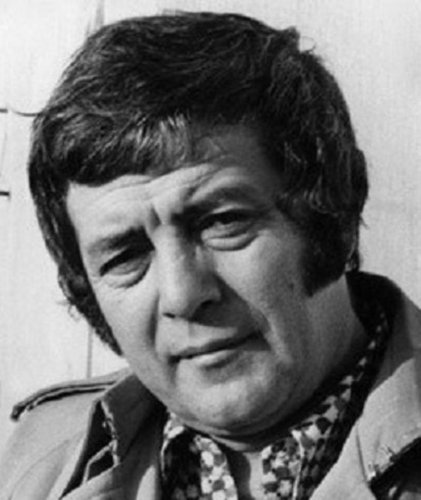
Metin Erksan
Film director · died at 83
Profile
| Age | died at 83 |
|---|---|
| Birth date | January 1, 1929 |
| Birthplace | Çanakkale |
| Died | August 4, 2012 |
| Place of death | İstanbul, Türkiye |
| Profession | Film director, Screenwriter, Art Historian, Journalist |
| Zodiac sign | Capricorn |
Metin Erksan — Biography
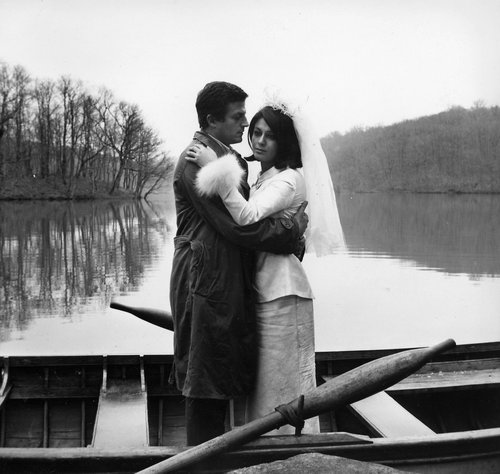
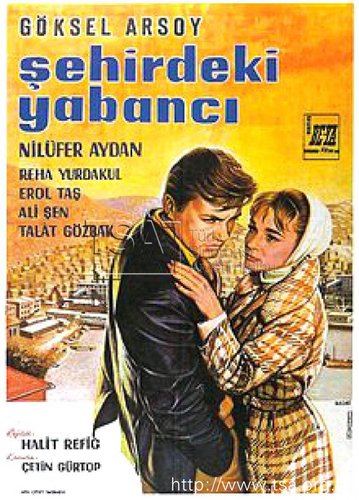
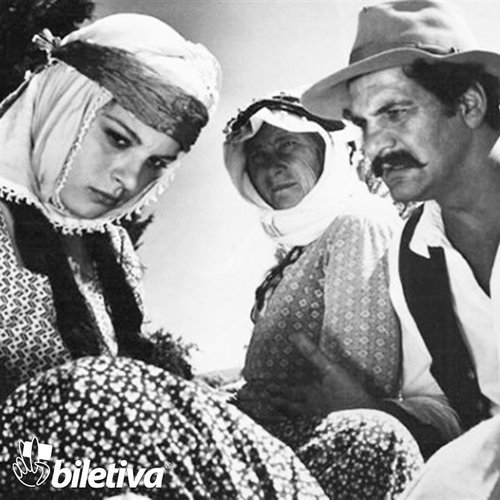
Born İsmail Metin Erksan on 1 January 1929 in Çanakkale, to a family with roots in the Nafi Baba Alevi-Bektaşi lodge, he graduated from Pertevniyal High School and then studied art history at Istanbul University's Faculty of Letters; he wrote film criticism from 1947 and made his directing debut in 1952 with Aşık Veysel'in Hayatı. Known for adapting literature to portray the struggles of rural people, Erksan is regarded, with Halit Refiğ, as a founder of Turkey's 'national cinema' movement; he won the Golden Bear in Berlin for Susuz Yaz in 1964, and picked up awards at the Carthage Film Festival for Yılanların Öcü in 1966 and at the Golden Boll for Kuyu in 1969. His horror film Şeytan is often cited as one of Turkish cinema's first true horror pictures, while the experimental Kadın Hamlet and Sevmek Zamanı pushed his visual style further. He taught at the Istanbul State Academy of Fine Arts (later Mimar Sinan University) and at Işık University, to which he donated his 10,000-volume personal archive, and in 2004 received the Grand Award for Culture and Art from President Ahmet Necdet Sezer. Over a career of roughly forty films, he died of kidney failure in Istanbul in 2012. His legacy has kept resurfacing since: a restored print of 1962's Acı Hayat screened at the 45th Istanbul Film Festival in 2026, and Susuz Yaz was announced that same year as the basis for a new television series.
Photos

Reactions
You can pick up to 3 reactions.
Comments (0)