

Ajda Pekkan
Actor · 80 years old
Profile
| Age | 80 years old |
|---|---|
| Birth date | February 12, 1946 |
| Birthplace | Beyoğlu, İstanbul |
| Profession | Actor, Singer, Musician, Recording artist |
| Zodiac sign | Aquarius |
| Real name | Ayşe Ajda Pekkan |
| Education | Çamlıca Kız Lisesi |
| Kardeşi | Semiramis Pekkan |
In the rankings
Worked most often with

Filmography / Projects





Ajda Pekkan — Biography
Ayşe Ajda Pekkan (born 12 February 1946 in Beyoğlu, Istanbul) is a Turkish pop singer and former film actress who has remained a defining voice of her country's popular music for more than half a century. Carrying the titles "Süperstar" and "Diva" in the national press since the 1970s, she built her reputation on songs centred on strong female figures, and by keeping pace with changing tastes and absorbing Western influences she turned into one of modern Turkey's most enduring cultural icons. Critics have praised her vocal technique, and her influence on later generations of singers is widely acknowledged.
The daughter of a naval officer, Pekkan spent part of her childhood in Gölcük and studied at Çamlıca Kız Lisesi. Her first stage experience came in the early 1960s at the Çatı nightclub, where, with her sister Semiramis's encouragement, she approached the venue's owner İlham Gencer and performed for a time accompanied by the group Los Çatikos. In 1963 she entered the cover-star competition organised by Ses magazine, which aimed to bring new faces to the cinema; she won the women's category, with Ediz Hun taking the men's prize and Hülya Koçyiğit placing second among the women. That victory launched her professional career, and within the same year she made her screen debut in Adanalı Tayfur. The song she performed in that picture, "Göz Göz Değdi Bana", was also pressed as a record.
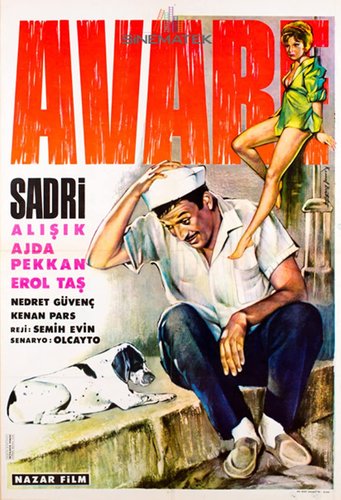
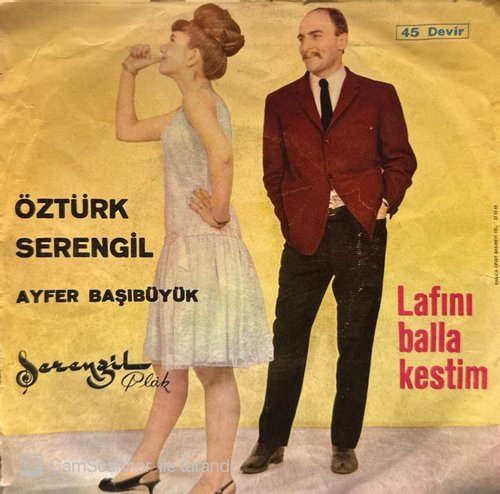
Over the following six years she appeared in close to fifty black-and-white films, sharing leading roles with stars such as Ayhan Işık, Cüneyt Arkın and Tamer Yiğit. Her filmography of that decade includes Şıpsevdi (1963), Avare (1964), Hızır Dede (1964), Şaka ile Karışık (1965), Lafını Balla Kestim (1965) and, in 1966, both Ayrılık Şarkısı and Dişi Düşman. At the start of the 1970s she gave up acting to devote herself entirely to music, returning to the screen only on rare occasions afterwards, among them the television series Avrupa Yakası (2004) and the feature Romantik Komedi 2: Bekarlığa Veda (2013).
The first twenty years of her recording career rested largely on arrangements: foreign melodies fitted with new Turkish lyrics. Songs such as Kimler Geldi Kimler Geçti, Palavra Palavra, Sana Neler Edeceğim, Hoş Gör Sen, Bambaşka Biri, Uykusuz Her Gece and O Benim Dünyam, most of them written by Fikret Şeneş, became classics both of her own repertoire and of Turkish pop as a whole. Throughout the 1970s her fame grew steadily abroad, particularly in Europe; she toured internationally and recorded a French-language album in 1978. Rising popularity created public pressure for her to represent Turkey at the 1980 Eurovision Song Contest. She accepted reluctantly, and when Pet'r Oil finished fifteenth out of nineteen entries, the disappointment led her to step away from the stage for several years.
From the 1990s onward she worked with a changing circle of songwriters and arrangers, most prominently Sezen Aksu and Şehrazat. Tracks including Yaz Yaz Yaz, Sarıl Bana, Eğlen Güzelim, Vitrin and Yakar Geçerim climbed to the top of the Turkish charts, while later albums reached younger listeners. Beyond Turkish, she has sung in French, English, Italian, German, Greek and Japanese. With record sales exceeding fifteen million, she ranks among the best-selling artists Turkey has ever produced. In 1998 she was granted the title of State Artist, and in 2013 the French government named her an officer of the Ordre des Arts et des Lettres. Three of her albums appear in the Hürriyet newspaper's list of Turkey's hundred finest albums, and in 2016 The Hollywood Reporter included her in its Power 100 ranking of the most influential women in entertainment. Although she does not call herself a feminist, many of her songs narrating the lives of resilient women have been embraced as feminist anthems. Her sister is the singer and actress Semiramis Pekkan.
Photos



Reactions
You can pick up to 3 reactions.
Comments (0)