The Baader Meinhof Complex (Der Baader Meinhof Komplex)

The Baader Meinhof Complex (Der Baader Meinhof Komplex)

Movie · 2008 · 15 people

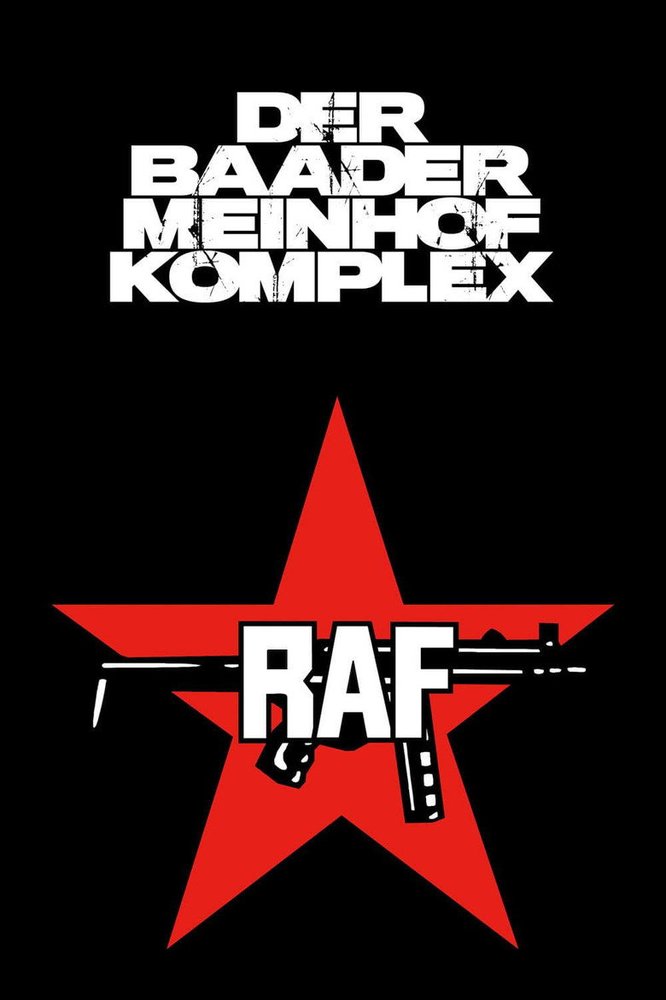
From director Uli Edel comes Der Baader Meinhof Komplex (The Baader Meinhof Complex), a German historical thriller of 2008. It is based on Stefan Aust's bestselling 1985 non-fiction book of the same name and traces the early years of West Germany's far-left Red Army Faction (RAF), from 1967 to the 'German Autumn' of 1977. A French-German-Czech co-production, it was nominated for Best Foreign Language Film at the 81st Academy Awards and received matching nominations at the Golden Globes and the BAFTAs.

The story revolves around Andreas Baader (Moritz Bleibtreu), Ulrike Meinhof (Martina Gedeck) and Gudrun Ensslin (Johanna Wokalek), whose group wages an urban guerrilla campaign of bombings, robberies and killings against the state; Bruno Ganz plays police chief Horst Herold. Alexandra Maria Lara and Jan Josef Liefers also appear. The script avoids a character to identify with and a continuous narrative arc.

Producer Bernd Eichinger wrote the screenplay. One of the most expensive German-language productions ever, it drew roughly two and a half million cinema-goers in Germany. ARD, a co-financer, aired a longer two-part television version a year later. Critics were split over whether the film shows the RAF soberly or mythologises it, and its depiction of some real people led to lawsuits.

DirectorUli Edel
Production companyConstantin Film

Reactions

You can pick up to 3 reactions.

Cast

Names without a link have no profile here yet.

Moritz Bleibtreu Moritz Bleibtreu Film actor · 55 years old Andreas Baader Michael Gwisdek Michael Gwisdek Film actor · died at 78 Helmut Ensslin Martina Gedeck Johanna Wokalek Bruno Ganz Alexandra Maria Lara Nadja Uhl Alexander Held Anna Thalbach Hannah Herzsprung Heino Ferch Jan Josef Liefers Jasmin Tabatabai Smaïl Mekki Stipe Erceg
Through different eyes

History & Society Lens Asks about the period, the social background and what the work reflects.

The first decade of the Red Army Faction, from 1967 to the German Autumn, covers one of the deepest ruptures in post-war West Germany, and the film approaches it through Stefan Aust's non-fiction book. That is where the real debate begins: some critics felt the film portrayed the group's members with restraint, others that it mythologised them, and its depiction of real people led to lawsuits. That debate itself shows the period is still an unhealed wound in Germany. For anyone who wants to question how political violence can turn into an alluring image, it is an important film.

Action & Thriller Fan Puts pace, tension and set pieces first; little patience for slow drama.

Bombs, robberies, raids: the pace barely drops and events explode one after another. As a tension machine it is strong. But it is not the kind you are used to; there is no hero to hold on to and nobody to identify with. So after a while the excitement can give way to fatigue. Knowing it is based on real events adds extra weight to every scene.

Cinephile Looks at script, editing and directing choices; keeps a distance from formula films.

Bernd Eichinger's script makes a deliberate choice: no hero to identify with and no continuous plotline. The film proceeds like a chronicle, covering a decade in episodic blocks. That structure keeps the editing pace high and brings the scale of events to the screen impressively; its status as one of the most expensive German-language productions shows on screen. But the same choice keeps us out of the characters' inner lives, and motives are mostly read through slogans and actions. The Oscar nomination for foreign-language film is deserved, yet the film remains a staged chronicle more than a drama.

These are not reader reviews: they are short editorial takes written from different viewer perspectives with AI assistance. Reader reviews are below.

Reviews (0)

Log in Log in to write a review.

Comments