Ash and Fire (Kül ve Ateş)

Ash and Fire (Kül ve Ateş) (translated)

TV Series · 2009 · 11 people

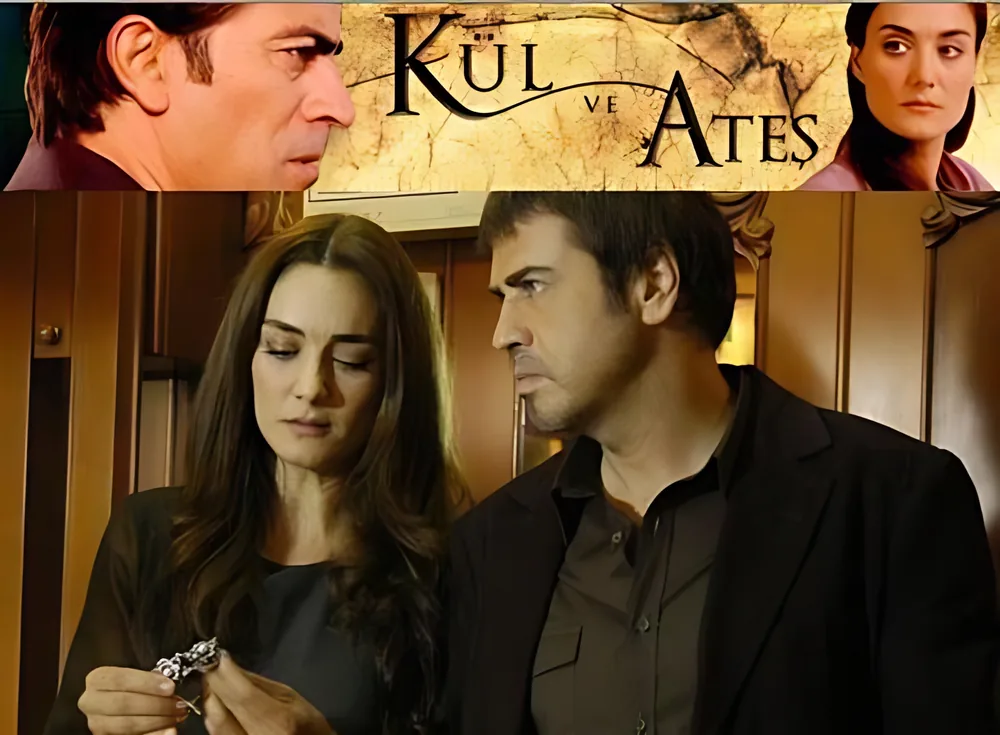
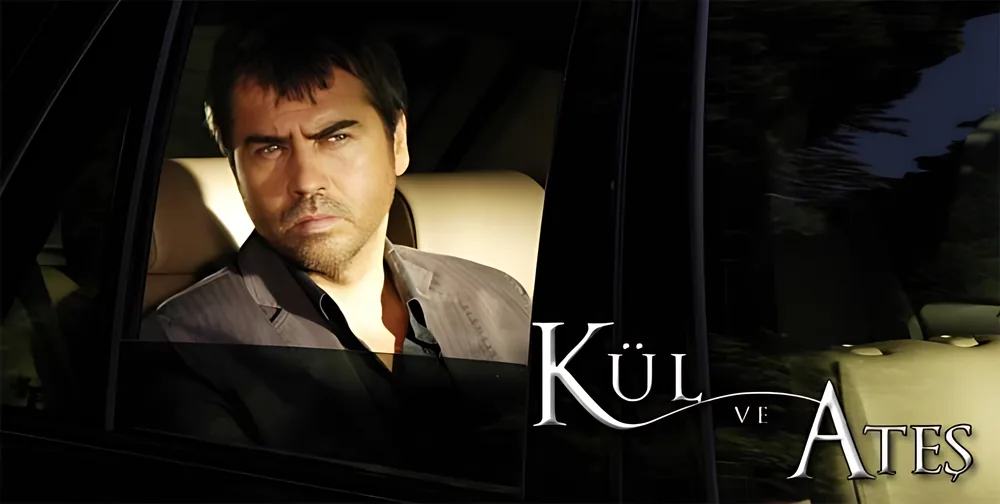
Kül ve Ateş is a Turkish family drama series produced by Asis Film for Star TV. Created by Tomris Giritlioğlu, it premiered on September 14, 2009, in a Monday 8 p.m. slot; low ratings got it pulled after its ninth episode aired on November 9, 2009, leaving it at a single season.

Set in Antakya, it tells the story of Ömer Toprak (Serhat Tutumluer), who comes back to settle accounts with the mansion he was thrown out of years earlier. Ömer is the son of servants in the household of the wealthy İsfendiyar family; his friendship with the family's daughter, Duygu İsfendiyar (Başak Köklükaya), began in their early teens and grew into love, and the two pledged themselves to each other with a ring they wore in secret. A theft in the family's new mansion breaks that bond: the blame falls on Ömer, and even Duygu does not believe he is innocent. He is sent to a reformatory and soon vanishes from their lives; when he returns he is no longer a helpless boy, and he reopens the old accounts. Among the İsfendiyars, Serap Aksoy plays Ayten and Merve Boluğur plays Hayal; Şerif Sezer is Hacer Toprak and Hakan Balamir is Mecit Baba.

The scripts were by Hale Çalap Demiray, Feza Doğru, Ayhan Sonyürek and Rüya İşçileri. Cemile Kırmızı Karadaş directed all nine episodes, Ilgaz Giritlioğlu and Bahadır Atay produced, and the series was filmed in Antakya, where it is set.

DirectorCemile Kırmızı Karadaş
ScreenwriterHale Çalap Demiray, Feza Doğru, Rüya İşçileri, Ayhan Sonyürek
Production companyAsis Film
NetworkStar TV
Ash and Fire (Kül ve Ateş) Ash and Fire (Kül ve Ateş) Ash and Fire (Kül ve Ateş)

Reactions

You can pick up to 3 reactions.

Cast

Through different eyes

AI-assisted editorial takes written from different viewer perspectives. They are not reader reviews; those are below.

History & Society Lens Asks about the period, the social background and what the work reflects.

Class difference sits at the heart of the story: a love between the wealthy İsfendiyar family's daughter and the son of the mansion's servants is a fitting frame for showing how social distance, invisible in childhood, hardens into a wall in adulthood. The theft being pinned on the servants' son, who is then sent to a reformatory, suggests an order that works against the powerless. Ömer returning years later as someone other than the boy thrown out of the mansion frames upward mobility as a kind of rematch. Mansion life in Antakya gives the rivalry a setting with its own regional texture.

Cinephile Looks at script, editing and directing choices; keeps a distance from formula films.

Choosing Antakya as the setting is a notable move; the triangle of mansion, servants and wealthy family lays down the skeleton of a classic class melodrama there. But the script's backbone is very familiar: an innocent young man blamed, sent away and returning years later to settle the score is a revenge template told countless times since The Count of Monte Cristo. In a template like that, the difference comes not from plot but from rhythm and the characters' inner lives. A small, concrete motif like the ring worn in secret is just the kind of device that, used well, makes that inner life visible; whether the series gets past the template depends largely on details like these.

Series Binger A series devotee tracking character arcs, cast chemistry and season pacing.

One thing to know before starting Kül ve Ateş: it is one of those series pulled early for low ratings, so you have to settle for an unfinished story. The setup is exactly what a long-running series wants: a teenage love, a secret pledge, an unjust accusation and a man coming back years later. Revenge stories like this usually catch their breath in the middle episodes and then pick up speed; the real letdown is that the curtain falls before it even fully reaches that middle stretch. The promise of a reckoning is strong; the payoff is missing.

Reviews (0)

Log in Log in to write a review.

Comments