The Chinese Are Coming (Çinliler Geliyor)

The Chinese Are Coming (Çinliler Geliyor) (translated)

Movie · 2006 · 13 people

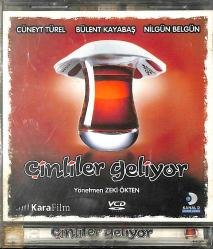
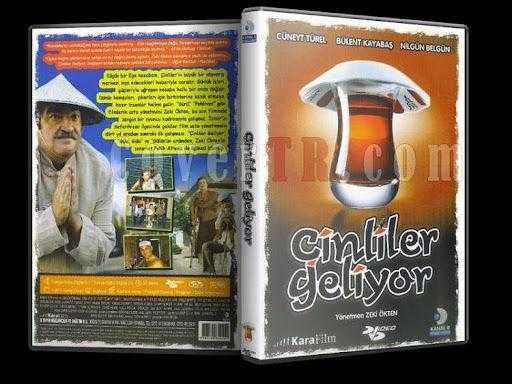
Çinliler Geliyor ("The Chinese Are Coming") is a Turkish comedy released on December 8, 2006. It is director Zeki Ökten's third film with screenwriter Fatih Altınöz, after Güle Güle and Gülüm, and the last film he directed for the cinema. It was shot in Seferihisar, in the Izmir province, and in Sığacık, a town to its west.

The story unfolds in an ordinary western Anatolian town, where narrow streets and two-story wooden houses ring the square. A choir made up of locals is holding its last rehearsals for a classical Turkish music concert on Liberation Day, working on Sadettin Kaynak's Bahar Bitti, Güz Bitti. The voices are hardly flawless, but the singers have found a kind of harmony, and the coming concert has everyone excited. The calm of the following morning breaks when two big black SUVs drive into town and park outside the municipality building. Three or four Chinese men climb out with a Turkish businessman (Sinan Albayrak) at their side, and once the group walks up the town hall steps, the town's familiar routine begins to change.

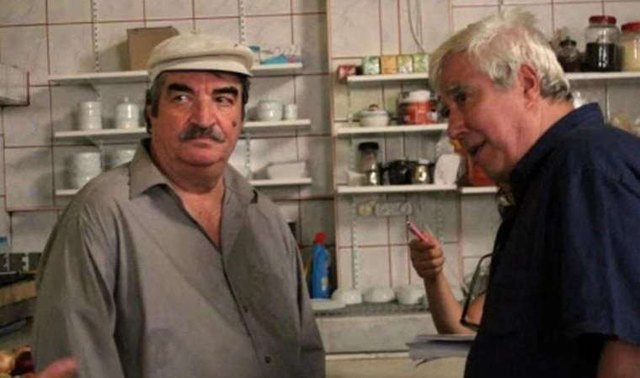
Cüneyt Türel plays Salih, Bülent Kayabaş plays Osman, Nilgün Belgün plays Zehra, Şenay Gürler plays Ayşe, İpek Bilgin plays Leyla and Salih Kalyon plays a Korean. Baha Serter, Temel Kerimoğlu and Zafer Çelik produced.

DirectorZeki Ökten
ScreenwriterFatih Altınöz
The Chinese Are Coming (Çinliler Geliyor) The Chinese Are Coming (Çinliler Geliyor) The Chinese Are Coming (Çinliler Geliyor)

Reactions

You can pick up to 3 reactions.

Cast

Through different eyes

AI-assisted editorial takes written from different viewer perspectives. They are not reader reviews; those are below.

Cinephile Looks at script, editing and directing choices; keeps a distance from formula films.

Being Zeki Ökten's farewell to cinema gives Çinliler Geliyor a weight of its own. The third film of his partnership with Fatih Altınöz opts for a large ensemble and a narrative that treats the setting itself as a character. The choir rehearsal is a well-found frame: it sums up a town that has only just found its harmony in a single image. But stories that use the arrival of foreigners as the inciting event run the risk of reducing the outsiders to caricature, and a crowded cast can struggle to give every character enough room. It may not be the director's most ambitious work, but it is a careful farewell that stays true to its own voice.

History & Society Lens Asks about the period, the social background and what the work reflects.

The contrast the film sets up is deliberate. On one side is a western Anatolian town of wooden houses and a square, living at its own pace, where an amateur choir is rehearsing a Sadettin Kaynak piece for Liberation Day; on the other, foreign investors arriving in black SUVs with a Turkish go-between. That the businessman is Turkish is an important detail: change is not only imposed from outside, someone inside opens the door. It is a story that turns unease about the global economy reaching small places into comedy, and shooting in Seferihisar and Sığacık ties its town life to a real place rather than a set.

Family Viewer Asks whether the whole household can watch it; cares about humor and heart.

A comedy set in a small town that opens with choir rehearsals; from its story, it looks fine for the whole family. Since it is built around the everyday ways of a large cast of townspeople, I think children expecting a fast-paced comedy may find it a bit slow. Grandparents, especially those who love classical Turkish music, will find something of their own in the choir. A good pick for a weekend evening.

Reviews (0)

Log in Log in to write a review.

Comments