Ninety-Nine Mustafa (Doksan Dokuz Mustafa)

Ninety-Nine Mustafa (Doksan Dokuz Mustafa) (translated)

Movie · 1958 · 12 people

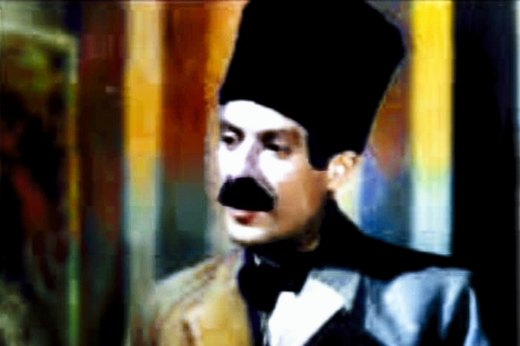
Family, children and a forbidden love drive Doksan Dokuz Mustafa (Ninety-Nine Mustafa), a black-and-white Turkish drama from 1958. Its genre is given as drama and sentimental, and it is also known simply as 99 Mustafa. Sami Ayanoğlu both wrote and directed it. Hasan Tual produced it for Tual Film, Lazar Yazıcıoğlu was the cinematographer and Kadri Şençalar composed the music.

At the centre of the story is Fuat, a married father of two who runs a fabric shop. He has fallen in love with Melahat, the star singer of the Cuba nightclub. His son Mustafa is a primary-school pupil with the school number 99, devoted to his father and his family and very good in class. Together with his mother he refuses to accept the affair. Mustafa sets out to meet Melahat face to face, talk her out of the relationship and win his father back.

Hayati Hamzaoğlu plays Fuat, Gönül Bayhan is Melahat, the child actor Cumhur Kersin is Mustafa and Saliha Tekneci is his mother; Hamzaoğlu's voice was dubbed by Reşit Gürzap. The cast also lists Haydar Karaer, Faik Coşkun, Tevhid Bilge, Vahi Öz, Necdet Tosun and Necdet Mahfi Ayral as Monsieur, along with producer Hasan Tual and director Sami Ayanoğlu.

DirectorSami Ayanoğlu
Production companyTual Film

Reactions

You can pick up to 3 reactions.

Cast

Hayati Hamzaoğlu Hayati Hamzaoğlu Actor · died at 67 Gönül Bayhan Saliha Tekneci Sami Ayanoğlu Necdet Mahfi Ayral Necdet Mahfi Ayral Actor · died at 95 Tevhid Bilge Vahi Öz Necdet Tosun Actor · died at 48 Faik Coşkun Haydar Karaer Hasan Tual Reşit Gürzap Reşit Gürzap Actor · died at 78

Through different eyes

Yeşilçam Nostalgic A viewer raised on the classics, looking for warm storytelling and strong acting.

Doksan Dokuz Mustafa carries one of the most heartfelt veins of fifties Yeşilçam: a child trying to save his family. Hardworking Mustafa, known by his school number and devoted to his father, is the film's moral compass. A child setting out to mend what the grown-ups have broken was among the stories that moved audiences of that era most. As the sentimental genre demands, there are moments that lean on tears; but in these films the point was always being told from the heart rather than strict plausibility. This plain black-and-white story of a family and a small hero shows how well the old way can still work.

Family Viewer Asks whether the whole household can watch it; cares about humour and heart.

The story is about a father falling for a nightclub singer and his son standing up to the affair. I wouldn't expect violence or coarse language, but the theme can be heavy for small children. Infidelity and tension between the parents may raise questions for a primary-school child. In my view it is better watched with adults present and with children of middle-school age and up. A little chat afterwards would help.

History & Society Lens Asks about the period, the social background and what the work reflects.

The film is full of clues to the fifties middle-class family ideal: a father who runs a fabric shop, a mother at home and a pupil who does well at school. The threat comes from the city's nightlife, from the nightclub. What stands out is that the crisis is left to a child to solve rather than to the adults; in the cinema of the period the child is the figure who embodies the family's innocence and morality. Seen from today there is something to question, too: the story leans on a view that places responsibility on the 'other woman' more than on the father. That makes the film an interesting document of its era's gender roles.

These are not reader reviews: they are short editorial takes written from different viewer perspectives with AI assistance. Reader reviews are below.

Reviews (0)

Log in Log in to write a review.

Comments