

Profile
| Age at death | 66 |
|---|---|
| Birth date | May 27, 1928 |
| Birthplace | İzmir |
| Died | July 13, 1994 |
| Profession | Actor |
| Zodiac sign | Gemini |
In the rankings


Filmography / Projects
- Tatlı Nigâr
- Clumsy Shakir (Sakar Şakir) (translated)
- Liseli Kızlar
- Kızını Dövmeyen Dizini Döver
- Bizim Kız
- Ölmeyen Şarkı
-

- Aşk Dediğin Laf Değildir
-

- Şaşkın Damat
- Çapkın Hırsız
- Amigo Hüsnü
-

-

- Azap
- Korkunç Tecavüz
-
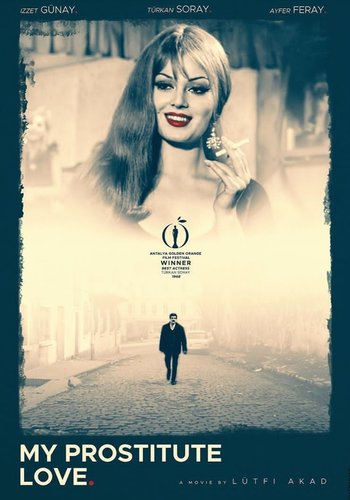
- Abbase Sultan
- Kahveci Güzeli
- Sen Benimsin
- Aslan Yürekli Kabadayı
- Ölümsüz Kadın
- Yılmayan Adam
- Krallar Ölmez
- Çirkin Kral
- Silahların Kanunu
- Soluk Gecenin Aşk Hikâyeleri
- Bozuk Düzen
- İntikam Ateşi
- Damgalı Adam
- Milyonerin Kızı
-
-

- Sevmek Seni
- Yahya Peygamber
- Son Kuşlar
- Karaoğlan: Altay'dan Gelen Yiğit
- Vahşi Gelin
- Bitmeyen Yol
- Güzel Bir Gün İçin
- Konyakçı
- Yaşasın Hayat
-

- Çapraz Delikanlı
- Genç Kızların Sevgilisi
- Battı Balık
- Beş Kardeştiler
- The Sweet Calamity (Tatlı Bela)
- Yaman Gazeteci
- Naylon Leyla
- Denize İnen Sokak
- Aysecik: Şeytan Çekici
-
-

- Vahşi İntikam
- Efelerin Efesi
- Çakırcalı Mehmet Efe'nin Definesi
- Bergama Sevdalıları
- O Adam Kim


Ayfer Feray — Biography
Ayfer Feray was a Yeşilçam actress who appeared in more than seventy films and gave as much effort to the stage as to the screen. Born in Bornova, she is remembered above all for strong supporting roles for women; Müjgan in Vesikalı Yarim and Sevda in Sakar Şakir are among her best-known parts. Her name lives on: the open-air stage in Bornova carries her name as the Ayfer Feray Open-Air Theatre and hosts music and dance events.
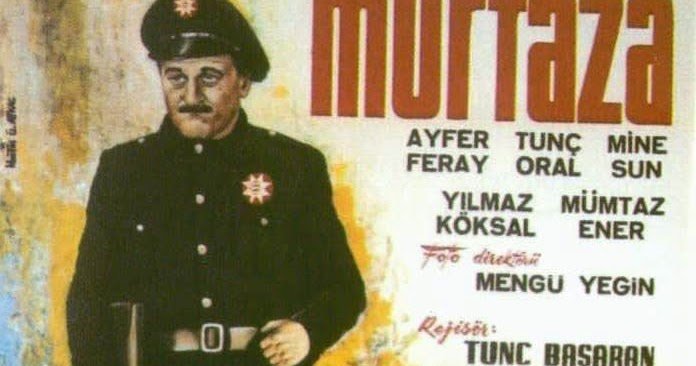
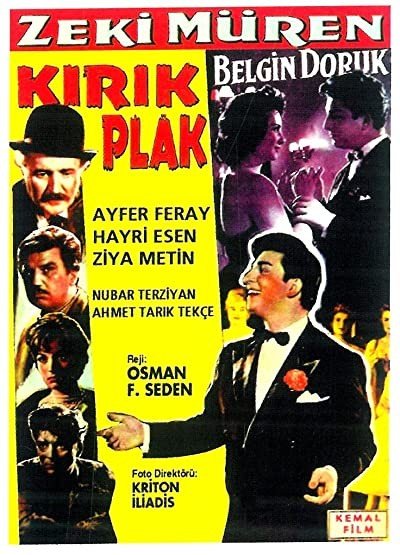
Her screen career began in the early 1950s; after early work such as Dracula in Istanbul (1953) she shared the best actress award at the first Turkish Film Festival in 1953 with Lale Oraloğlu and Nedret Güvenç. The Broken Record (1959), the French production L'Immortelle (1963), Murtaza (1965) and Four Women in the Harem (1965) carried her into the 1960s, and Acı Hayat (1973), Bir Yabancı (1974), Cemil (1975) and Sakar Şakir (1977) are among her later work.
On stage she appeared in plays such as Şahane Züğürtler and Yedi Kocalı Hürmüz and for a time was in the company of the Dormen Theatre. She co-founded the Çevre Theatre with Nisa Serezli; when that company broke up she founded a theater under her own name, whose players included Osman Alyanak, Ferhan Şensoy, Şevket Altuğ, Kemal Sunal and Hadi Çaman. She was the elder sister of the actress Günfer Feray. Murathan Mungan once said in an interview that her place in Turkish cinema is not sufficiently recognized, remarking that had she been French she would be an icon by now. She died in Bodrum in July 1994.
Reactions
You can pick up to 3 reactions.
Comments