

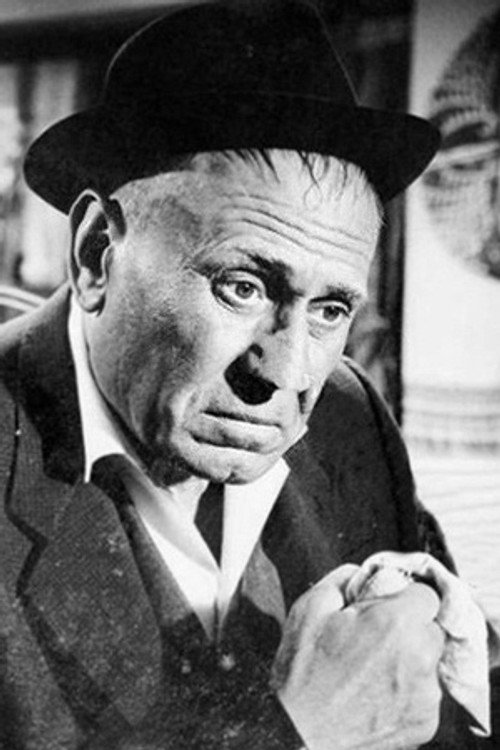
Cahit Irgat
Actor · died at 56
Profile
| Age at death | 56 |
|---|---|
| Birth date | March 21, 1915 |
| Birthplace | Lüleburgaz |
| Died | June 5, 1971 |
| Profession | Actor, Voice actor, Poet, Film director |
| Zodiac sign | Aries |



Filmography / Projects
- I Want to Die with You (Seninle Ölmek İstiyorum) (translated)
- Boğaziçi Soygunu
- Sabır Taşı
- Lekeli Melek
- İntikam Yemini
- Fato: Ya İstiklal Ya Ölüm
-
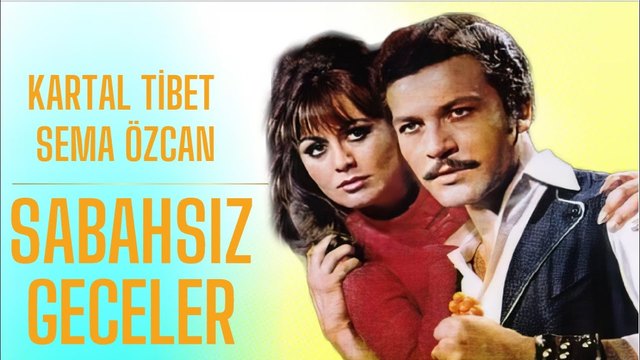 Nights Without Dawn (Sabahsız Geceler) (translated)
-
 Spy Smasher (Casus Kıran)
- Kader Böyle İstedi
- Urfa İstanbul
- İftira
- Yara
- Kader
- Ana Hakkı Ödenmez
- Kızıl Maske
- Alevli Yıllar
- Ömrümün Tek Gecesi
- Baharda Solan Çiçek
- Sevemez Kimse Seni
- İngiliz Kemal
- Son Vurgun
- Parmaksız Salih
-
 Killing in Istanbul (Kilink İstanbul'da)
- Kozanoğlu
- Kurbanlık Katil
- Kilink: Soy ve Öldür
- Kelepçeli Melek
- Son Gece
- Krallar Ölmez
- Düşman Aşıklar
- Ölüm Saati
- Kilink Uçan Adam'a Karşı
- Çelik Bilek
- Kara Duvaklı Gelin
-
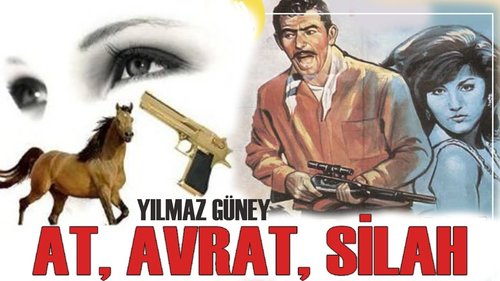 Horse, Woman and Gun (At Avrat Silah)
- Bar Kızı
- Meleklerin İntikamı
- Altın Küpeler
- Kanli Mezar
- Para Kadın Silah
- İntikam Ateşi
- Ölüm Tarlası
- Aşk Mücadelesi
-
 The Bread Seller Woman (Ekmekçi Kadın)
-
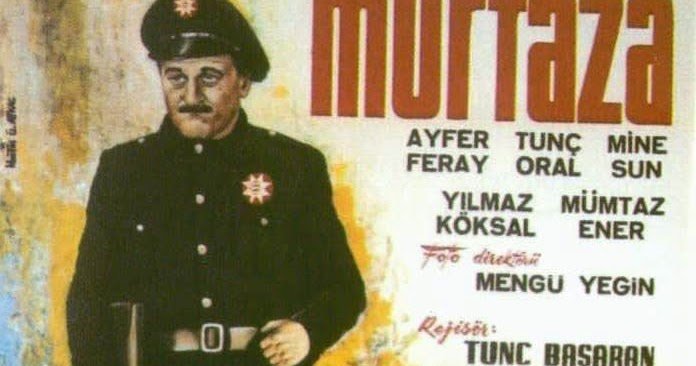 Murtaza
- Tehlikeli Adam
- Siyah Gözler
- Sana Layık Değilim
- Hırsız
- Kartalların Öcü: Severek Ölenler
- Kasımpaşalı Recep
- Şeker Hafiye
- Horoz Nuri: Çapkınlar Kralı
- Senede Bir Gün
- Mor Defter
- Yasak Aşk
- Avare Mustafa
-
 The Lonely Ones' Quay (Yalnızlar Rıhtımı)
- Fosforlu'nun Oyunu: Kıtıpiyoza Tuzak
- Karasu
- Kara Çalı
- Sevdiğim Sendin
- Sahildeki Kadın
- Şimal Yıldızı
-
 Six Are Dead (Altı Ölü Var/İpsala Cinayeti)
-
 Dracula Is in Istanbul (Drakula İstanbul'da) (translated)
- Kezban
- Aşk Istıraptır
- Mahallenin Namusu
- Vahşi İntikam
- Beklenen Şarkı
- Cinci Hoca
-
 Yavuz Sultan Selim Is Crying (Yavuz Sultan Selim Ağlıyor) (translated)
-
 The Red Plume (Kızıltuğ - Cengiz Han)
- Dağların Kızı Ruhsar
- Göçmen Çocuğu
- Kubilay
-
 Barbaros Hayreddin Pasha (Barbaros Hayreddin Paşa) (translated)
-
 The Conquest of Constantinople (İstanbul'un Fethi)
- Lale Devri
- Vatan ve Namık Kemal
- Hayat Acıları
- Sürgün
- İstanbul Kan Ağlarken
-
 Esztergom Castle (Estergon Kalesi) (translated)
-
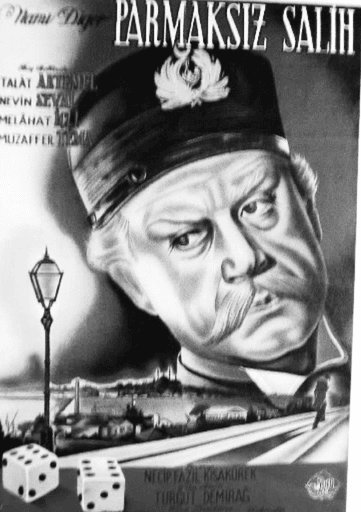 Salih Without Fingers (Parmaksız Salih) (translated)
- Soysuz
-
 Favorite of Selim III (Üçüncü Selim'in Gözdesi) (translated)
- Closed Eyes (Kapanan Gözler) (translated)
- Abandoned Child (Bırakılan Çocuk) (translated)
- I Forgave Him (Onu Affettim) (translated)
-
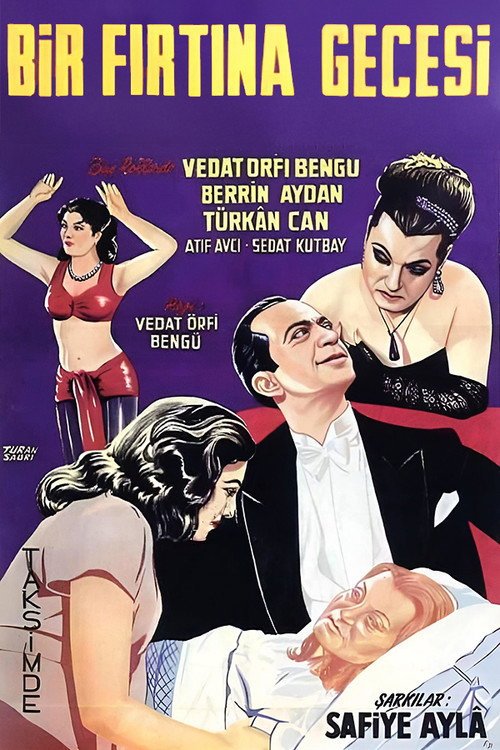 A Stormy Night (Bir Fırtına Gecesi) (translated)
-
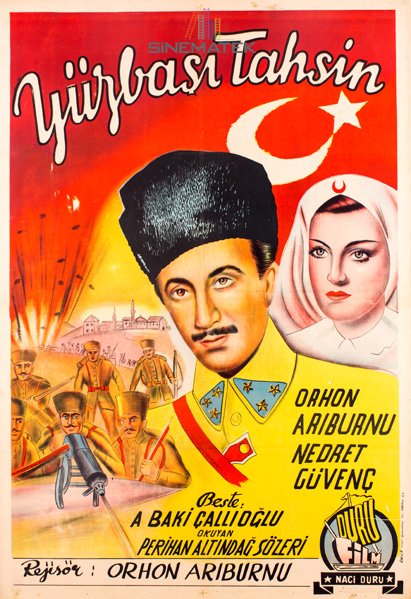 Captain Tahsin (Yüzbaşı Tahsin) (translated)
- Harman Sonu Dönüşü
- Fato: Ya İstiklal Ya Ölüm
- İstiklal Madalyası
-
 Kerim's Ordeal (Kerim'in Çilesi) (translated)
- Gençlik Günahı
- Büyük İtiraf
-
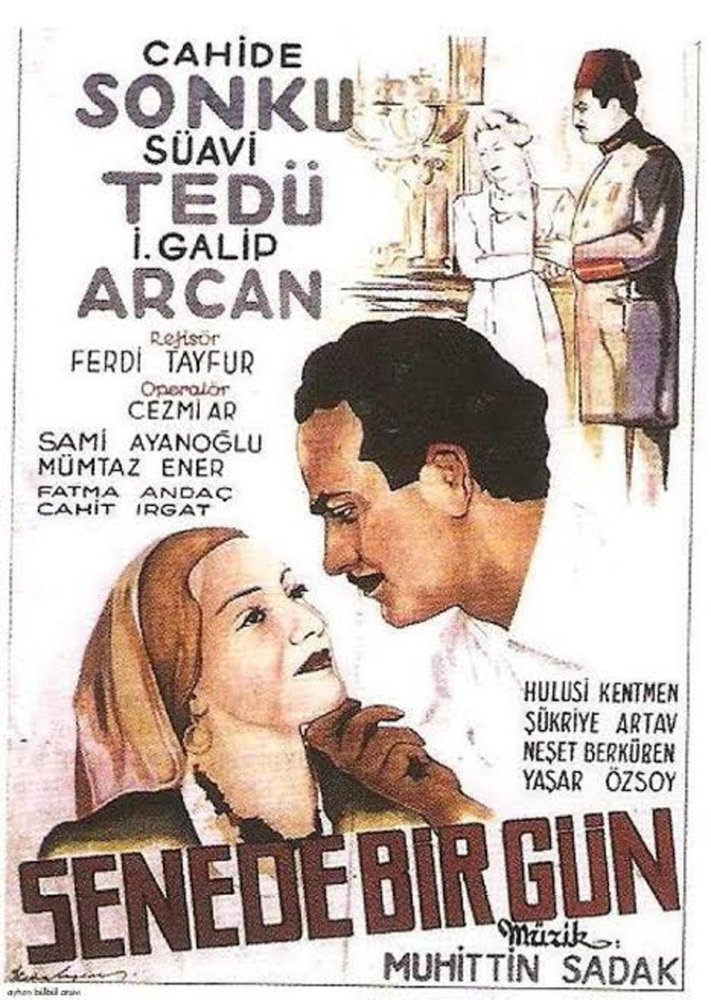 One Day a Year (Senede Bir Gün) (translated)
-
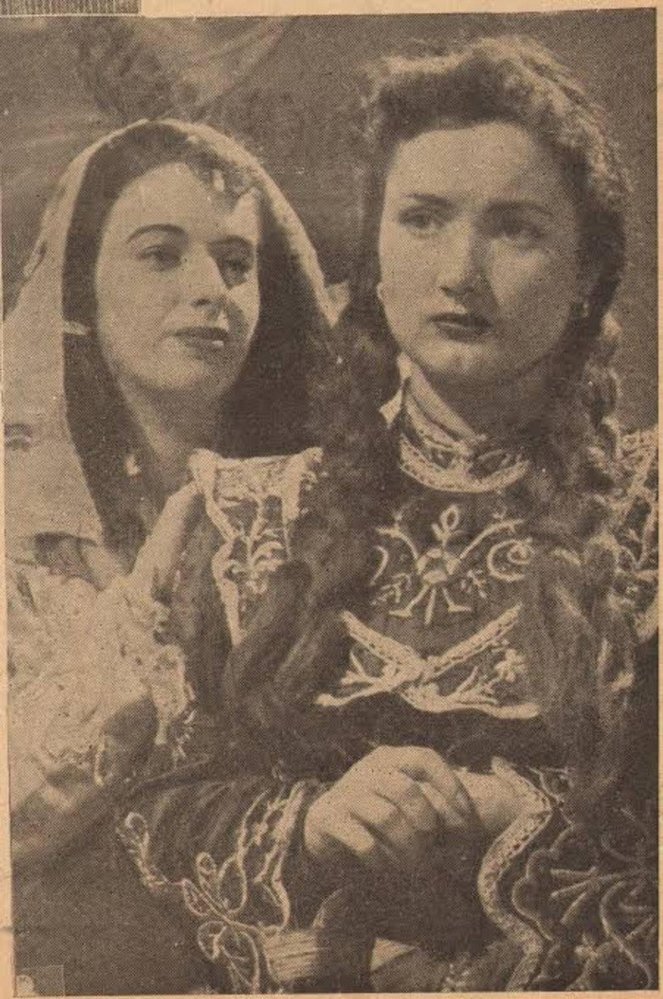 Child of Taurus (Toros Çocuğu) (translated)
- Onüç Kahraman
-
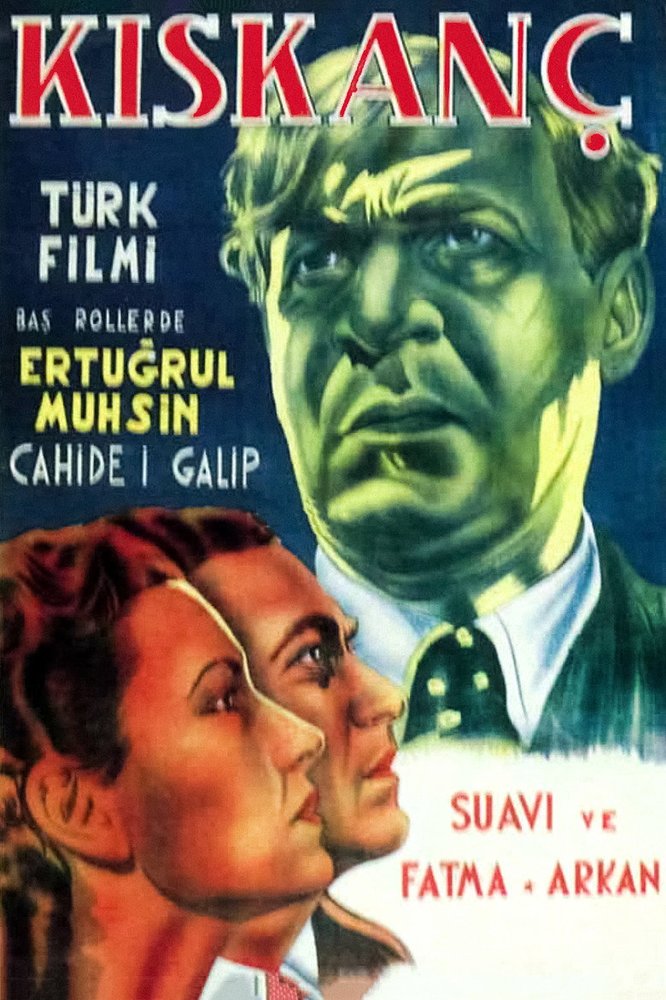 Jealous (Kıskanç) (translated)
-
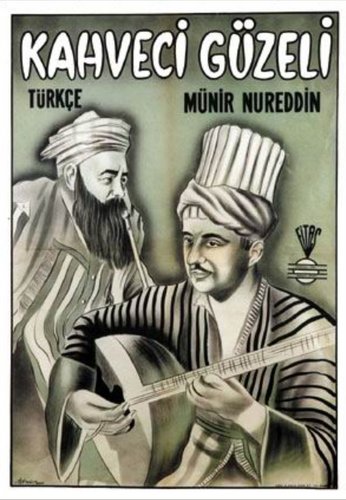 Coffee Shop Beauty (Kahveci Güzeli) (translated)
- Kıvırcık Paşa
- Yılmaz Ali
-
 Victim of Lust (Şehvet Kurbanı) (translated)
- Allah'ın Cenneti
- Milyon Avcıları
- Karım Beni Aldatırsa
- Cici Berber
Cahit Irgat — Biography
Turkish stage and screen actor, voice actor, film director and poet Saffet Cahit Irgat, known as Cahit Irgat, was born in Lüleburgaz on 21 March 1915 and died in Istanbul on 5 June 1971. Born in Lüleburgaz, Kırklareli province, in the last years of the Ottoman Empire — sources also give 1914 and 1916 — he trained at the Edirne Teachers' School.
Irgat joined the Istanbul Municipal Theatre in 1940, moved to the Küçük Sahne company in 1951 and to the State Theatres in 1957, later founded his own Oda Tiyatrosu and in 1962 joined the Dormen Theatre. He entered cinema at the end of the 1930s and, over a career of more than three decades, appeared in well over a hundred films, with Turkish catalogues listing more than 140 roles. He often played figures of authority in historical films: Emperor Constantine in The Conquest of Constantinople (1951), Sultan Selim III in Üçüncü Selim'in Gözdesi (1950) and Count Vespasyo in Barbaros Hayreddin Paşa (1951). Drakula İstanbul'da (1952) and Sabahsız Geceler (1968) are among his other notable films. He also worked as a director.
Irgat is also remembered as a poet still read in Turkish literary circles. From his marriage to the scholar and writer Mîna Urgan he had two children, Mustafa and Zeynep. He died in Istanbul in 1971.
Reactions
You can pick up to 3 reactions.
Comments