

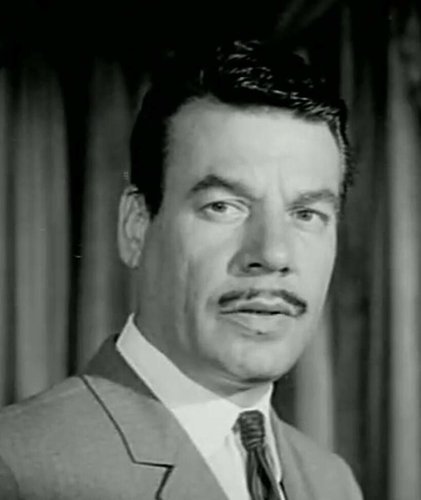
Hulusi Kentmen
Actor · died at 82
Profile
| Age at death | 82 |
|---|---|
| Birth date | January 20, 1911 |
| Birthplace | Veliko Tarnovo |
| Died | December 20, 1993 |
| Place of death | Istanbul |
| Profession | Actor, Non-commissioned officer |
| Zodiac sign | Aquarius |



Filmography / Projects
- Füze Nuri
- Yaşlı Gözler
- Himmet Ağa'nın İzdivacı
-
 Pity (Acımak) (translated)
- Bir İlkbahar Sabahı
-
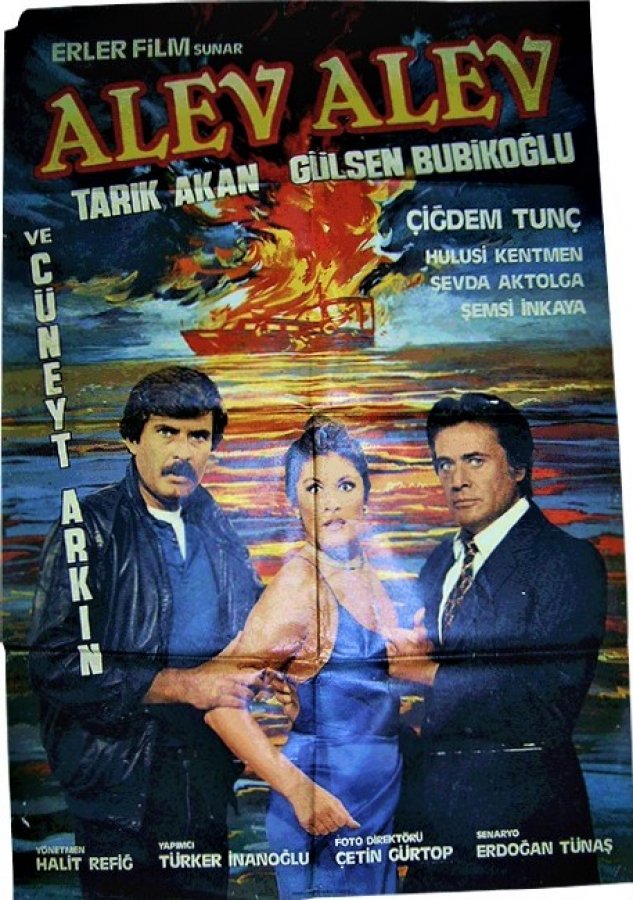 Ablaze (Alev Alev) (translated)
- Berduşlar Sosyetede
- Aunt Adile (Adile Teyze) (translated)
-
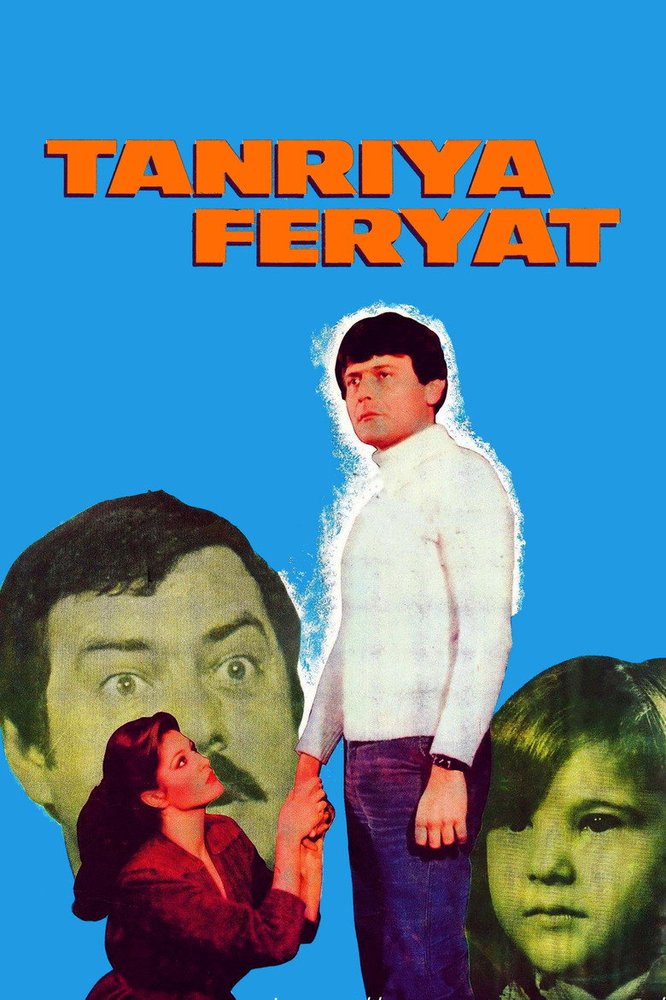 A Cry to God (Tanrıya Feryat) (translated)
- Şıngırdak Şadiye
- İntikam Yemini
- Şaşkın Milyonerler
-
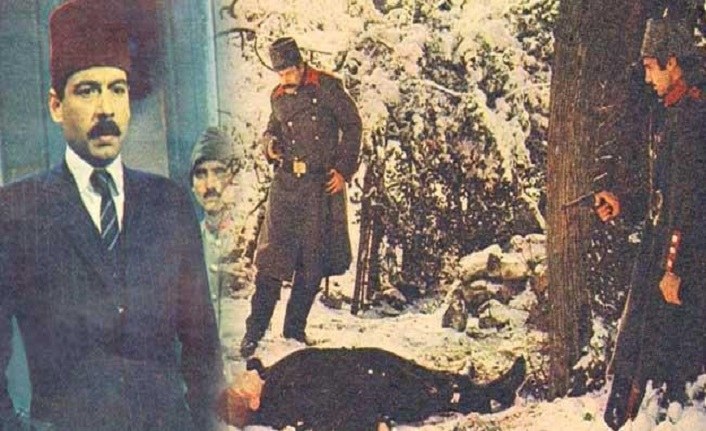 The Weary Warrior (Yorgun Savaşçı) (translated)
-
 The Golden City (Taşı Toprağı Altın Şehir)
- Minik Serçe
- Fadile
- Nokta ile Virgül Paldır Küldür
- Yadeller
- Kanlı Hayat
- Kara Murat: Devler Savaşıyor
-
 Kan Kardeşler
- The Smart Alecks (Sivri Akıllılar) (translated)
- Bizim Kız
- Evlilik Şirketi
-
 So Be It (Öyle Olsun) (translated)
-
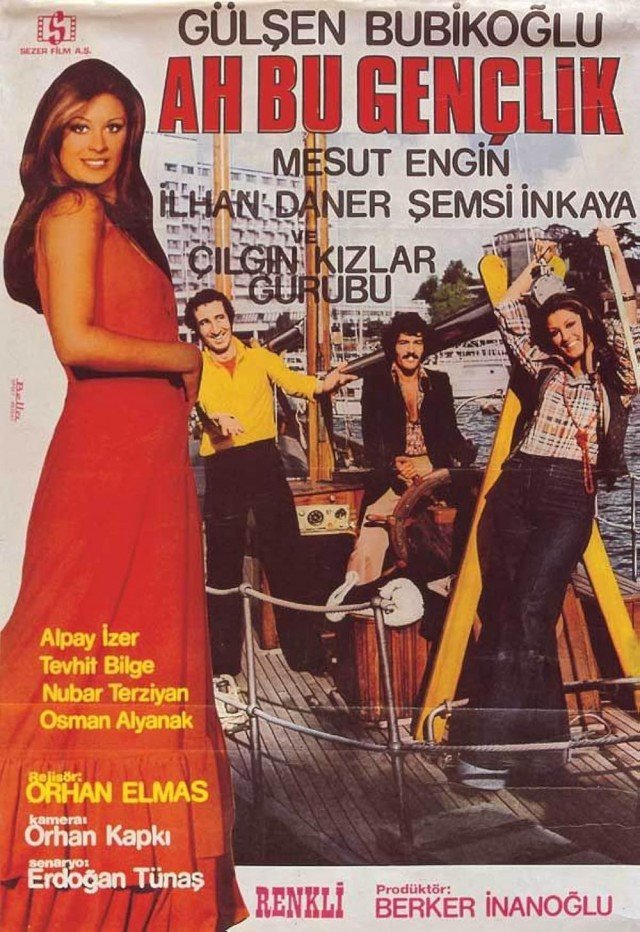 Oh, This Youth!
-
 Gulsah Little Mother (Gülşah Küçük Anne) (translated)
-
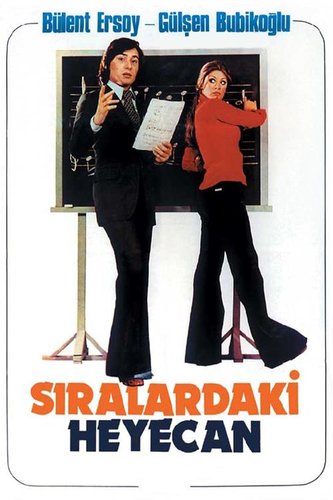 Excitement in the Ranks (Sıralardaki Heyecan) (translated)
- Meraklı Köfteci
- Tuzak
- Her Gönülde Bir Aslan Yatar
- Alev
- Bıktım Her Gün Ölmekten
- Gel Barışalım
-
 Oh, Where? (Ah Nerede) (translated)
-
 Playing House (Evcilik Oyunu) (translated)
-
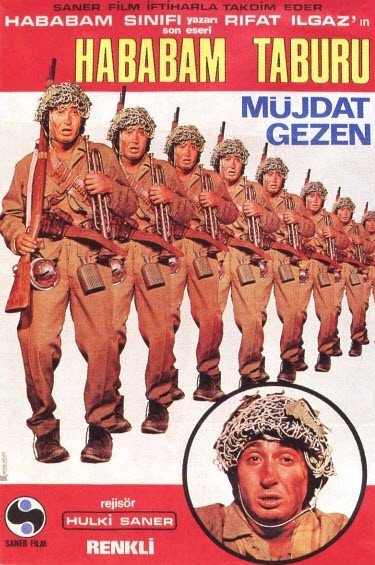 Hababam Battalion (Hababam Taburu) (translated)
-
 The Three Superboys Strike Again (Üç Kağıtçılar)
- Baba Bizi Eversene
- Parasızlar
- Sevgili Halam
- Beş Milyoncuk Borç Verir misin
- Acele Koca Aranıyor
- Haydi Gençlik Hop Hop Hop
- Ateş Böceği
- Delisin
- Çapkın Hırsız
- Minik Cadı
-
 The Shrewd Brothers (Uyanık Kardeşler) (translated)
-
 The Fool Millionaire (Salak Milyoner) (translated)
-
 A Stranger (Bir Yabancı) (translated)
- Özleyiş
- Yüreğimde Yare Var
- 100 Lira ile Evlenilmez
- Yeryüzünde Bir Melek
- Cici Kız
- Veda
- Kara Murat: Ölüm Emri
- Çam Sakızı
- Aşkın Zaferi
- Esir Hayat
- Kaynanam Kudurdu
-
 Oh, That's Fine! (Oh Olsun) (translated)
-
 My Lying Sweetheart (Yalancı Yarim) (translated)
-
 If You Have a Daughter, You Have Problems (Kızın Varmı Derdin Var) (translated)
-
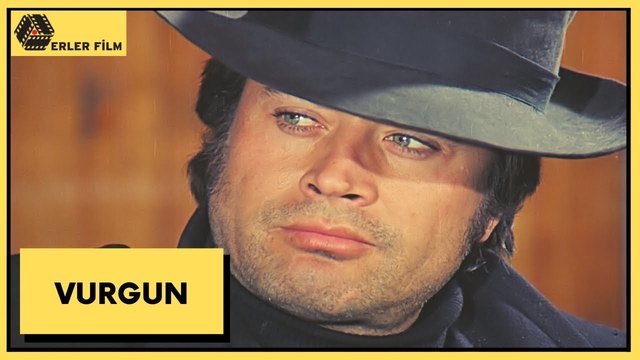 Haul (Vurgun) (translated)
-
 Rogue Brothers (Bitirim Kardeşler) (translated)
- Soyguncular
- Hayat Bayram Olsa
- Aşkımla Oynama
- Ağlıyorum
- Bitirimler Sosyetede
- Öksüzler
- Para
-
 Güllü
-
 Sweet Talker (Tatlı Dillim) (translated)
-
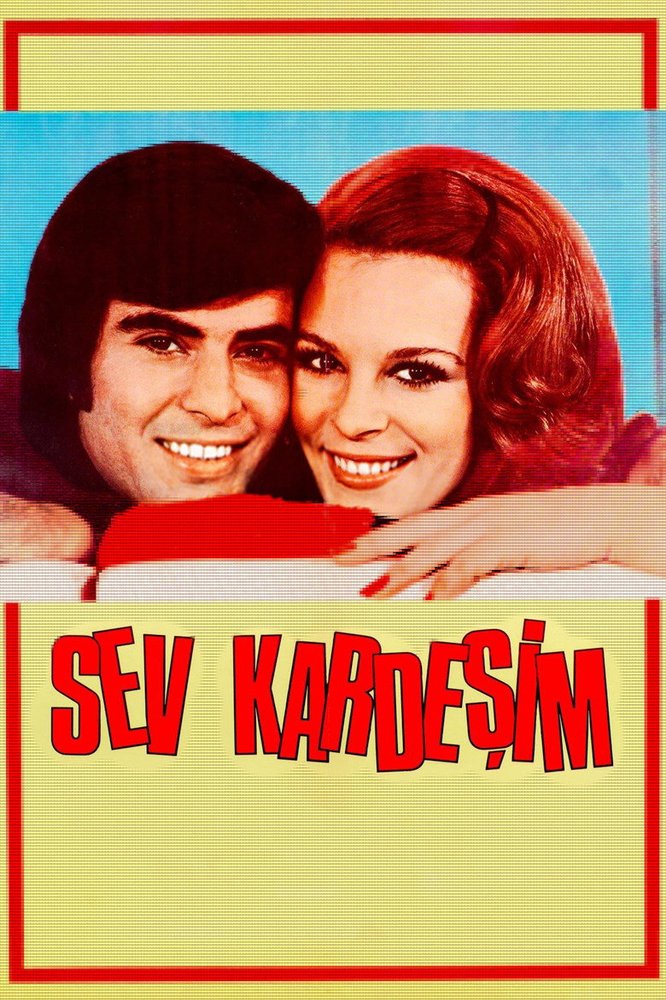 Love, My Brother (Sev Kardeşim) (translated)
-
 The Little Eye-Witness (Yumurcak Küçük Şahit)
-
 I Accuse (İtham Ediyorum) (translated)
- Zehra
- Üç Sevgili
- Ali Baba ve Kırk Haramiler
- Rüyalar Gerçek Olsa
- Gülizar
- Sevgili Hocam
- Afacan Harika Çocuk
- Yirmi Yıl Sonra
- Gönül Oyunu
- Ekmekçi Kadın
-
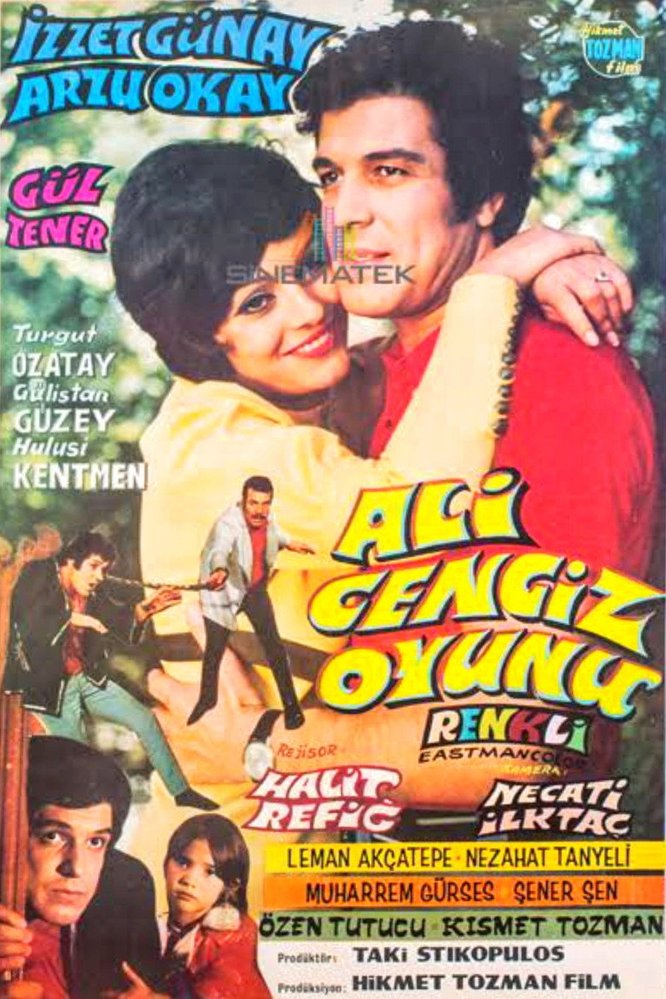 Ali Cengiz Game (Ali Cengiz Oyunu) (translated)
-
 King of Trouble (Belanın Kralı) (translated)
-
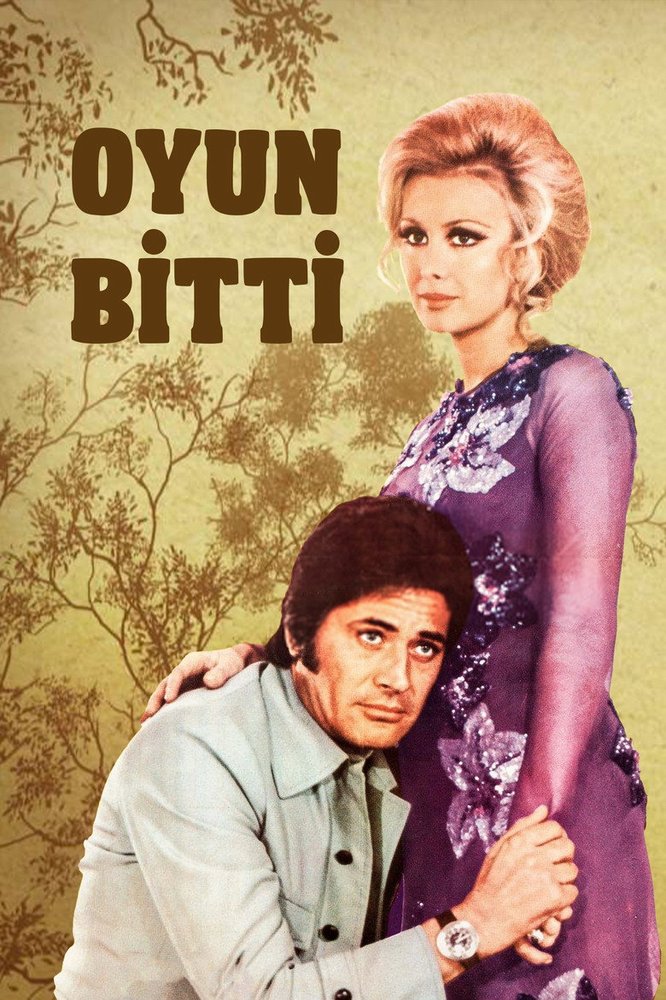 Game Over (Oyun Bitti) (translated)
- Keloğlan
- Bebek Gibi Maşallah
- Ömrümce Unutamadım
- Elmacı Kadın
- Gülüm, Dalım, Çiçeğim
- Satın Alınan Koca
- The Jar-Bottomed World (Kavanoz Dipli Dünya) (translated)
- Kezban Paris'te
- Beklenen Şarkı
- Yumurcağın Tatlı Rüyaları
- Sezercik Yavrum Benim
- Ateş Parçası
- Senede Bir Gün
-
 Beautiful Driver
-
 Street Vendor Girl
-
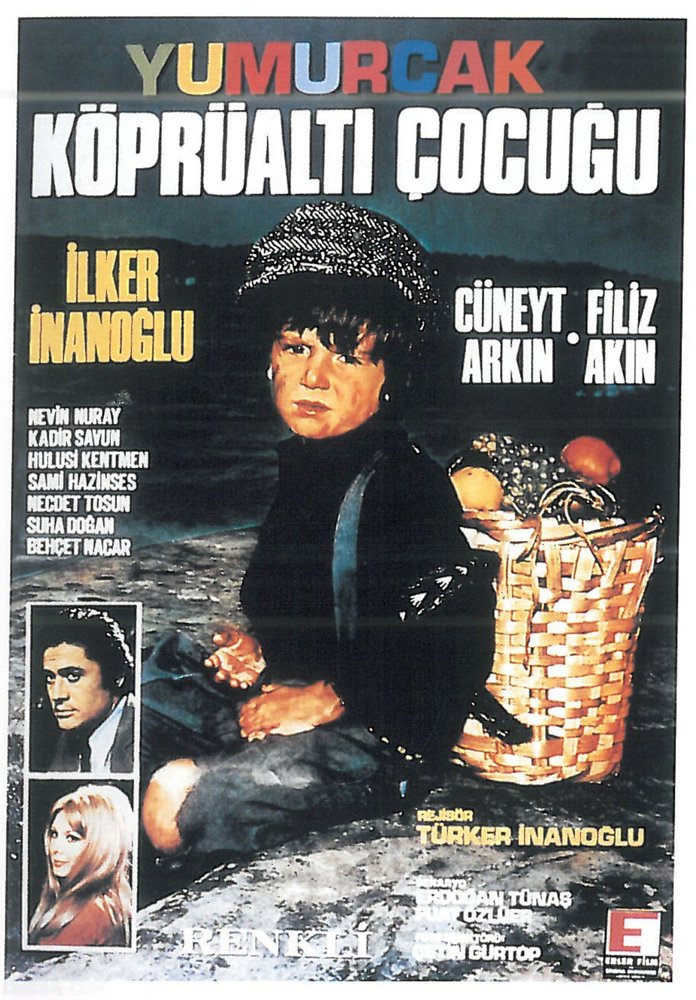 Yumurcak, the Kid from Under the Bridge (Yumurcak Köprüaltı Çocuğu) (translated)
- Afacan
- Söz Müdafaanın
- Sosyete Şakir
- Küçük Hanımın Şoförü
- Kezban Roma'da
- Cilalı İbo Avrupa'da
- Kaçak
-
 Melikshah
-
 Flirtatious Girl (Cilveli Kız) (translated)
- Ateşli Çingene
- Ayşecik Yuvanın Bekçileri
- Altın Kalpler
- Kızım ve Ben
- Boş Çerçeve
- Yumurcak
- Tel Örgü
- Kınalı Yapıncak
-
 Handsome Pickpocket
- Küçük Hanımefendi
- Pranga Mahkumu
- İstanbul Tatili
- Gül ve Şeker
- Kadın Asla Unutmaz
- Yuvana Dön Baba
- Bağdat Hırsızı
- Ağlayan Kadın
- Ringo Kâzım
- Şark Yıldızı
- Osmanlı Kabadayısı
- The Sailors Are Coming (Denizciler Geliyor) (translated)
-
 I'm Feeling Down, Brothers (Efkârlıyım Abiler) (translated)
- Affet Sevgilim
- Kenarın Dilberi
- Ayşecik: Sokak Kızı
- Şoförün Kızı
- Çıtkırıldım
-
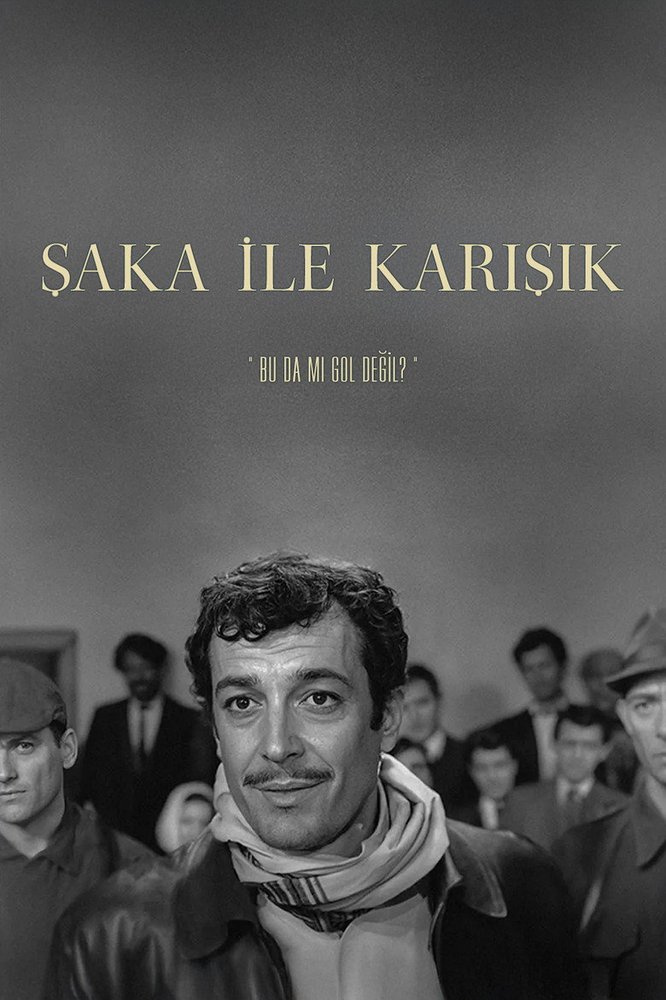 Half in Jest (Şaka ile Karışık) (translated)
- Broken Lives (Kırık Hayatlar) (translated)
-
 Vagabond Lover (Serseri Aşık) (translated)
- Kumarbaz
- Şeker Gibi Kızlar
- Cici Kızlar
- Bilen Kazanıyor
- Kart Horoz
- Sevgili Öğretmenim
- Hıçkırık
- Babasına Bak Oğlunu Al
- Senede Bir Gün
-
 Trees Die Standing (Ağaçlar Ayakta Ölür) (translated)
-
 The Great Vagabond (Muhteşem Serseri)
- Öksüz Kız
- Taşralı Kız
- Affetmeyen Kadın
- Tığ Gibi Delikanlı
- Öp Annenin Elini
- Kimse Fatma Gibi Öpemez
- Öpüşmek Yasak
- Hizmetçi Dediğin Böyle Olur
- Katilin Kızı
- Çanakkale Aslanları
- Bir İçim Su
- Adalardan Bir Yar Gelir Bizlere
- Çapkın Kız
- Küçük Beyin Kısmeti
- Tatlı Sert
- Beyaz Güvercin
- Kendini Arayan Adam
- Adanalı Tayfur
- Badem Şekeri
- Beni Osman Öldürdü
- Şaşkın Baba
- Sayın Bayan
- Yavaş Gel Güzelim
- Bir Hizmetçi Kızın Hatıra Defteri
- Süleymaniyeli Ali
-
 Little Lady in Europe (Küçük Hanım Avrupa'da) (translated)
- Çifte Kumrular
- Ayşecik Yavru Melek
- Lekeli Kadın
- Biz de Arkadaş mıyız?
- Ayşecik Ateş Parçası
- Külhan Aşkı
- Çifte Nikâh
- Beş Hikaye
- Gönül Avcısı
- Aşk Yarışı
- Belalı Torun
- Rıfat Diye Biri
- Zorlu Damat
- Ne Şeker Şey
- Dağlar Bulutlu Efem
-
 The Genial Bandit (Sevimli Haydut)
- The Angels Are My Witnesses (Melekler Şahidimdir) (translated)
- İki Yetime
- Tatlı Günah
- Mahalleye Gelen Gelin
- Benim Küçük Meleğim
-
 Superior to Love (Aşktan da Üstün) (translated)
- Cilalı İbo'nun Çilesi
-
 Little Ayşe (Ayşecik) (translated)
- Ölüm Peşimizde
- Yangın Var
- Kanlı Firar
- Ayşe Kız
- Tayfun
- Aysecik: Şeytan Çekici
- İzmir Ateşler İçinde
- Düşman Yolları Kesti
- Meçhul Kahramanlar
- Gelinin Muradı
- Ebediyete Kadar
- Şimal Yıldızı
-
 Yavuz Sultan Selim Is Crying (Yavuz Sultan Selim Ağlıyor) (translated)
-
 Şaban Among the Gypsies (Şaban Çingeneler Arasında) (translated)
- İki Kafadar Deliler Pansiyonunda
- Efelerin Efesi
- Saz ve Caz
- Bergama Sevdalıları
-
 Barbaros Hayreddin Pasha (Barbaros Hayreddin Paşa) (translated)
- In the Shadow of Zulfiqar (Zülfikârın Gölgesinde) (translated)
-
 Esztergom Castle (Estergon Kalesi) (translated)
-
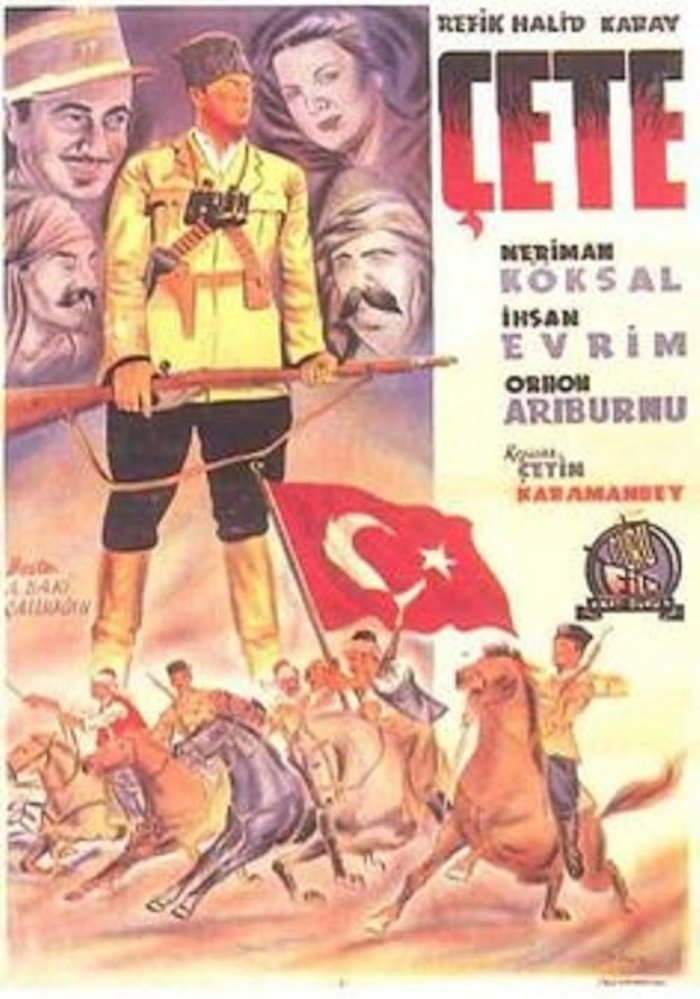 Gang (Çete) (translated)
-
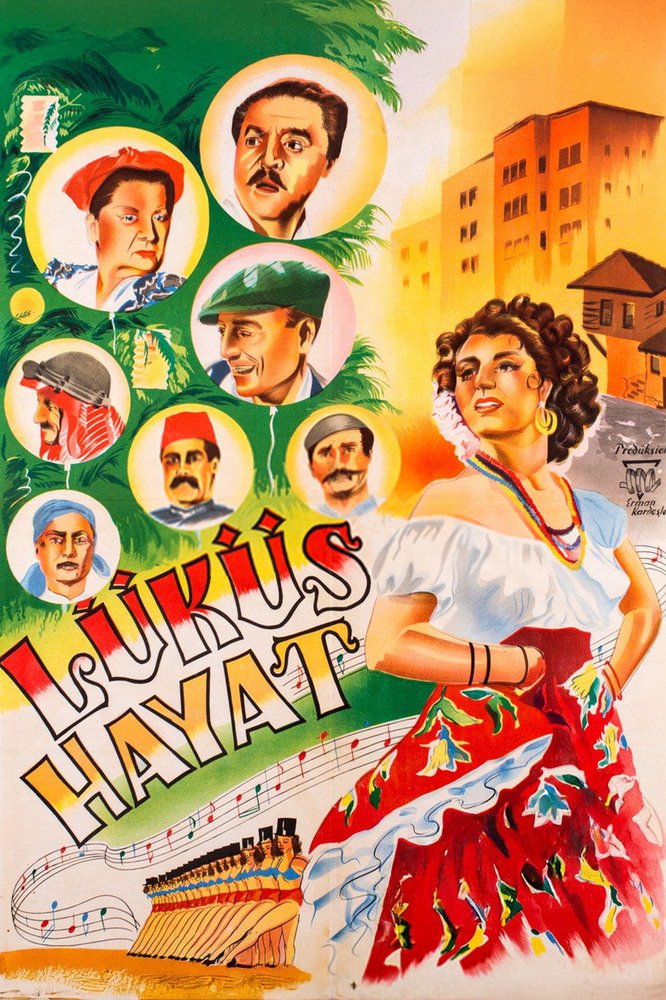 Luxury Life (Lüküs Hayat) (translated)
-
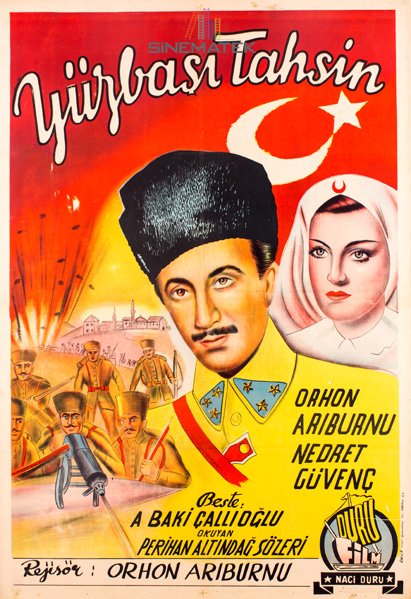 Captain Tahsin (Yüzbaşı Tahsin) (translated)
- Zehirli Şüphe
- Şehitler Kalesi
- Yalan
- Er Meydanı
- Fato: Ya İstiklal Ya Ölüm
-
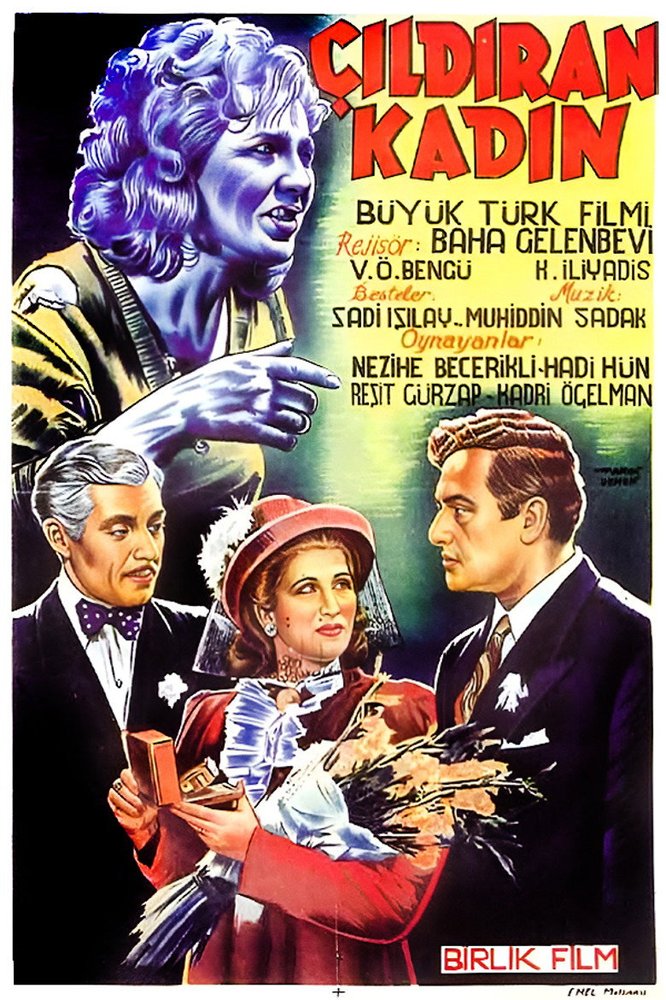 The Mad Woman (Çıldıran Kadın) (translated)
- İstiklal Madalyası
-
 Kerim's Ordeal (Kerim'in Çilesi) (translated)
-
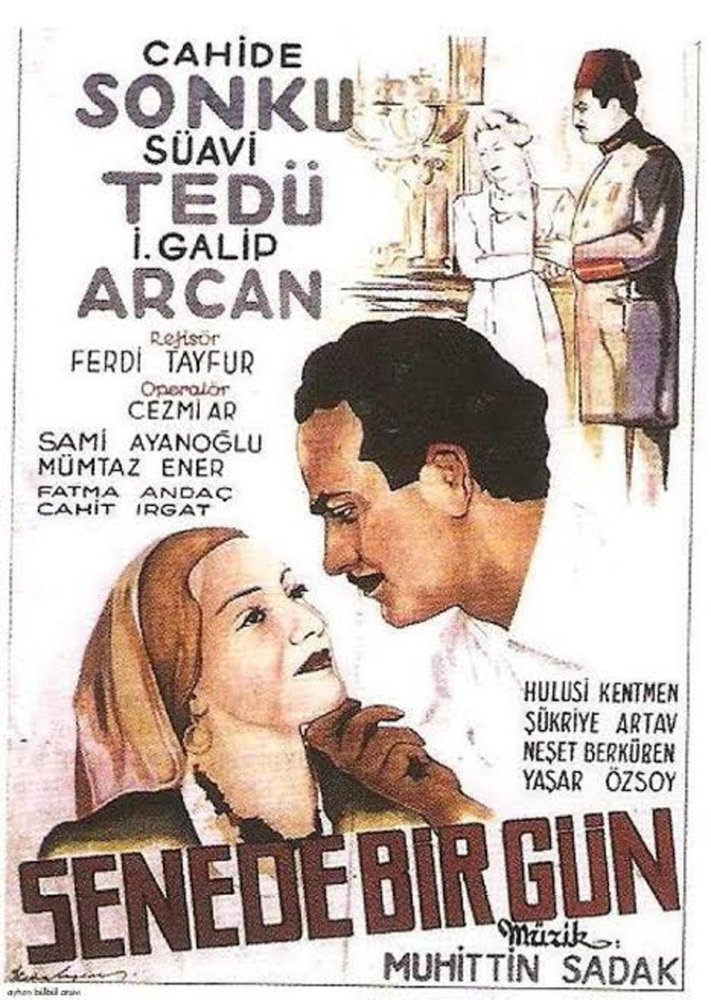 One Day a Year (Senede Bir Gün) (translated)
-
 Köroğlu
-
 Sürtük
-
 Victim of Lust (Şehvet Kurbanı) (translated)
Hulusi Kentmen — Biography
Hulusi Kentmen was born on 20 January 1911 in Tarnovo, Bulgaria, the son of Ali Bey, an official of the Ottoman postal service; his family migrated to Turkey after the Balkan Wars and he spent his childhood on the Gulf of İzmit. While training at the Naval NCO School and later serving as a submarine petty officer, he was diagnosed with tuberculosis in 1933 and, facing discharge, wrote to Atatürk, whose personal physician examined him and certified him fit. In 1937 he was pulled onto a stage at a Kadıköy Halkevi rehearsal when the cast was short an actor, playing Tahir in Hisse-i Şaiya; his talent was spotted by Burhanettin Tepsi, with whom he turned professional at the French Theatre. He kept up both his naval career and acting, with his superiors' tolerance, until leaving the service in 1961. He entered cinema in 1942 with Sürtük and became known through Ferdi Tayfur's Senede Bir Gün (1946); his warm, gruff fatherly type became so familiar that "like Hulusi Kentmen" entered everyday speech. He married Refika Kentmen in 1938, and they had a son, Volkan. He died of heart and kidney failure at Marmara University Hospital on 20 December 1993 and was buried at Karacaahmet Cemetery; Google marked his memory with a dedicated doodle in 2022.
Reactions
You can pick up to 3 reactions.
Comments