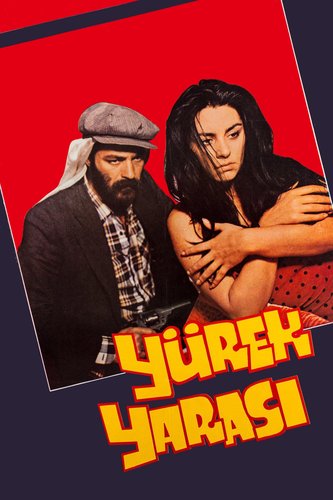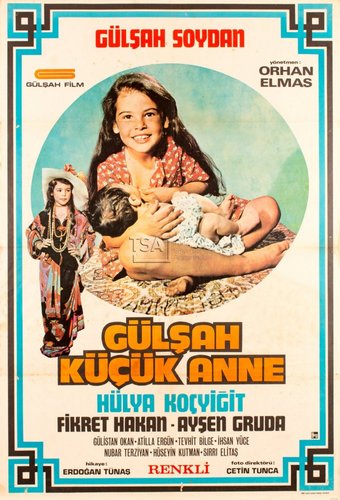
Gulsah Little Mother (Gülşah Küçük Anne)

Gulsah Little Mother (Gülşah Küçük Anne) (translated)

Movie · 1976 · 12 people

Orhan Elmas directed the Yeşilçam film Gülşah Küçük Anne (Gülşah, the Little Mother) in 1976. Combining drama, sentiment and family themes, it tells of a little girl's struggle after being cut off from her family. Hülya Koçyiğit and Fikret Hakan share the lead roles, and young Gülşah is played by Gülşah Soydan. Selim Soydan produced it; it is in colour and runs about 76 minutes.

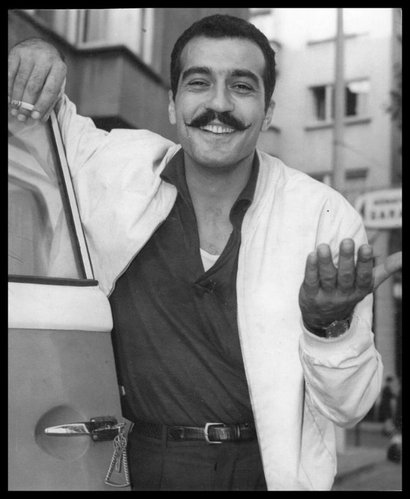
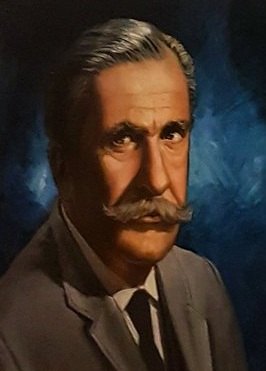
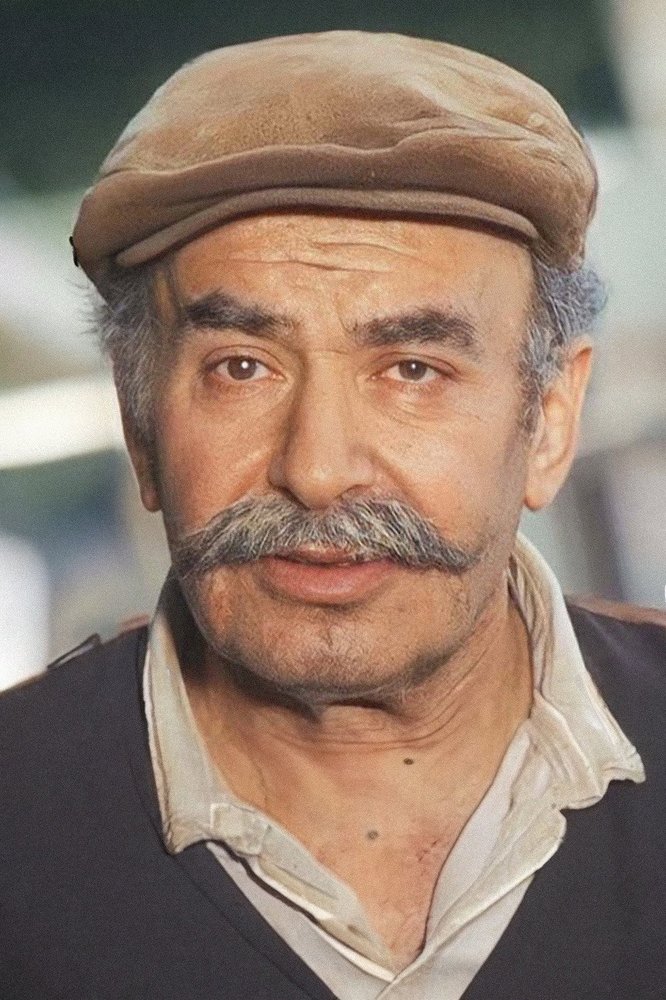
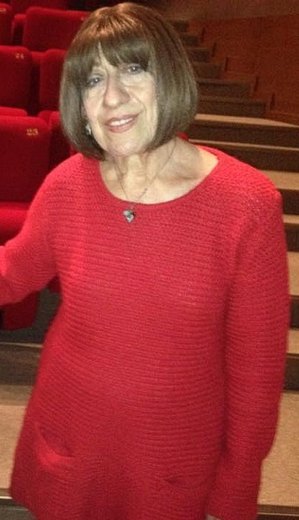
At the start Gülşah is the happy child of her parents. The birth of the family's second child, however, is the beginning of the end for them. Her father Murat leaves his job when he is refused a raise and is accused of killing his employer; among the witnesses is a woman who claims a secret relationship with him. The shattered mother goes to the prison to confront Murat; on the way home, distracted, she is hit by a car and badly injured. The burden of the whole family and the little sibling falls on Gülşah's shoulders. Fikret Hakan plays Murat and Hülya Koçyiğit plays Selma Akova. Gülistan Okan plays the casino singer, Hulusi Kentmen the commissioner and Ayşen Gruda the midwife Hanife.

The screenplay is by Erdoğan Tünaş. The music is by Cahit Berkay and the cinematography by Çetin Tunca. The production company is Gülşah Film.

DirectorOrhan Elmas
Production companyGülşah Film

Reactions

You can pick up to 3 reactions.
Cast

Through different eyes

Yeşilçam Nostalgic A viewer raised on the classics, looking for warm storytelling and strong acting.

You could never watch the little-hero films of the seventies without shedding a tear, and Gülşah Küçük Anne is a heartfelt example of that tradition. Hülya Koçyiğit's acting, which carries grief without overdoing it, Fikret Hakan's dignified presence and familiar faces such as Hulusi Kentmen and Ayşen Gruda take one straight back to those cinemas. Cahit Berkay's music wraps the emotion beautifully. Erdoğan Tünaş's story, about a child shouldering responsibility where a family falls apart, recalls old virtues like loyalty and sacrifice. Its short running time keeps the telling tidy.

Family Viewer Asks whether the whole household can watch it; cares about humour and heart.

This film shows family love through a child's eyes, but it is a heavy story. A father accused of murder, a mother hit by a car and a little girl left carrying the household can upset young children. What really makes it demanding is the emotional weight it carries. It's better watched with grandparents and somewhat older children, talking it through together.

History & Society Lens Asks about the period, the social background and what the work reflects.

The film indirectly shows how fragile a working-class family was in 1970s Turkey: a father who quits his job after being refused a raise sees the whole family's balance collapse after a single false accusation. The state's face appears through the commissioner and the judge, the neighbourhood's through the midwife Hanife. Most striking is the transfer of adult burdens onto a child; this pattern, common in the melodrama of the period, also touches the reality of families with little social security. Yet by stacking disaster upon disaster, the story ties the issue to tears rather than analysis.

These are not reader reviews: they are short editorial takes written from different viewer perspectives with AI assistance. Reader reviews are below.

Reviews (0)

Log in Log in to write a review.

Comments