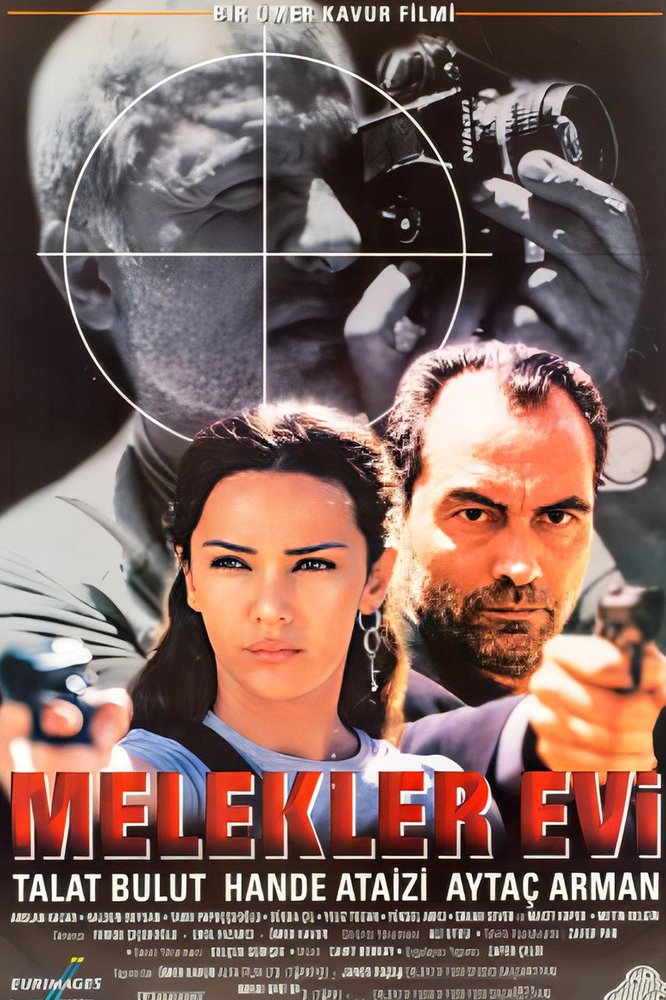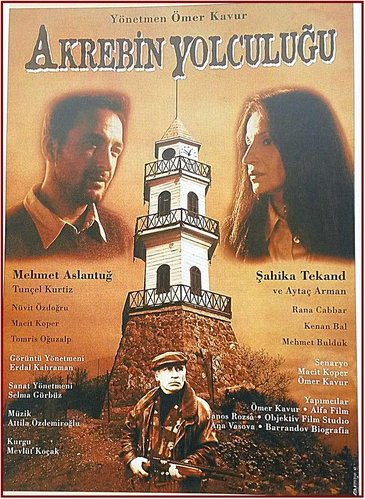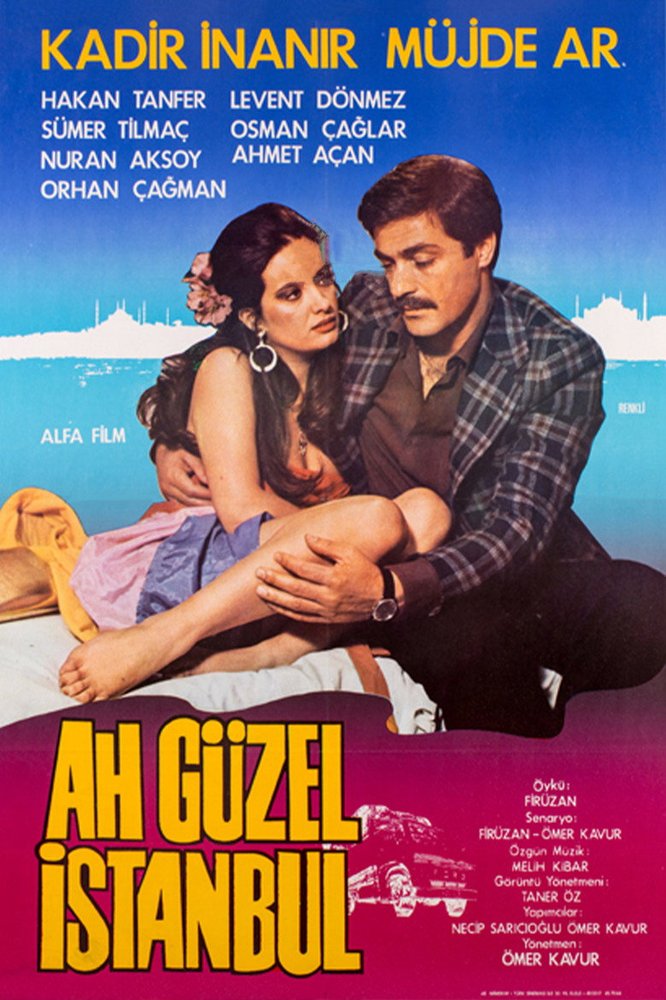
Oh, Beautiful Istanbul! (Ah Güzel İstanbul)

Oh, Beautiful Istanbul! (Ah Güzel İstanbul) (translated)

Movie · 1981 · 16 people

Ömer Kavur's Ah Güzel İstanbul, a Turkish film from 1981, is a drama of love under poverty. It is adapted from Füruzan's work of the same name, and Füruzan and Kavur wrote the screenplay together. Shot on 35 mm, it runs about 90 minutes and opened on 1 November 1981. Kadir İnanır and Müjde Ar play the leads.

Kamil makes his living as a long-distance driver. At a brothel he visits with friends he meets Cevahir, falls for her and rents a home for her. They want to marry, but their economic situation does not allow it. Wanting a better life, Kamil accepts a friend's smuggling offer. The illegal work improves things a little. He comes back from Mardin, where he went to pick up contraband, with fabric for a wedding dress. But Cevahir, worn down by waiting for him, leaves the house before dawn.

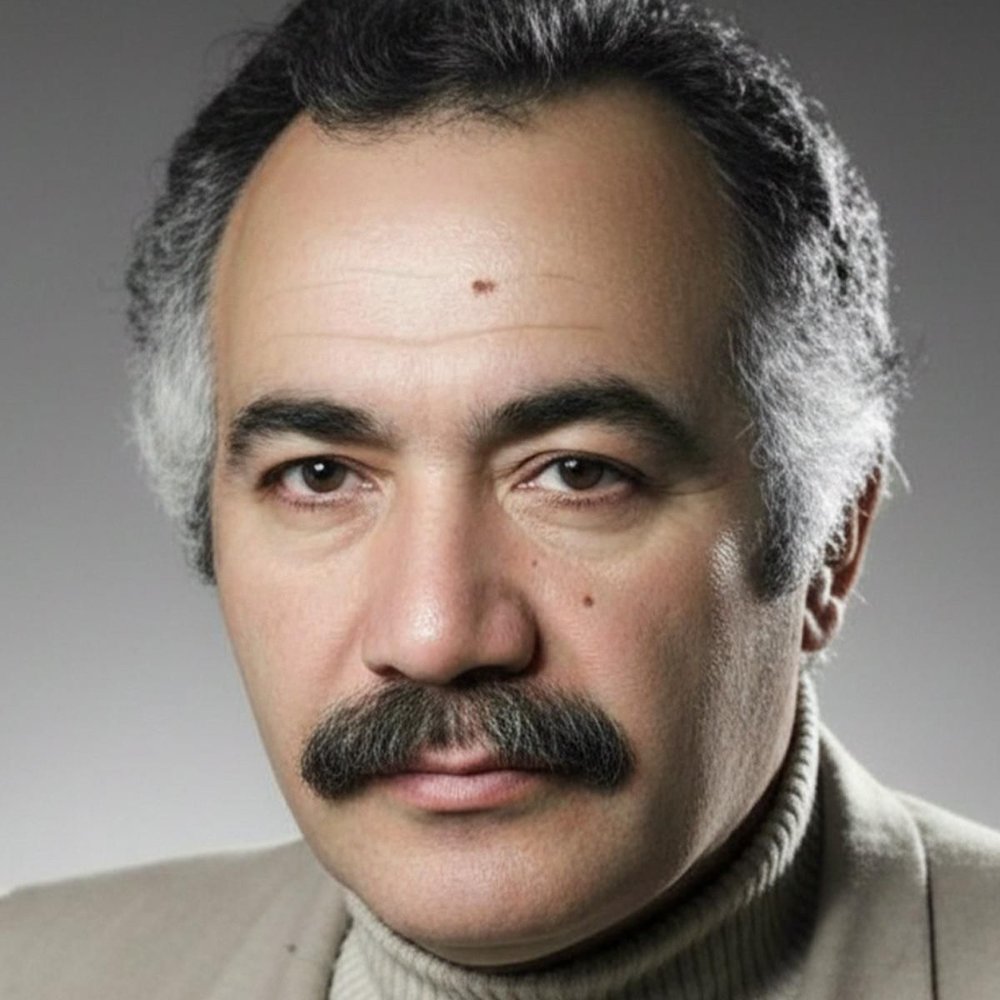
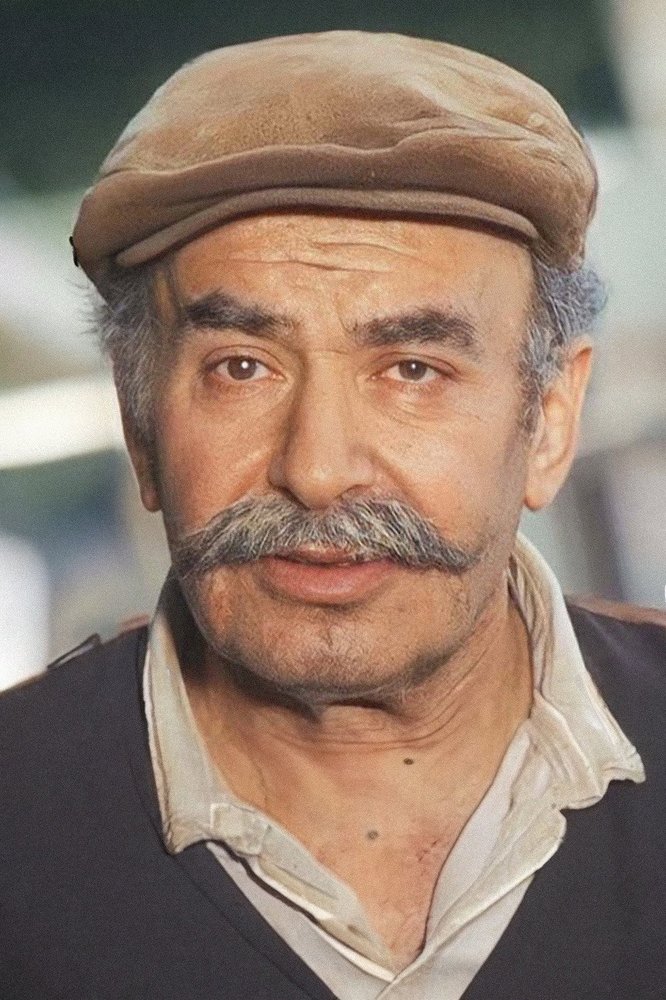
Kadir İnanır plays Kamil and Müjde Ar plays Cevahir. Levent Dönmez is Cengiz and Sümer Tilmaç is Erol, while Diler Saraç and Aydan Burhan play neighbours. Sadık Deveci and Kavur produced the film for Alfa Film. The music is by Melih Kibar, the cinematography by Taner Öz and the editing by Turgut İnangiray.

DirectorÖmer Kavur
Production companyAlfa Film

Reactions

You can pick up to 3 reactions.

Cast
Through different eyes

Yeşilçam Nostalgic A viewer raised on the classics, looking for warm storytelling and strong acting.

Bringing a story from Füruzan's pen together with Ömer Kavur's cinema, this film offers a portrait of poverty quite unlike Yeşilçam's tearful melodramas. Kamil and Cevahir, played by Kadir İnanır and Müjde Ar, are not types crushed by fate but ordinary people trying to love amid economic helplessness. Melih Kibar's music accompanies that fragile love. Anyone expecting the warm consolation of a classic Yeşilçam romance may find the film sad, even a little cold; but for those who love cinema nourished by literature, it is a valuable adaptation.

History & Society Lens Asks about the period, the social background and what the work reflects.

The film depicts a world in early-1980s Turkey where even getting married could become an economic luxury. Kamil, a long-distance driver, accepting a smuggling offer for a better life shows, without passing judgement, how poverty pushes people outside the law. The contraband route reaching to Mardin is also a reminder of the invisible economic ties between those living on the edges of Istanbul and the east of the country. Cevahir, trying to build a new life after the brothel, is a quiet critique of the narrow spaces society allots to women. The class sensitivity of Füruzan's writing carries over into the film.

Cinephile Looks at script, editing and directing choices; keeps a distance from formula films.

In an adaptation, having the author co-write the screenplay is not always an advantage, but here the partnership of Füruzan and Ömer Kavur preserves the heart of the story: poverty is not a backdrop but the real force behind every decision the characters make. Taner Öz's cinematography, Turgut İnangiray's editing and Melih Kibar's music make a strong team. In my view the film's weak point is that Kamil's road-and-smuggling line and Cevahir's waiting run like two separate films; the passages between those two strands could have been tied together more tightly. Even so, by refusing melodrama's easy consolation, it stands in a singular place in the Turkish cinema of its time.

These are not reader reviews: they are short editorial takes written from different viewer perspectives with AI assistance. Reader reviews are below.

Reviews (0)

Log in Log in to write a review.

Comments