

Profile
| Age at death | 77 |
|---|---|
| Birth date | April 15, 1949 |
| Birthplace | Fatsa, Ordu |
| Died | June 26, 2026 |
| Profession | Film actor, Television actor, Screenwriter, Film director |
| Zodiac sign | Aries |
| Nationality | Turkish |
| Place of death | Istanbul |
| Education | Haydarpaşa High School |
In the rankings


Filmography / Projects
-
-
-
- Snowdrop (Kardelen) (translated)
- Son Cellat
- Reckless Recep (İpsiz Recep) (translated)
-
- Road of Torment (Azap Yolu) (translated)
- Sinema Bir Mucizedir
- All My Children (Bütün Çocuklarım) (translated)
-
- Broken Mirror (Kırık Ayna) (translated)
-
- Derman Bey
-
-
-
-
- Umut Hep Vardı
- Aldatacağım
- Ah... Gardaşım
-
-
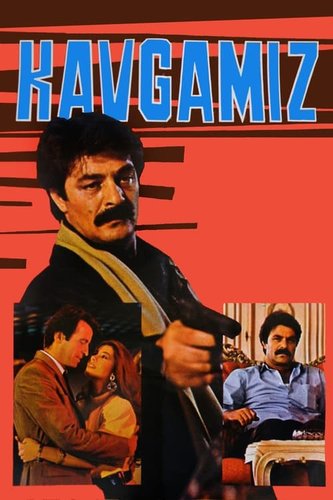
- Tatar Ramazan
- Darbe
- Sayın Başkan
- Eskici ve Oğulları
-
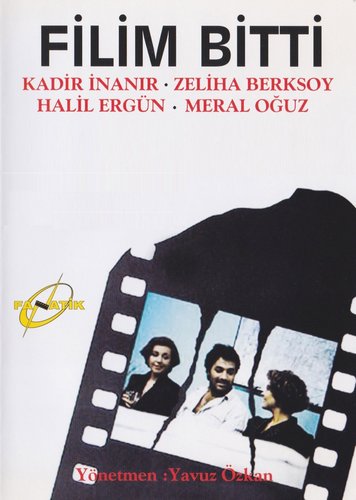
-
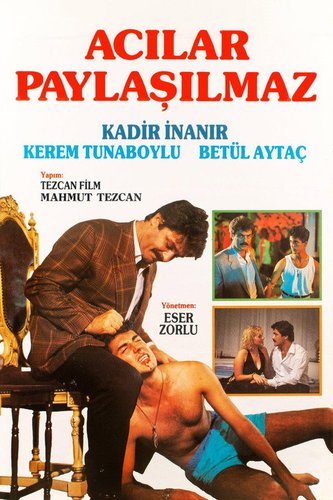
- Tidal Views (Medcezir Manzaraları) (translated)
- Emanet
- Yedi Uyuyanlar
- Bir Bey'in Oğlu
- The Man Without a Tomorrow (Yarınsız Adam) (translated)
-
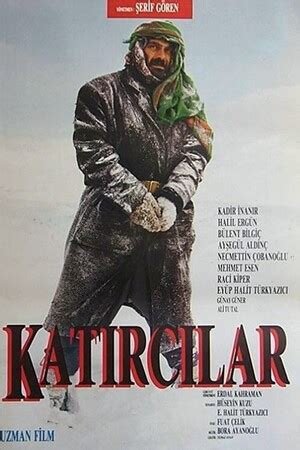
-
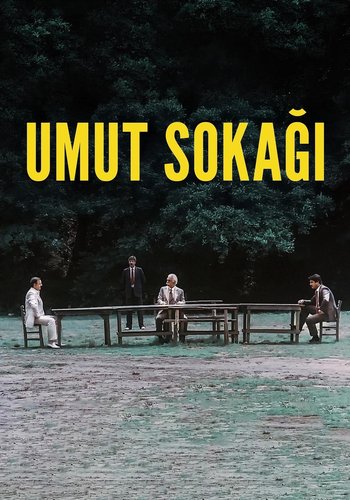
- 72. Koğuş
- Küçüğüm
- Menekşeler Mavidir
- Sen De Yüreğinde Sevgiye Yer Aç
- Bridge to the Sun (Güneşe Köprü) (translated)
-
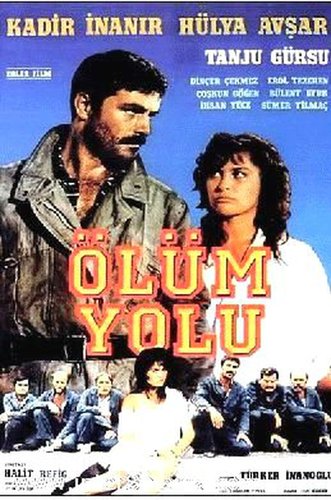
- I Will Cry Tomorrow (Yarın Ağlayacağım) (translated)
-
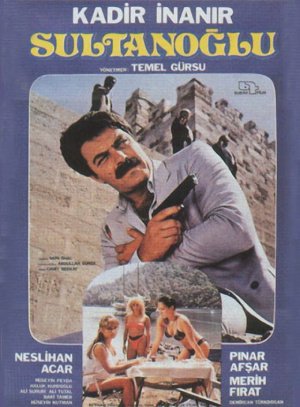
-
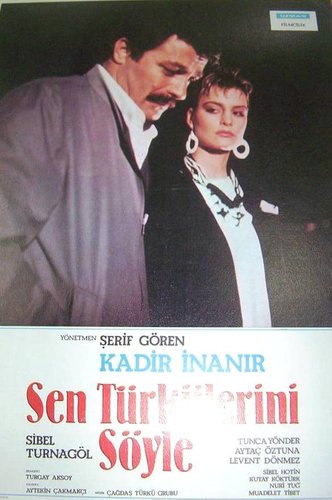
-
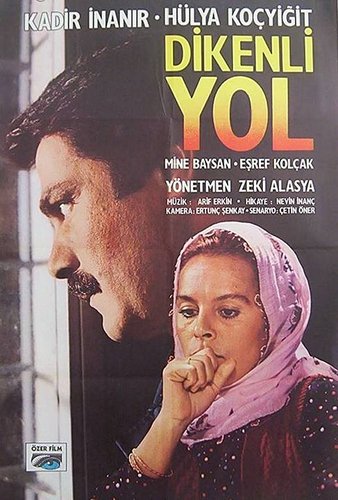
-
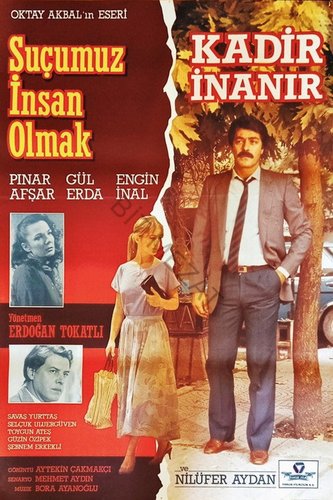
- Hayat Köprüsü
- Sevgi Çıkmazı
-
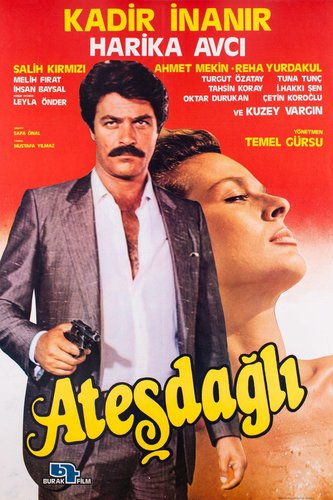
- Summer Is Over (Yaz Bitti) (translated)
-
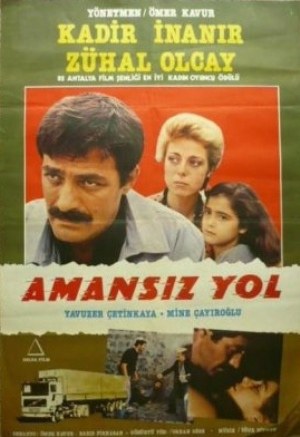
-
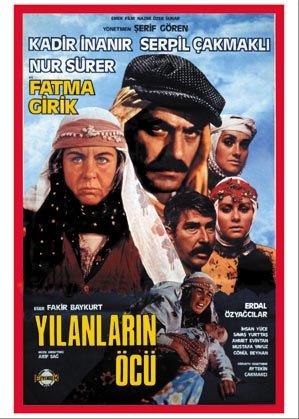
- Seyyid
-
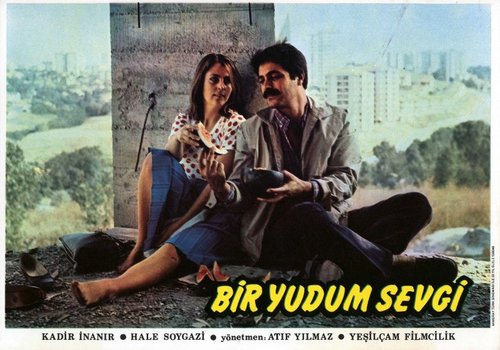
- Emperor (İmparator) (translated)
- The Price (Bedel) (translated)
- Balayı
- Yabancı
- Güneş Doğarken
-
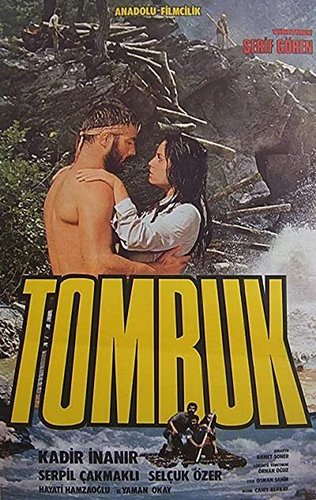
- Kurban
-
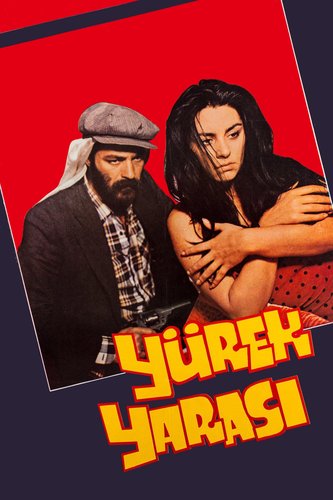
-
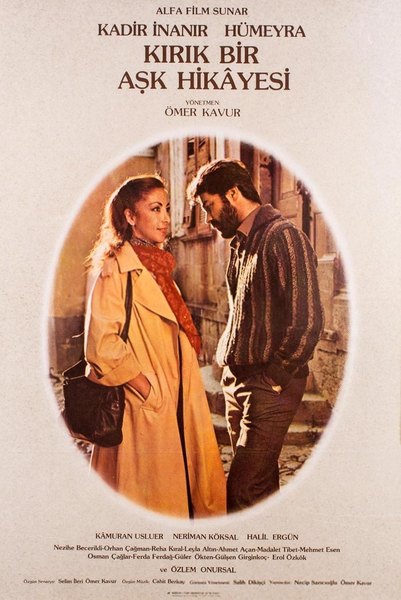
-
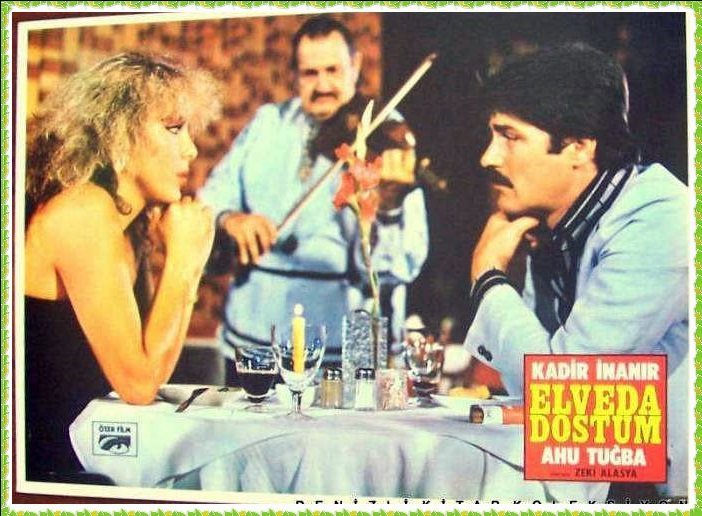
- Aşkların En Güzeli
-
- Doctor (Doktor) (translated)
-
-
-
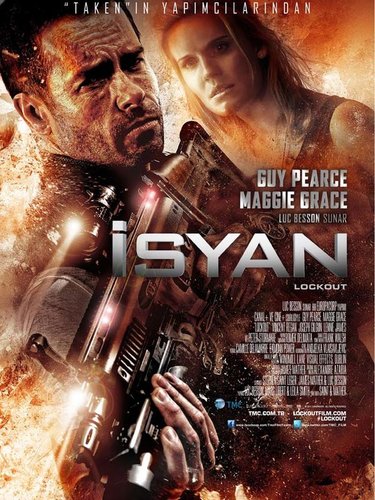
- İstanbul 79
-
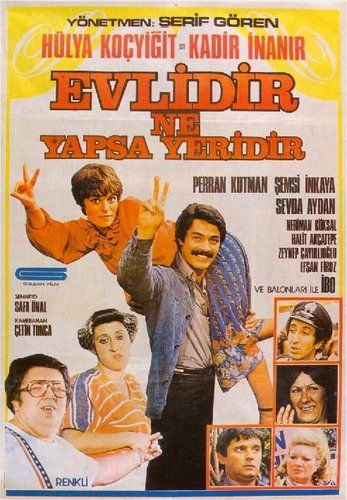
-
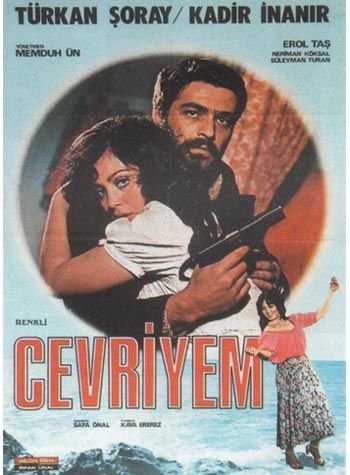
-
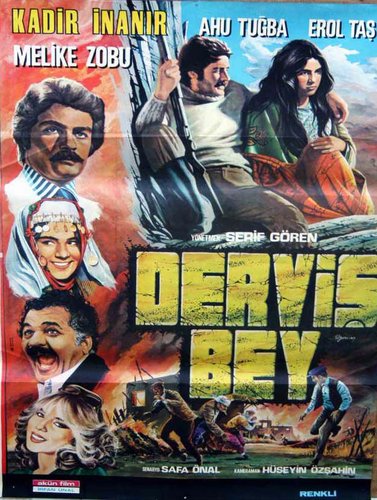
- Düzen
-
-
-
-
-
-
-
- Earthquake (Deprem) (translated)
-
-
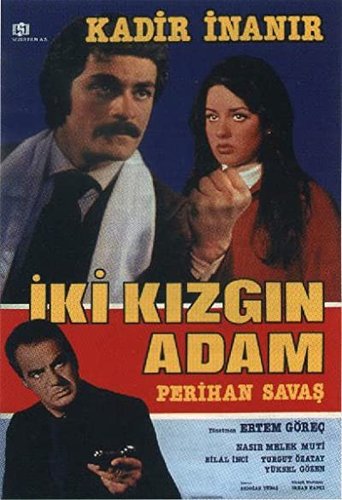
-
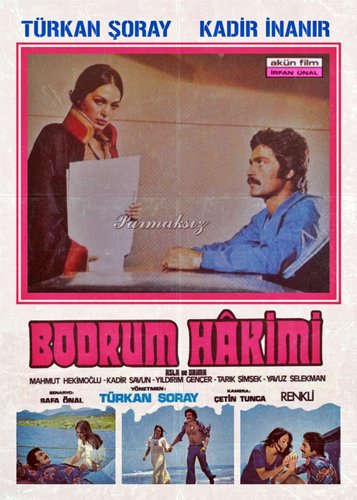
-
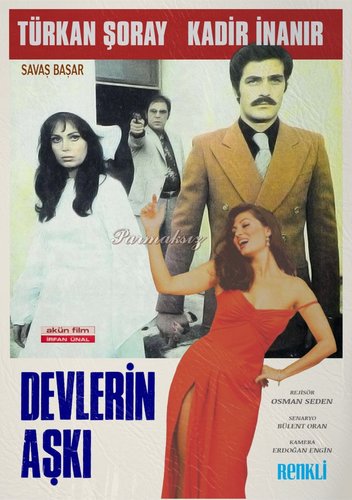
- Delicesine
- Alev
- Taksi Şoförü
- Silahlara Veda
-
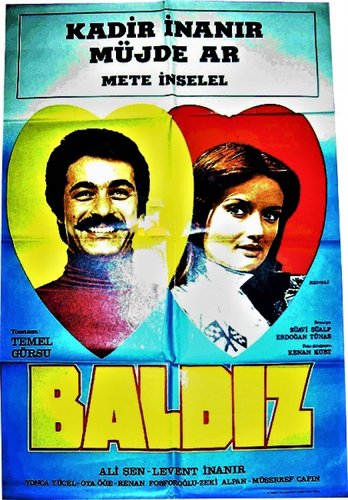
-
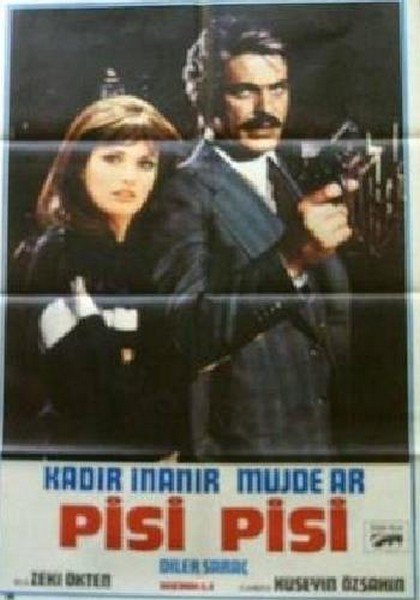
- Köprü
- Punishment (Ceza) (translated)
-
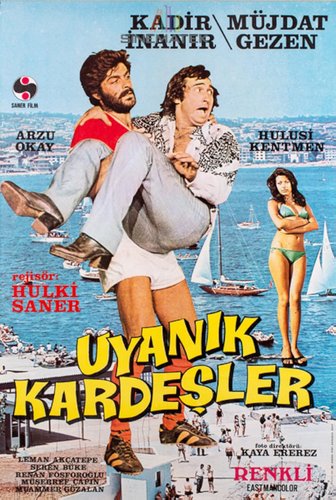
-
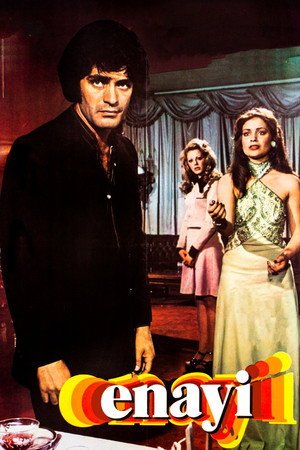
-
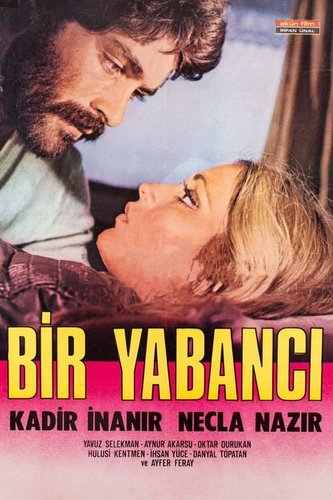
-
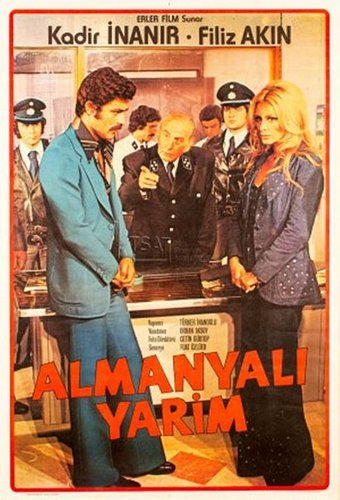
-
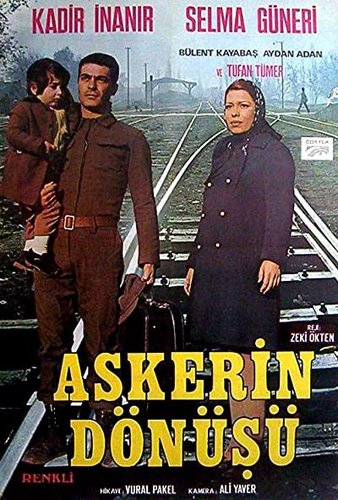
- Sahipsizler
- Yazık Oldu Yarınlara
- Sensiz Yaşanmaz
-
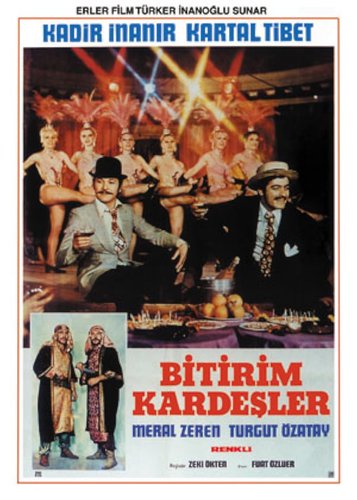
- Anatolian Express (Anadolu Ekspresi) (translated)
- Ezo Gelin
- Arap Abdo
- Ölüme Koşanlar
- Yaban
- Kambur
- Hayat Bayram Olsa
- Kadifeden Kesesi
- Gazi Kadın
- Bitirimler Sosyetede
- Paprika Gaddar'ın Aşkı
-
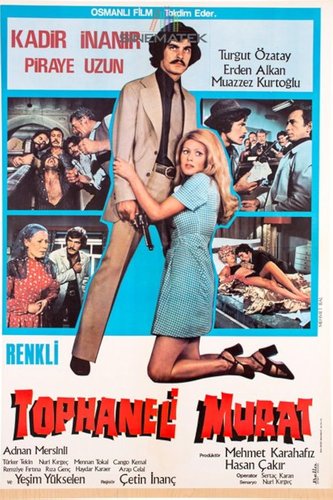
-
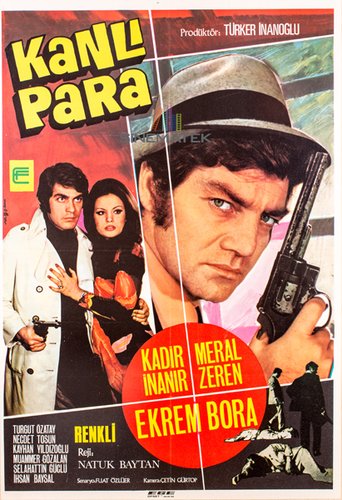
-
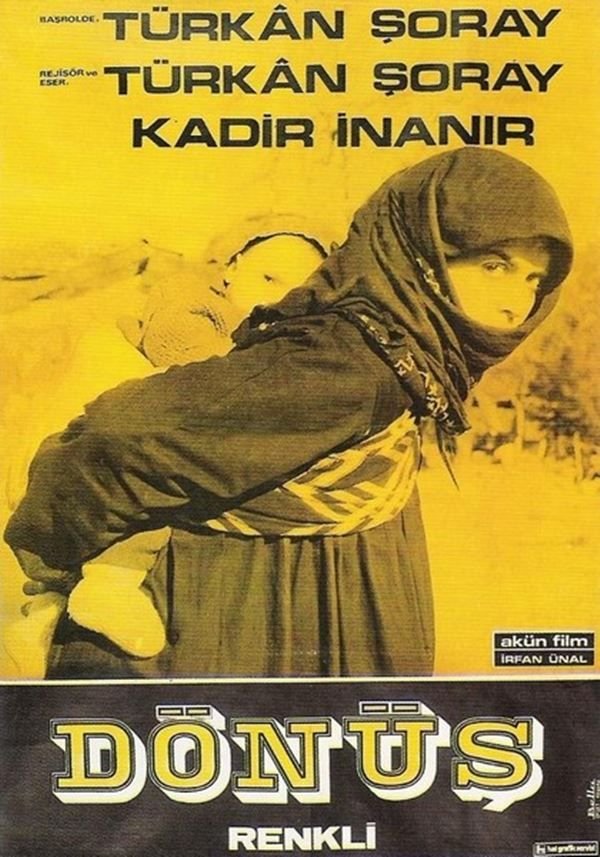
- Utanç
- Leyla ile Mecnun
- Kopuk
- Uçurum
- Baskın
- Vur
-
- Mualla
- Unutulan Kadın
- Aslanlar Kükreyince
- Kara Gün
- Üç Arkadaş
-
-
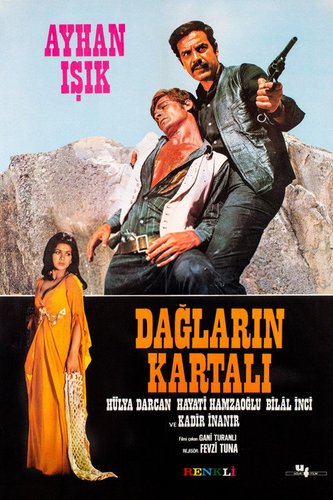
-
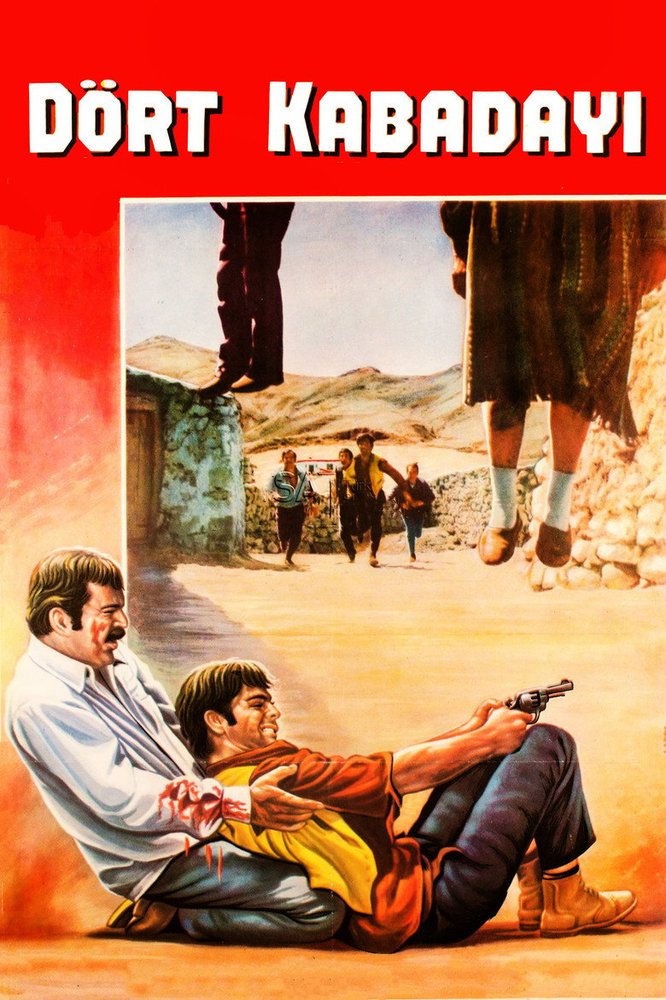
-
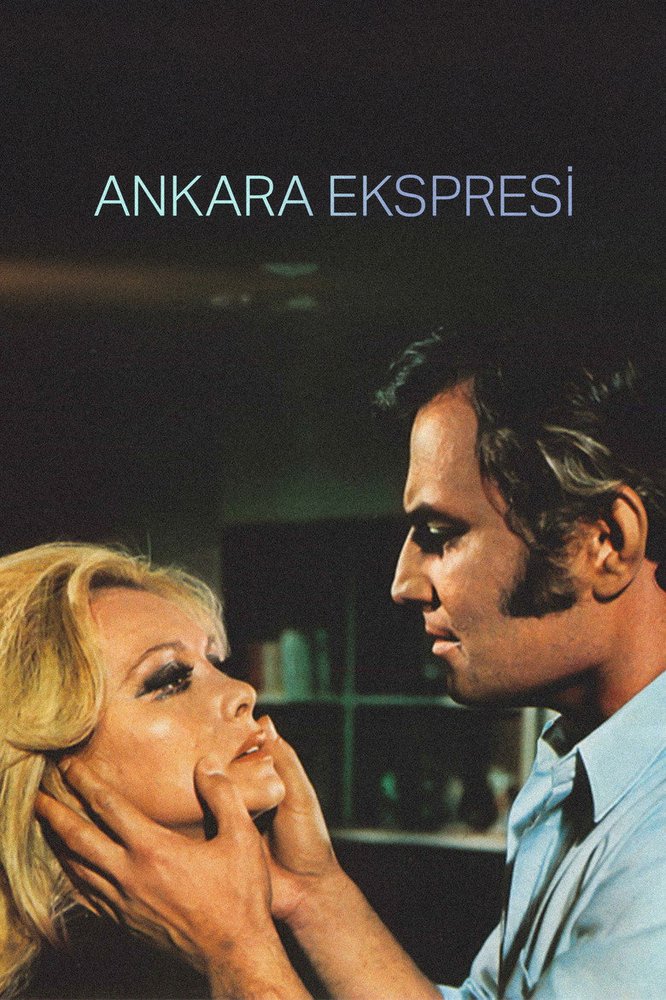
- Meçhul Kadın
- Yemen'de Bir Avuç Türk
-
- Fato: Ya İstiklal Ya Ölüm
- Çılgınlar Cehennemi
- Ayşecik Fakir Kızın Romanı
- Yedi Adım Sonra
- Kumcu Ali Yaşar
- Dertli Gönlüm


Kadir İnanır — Biography
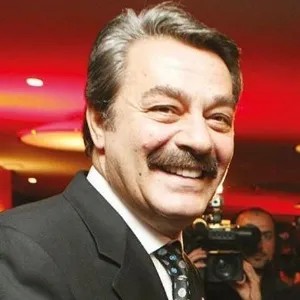
Kadir İnanır's life ran from April 15, 1949, in Fatsa, Ordu, to June 26, 2026, in Istanbul, and he worked in Turkish film and television as an actor, director and screenwriter. Born in Fatsa on the Black Sea coast as the youngest child of a large family, he became one of the best-known leading men of the last great generation of Yeşilçam.
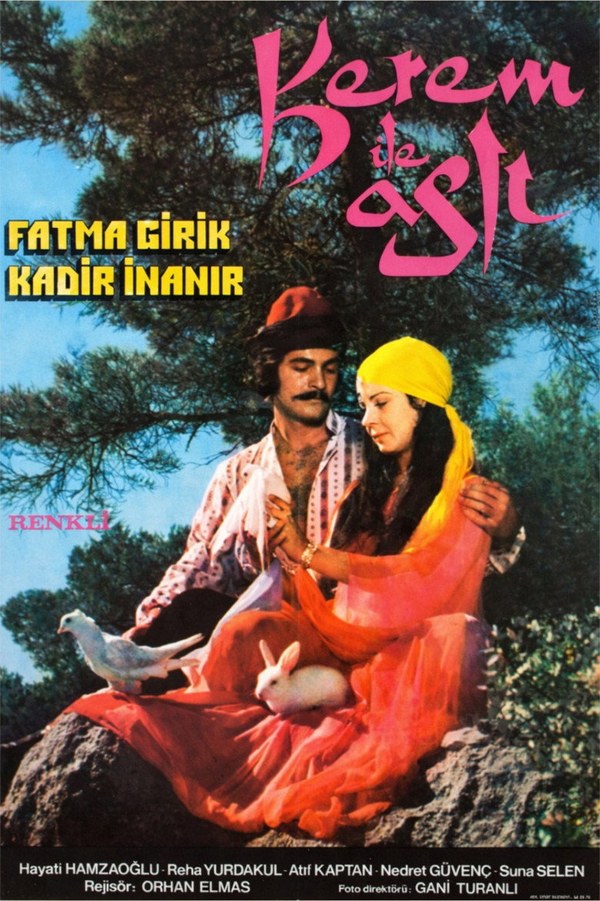
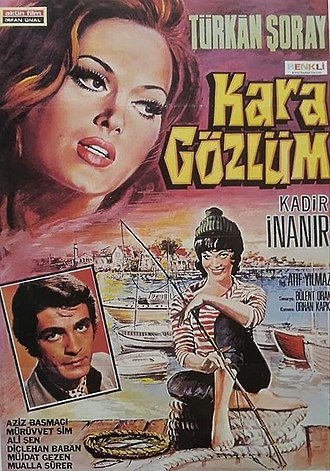
He completed his primary and secondary schooling in Fatsa, showing his interest in acting early by taking part in school performances. He continued his education in Istanbul at Haydarpaşa High School and then studied at Istanbul University's Faculty of Journalism and Public Relations. He entered the cinema at the end of the 1960s and quickly came to the fore as a leading man, becoming known through films such as Kara Gözlüm (1970) and Kerem İle Aslı (1971).
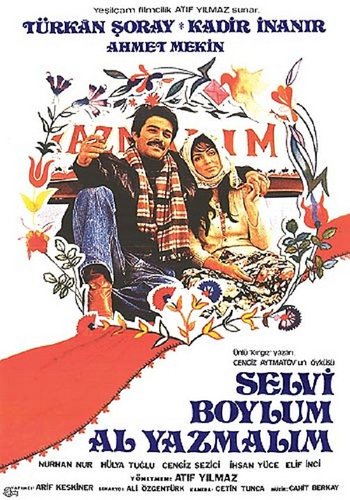
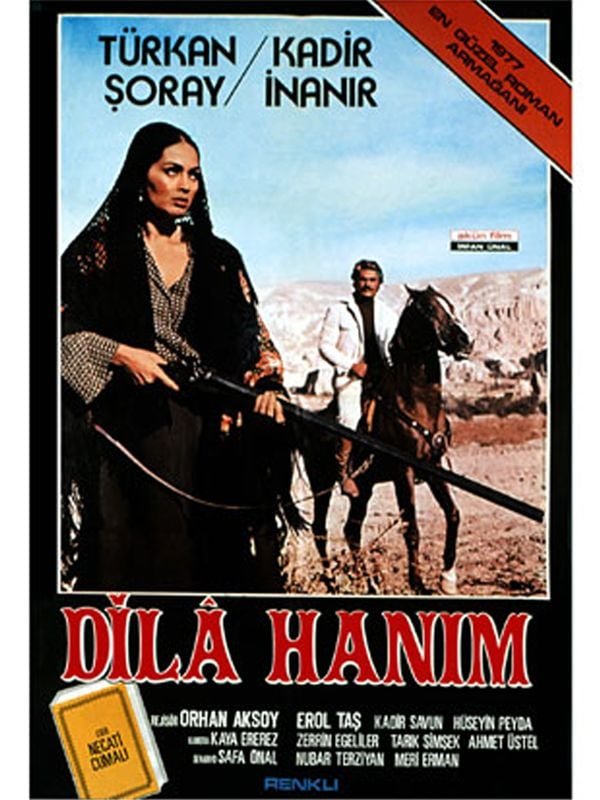
The 1970s were his most productive period. Alongside productions such as Baldız (1975) and Cevriyem (1978), the role of İlyas that he played in Selvi Boylum Al Yazmalım (1977) became the turning point of his career and one of the most remembered characters in Turkish cinema. The many films he made together with Türkan Şoray formed one of the best-known screen partnerships of the era.
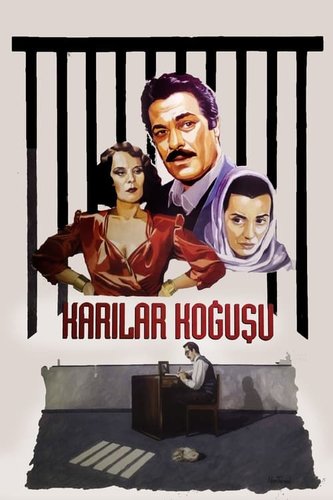
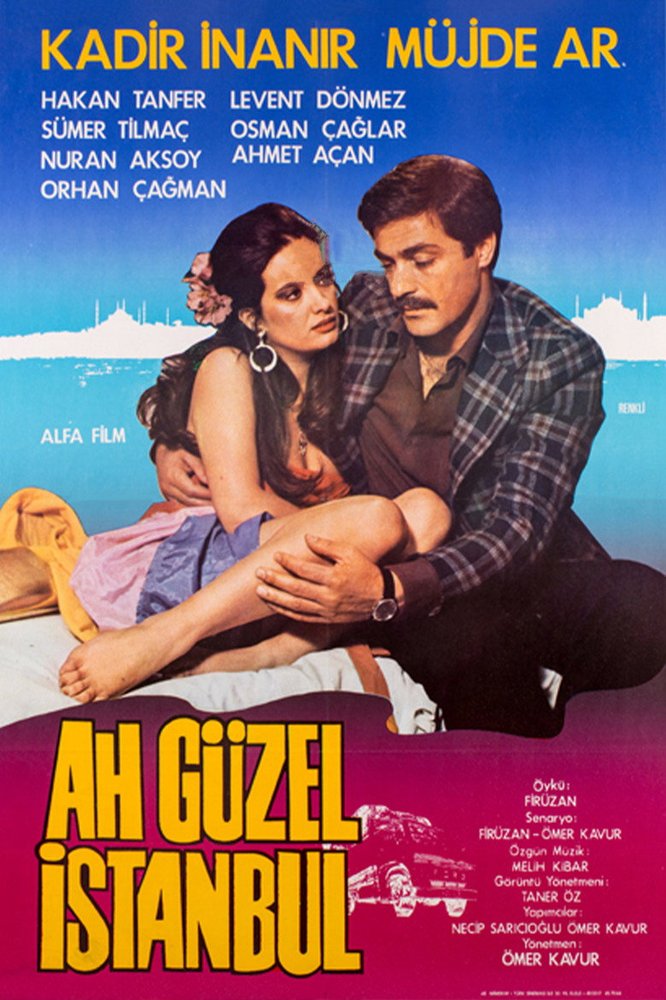
In the 1980s he turned towards films with social themes. Ah Güzel İstanbul (1981), Bir Yudum Sevgi (1984), Yılanların Öcü (1985), 72. Koğuş (1987) and Karılar Koğuşu (1990), together with Tatar Ramazan (1990), are among the standout works of this period. Besides acting he also worked as a director and screenwriter.
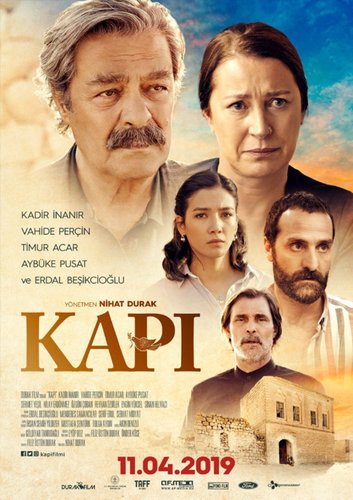
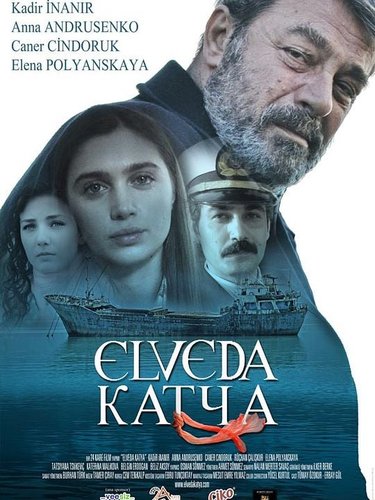
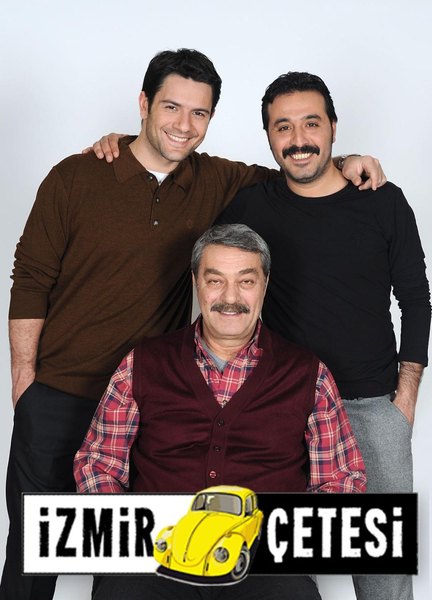
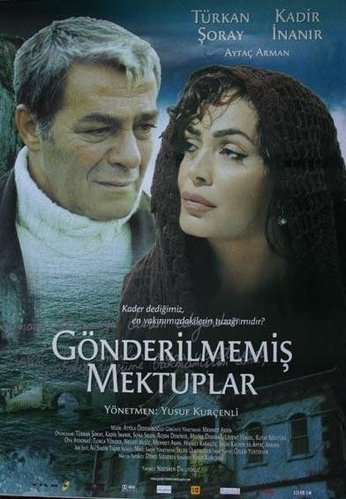
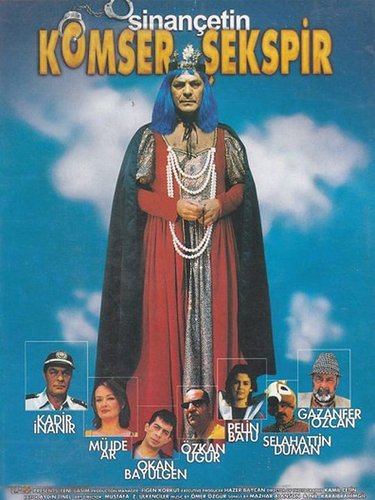
In the 2000s he went on working in both cinema and television; he acted in the films Komser Şekspir (2001) and Gönderilmemiş Mektuplar (2003) and appeared in television series such as Kardelen and İzmir Çetesi. Elveda Katya (2012) and Kapı (2019) are among his late cinema works.
Over his career he received the Golden Orange Life Achievement Award and a Golden Butterfly Award; in 2023 the Adana Golden Boll Film Festival presented him, together with Türkan Şoray, with its "Face of Our Cinema" award marking the hundredth year of the Republic. In his private life he was in a relationship with Jülide Kural. He died on June 26, 2026, in Istanbul, at the age of 77.
Photos
Reactions
You can pick up to 3 reactions.
Comments