
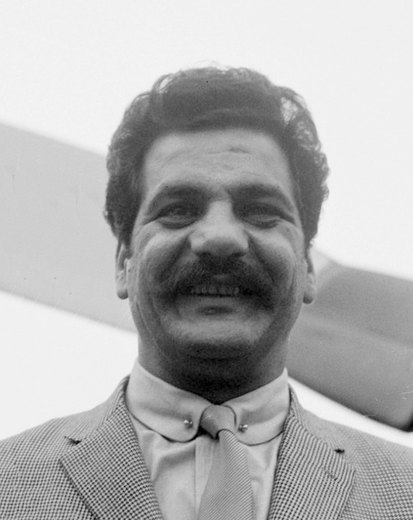
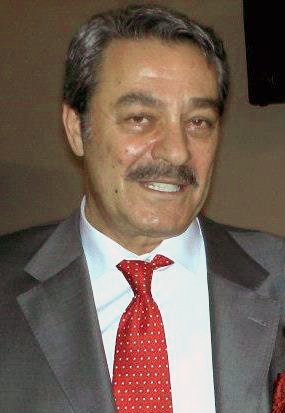
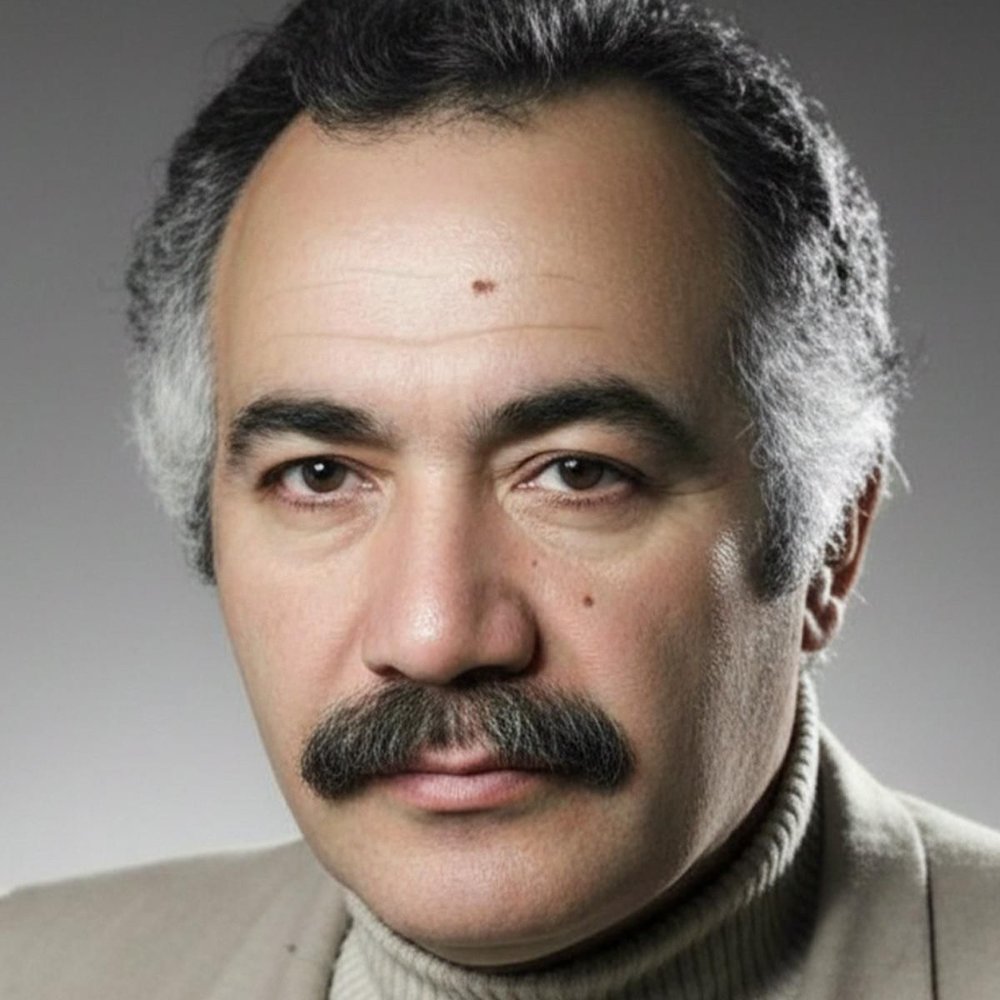
Erol Taş
Actor · died at 72
Profile
| Age at death | 72 |
|---|---|
| Birth date | February 28, 1926 |
| Birthplace | Erzurum |
| Died | November 8, 1998 |
| Place of death | Istanbul, Turkey |
| Profession | Actor |
| Zodiac sign | Pisces |
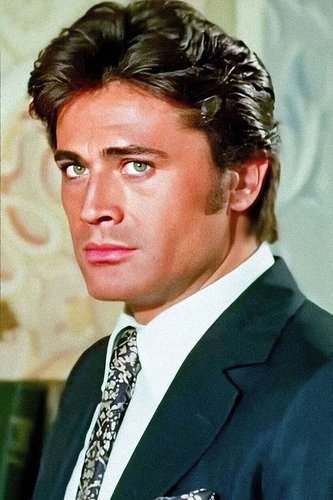
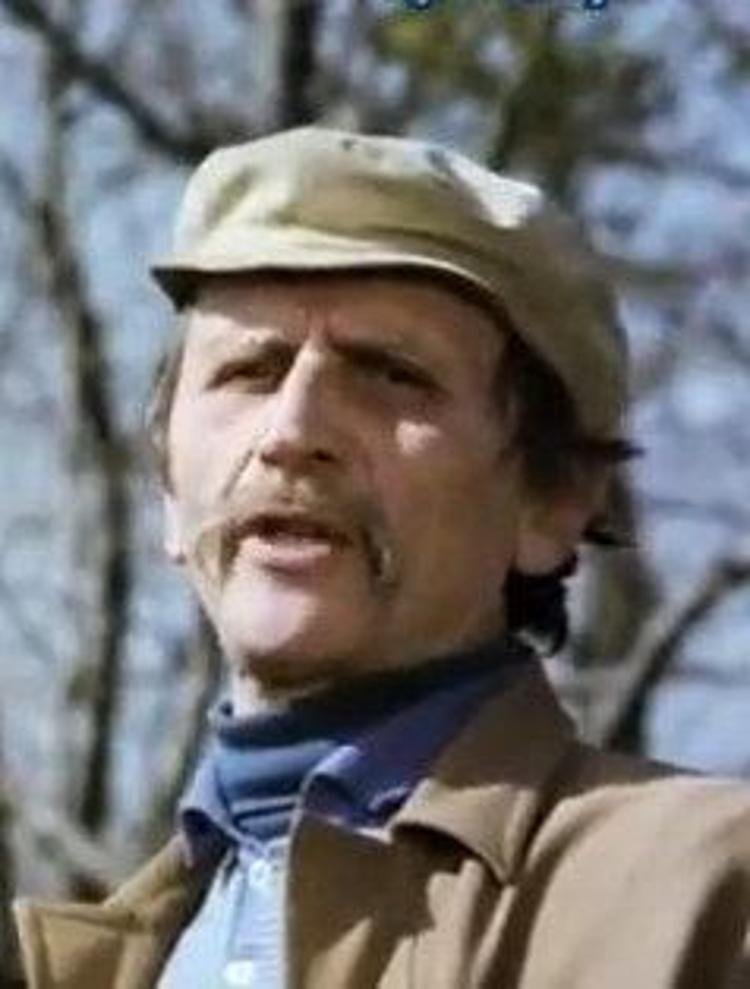
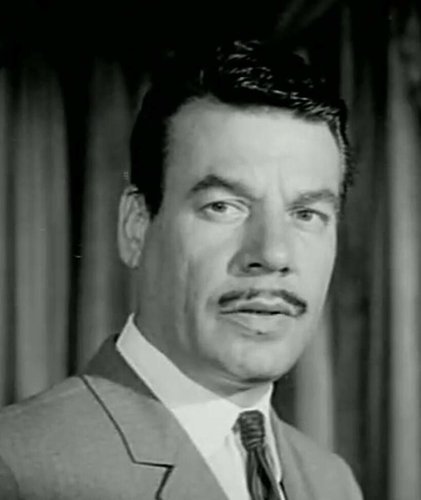
Filmography / Projects
- Yaşama Hakkı
- Storms (Fırtınalar) (translated)
- Deniz Kızı
- Sürgün
-
 Wives' Ward (Karılar Koğuşu) (translated)
-
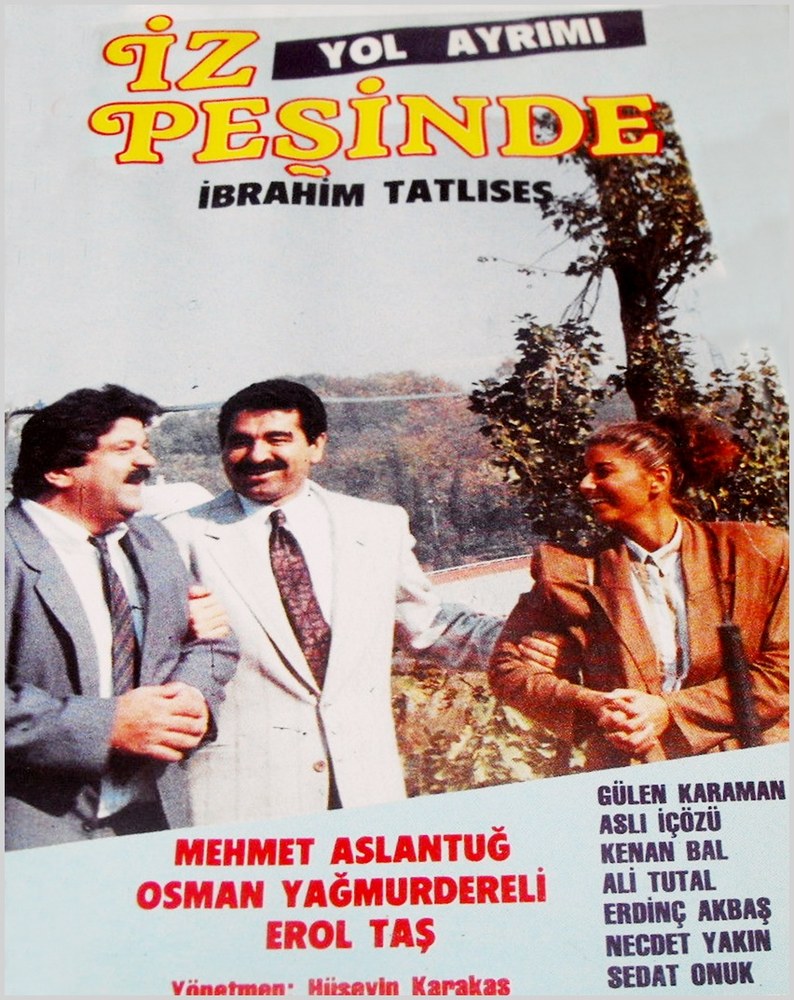 In Pursuit of a Trace (İz Peşinde)
-
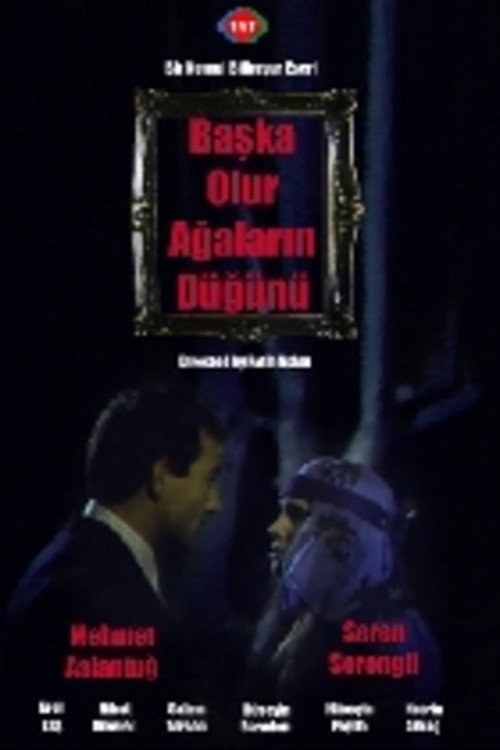 The Lords' Wedding Is Something Else (Başka Olur Ağaların Düğünü) (translated)
- 2 Tatlı Serseri
- Hanımın Çiftliği
- Kuruluş: Osmancık
- Bombacı
- The Man Without a Tomorrow (Yarınsız Adam) (translated)
- Ana Yüreği
- Damga
- Tomorrow Is Now Today (Yarın Artık Bugündür) (translated)
- Dört Hergele
-
 Gırgır Detective (Gırgır Hafiye) (translated)
- Gelin Oy
- Sokak Kavgacısı
-
 I Would Die a Thousand Times (Bin Defa Ölürüm) (translated)
- İkizler
- Mahkum
- Kaçış
- Son Darbe
-
 Dev Kanı
- Emperor (İmparator) (translated)
- Deli Fişek
- Küçük Ağa
- Kurban
-
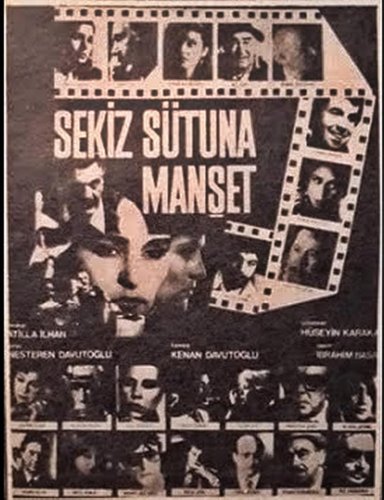 Eight Column Headline (Sekiz Sütuna Manşet) (translated)
- Sweat of the Earth (Toprağın Teri) (translated)
- Çayda Çıra Efsanesi
- My Beloved (Kurban Olduğum) (translated)
- Kader Arkadaşı
- Seni Yakacaklar
- Duy Kalbimin Feryadını
-
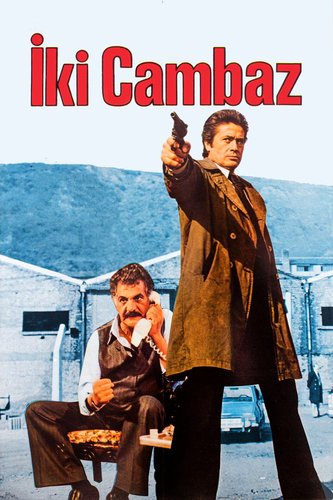 Two Acrobats (İki Cambaz) (translated)
-
 Rebel (İsyan) (translated)
- Mother's Eye (Anasının Gözü) (translated)
-
 The Golden City (Taşı Toprağı Altın Şehir)
- Nazey
-
 My Cevriye (Cevriyem) (translated)
-
 Dervish Bey (Derviş Bey) (translated)
- Wishing Box (Dilek Kutusu) (translated)
- Toprağın Oğlu Sabuha
- Benim Gibi Sevenler
- Düzen
- Tatlı Nigâr
- Dilek Taşı
-
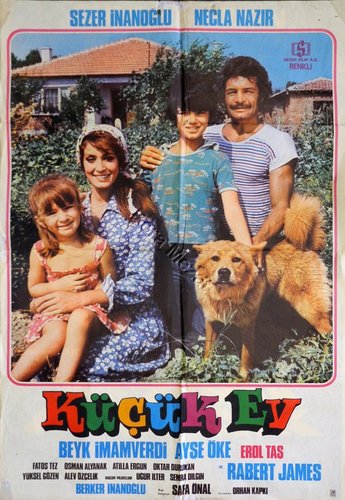 Little House (Küçük Ev) (translated)
-
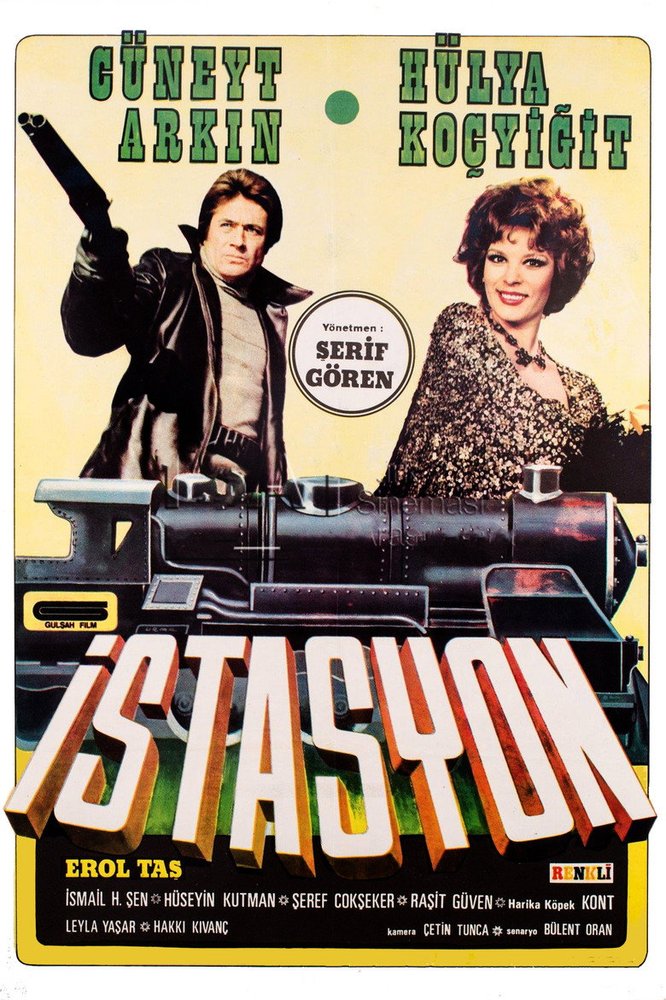 Station (İstasyon) (translated)
-
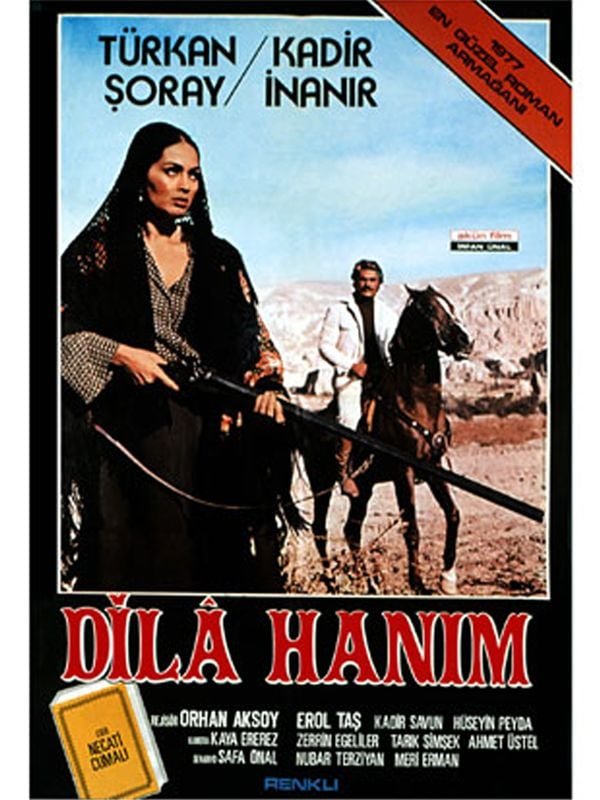 Ms. Dila (Dila Hanım) (translated)
-
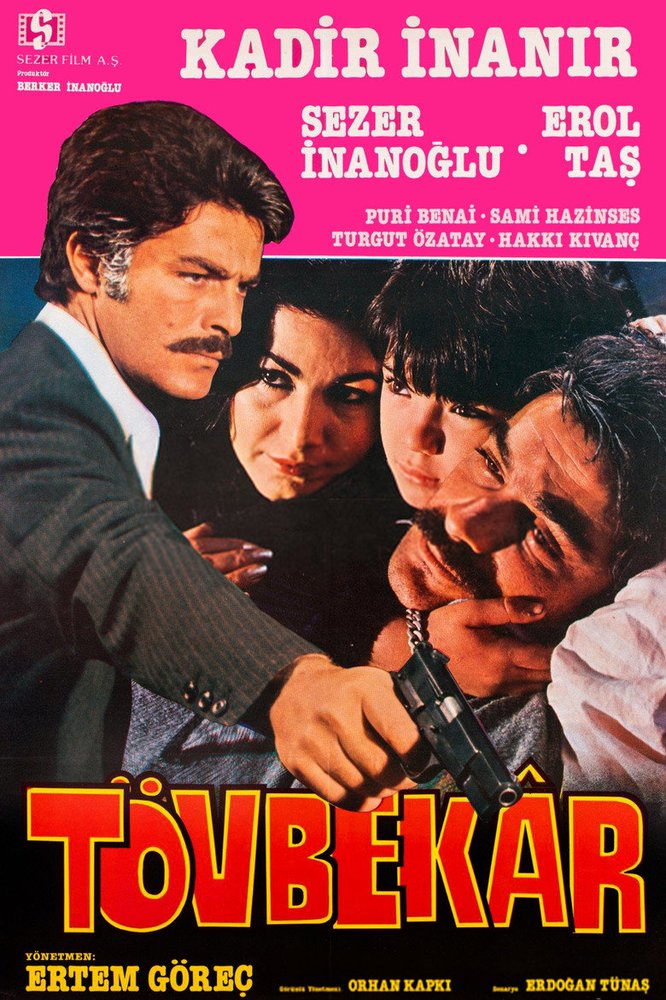 The Penitent (Tövbekar) (translated)
-
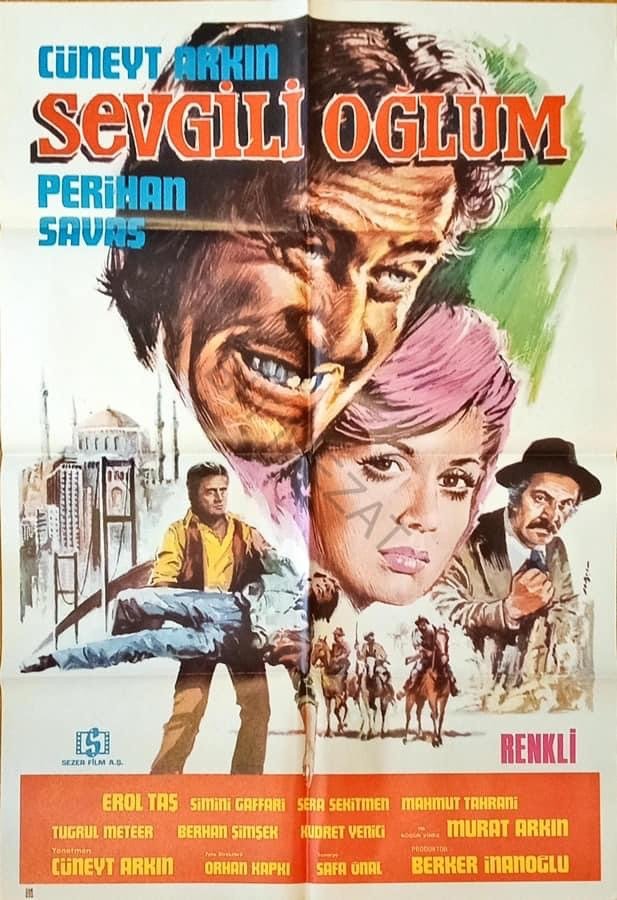 My Dear Son (Sevgili Oğlum) (translated)
- Çeşme
-
 Father's Crime (Babanın Suçu) (translated)
-
 A Matter of Life and Death (Can Pazarı) (translated)
- Kader Bu
- Atmaca Ali
- Bıktım Her Gün Ölmekten
- Yalan
- İntikamcı
-
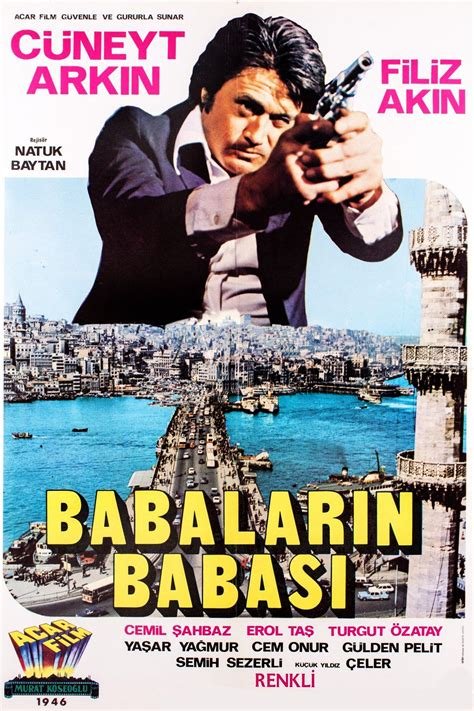 Father of Fathers (Babaların Babası) (translated)
- Kaygısızlar: Tak Fişi Bitir İşi
- Panik
- Anasının Gözü
-
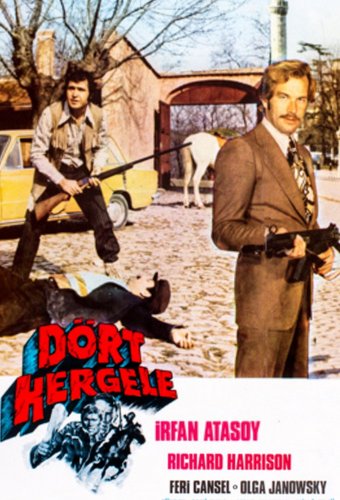 Fighting Killer
-
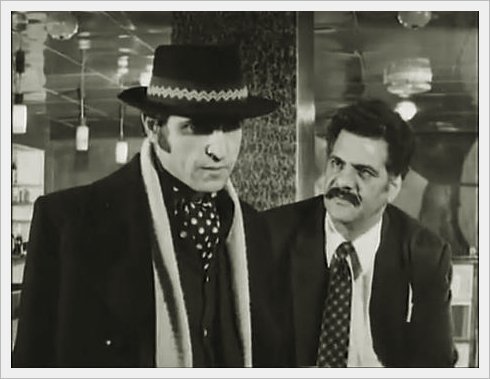 Black Executioner (Kara Cellat) (translated)
-
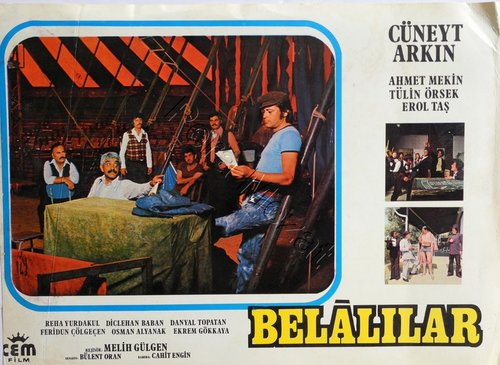 Troublemakers (Belalılar) (translated)
- Lover of the Monster (Le amanti del mostro)
-
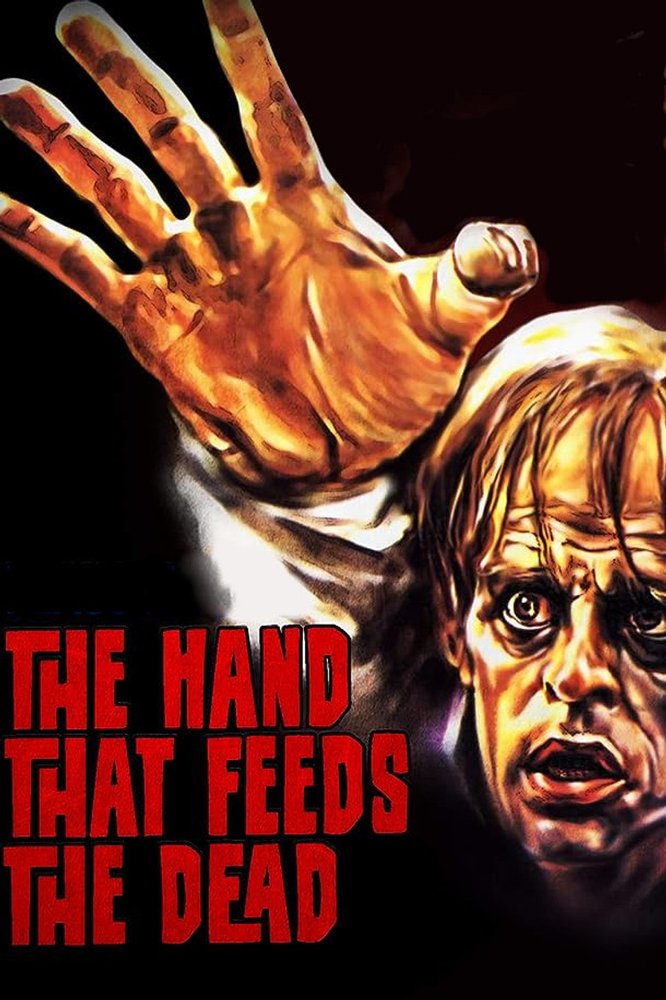 The Hand That Feeds the Dead
-
 Hatred (Kin) (translated)
- Diyet
- Yalnız Adam
- Kader Çıkmazı
-
 Yumurcak Küçük Kovboy
-
 Baby Face (Bebek Yüzlü) (translated)
-
 Kara Murat, Fatih's Decree (Kara Murat Fatih'in Fermanı) (translated)
- Kahpe Felek
- Ölüme Koşanlar
- Elif and Seydo (Elif İle Seydo) (translated)
- Kara Haydar
- Öksüzler
- Kahpe
-
 The Deathless Devil (Yılmayan Şeytan)
-
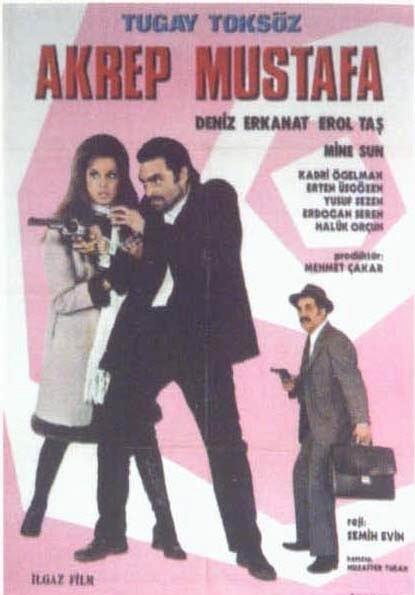 Scorpion Mustafa (Akrep Mustafa) (translated)
- Those Who Fight at Dawn (Şafakta Vuruşanlar) (translated)
-
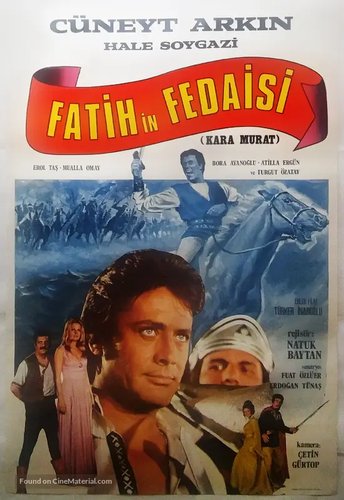 Kara Murat: Fatih'in Fedaisi
-
 Destiny (Alın Yazısı) (translated)
- Bitter Fate (Acı Kader) (translated)
- Ali Baba ve Kırk Haramiler
- Jilet Kazım
- Baskın
- Kozalı Gelin
-
 Three Angry Warriors (Üç Kızgın Cengaver) (translated)
-
 My Signature Is on the Target (Hedefte İmzam Var) (translated)
- Soldier Ahmet (Asker Ahmet) (translated)
-
 Batı'dan Gelen Adam
-
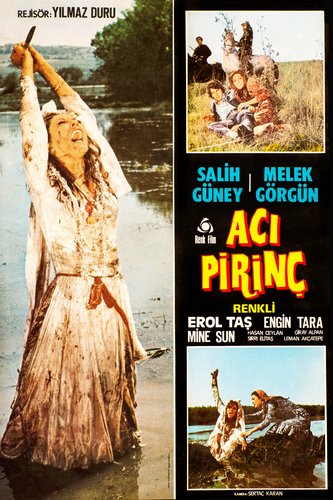 Bitter Rice (Acı Pirinç) (translated)
-
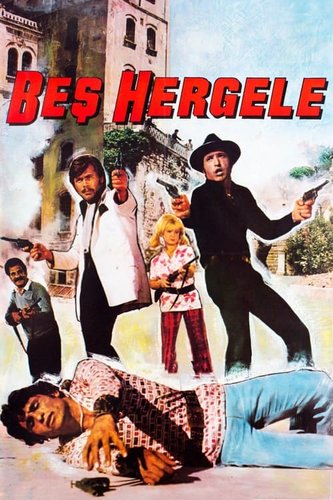 Five Rascals (Beş Hergele) (translated)
-
 Mıstık
-
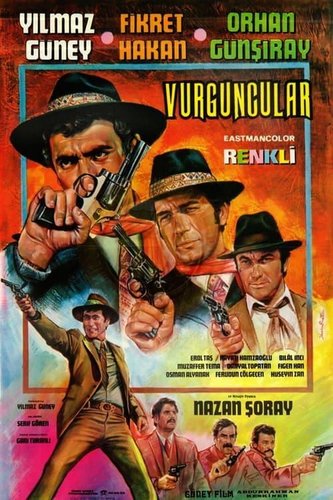 The Profiteers (Vurguncular) (translated)
- Azrail Peşimizde
- Azrail
- Şehzade Sinbad Kaf Dağında
- Ölüm Bana Vız Gelir
- Yarın Son Gündür
- Kara Memed
- Şerefimle Yaşarım
- Sezercik Yavrum Benim
- Gelin Kız
- İbret
- Cehenneme Bir Yolcu
- Stepmother (Üvey Ana) (translated)
-
 Blood and Bullets (Kan ve Kurşun) (translated)
- Kanıma Kan İsterim
- Şeytan Kayaları
- Çeko
- Ölüm Çemberi
- Garibanlar Mahallesi
- Devlerin Öcü
- Kanlı Sevda
- Allı Gelin
- Asrın Kralı
- Asılacak Kadın
- Tarkan: Canavarlı Kule
-
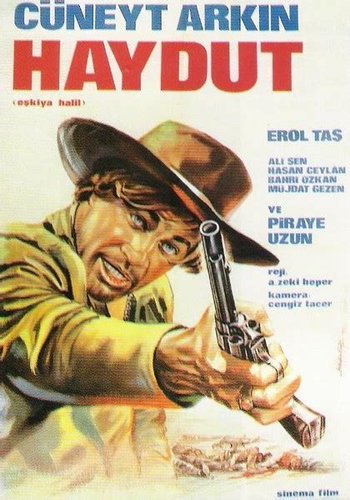 Bandit Halil (Eşkiya Halil (Haydut)) (translated)
-
 My Dark Fate (Kara Bahtım) (translated)
-
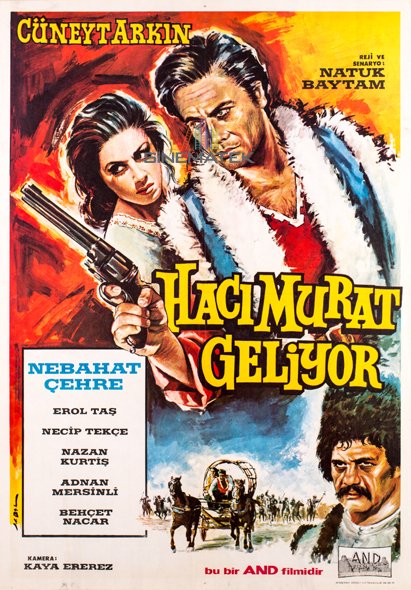 Hacı Murat Is Coming (Hacı Murat Geliyor) (translated)
- Maskeli Beşlerin Dönüşü
- Urfa İstanbul
- Yara
- Kızıl Maske
- Dertli Pınar
- Maskeli Beşler
- Alevli Yıllar
- Yüzbaşının Kızı
- Yedi Adım Sonra
- Baharda Solan Çiçek
- Kral Kim
- Aslan Bey
-
 Mother (Ana)
- Kadın Düşmanı
- Yılmayan Adam
- Azap Yolları
- İnce Cumali
- Devlerin İntikamı
-
 The Law of the Border (Hudutların Kanunu)
- Arzunun Bedeli
- Bir Millet Uyanıyor
- Bu Şehrin Belalısı
- Nuh'un Gemisi
- Toprağın Kanı
- Ümit Sokağı
- Zorlu Düşman
-
 The Fight of the Giants (Devlerin Kavgası) (translated)
- Bitmeyen Yol
- Dağların Oğlu
- Taçsız Kral
- Aramızdaki Düşman
- Başlık
- Sırtımdaki Bıçak
- Kanlı Kale
- Seveceksen Yiğit Sev
- Hazreti Yusuf
- Son Darbe
-
 Dry Summer (Susuz Yaz)
-
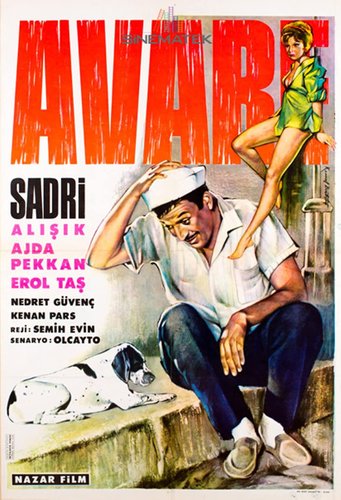 The Vagabond (Avare) (translated)
-
 Beyond the Walls (Duvarların Ötesi) (translated)
- On Korkusuz Adam
- Suçlular Aramızda
- Sahildeki Ceset
- Prangasız Mahkumlar
- Kavga Var
- Hayat Kavgası
- Cehennem Arkadaşları
- Dişi Şeytan
- Ölüm Pazarı
- Dişi Örümcek
-
 Stranger in the City (Şehirdeki Yabancı)
-
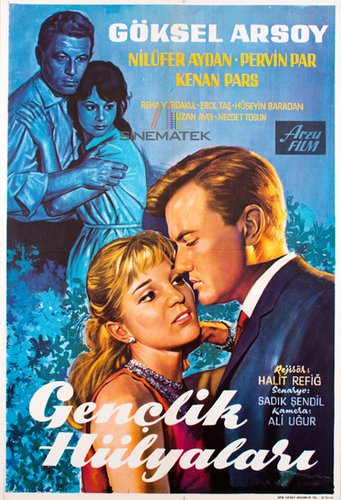 Youthful Dreams (Gençlik Hülyaları) (translated)
-
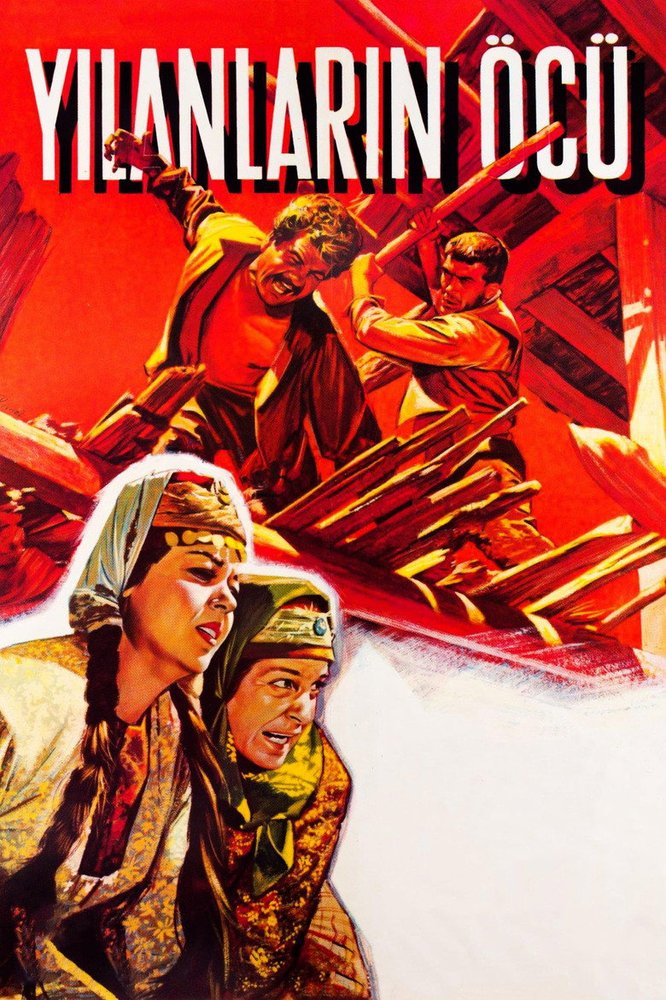 Revenge of the Snakes (Yılanların Öcü)
- Beş Kardeştiler
- Ayrılan Yollar
- Mahalle Arkadaşları
- Oy Farfara Farfara
- Dişi Kurt
- İçimizden Biri
- Bitmeyen Mücadele
- Kahraman Üçler
-
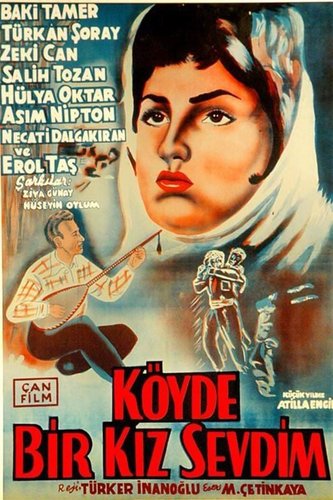 I Fell in Love with a Girl in the Village (Köyde Bir Kız Sevdim) (translated)
-
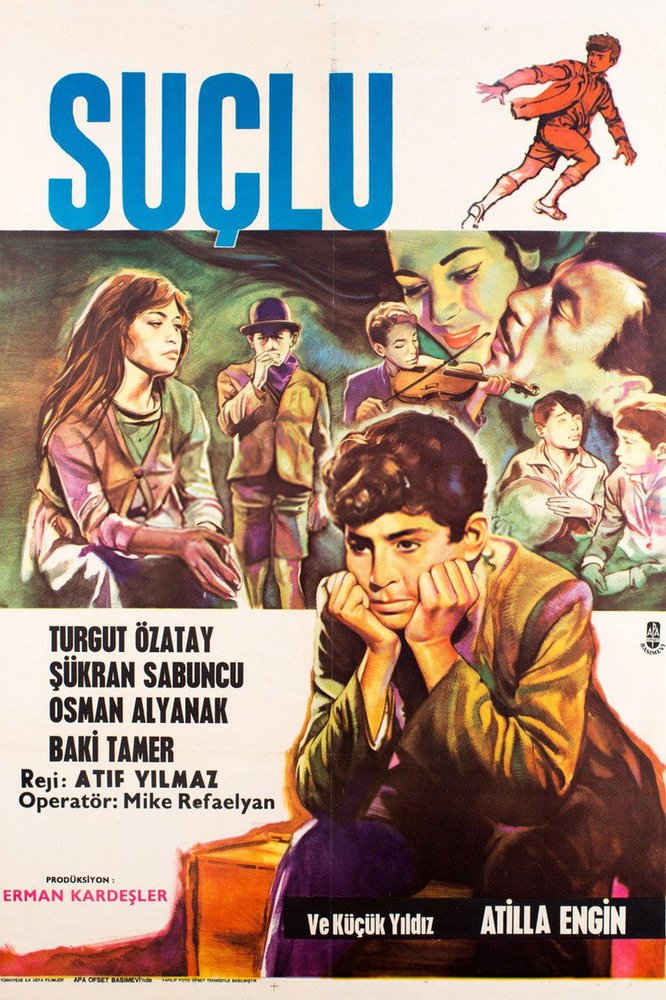 Guilty (Suçlu) (translated)
- Gecelerin Ötesi
- Kahpe
- Ateşten Damla
-
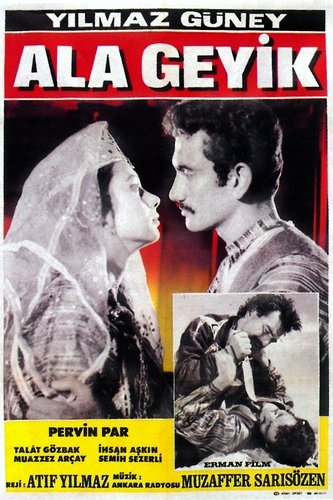 Fallow Deer (Ala Geyik) (translated)
- Funda
- Şoför Nebahat
- İzmir Ateşler İçinde
- Kara Sevdalı Yarim
- The Lord of Nine Mountains (Dokuz Dağın Efesi) (translated)
- Dikenli Yol
- Murada Ereceğiz
- Berduş
Erol Taş — Biography
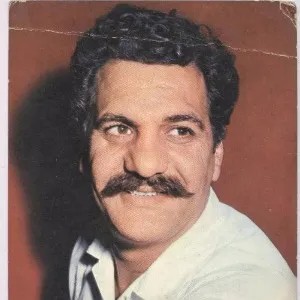
Sources give Erol Taş's birth year as either 1926 or 1928; he was born in Erzurum, one of seven children, and according to his daughter the family's roots lay in the Patnos district of Ağrı. After his father died when he was two, he moved to Istanbul with his mother, left school to work as a porter and shop clerk, and took up boxing, finishing runner-up at the 1947 Istanbul and Turkey championships. After military service he was working at a thread factory in Cankurtaran when, following an incident in which he helped protect a film crew led by director Lütfi Akad, he was offered a part and made his screen debut in the 1957 film Acı Günler.
He quickly became one of Yeşilçam's best-known screen villains, and his portrayal of hostile characters at times drew hostile reactions from audiences; his best-remembered film is Susuz Yaz (1964), directed by Metin Erksan, which won the Golden Bear at the 14th Berlin International Film Festival. He won Best Supporting Actor honours at festivals including Acapulco and the Golden Orange on several occasions, and received a lifetime achievement award at the 7th Golden Boll festival in 1993.
He had twins with his first wife, Hafize Taş, and after her death in 1965 he married Elmas Erşan, with whom he had a daughter; for many years he also ran a coffeehouse in Cankurtaran. His left leg was amputated in December 1996 due to diabetes, and he died of a heart attack in Istanbul on 8 November 1998, and was buried at Topkapı Cemetery.
Photos
Reactions
You can pick up to 3 reactions.
Comments