Victim of Lust (Şehvet Kurbanı)

Victim of Lust (Şehvet Kurbanı) (translated)

Movie · 1940 · 19 people

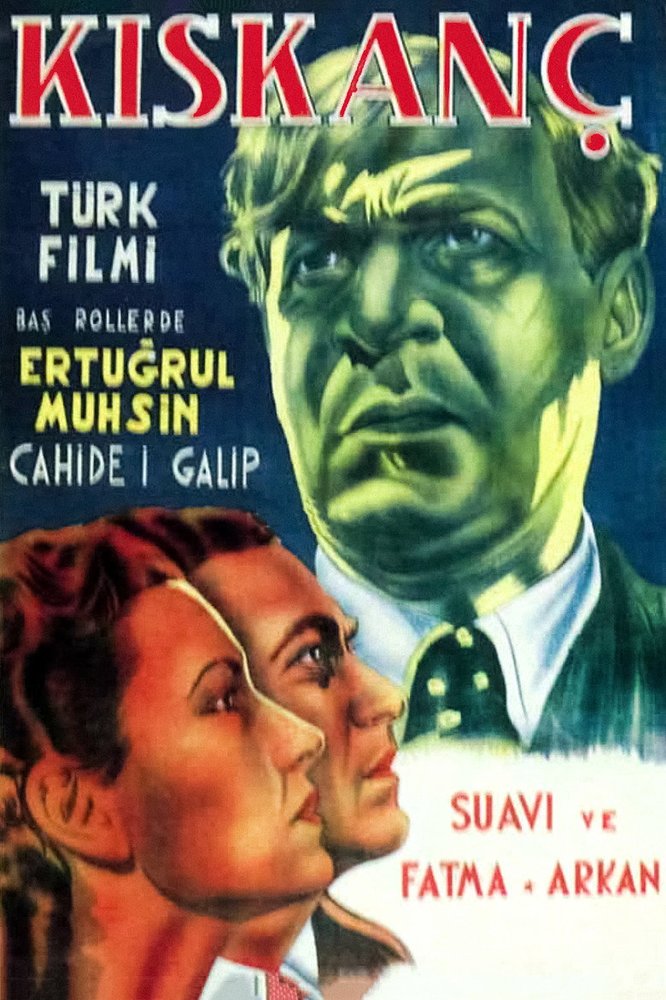
Şehvet Kurbanı (The Victim of Lust) is a 1940 Turkish drama directed by Muhsin Ertuğrul from a script by Nâzım Hikmet. It is adapted from The Blue Angel (1930), the film that made Marlene Dietrich known. It opened at the İpek cinema on 6 June 1940, distributed by İpek Film, with Fitaş Film also credited, and runs 73 minutes. It was shot at Haydarpaşa Station and in studios in Maltepe, Mecidiyeköy and Eminönü in Istanbul. It is known as the first Turkish fiction film to show Adana.

Ahmet Barksever, a bank teller, lives an orderly, happy life with his wife and two children. He is sent to Adana to collect a payment. On the train a woman enters his compartment, and he talks with her and is drawn to her. She is in fact a swindler working with an accomplice, and she has learned that Ahmet is about to receive a large sum. They spend the night together, and once Ahmet has collected the money she steals it. He realises and goes after the two of them. What follows turns the film into a story of Ahmet's struggle with his own pride and his longing for his family.

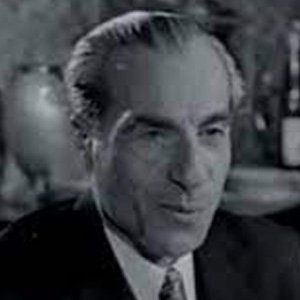
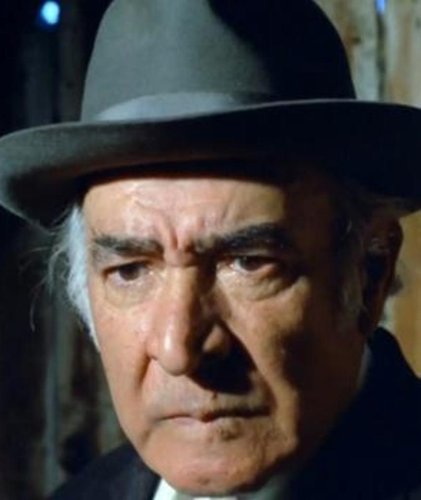
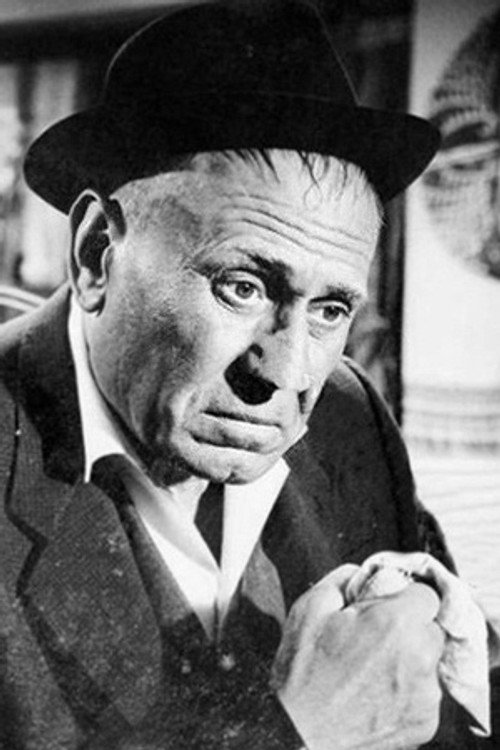
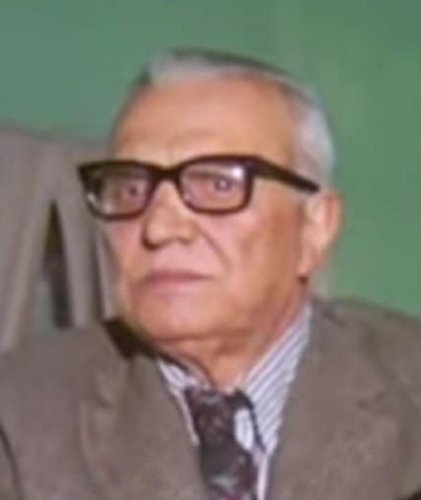
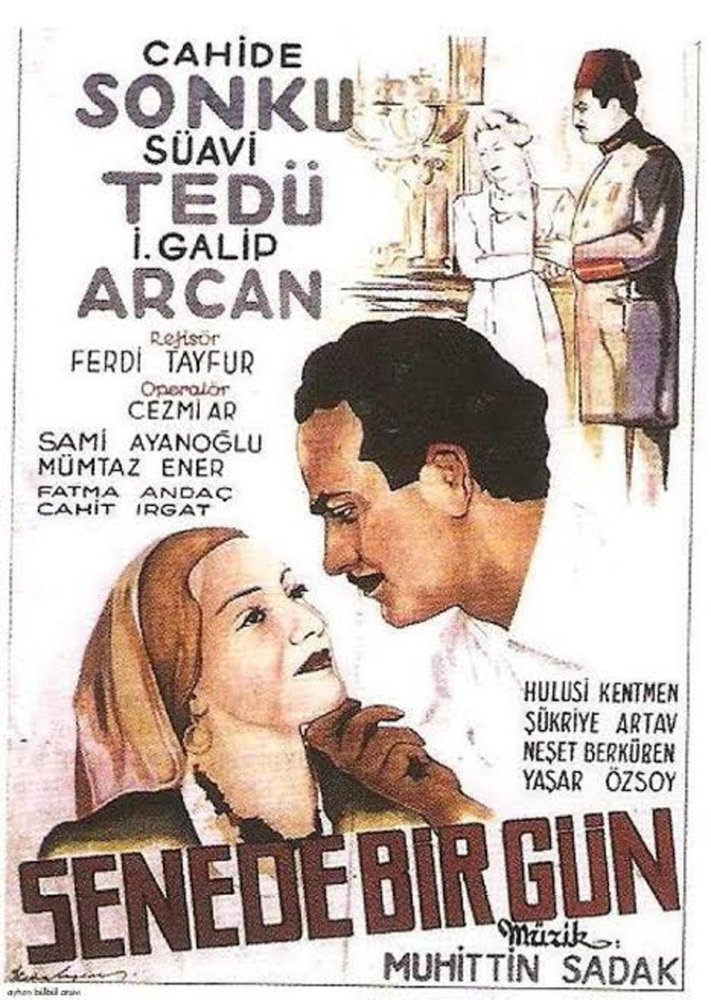
Muhsin Ertuğrul himself plays Ahmet Barksever. Cahide Sonku, Ferdi Tayfur, Suavi Tedü and Nevin Akkaya have the main parts, and the cast also lists Cahit Irgat, Refik Kemal Arduman, Mümtaz Ener and Atıf Kaptan.

DirectorMuhsin Ertuğrul

Reactions

You can pick up to 3 reactions.

Cast

Also in the cast: Atıf Kaptan

Through different eyes

Yeşilçam Nostalgic A viewer raised on the classics, looking for warm storytelling and strong acting.

A script by Nâzım Hikmet, direction by Muhsin Ertuğrul, an adaptation of The Blue Angel: the credits alone command respect. The story of a man torn from his orderly home by a single night, then tossed between his pride and his longing for his family, is a fine example of old-fashioned storytelling with a moral centre. To today's eye the delivery can feel ornate and heavy in places, but for anyone who looks for films that put a warm human question at the centre, this old earnestness still makes for a pleasant acquaintance.

Cinephile Looks at script, editing and directing choices; keeps a distance from formula films.

Moving a classic like The Blue Angel onto Turkish soil is an interesting experiment in adaptation in its own right. The shooting at Haydarpaşa Station and the journey to Adana give the film a real sense of place. Having Muhsin Ertuğrul both direct and star is a double-edged choice: it brings command of the stage, but narrows the distance between performing and directing. The short running time keeps the story moving, though the swindle and the remorse could have been handled with more nuance. Strong as a historical document, measured by today's standards.

History & Society Lens Asks about the period, the social background and what the work reflects.

A bank teller with an orderly, happy life loses both his money and his peace of mind to a woman he meets on a train while travelling to Adana to collect a payment; it makes a short but sharp social scene. The tension among money, pride and family reflects the anxieties of an ordinary urban clerk. The footage of Haydarpaşa and Adana also opens a valuable window for anyone interested in places and the texture of travel. Its moral judgement may look a little rigid today, but read in its own context it is rewarding.

These are not reader reviews: they are short editorial takes written from different viewer perspectives with AI assistance. Reader reviews are below.

Reviews (0)

Log in Log in to write a review.

Comments