
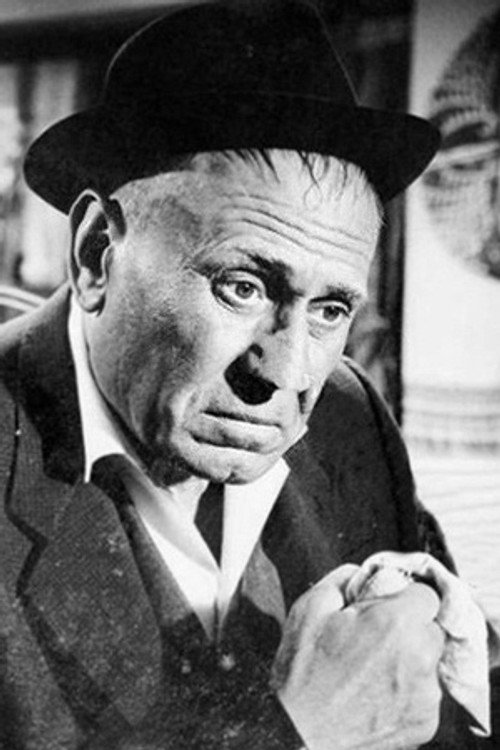
Mümtaz Ener
Actor · died at 81
Profile
| Age at death | 81 |
|---|---|
| Birth date | September 1, 1907 |
| Birthplace | Muğla |
| Died | July 11, 1989 |
| Place of death | Istanbul |
| Profession | Actor, Screenwriter, Film director, Voice actor |
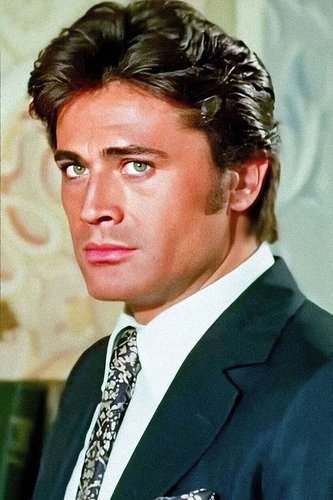


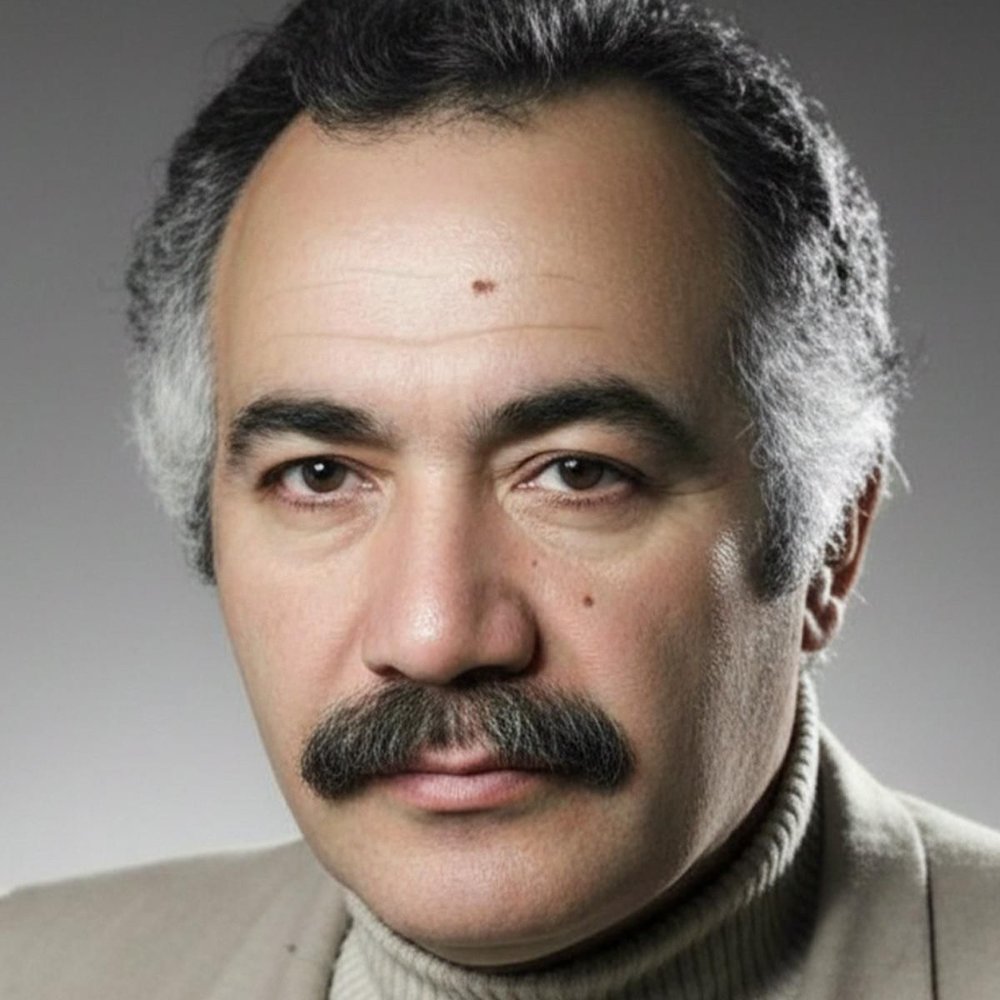
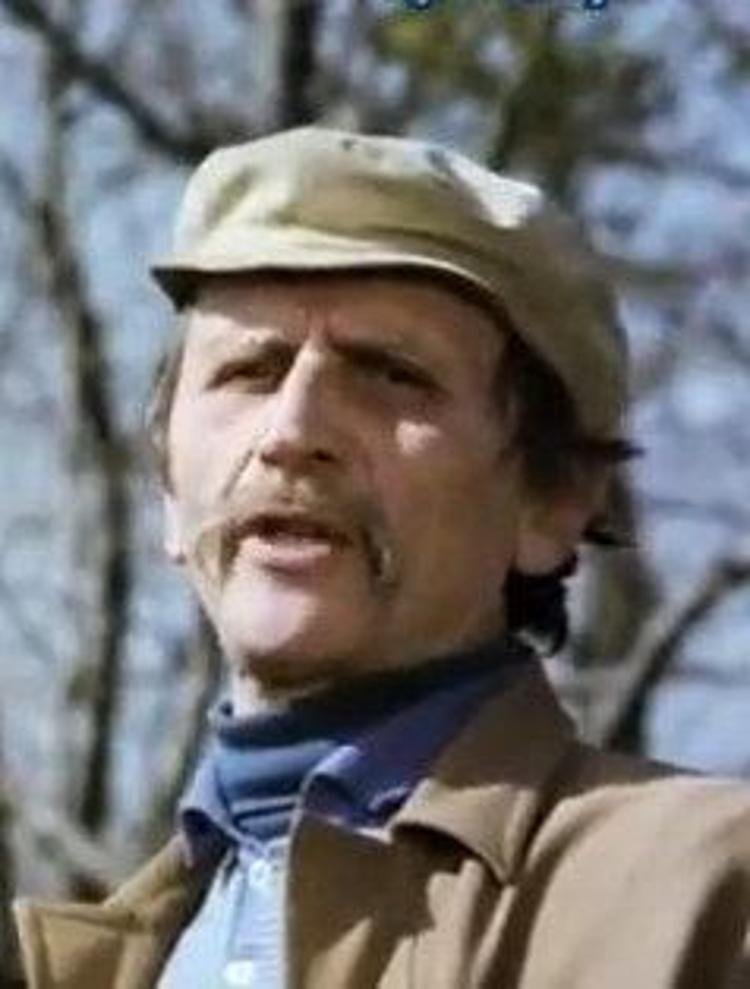
Filmography / Projects
- Murder at the Hotel (Oteldeki Cinayet) (translated)
- Ağıt
-
 The Lucky Laborer (Talihli Amele) (translated)
-
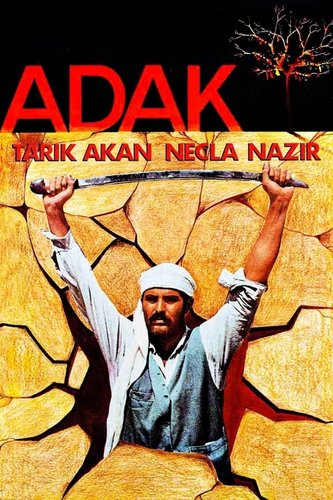 The Vow (Adak) (translated)
-
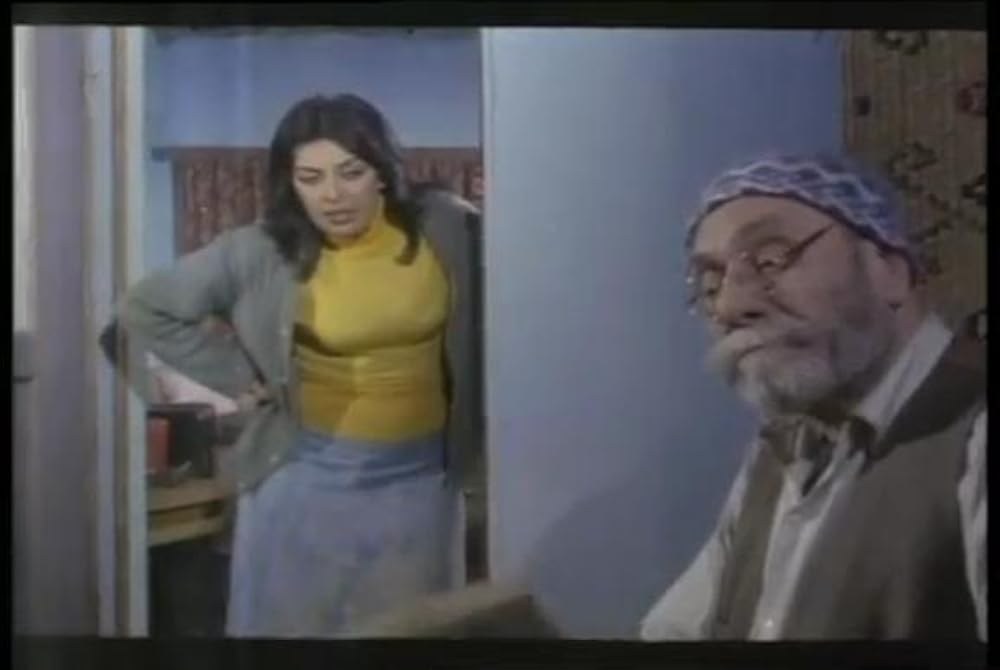 Struggle for Life (Yaşam Kavgası) (translated)
-
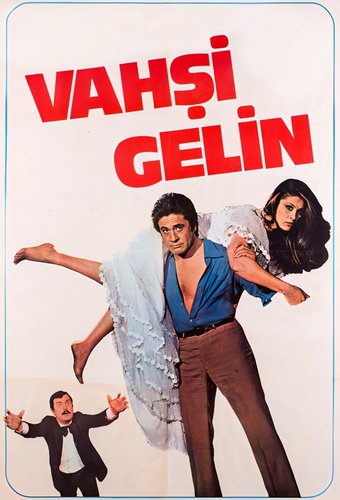 Wild Bride (Vahşi Gelin) (translated)
- Kara Murat: Devler Savaşıyor
- Derbeder
-
 Blood (Kan) (translated)
-
 Hababam Class on Vacation (Hababam Sınıfı Tatilde) (translated)
-
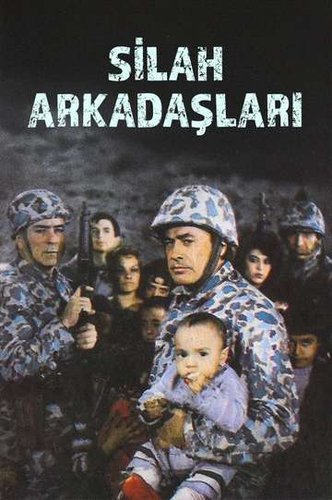 Comrades in Arms (Silah Arkadaşları) (translated)
-
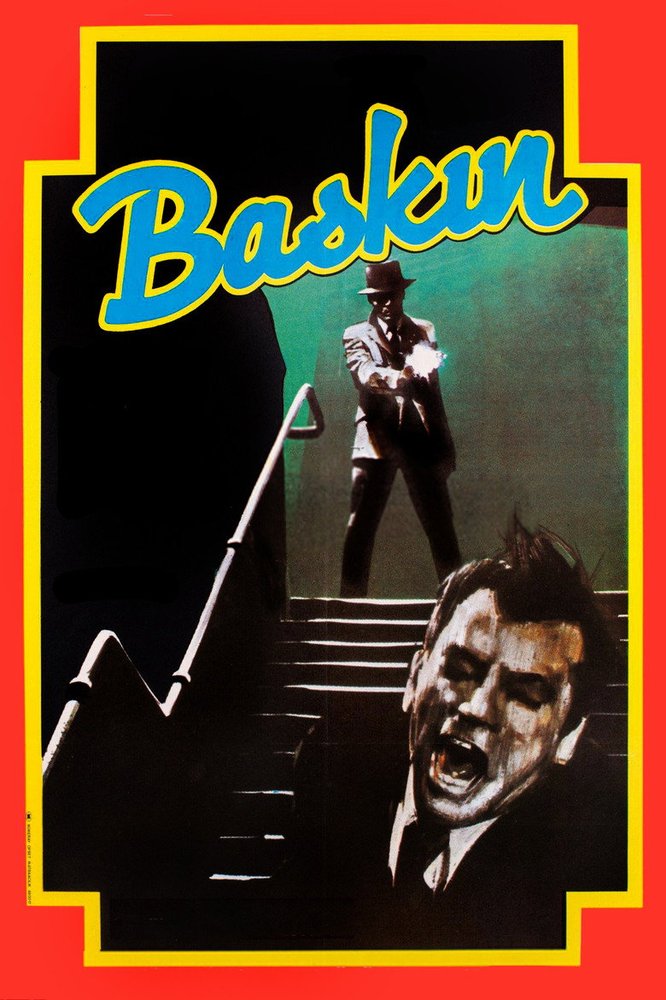 Raid (Baskın) (translated)
-
 Shabanoglu Shaban (Şabanoğlu Şaban) (translated)
-
 Kara Murat vs. Sheikh Gaffar (Kara Murat Şeyh Gaffar'a Karşı) (translated)
- Hınç
- Bizim Kız
-
 Tosun Pasha (Tosun Paşa) (translated)
-
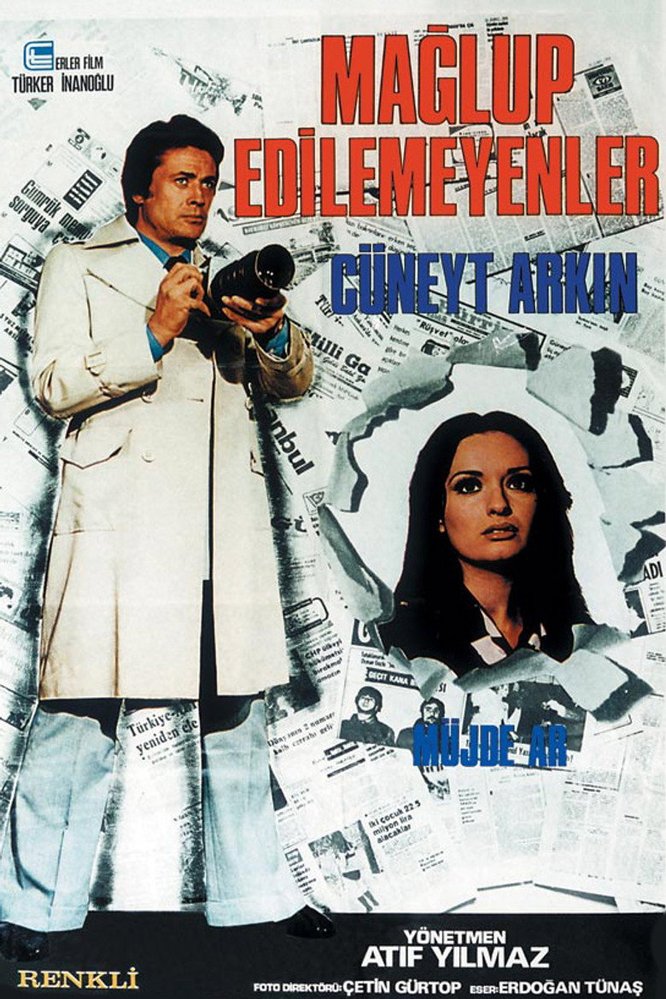 The Unconquerable (Mağlup Edilemeyenler) (translated)
-
 Hababam Class Failed the Class (Hababam Sınıfı Sınıfta Kaldı) (translated)
- Sahte Kabadayı
- Sevdalılar
- Hababam Sınıfı Uyanıyor
-
 Churl (Hanzo) (translated)
-
 The Three Superboys Strike Again (Üç Kağıtçılar)
-
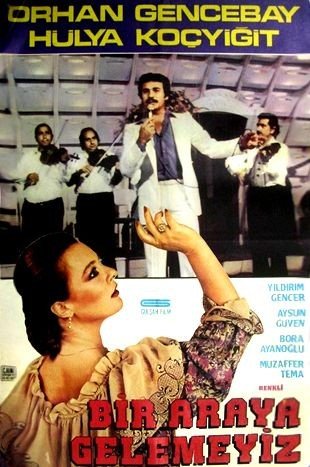 We Cannot Come Together (Bir Araya Gelemeyiz) (translated)
-
 Playing House (Evcilik Oyunu) (translated)
-
 Hababam Class (Hababam Sınıfı) (translated)
-
 Crazy Yusuf (Deli Yusuf) (translated)
- Bir Gün Mutlaka
- Açlık
- Ferman
- Sahipsizler
- Kanlı Deniz
-
 Bitter Life (Acı Hayat) (translated)
- Anatolian Express (Anadolu Ekspresi) (translated)
- İki Bin Yılın Sevgilisi
- Azap
- Öksüzler
- Kızım
- Hazreti Yusuf
- Gönüller Sultanı: Mevlana
-
 Destiny (Alın Yazısı) (translated)
-
 Cemo
- Gelinlik Kızlar
- Utanç
- Sahtekar
- Ölüm Bebekleri
- Süperadam Kadınlar Arasında
- Ölüm Dönemeci
-
 The Epic of Battal Gazi (Battal Gazi Destanı) (translated)
-
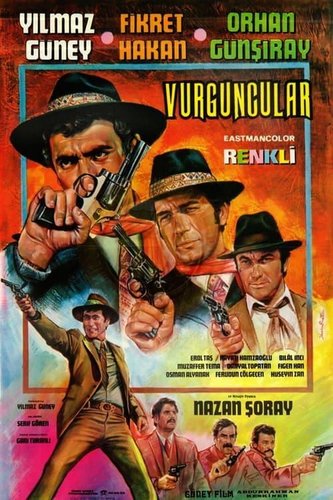 The Profiteers (Vurguncular) (translated)
- Bir Genç Kızın Romanı
- Beklenen Şarkı
- Kaçaklar
- Silah ve Namus
- Tanrı Şahidimdir
- Yaban Ali
- Oku Beşikten Mezara Kadar
- Senede Bir Gün
- Zeyno
- Arkadaşlık Öldü mü
- Zalim
- İşler Karışık
- Ağlayan Melek
- Şeytan Kayaları
- Yemen'de Bir Avuç Türk
- Yaşamak Kolay Değil
- İç Güveysi
- Aşktan da Üstün
- Cafer Bey
- Gönül Meyhanesi
- Kaçak
- Bir Şarkısın Sen
- Yılan Soyu
- Ateşli Çingene
- Lekeli Melek
- Damga
- Bataklı Damın Kızı Aysel
- İffet
- Tarkan: Mars'ın Kılıcı
- Dağlar Şahini
-
 Köroğlu
-
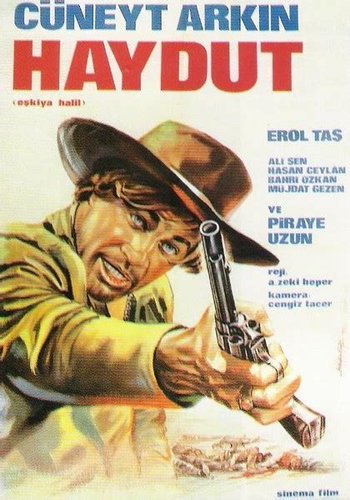 Bandit Halil (Eşkiya Halil (Haydut)) (translated)
-
 The Book to Be Burned (Yakılacak Kitap) (translated)
- Efkarlı Sosyetede
- Akşamcı
- Pranga Mahkumu
- Zehirli Hayat
- Bağdat Hırsızı
- İlk ve Son
-
 Armed Pashazade (Silahlı Paşazade) (translated)
- At Hırsızı: Banuş
- Yarın Çok Geç Olacak
- Yılmayan Adam
- Krallar Ölmez
- Kozanoğlu
- Kırbaç Altında
-
 Unforgiven (Affedilmeyen) (translated)
-
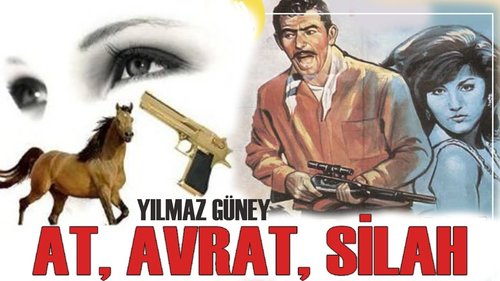 Horse, Woman and Gun (At Avrat Silah)
- Gariban
- O Kadın
- Babam Katil Değildi
-
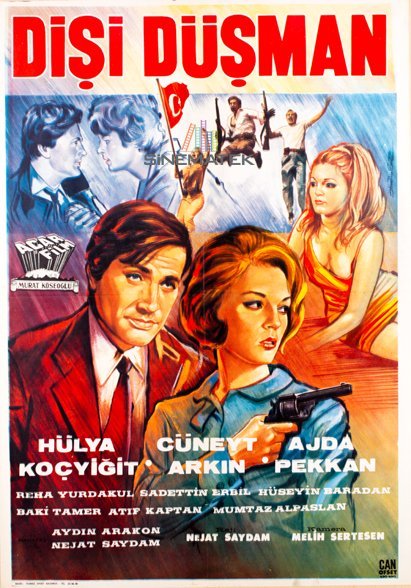 Female Enemy (Dişi Düşman) (translated)
- Ve Silahlara Veda
- Boğaziçi Şarkısı
-
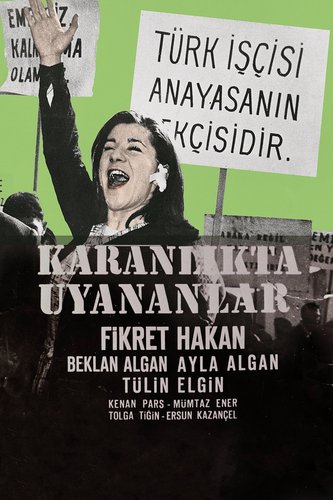 Those Who Awaken in the Dark (Karanlıkta Uyananlar) (translated)
-
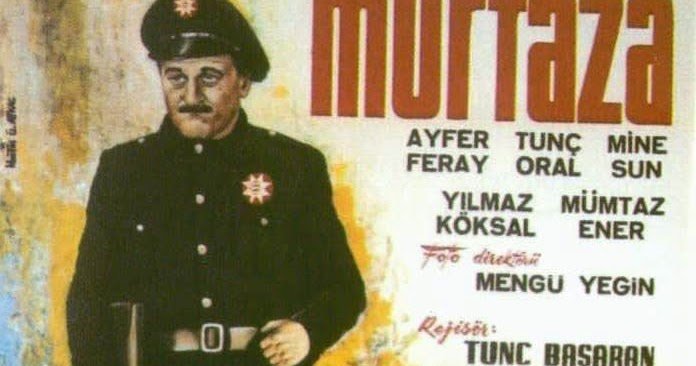 Murtaza
-
 The Bread Seller Woman (Ekmekçi Kadın)
- King of Kings (Krallar Kralı) (translated)
- Seven Kadın Unutmaz
- Sana Layık Değilim
- Artık Düşman Değiliz
- Sevgim ve Gururum
- Tehlikeli Adımlar
- Elveda Sevgilim
- Sokakta Kan Vardı
- Satılık Kalp
- Kartalların Öcü: Severek Ölenler
- Cennet Fedaileri
- Buzlar Çözülmeden
-
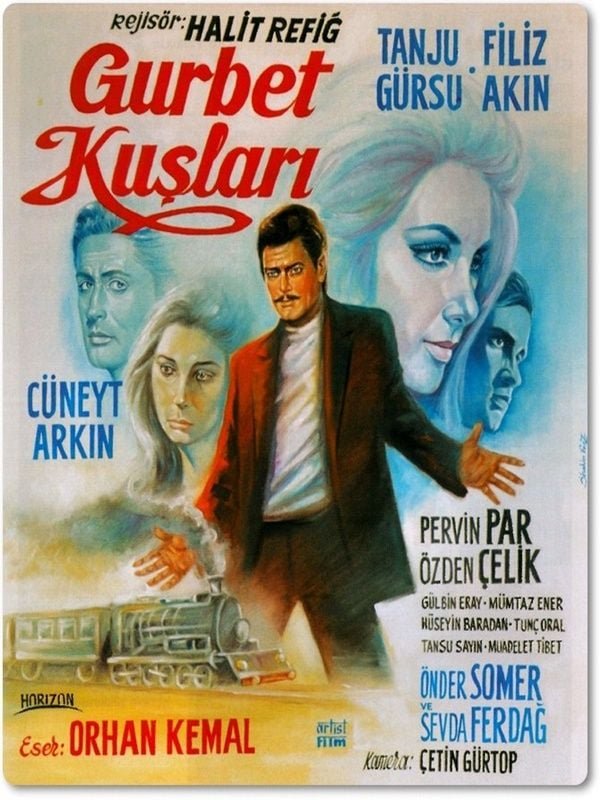 Migrant Birds (Gurbet Kuşları) (translated)
-
 Atçalı Kel Mehmet
- Kızgın Delikanlı
- Günah Kadınları
- Dağlar Bizimdir
- Satılık Kızlar
- Varan Biiir
- Dawn Guardians (Şafak Bekçileri) (translated)
- Beni Osman Öldürdü
- Sayın Bayan
- Maceralar Kralı
- Aşka Vakit Yok
- Dikmen Yıldızı
- Cengiz Han'ın Hazineleri
- Mahalle Arkadaşları
- Unutamadığım Kadın
- Ümitsiz Bekleyiş
- Avare Mustafa
- Mahalleye Gelen Gelin
- Satın Alınan Adam
- Kahpe
- Namus Uğruna
- Vatan ve Namus
-
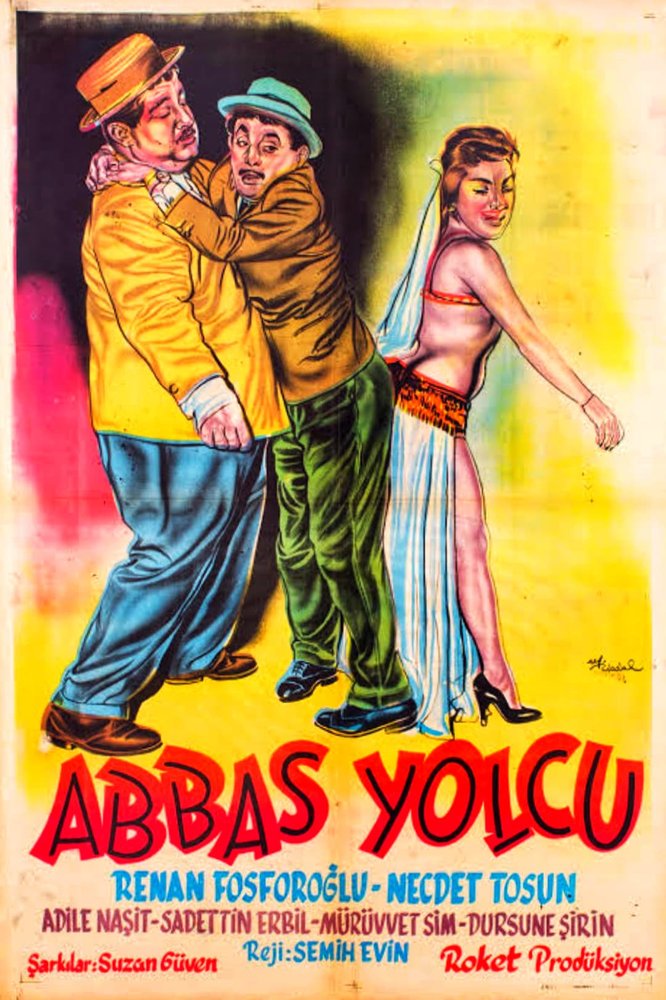 Abbas Yolcu
- Sevdalı Gelin
- Fosforlu Cevriye
- Duvaklı Göl
- Karasu
- Yaşamak Hakkımdır
- Hayat Cehennemi
- Bir Kadın Tuzağı
- Üç Garipler
- Izdırap Şarkısı
- Battal Gazi Geliyor
- Şimal Yıldızı
- Cinci Hoca
-
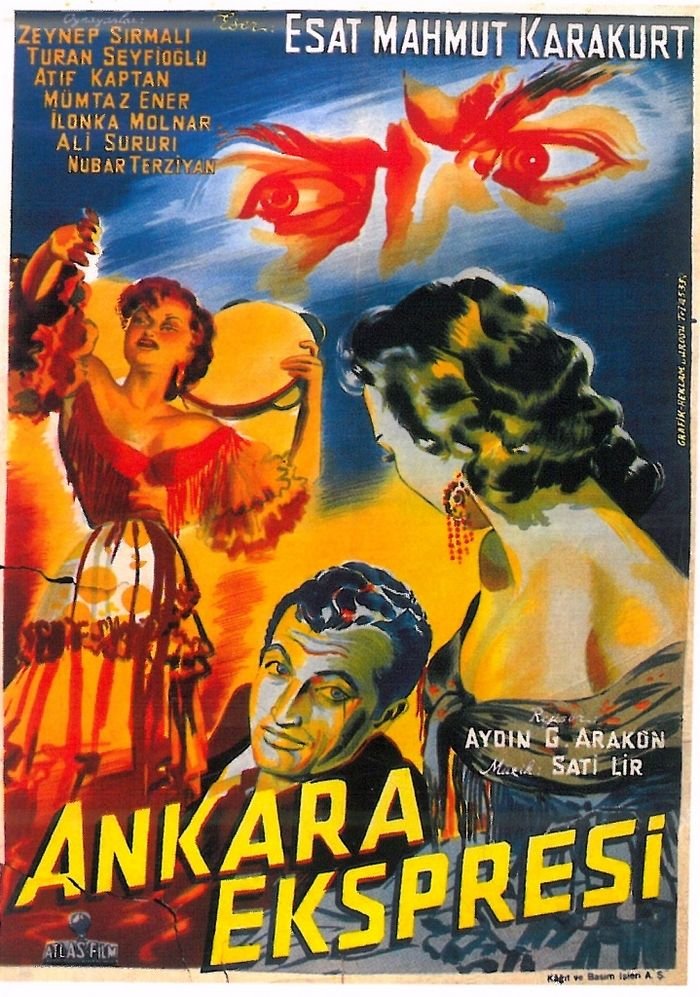 Ankara Express (Ankara Ekspresi) (translated)
- Göçmen Çocuğu
- Vatan ve Namık Kemal
- I Forgave Him (Onu Affettim) (translated)
- Fedakar Ana
- Baba Katili
- Kanatlardan Türbe
- Karadeniz Postası
- İstiklal Madalyası
-
 Kerim's Ordeal (Kerim'in Çilesi) (translated)
-
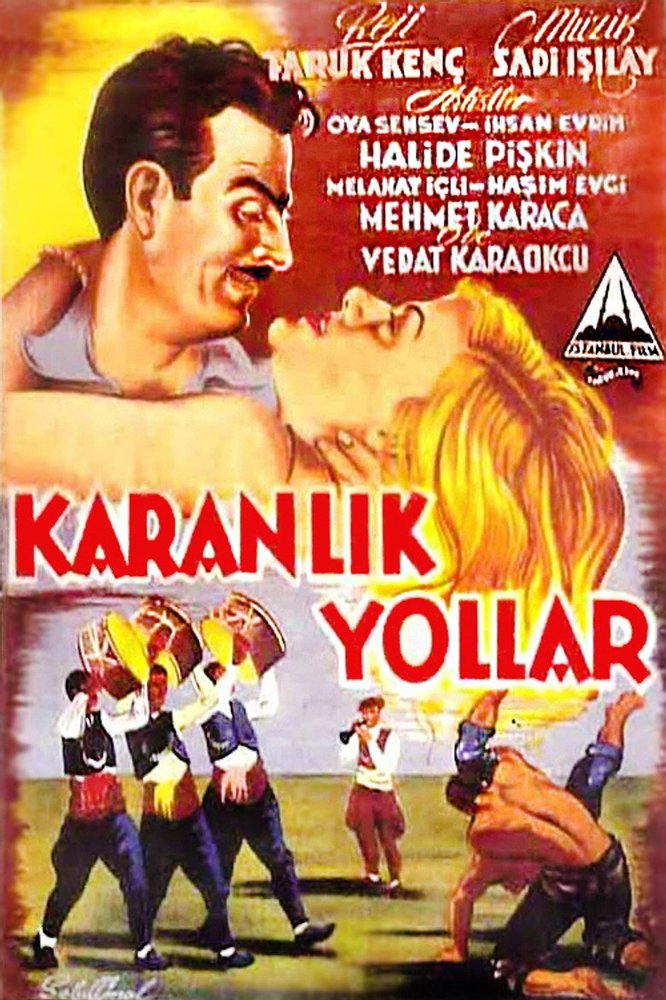 Dark Roads (Karanlık Yollar) (translated)
-
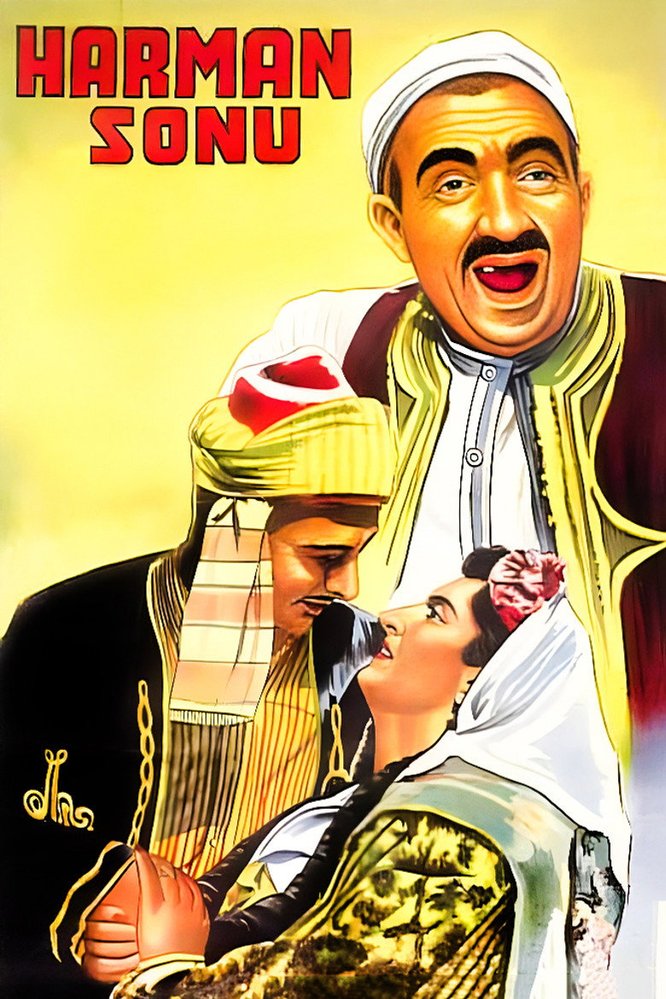 Harvest End (Harman Sonu) (translated)
-
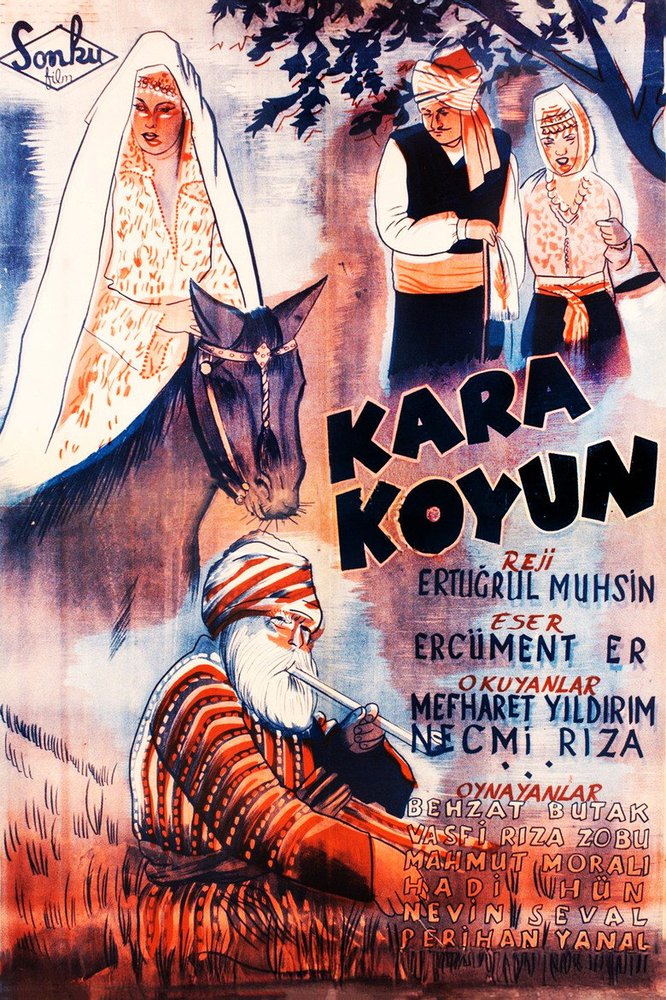 Kızılırmak
-
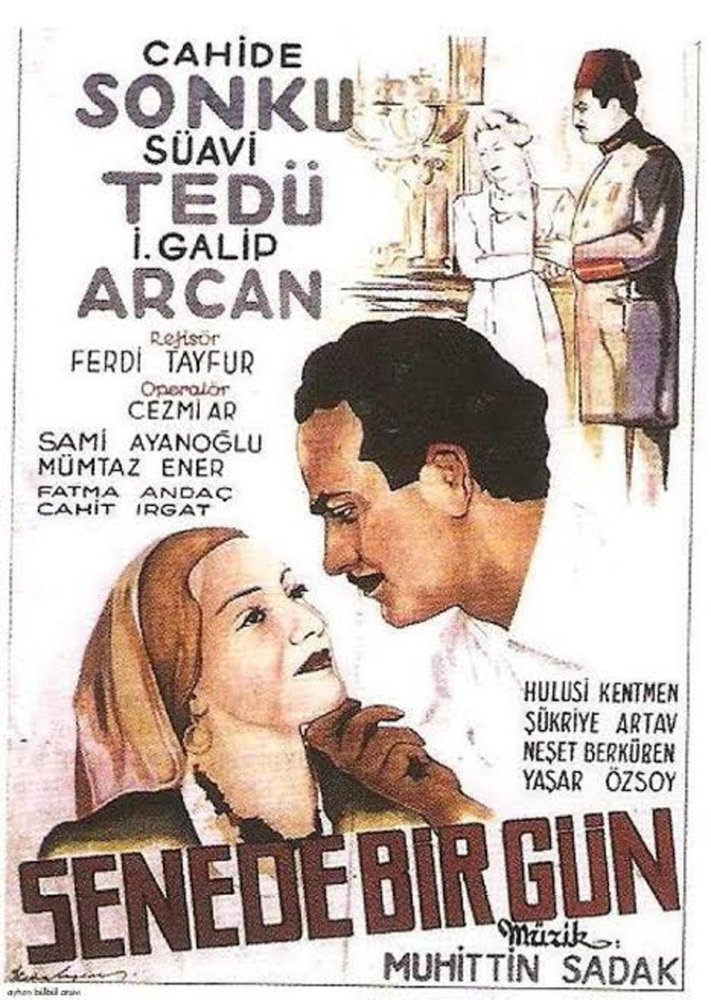 One Day a Year (Senede Bir Gün) (translated)
-
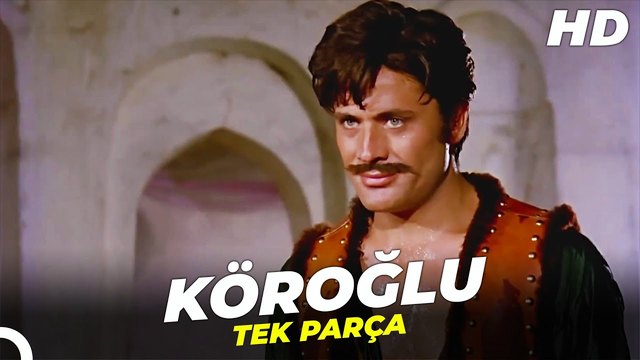 Köroğlu
- Yayla Kartalı
- Hürriyet Apartmanı
- Deniz Kızı
-
 Sürtük
- Kerem ile Aslı
-
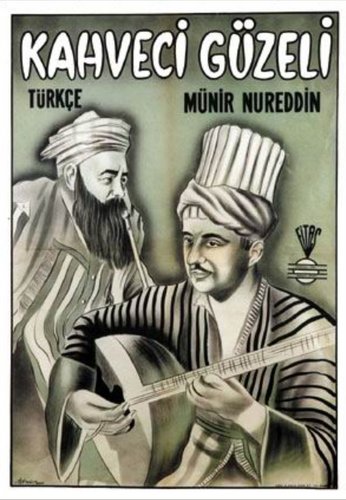 Coffee Shop Beauty (Kahveci Güzeli) (translated)
- Yılmaz Ali
-
 Acacia Palace (Akasya Palas) (translated)
-
 Victim of Lust (Şehvet Kurbanı) (translated)
Mümtaz Ener — Biography
Mümtaz Ener was one of the most prolific character actors of Yeşilçam: he appeared in 317 films, wrote the screenplays of four and directed seven, and also worked in voice acting. On screen he is mostly remembered in roles as an elderly man, an aga, a pasha or a father.
His career began on the stage rather than in film. Born in Muğla, Ener came to Istanbul and finished Kadıköy Aşiyan High School; in 1923 he made his first stage appearance in the musical Bülbül at the Istanbul Operetta. He played with the companies of Raşit Rıza, Sadi Tek and Muhlis Sabahattin, and later spent ten years with the Istanbul City Theatres. In 1940 Faruk Kenç gave him his chance in front of the camera in Yılmaz Ali. Through the 1940s he took part in productions such as Köroğlu (1945), Kızılırmak, Harman Sonu and Karanlık Yollar.
In the 1960s and 1970s he appeared in a great many films, playing Koca Yusuf in Köroğlu (1968), an Ottoman pasha in Cemo and a professor in Hanzo; Alın Yazısı, Üç Kağıtçılar and Kan are also among his credits. In his last years he complained of Yeşilçam's lack of loyalty to its veterans. He died in a nursing home on 11 July 1989 and was buried in Karacaahmet Cemetery. His daughter is the singer and actress Erden Ener.
Reactions
You can pick up to 3 reactions.
Comments