Those Who Awaken in the Dark (Karanlıkta Uyananlar)

Those Who Awaken in the Dark (Karanlıkta Uyananlar) (translated)

Movie · 1965 · 7 people

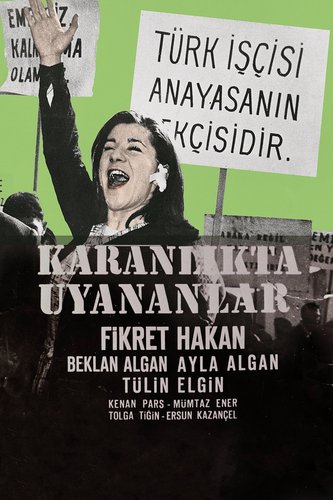
Turkish political drama Karanlıkta Uyananlar (Those Who Awaken in the Dark) was shot in black and white. Vedat Türkali wrote the screenplay, Ertem Göreç directed, and Lütfi Ö. Akad and Beklan Algan produced. At about 114 minutes, it is dated 1964 as a production and reached viewers in 1965. Its subject is the struggle of the workers in a paint factory and a young employer who inherits the firm when his father dies and takes the labourers' side. It tackles unionisation, workers' rights and strikes, which few Turkish films of its time did.

Fikret Hakan plays Turgut in the lead, with Beklan Algan as Ekrem, Kenan Pars as Fahri, Tülin Elgin as the painter girl and Ayla Algan as the woman in love with Ekrem. Faik Coşkun appears as the tavern keeper Garbis and Ahmet Koç as the striking worker Ohannes. Friendship, betrayal and struggle run through a story that also reaches into taverns and the neighbourhood.

The cinematography is credited to Turgut Ören and Mahmut Demir, the music to Nedim Otyam. Filmo Ltd. Şti. is the production company, and Lale Film handled the dubbing. At the 2nd Antalya Film Festival the film took Best Screenplay, Best Original Music and Third Best Film, yet protests by a group led the Ministry of Interior to pull it from screening.

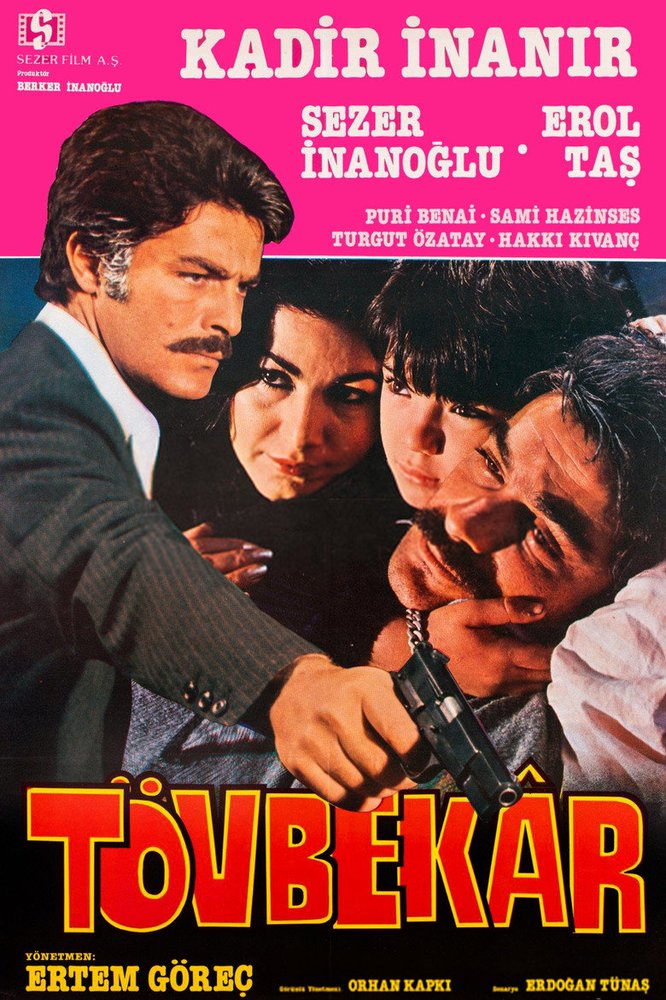
DirectorErtem Göreç
Production companyFilmo Ltd. Şti.

Reactions

You can pick up to 3 reactions.

Cast
Through different eyes

Yeşilçam Nostalgic A viewer raised on the classics, looking for warm storytelling and strong acting.

For an eye used to Yeşilçam's love stories and family melodramas, Karanlıkta Uyananlar is a brave film from a different vein. Vedat Türkali's screenplay sets workers against employers without losing its moral centre; the young boss who sides with the workers is a fresh take on the good-hearted heroes of the era. Traces of the dubbing tradition, such as Sadettin Erbil voicing Fikret Hakan, will feel familiar to anyone who loves the cinema of those years. Nedim Otyam's score, which won at Antalya, is among the things worth remembering. That it was pulled from screens after its awards is a sorrow of its own.

History & Society Lens Asks about the period, the social background and what the work reflects.

Karanlıkta Uyananlar is remembered as one of the few Turkish films to tackle unionisation, workers' rights and strikes head-on, which alone gives it a special place in the cinema of its day. The way the story reaches beyond the factory to the tavern and the neighbourhood shows an effort to see labour not only at the workplace but within everyday life. Characters such as Garbis and Ohannes also point to a wish to portray the world of labour as multicultural. That the film was pulled from screens by a Ministry decision after a group's protest, despite winning awards at Antalya, says plainly how ready those years were to debate such issues on screen.

Cinephile Looks at script, editing and directing choices; keeps a distance from formula films.

It is no surprise the screenplay won at Antalya; by weaving the class conflict together with personal themes such as friendship and betrayal, Türkali lowers the risk of a mere thesis film. Even so, a young employer who sides with the workers is a dramatically convenient solution. The tendency to frame the conflict not between boss and worker but between people of good and bad intent softens, in my view, the film's class analysis at times. Göreç opening the story beyond the factory to the tavern and the neighbourhood lets the narrative breathe. Having Lütfi Ö. Akad among the producers also hints at the film's ties to the realist ambitions of its time. Black-and-white images and dubbing may distance today's viewers, but its historical value makes up for that.

These are not reader reviews: they are short editorial takes written from different viewer perspectives with AI assistance. Reader reviews are below.

Reviews (0)

Log in Log in to write a review.

Comments