

Kenan Pars
Actor · died at 88
Profile
| Age at death | 88 |
|---|---|
| Birth date | March 10, 1920 |
| Birthplace | Istanbul |
| Died | March 10, 2008 |
| Place of death | Istanbul, Turkey |
| Profession | Actor, Film director, Stage actor |
| Zodiac sign | Pisces |
In the rankings
Filmography / Projects
- Bonds of Life (Hayat Bağları) (translated)
- Zirvedekiler
- Fatih-Harbiye
-
 Fog (Sis) (translated)
- Kuruluş: Osmancık
- Sana Can Dayanmaz
- Emanet
- Yaşamak
- Hüküm
- Menekşeler Mavidir
- Kader Utansın
- Zirve
- Yaşamak Haram Oldu
- To Be Reborn (Yeniden Doğmak) (translated)
- Tomorrow Is Now Today (Yarın Artık Bugündür) (translated)
- Lotto Kralı
- Kertenkele
- Aslan Oğlum
- Sosyete Şaban
- Kaşık Düşmanı
- Küçük Ağa
- Kördüğüm
-
 Jewel Thieves
-
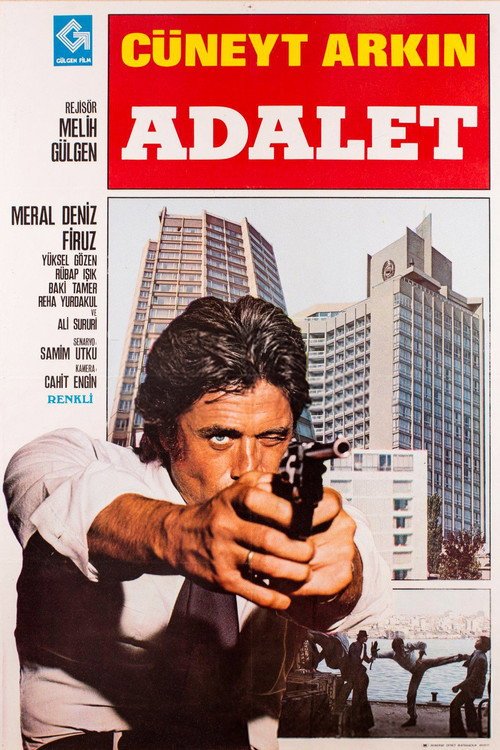 Justice (Adalet) (translated)
-
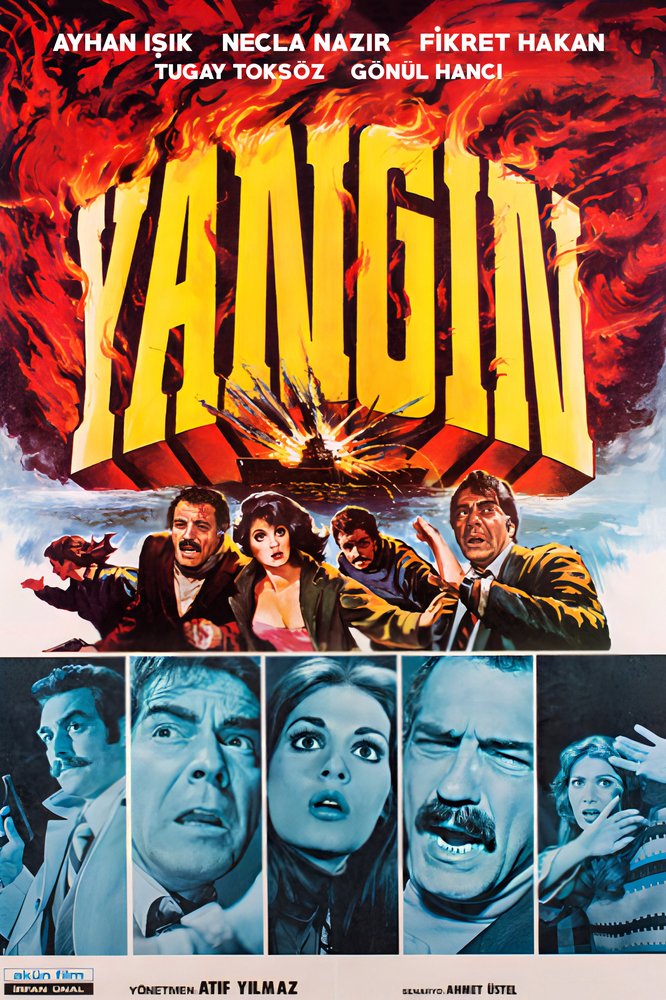 Fire (Yangın) (translated)
- İkimiz De Sevdik
- Ölmeyen Şarkı
- Bir Adam Yaratmak
-
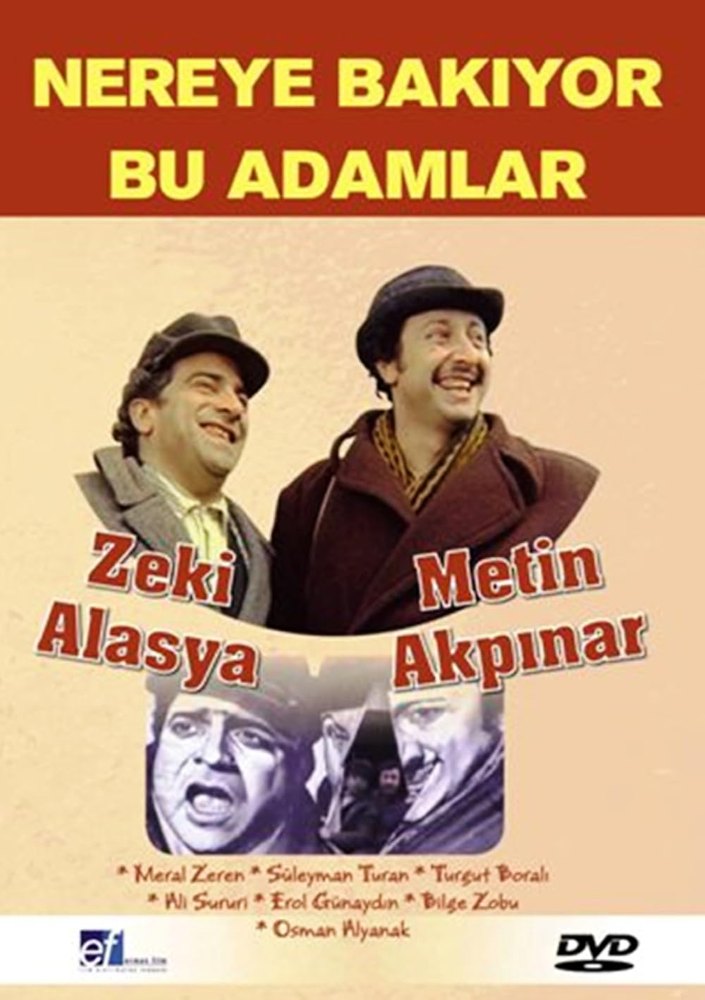 Where Are These Men Looking? (Nereye Bakıyor Bu Adamlar) (translated)
-
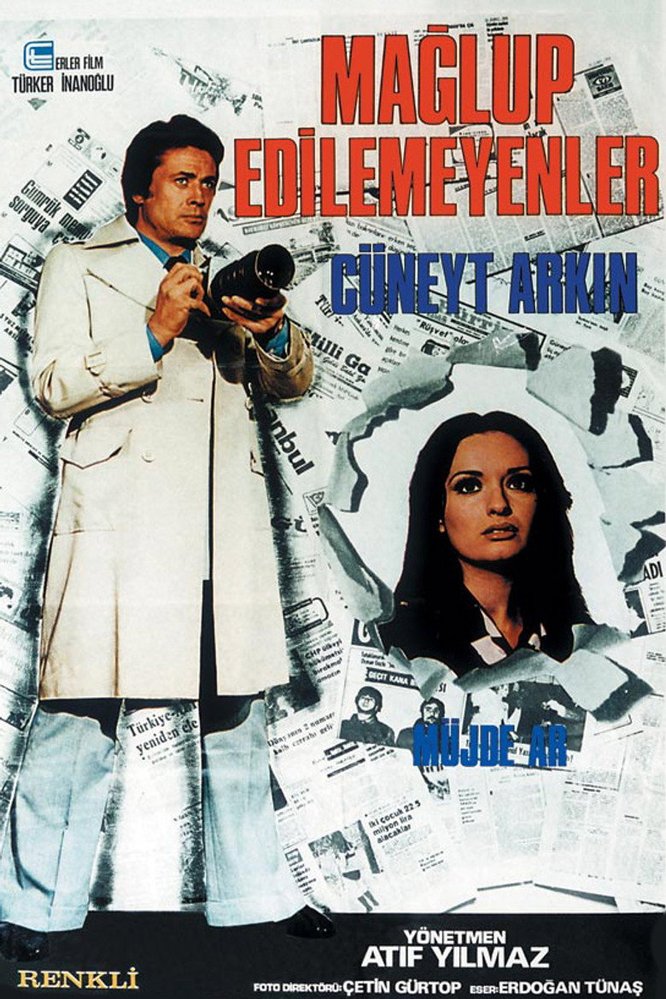 The Unconquerable (Mağlup Edilemeyenler) (translated)
-
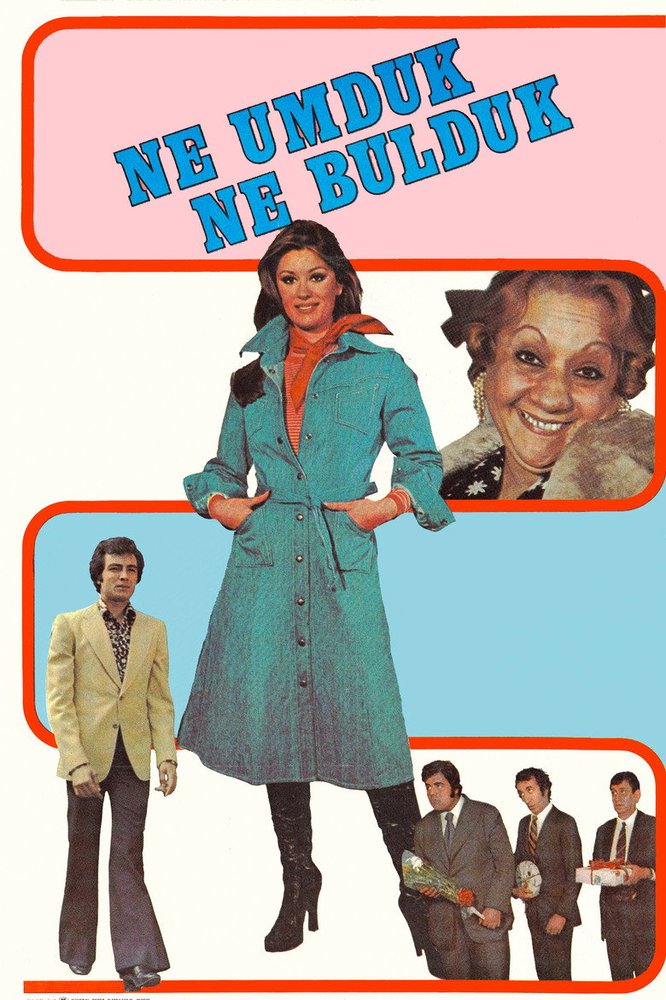 What We Expected and What We Found (Ne Umduk Ne Bulduk) (translated)
-
 Special Squad Shoots on Sight (Gördüğün Yerde Vur)
-
 Two Angry Men
- Sevdalılar
- İntikamcı
-
 Let's Meet at Dawn (Şafakta Buluşalım) (translated)
- Stupid Sisters (Salak Bacılar) (translated)
- Parasızlar
- Beş Milyoncuk Borç Verir misin
- O'nun Hikayesi
- Seferim Var
- Cellat
- Kral Benim
- Delicesine
- Vur Tatlım
- Bir Ana Bir Kız
- Sıra Sende Yosmam
- Gençlik Köprüsü
- Macera
- Yarınlar Kimin
- Taşralı Kız
- Diriliş
- Silah Kardeş Elinde
- Bir Tanem
- Eski Kurtlar
- Aşkın Zaferi
- Memleketim
- Aç Gözünü Mehmet
-
 Kara Murat, Fatih's Decree (Kara Murat Fatih'in Fermanı) (translated)
- Kızım
- Yirmi Yıl Sonra
- Zengin ve Serseri
- Serseriler Kralı
- Düşman Aşıklar
- Aşkın Kanunu
- Katiller de Ağlar
- Kenarın Dilberi
- Meleklerin İntikamı
- Seni Bekleyeceğim
- Tehlikeli Oyun
- İstanbul Dehşet İçinde
- Biraz Kül Biraz Duman
- Yiğit Yaralı Olur
-
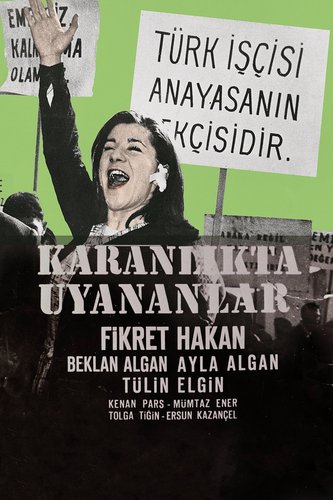 Those Who Awaken in the Dark (Karanlıkta Uyananlar) (translated)
-
 The Fight of the Giants (Devlerin Kavgası) (translated)
-
 The Bread Seller Woman (Ekmekçi Kadın)
- On Korkusuz Kadın
- Son Kuşlar
- Şıngırdak Melahat
- Fakir Gencin Romanı
- Ölümden Beter
- Sırtımdaki Bıçak
- Beni Kadınlara Sor
- Ateş Gibi Kadın
-
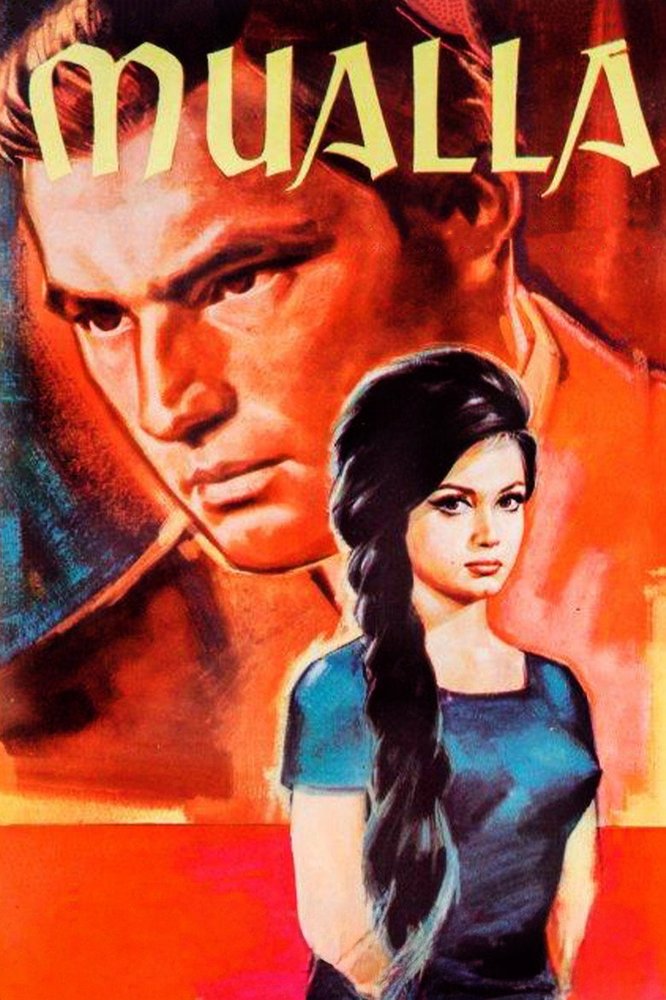 Mualla
-
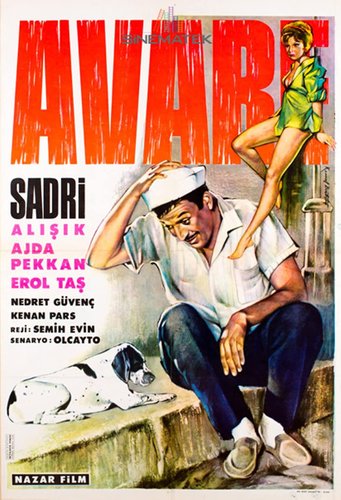 The Vagabond (Avare) (translated)
-
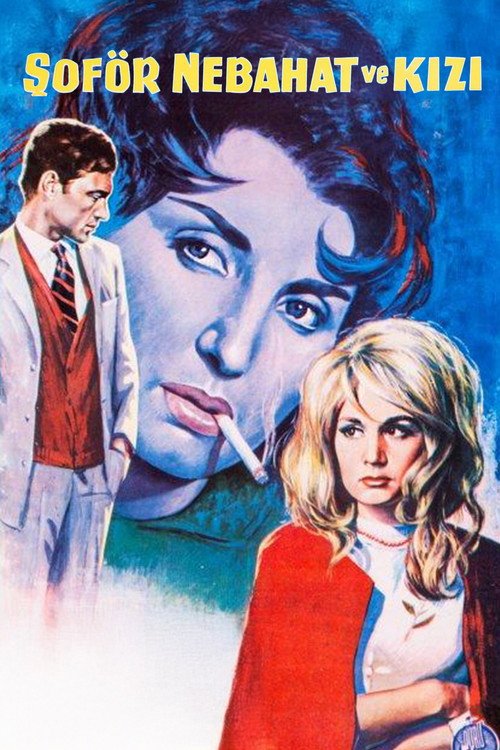 Driver Nebahat and Her Daughter (Şoför Nebahat ve Kızı) (translated)
- Aşka Susayanlar
- Macera Kadını
- Afili Delikanlılar
- Köye Giden Gelin
- Varan Biiir
- Kocaoğlan: Aşk Budalası
- Ölüm Pazarı
- Aşka Tövbe
-
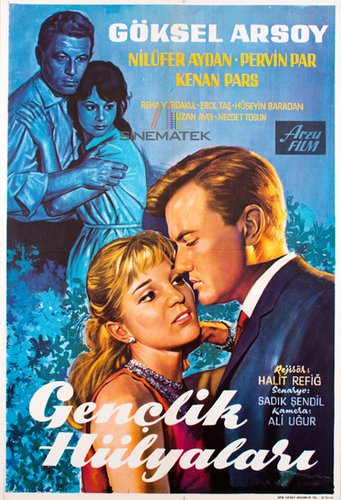 Youthful Dreams (Gençlik Hülyaları) (translated)
- Sahte Nikah
- Lekeli Kadın
- Esir Kuş
- Aramıza Kan Girdi
- Küçük Beyefendi
- Allah Cezanı Versin Osman Bey
- Aşk ve Yumruk
- Bülbül Yuvası
- İçimizden Biri
- Bir Yetimenin Hasreti
- Kalp Yarası
- Gurbet
- Samanyolu
- Ömrüm Böyle Geçti
- Şeytan Mayası
- Funda
- Kederli Yıllar
- İzmir Ateşler İçinde
- Şoför Nebahat
- Ömrümün Tek Gecesi
- Duvaklı Göl
- Kızımın Başına Gelenler
- Yavrum İçin
- Ateş Rıza
- Hayat Cehennemi
- Gönülden Ağlayanlar
- Bir Dilim Ekmek
- Mahşere Kadar
- Pusu
-
 Revenge of the Flame (İntikam Alevi)
- Sazlı Damın Kahpesi
-
 They Paid With Their Blood
- Günahkar Baba
- Ecel Köprüsü
- Cingöz Recai
- Aramızda Yaşayamazsın
-
 Murderous City (Öldüren Şehir)
-
 Victim of Lust (Şehvet Kurbanı) (translated)
Kenan Pars — Biography
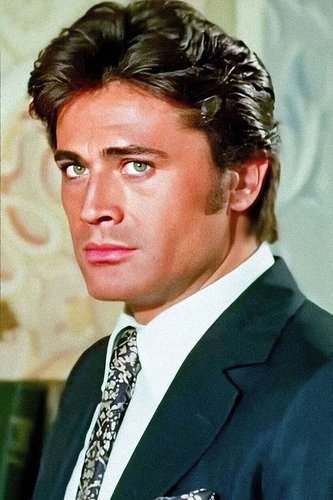
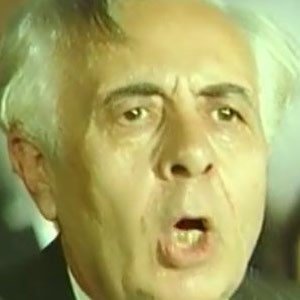
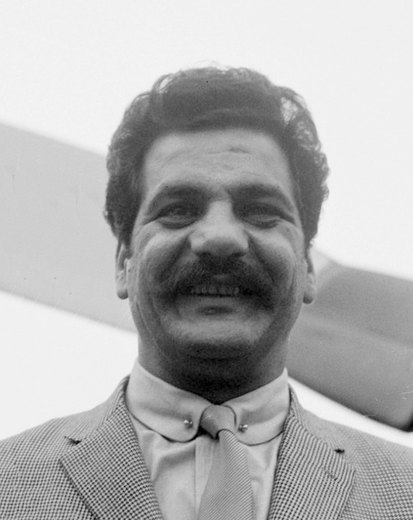
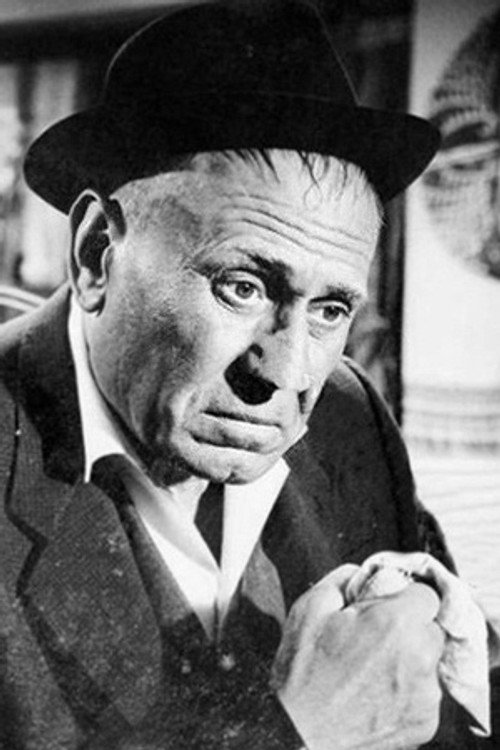
Turkish-Armenian actor and director Kenan Pars, born Kirkor Cezveciyan on 10 March 1920 in Istanbul, lived with his family for a time in Zonguldak before they settled in Bakırköy, where Pars spent the rest of his life. During his military service in Balıkesir he was given a pickaxe instead of a rifle because he was not Muslim, and he later recalled working on the Akhisar-Sındırgı road as part of that duty. Across a career running from 1953 into the 2000s, he became one of Yeşilçam cinema's defining tough, villainous character actors in more than a hundred films, and alongside acting he directed six films, including Oğlum, Cinayet Gecesi and Aklın Durur, sometimes also writing or producing them. He was married to a Turkish woman from an Armenian family in Konya and had two daughters, Narin and Linda. He was also an enthusiast of Islamic calligraphy, and beaded artwork spelling the word "Allah" that he had made was displayed at his funeral. Pars died of lung cancer at his daughter's home on 10 March 2008, his own birthday, and was buried at the Armenian Cemetery in Bakırköy following a service at its Armenian church attended by fellow actors including Ediz Hun and Müjdat Gezen.
Photos
Reactions
You can pick up to 3 reactions.
Comments