Migrant Birds (Gurbet Kuşları)

Migrant Birds (Gurbet Kuşları) (translated)

Movie · 1964 · 9 people

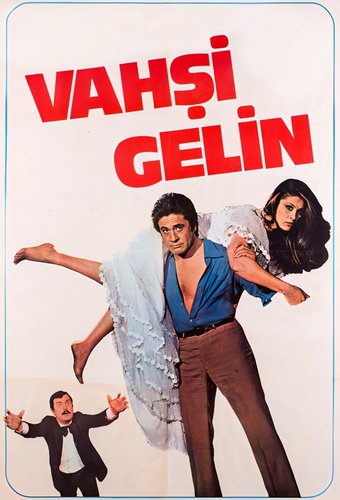
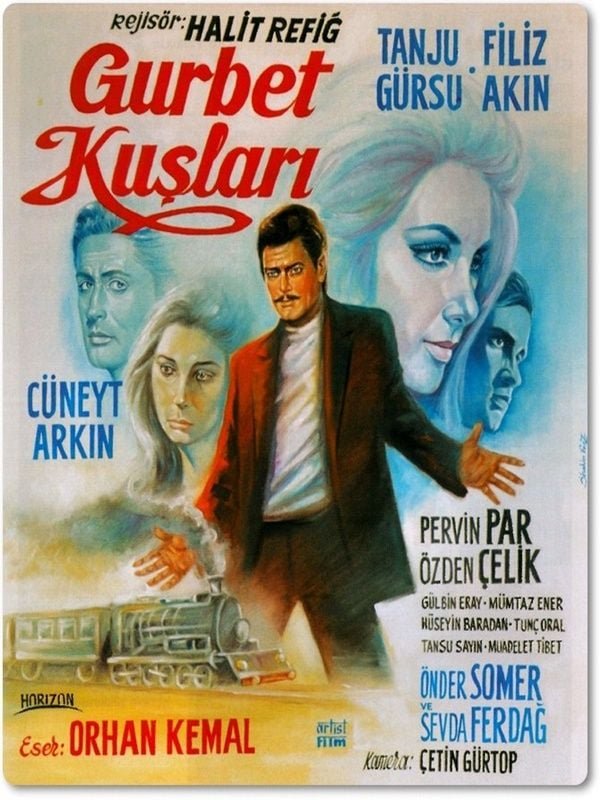
Black-and-white Yeşilçam drama Gurbet Kuşları (Birds of Exile) dates from 1964 and was directed by Halit Refiğ. Adapted from Orhan Kemal's 1962 novel, it is counted among the first Turkish films on migration from countryside to city. It won Best Film and Best Director at the 1st Antalya Film Festival. It was Cüneyt Arkın's acting debut, and his stardom is tied to it.

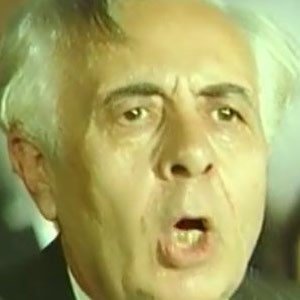
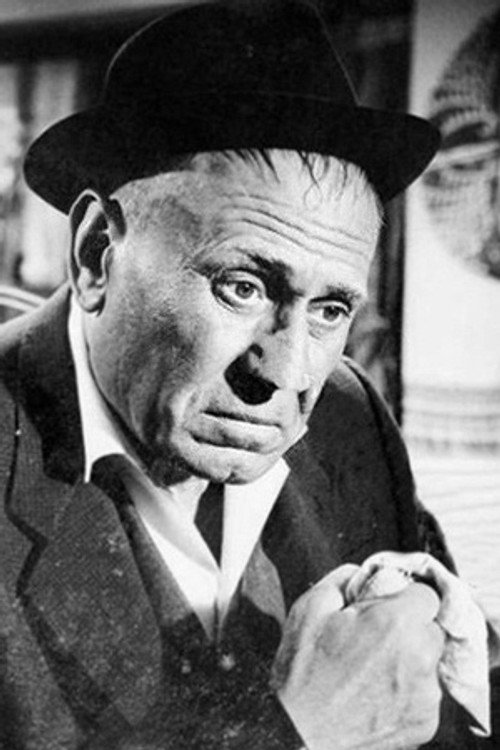
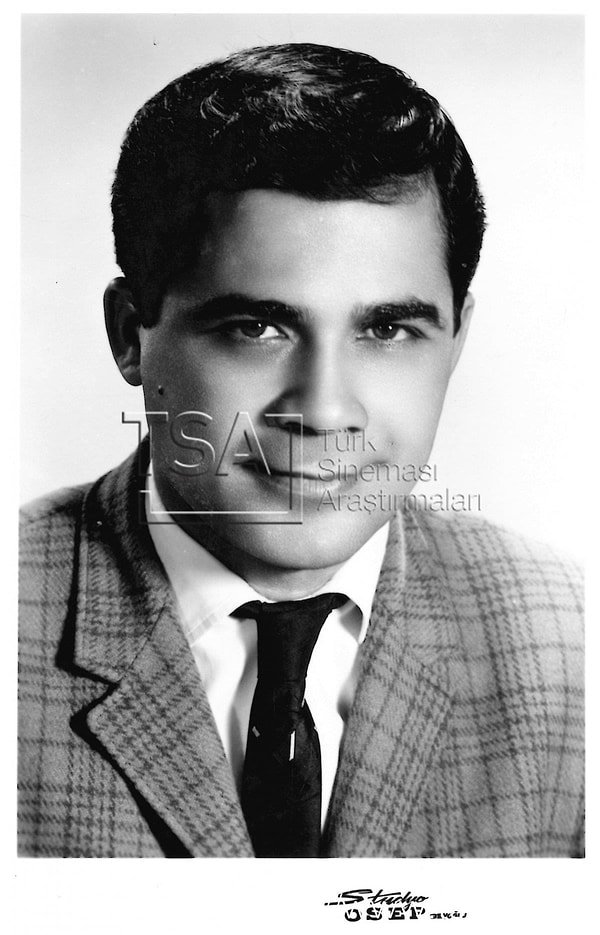
The story opens at Haydarpaşa Station, where the Bakırcıoğlu family arrives after selling their shop and gardens in Kahramanmaraş. Mümtaz Ener plays the father, Tahir; Tanju Gürsu plays Murat, Cüneyt Arkın plays Selim, and Özden Çelik plays Kemal, who hopes to attend university. Pervin Par plays daughter Fatma, and Filiz Akın plays Ayla, whom Kemal loves. The family hopes to open an auto repair shop but is swindled at once. The city then pulls each in a different direction: Murat drives a taxi and falls for a nightclub performer, Selim grows close to a neighboring Greek mechanic's wife, and Fatma is drawn into the city's temptations. Tahir's authority weakens as he tries to hold them together.

Orhan Kemal and Refiğ co-wrote the screenplay; Recep Ekicigil produced for Artist Film and Çetin Gürtop shot it. It is also linked to Özakman's play Ocak and Visconti's Rocco and His Brothers.

DirectorHalit Refiğ
Production companyArtist Film

Reactions

You can pick up to 3 reactions.

Cast

Through different eyes

Yeşilçam Nostalgic A viewer raised on the classics, looking for warm storytelling and strong acting.

A family stepping off the train at Haydarpaşa Station makes one of Yeşilçam's most heartfelt openings. In Halit Refiğ's hands, Orhan Kemal's novel keeps all its warmth, and watching the authority of the father, Tahir, played by Mümtaz Ener, slowly crumble is genuinely moving. Seeing Cüneyt Arkın in his very first film, with a freshness that hints at the star he would become, is a pleasure of its own, and Filiz Akın brings her familiar grace. A black-and-white classic that shows how the big city pulls a family apart without ever preaching.

History & Society Lens Asks about the period, the social background and what the work reflects.

Gurbet Kuşları is counted among the first Turkish films about migration from the countryside to the city, and that pioneering status still shows. The Bakırcıoğlu family, who sold their shop and gardens in Kahramanmaraş, learn the city's rules by being swindled on their very first day. The film treats migration not as a single drama but as an unravelling that pulls each member in a different direction: taxi driving, a nightclub, a university dream, the lure of the city. The erosion of the father's authority is a plain, effective way of showing how the traditional family is tested in the city. A valuable document for anyone curious about Turkey's great social shift in the 1960s.

Cinephile Looks at script, editing and directing choices; keeps a distance from formula films.

Halit Refiğ's film has the ambition that makes its double win at Antalya, Best Film and Best Director, easy to understand. The Haydarpaşa opening is a strong narrative idea, catching the family on the threshold of the city, and Çetin Gürtop's black-and-white photography makes Istanbul look both alluring and threatening. The link often drawn with Visconti's Rocco and His Brothers is no accident: the structure that sends each brother down his own road has a similar architecture. Still, carrying so many subplots, the script sometimes leans on easy melodramatic solutions, and some characters stay at the level of sketches. Flaws aside, it is an important link in the period when Yeşilçam turned most seriously toward social realism.

These are not reader reviews: they are short editorial takes written from different viewer perspectives with AI assistance. Reader reviews are below.

Reviews (0)

Log in Log in to write a review.

Comments