

Sevda Ferdağ
Actor · died at 81
Profile
| Age at death | 81 |
|---|---|
| Birth date | August 15, 1942 |
| Birthplace | Edremit |
| Died | February 17, 2024 |
| Place of death | Istanbul, Cihangir |
| Profession | Actor |
| Zodiac sign | Leo |
In the rankings



Filmography / Projects
-
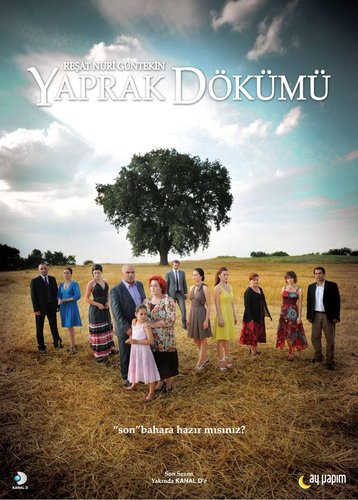 The Fall of Leaves (Yaprak Dökümü) (translated)
- The Pilgrim (Hacı) (translated)
- Eylül
- The Bride (Gelin) (translated)
- Berivan
-
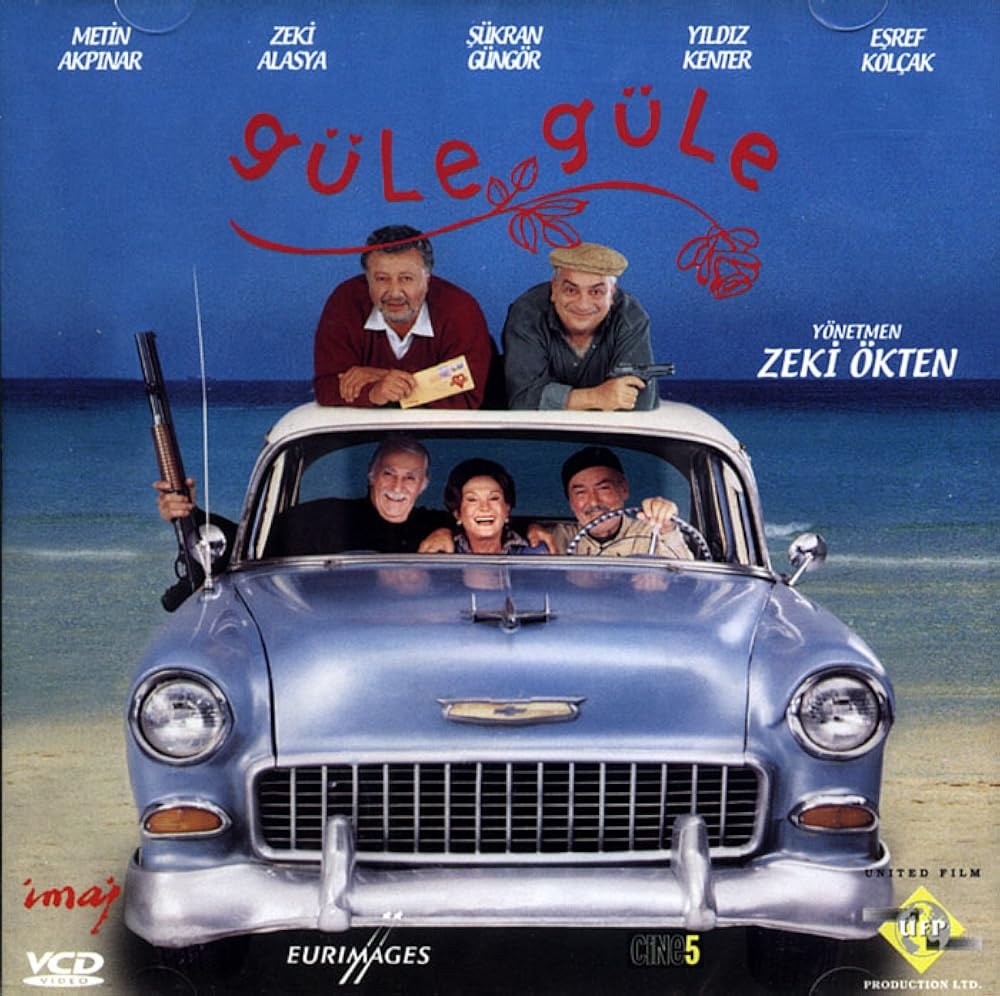 The Raindrop (Güle Güle)
- Love Wanders in the Mountains (Aşkın Dağlarda Gezer) (translated)
-
 Cholera Street (Ağır Roman)
-
 Hot Hours (Sıcak Saatler) (translated)
- Yer Çekimli Aşklar: Gül ile Adem
-
 Gravitational Loves (Yer Çekimli Aşklar) (translated)
-
 Upside-Down World (Tersine Dünya) (translated)
- Senin İçin Bir Kadeh
-
 The Secret Face (Gizli Yüz)
-
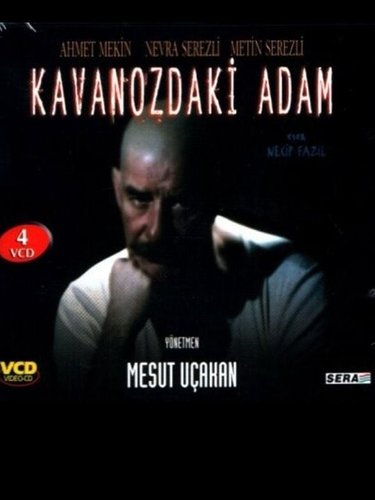 Man in the Jar (Kavanozdaki Adam)
-
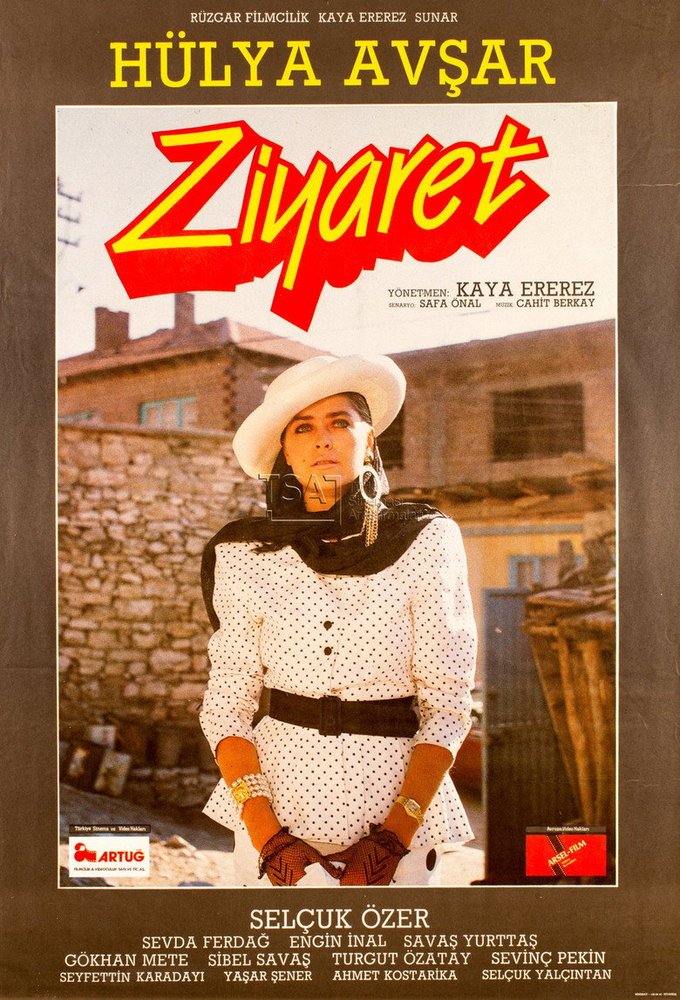 The Visit (Ziyaret) (translated)
- Orphans (Öksüzler) (translated)
- Sıcak Tatlı Yaz
- Eşşek Oğlum ve Ben
- Babamın Namusu
- Düğün
- Sende mi Şakir
- Gülümse Biraz
- Kadın Bir Defa Sever
- The Price (Bedel) (translated)
- The Uninvited Guest (Davetsiz Misafir) (translated)
- Seninle Son Defa
- Derbeder
-
 The Angel of Vengeance – The Female Hamlet
- Tokat
-
 King of Doormen (Kapıcılar Kralı) (translated)
- Deli Deli Tepeli
- Macera
- Ne Hakem
-
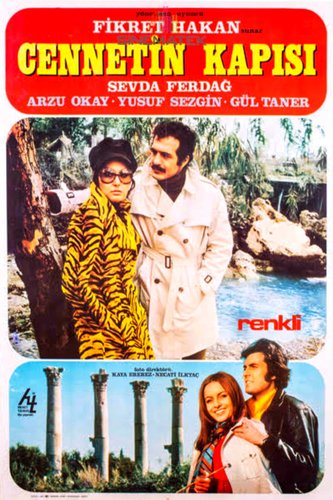 Gate of Heaven (Cennetin Kapısı) (translated)
- Dikiz Aynası
- The Innocent (Günahsızlar) (translated)
- Ay, Aman, Of!..
- Yalan Dünya
- Ayşecik: Bahar Çiçeği
- Tamam mı Canım
- Serseri Kabadayı
- Muhabbet Kuşu
-
 Spy Smasher (Casus Kıran)
- Benimle Evlenir Misin
- Bir Damat Aranıyor
- Menderes Köprüsü
- Son Vurgun
- Belalı Hayat
- Anjelik ve Deli İbrahim
- Son Söz Benim
- Aslan Yürekli Kabadayı
- Sefiller
- Ağlayan Kadın
- Hindistan Cevizi
- Karım Beni Aldatırsa
- Galatalı Mustafa
- Kanunsuz Kahraman
- Ağır Suç
- Hacı Murat
- Ölüm Saati
- Anjelik Osmanlı Saraylarında
- Gençlik Türküsü
- Kardeş Kavgası
-
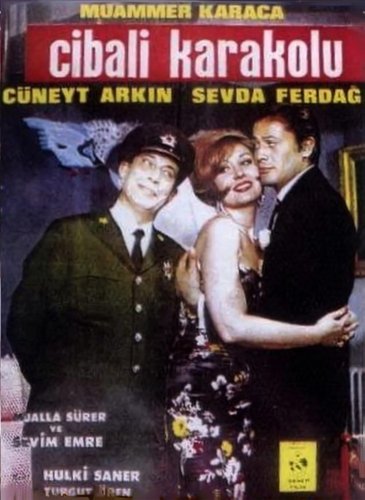 Cibali Police Station (Cibali Karakolu) (translated)
- Kanun Benim
- Arzunun Bedeli
- Babam Katil Değildi
- Para Kadın Silah
- Kahreden Kurşun
- Bir Caniye Gönül Verdim
- Posta Güvercini
- Helal Adanalı Celal
- Kart Horoz
- Taşralı Amca
- Tehlikeli Adımlar
- Vahşi Gelin
- Sonsuz Geceler
- Cezmi Band 007 Buçuk
- Hazreti Yusuf
- Beleş Osman
- Son Darbe
- İstanbul'un Kızları
-
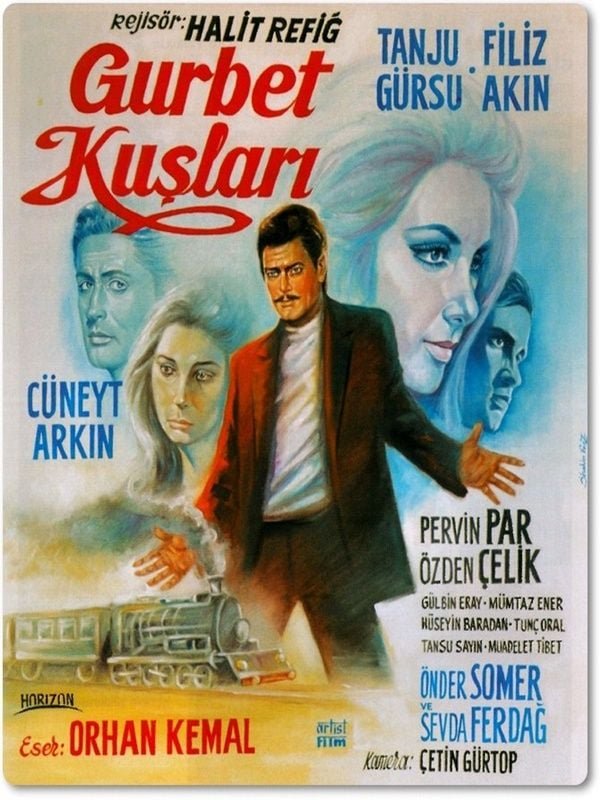 Migrant Birds (Gurbet Kuşları) (translated)
-
 There's a Letter from Halime (Halime'den Mektup Var) (translated)
- Ölümün Ücreti
- Adanalı Tayfur Kardeşler
- On Korkusuz Adam
- Kelebekler Çift Uçar
- Erkek Ali
- Beş Şeker Kız
- Hizmetçi Dediğin Böyle Olur
- Sokakların Kanunu
- Günah Kadınları
- Hızır Dede
- Beyoğlu Piliçleri
- Helal Olsun Ali Abi
- Ezrailin Habercisi
- Sarı Zeybek
Sevda Ferdağ — Biography
Born Lütfiye Dumrul, Sevda Ferdağ came into the world on 15 August 1942 in the Edremit district of Balıkesir; after losing her father in early childhood, she was drawn toward acting by her art-minded family and her older half-sister, actress Ferda Ferdağ. She stepped into cinema at just sixteen with the 1958 film O Günden Sonra, and when that attempt went nowhere she spent time modelling in Germany; five years later, homesick for Istanbul, she returned and made a lasting entry into Yeşilçam with Azrailin Habercisi in 1963.
Over a fifty-year career spanning more than 150 films, remembered chiefly for femme-fatale roles, Ferdağ won a Golden Orange award in 1979 for playing Nesrin in Seninle Son Defa and again in 1998 for Ağır Roman; she received the Sadri Alışık Honour Award alongside Orhan Aksoy in 2003, and the Golden Orange Lifetime Achievement Award in 2009 together with Vedat Türkali, Ülkü Erakalın and Yalçın Tura, saying she accepted it in the name of Halit Refiğ. In leaner years for acting she supported herself singing in nightclubs, and after a long relationship with Tamer Yiğit never led to marriage, she chose not to marry at all. She died at her home in Cihangir on 17 February 2024, aged 81, and was buried at Beşiktaş Kuruçeşme Cemetery following prayers at Zincirlikuyu Mosque.
Photos

Reactions
You can pick up to 3 reactions.
Comments