Orpheus (Orphée)

Orpheus (Orphée)

Movie · 1950 · 10 people

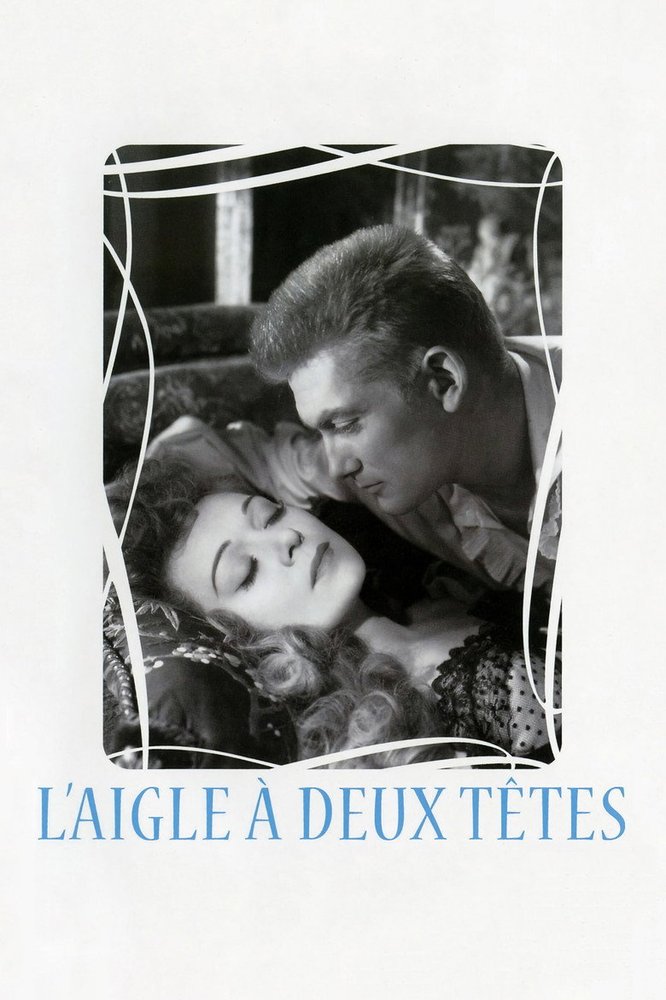
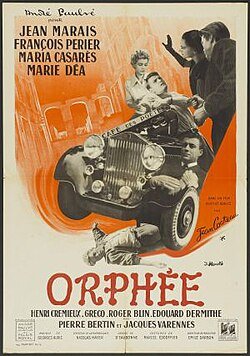
French poet Jean Cocteau wrote and directed Orpheus (French title Orphée), a black-and-white fantasy drama from 1950. It retells the Greek myth of Orpheus and Eurydice in Cocteau's surreal manner. Partly drawn from his 1926 play of the same name, it is the middle film of the Orphic Trilogy. It was first shown at the Cannes Film Festival on March 1, 1950, and was BAFTA-nominated for Best Film in 1951. Turkey first saw it in April 2000 at the Istanbul Film Festival.

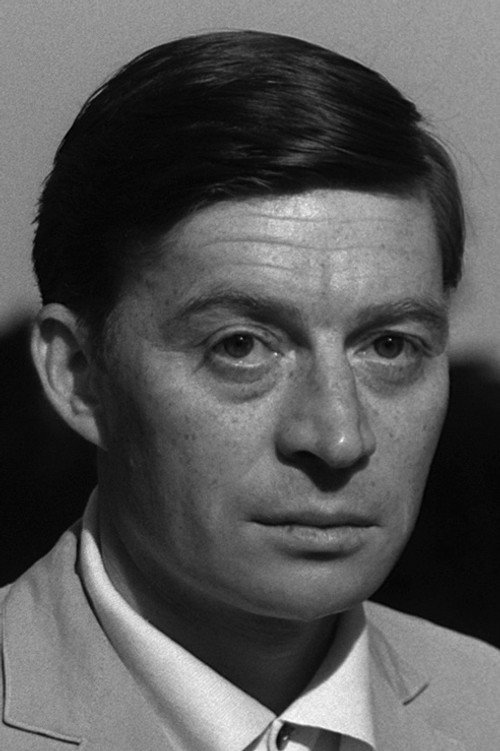
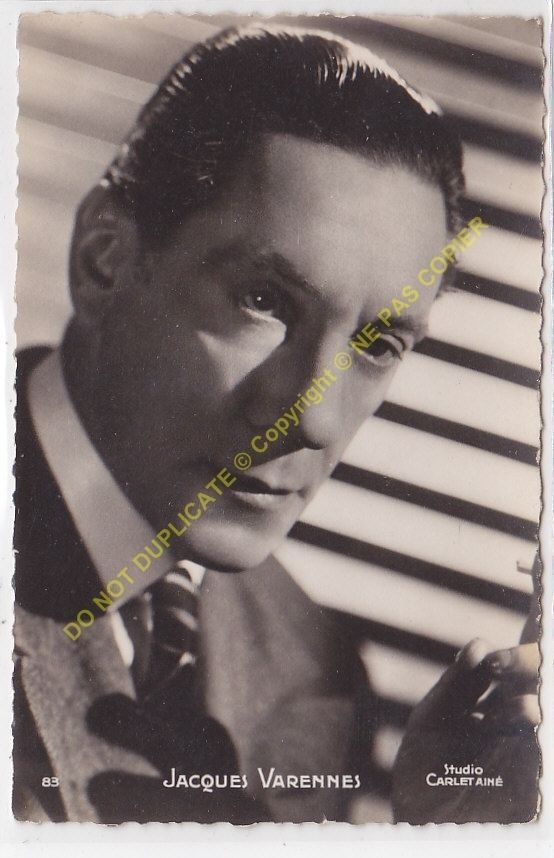
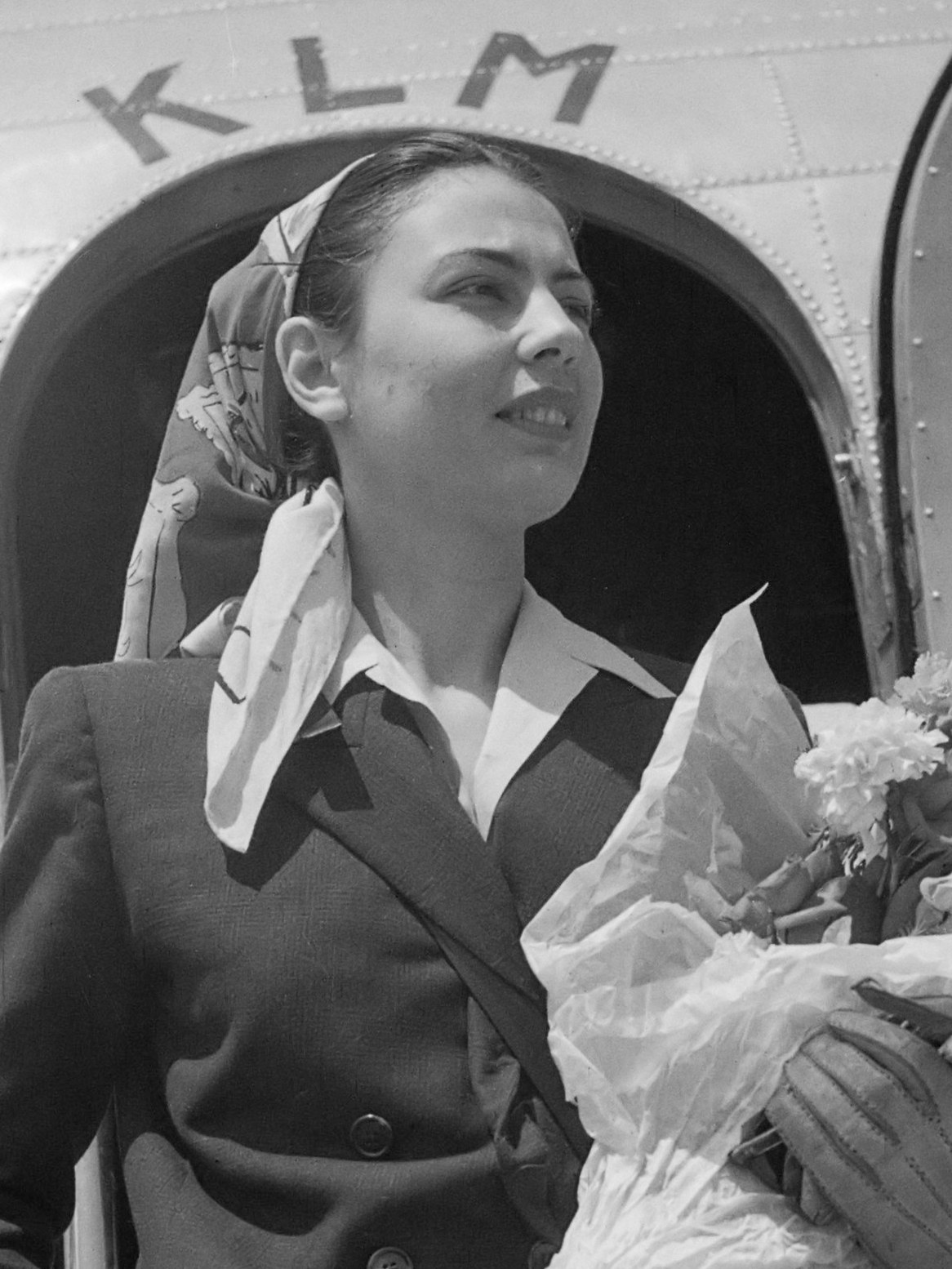
The story is moved to the Paris of the 1950s. Orphée (Jean Marais), a middle-aged poet who feels out of favour, sits in the Café des Poètes. There a young poet, Cégéste, picks a fight beside a Princess and dies in an accident. The Princess, who embodies Death (Maria Casarès), takes Orphée along. When his neglected wife Eurydice (Marie Déa) dies in a similar accident, Orphée goes down to the dead to bring her back. François Périer plays the chauffeur Heurtebise. Mirrors are the passage to the other world.

Nicolas Hayer shot it and Georges Auric, Cocteau's regular composer, wrote the score. Some read Orphée as Cocteau himself; Jean Marais, who plays him, was the director's partner.

DirectorJean Cocteau

Reactions

You can pick up to 3 reactions.

Cast

Names without a link have no profile here yet.

Through different eyes

Cinephile Looks at script, editing and directing choices; keeps a distance from formula films.

Cocteau's Orphée is one of those films that joyfully remind you cinema is an art of illusion. Moving the myth to 1950s Paris, embodying Death as a Princess and making mirrors the passage to the other world add up to a simple but remarkably effective poetic logic. Nicolas Hayer's black-and-white photography gives this dreamworld a sharp texture, and Georges Auric's score completes the mood. Maria Casarès's Princess, cold and magnetic, becomes the film's real centre, while Jean Marais makes the vain poet who feels himself falling out of favour believable. The narrative sometimes slows under the weight of its symbols, but that is the price a film pays for setting its own rules.

Family Viewer Asks whether the whole household can watch it; cares about humour and heart.

A black-and-white, French-language and rather dreamlike film. Its subject is death and loss, and a café brawl and fatal accidents are part of the story. Small children may find it both heavy and slow. It suits teenagers who are curious about mythology, and adults, much better. Watching it together and then talking about the Orpheus myth could start a nice family conversation.

These are not reader reviews: they are short editorial takes written from different viewer perspectives with AI assistance. Reader reviews are below.

Reviews (0)

Log in Log in to write a review.

Comments