A Handful of Paradise

A Handful of Paradise

Movie · 1985 · 8 people

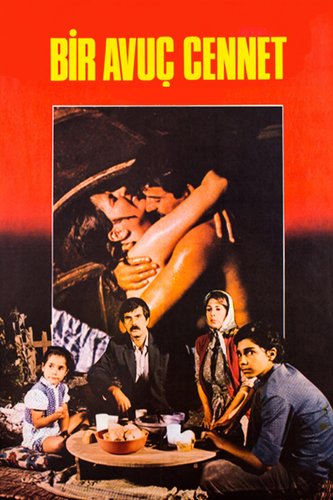
Muammer Özer wrote and directed Bir Avuç Cennet (A Handful of Paradise), a drama made in 1985 as a Turkish-Swedish co-production. Shot in colour on 35 mm, it runs 104 minutes. It looks with a realist eye at the housing problem created by years of internal migration, inflation and income inequality in Turkey. Özer, counted among the masters of the realist current, is also among the film's producers, alongside Sabahattin Çetin and Kadri Yurdatap, and the production companies are Mine Film, Devkino and Belge Film.

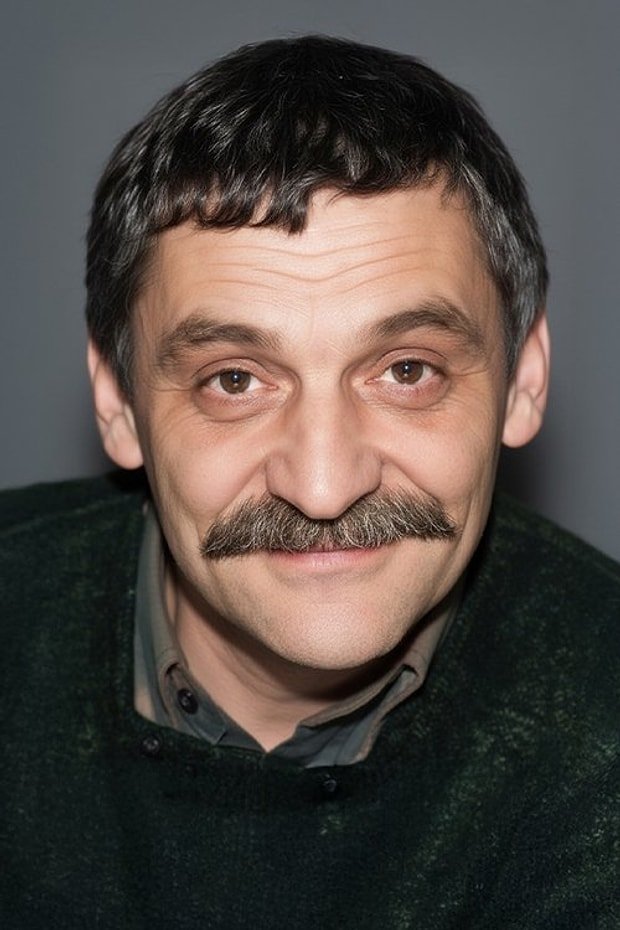
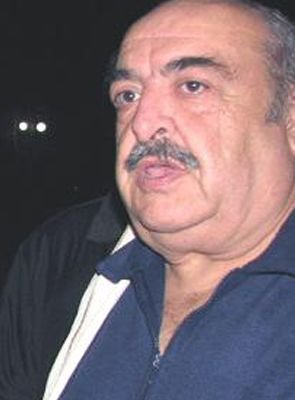
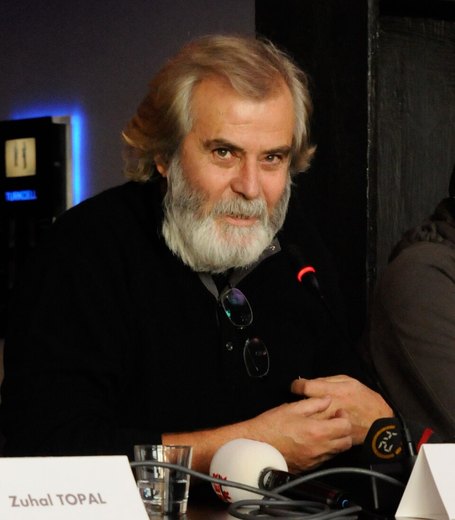
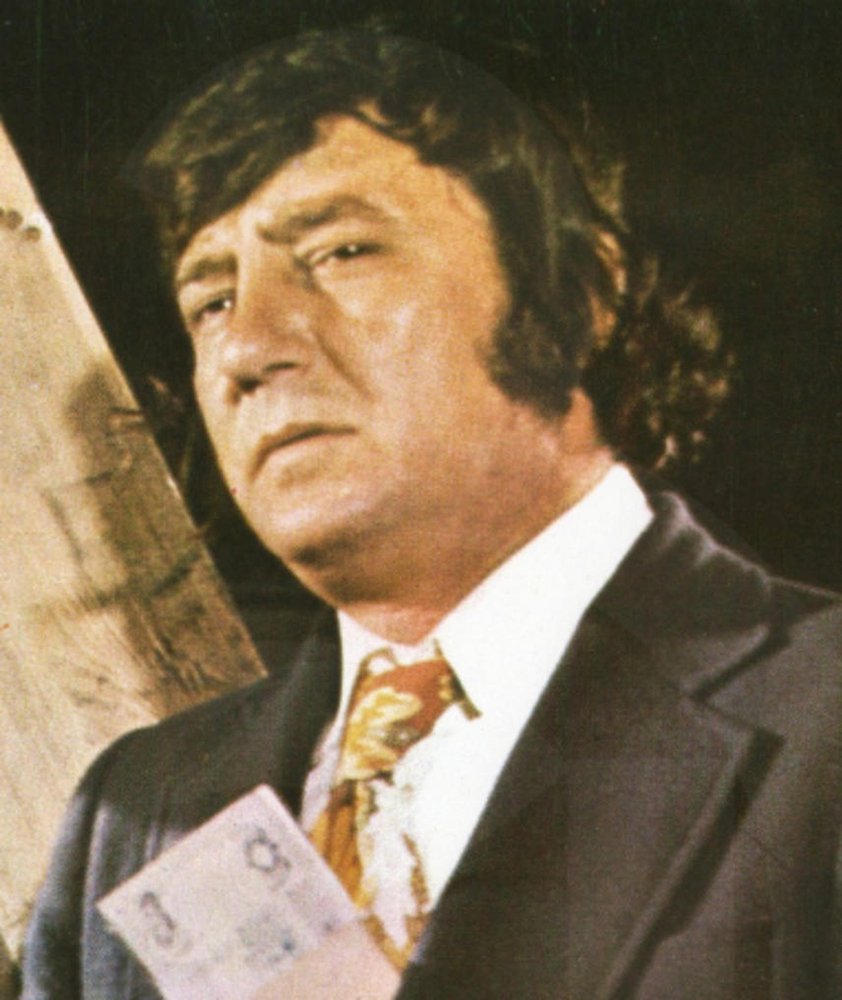
Emine and Kamil come to Istanbul hoping for a better life, only to learn that the relatives they trusted have died, leaving them on the street with their two children. With no money for rent, the couple repairs an abandoned bus and makes a home of it, but their small happiness does not last. Tarık Akan plays Kamil and Hale Soygazi plays Emine; they were dubbed by Erdal Özyağcılar and Sermin Hürmeriç. The cast also includes Yavuzer Çetinkaya (a butcher), Savaş Yurttaş (a thief), Selçuk Uluergüven (a municipal driver), Barış Adalı, Revnak Güzel, Ömer Yalnızcık and Orhan Çağman.

Hüseyin Özşahin was the cinematographer, Tarık Öcal composed the music and Yurdaer Erşan was art director. The film is also known for bringing together well-known actors of the 1980s.

DirectorMuammer Özer
Production companyMine Film, Devkino, Belge Film

Reactions

You can pick up to 3 reactions.

Cast

Also in the cast: Yavuzer Çetinkaya, Barış Adalı, Revnak Güzel, Ömer Yalnızcık

Through different eyes

History & Society Lens Asks about the period, the social background and what the work reflects.

A Handful of Paradise puts at its centre the housing problem created by internal migration, inflation and income inequality, and tells it through mid-1980s Istanbul. Emine and Kamil arrive hoping for a better life and, after losing the relatives they relied on, end up on the street with their two children, which shows how fragile the networks that migrants depend on can be. Turning an abandoned bus into a home is a powerful image about the right to shelter. Muammer Özer's place in the realist current suggests the subject is handled without embellishment. Figures such as a butcher, a thief and a municipal driver bring different layers of the city into the story. A valuable document for anyone who wants to understand the urban problems of the time.

Yeşilçam Nostalgic A viewer raised on the classics, looking for warm storytelling and strong acting.

Seeing Tarık Akan and Hale Soygazi as a couple clinging to each other against poverty touches the heart. In the story of this family who turn an abandoned bus into a home lies the finest quality of our old cinema: looking at people with compassion. Though told in a realist idiom, it strikes me as a film that never loses its warmth. The voices of Erdal Özyağcılar and Sermin Hürmeriç in the dubbing also recall the dubbing tradition of the day. Still, it takes some courage to watch, knowing that this small happiness built on hope will not last.

Family Viewer Asks whether the whole household can watch it; cares about humour and heart.

The subject is heavy: a family with two children ends up on the street in Istanbul and starts living in an abandoned bus. It may be too sad for young children. Know from the start that this small happiness does not last either. Watched with teenagers, it opens a good conversation about poverty, how hard it is to find a home and family solidarity. A film to choose for thinking, not for laughing.

These are not reader reviews: they are short editorial takes written from different viewer perspectives with AI assistance. Reader reviews are below.

Reviews (0)

Log in Log in to write a review.

Comments