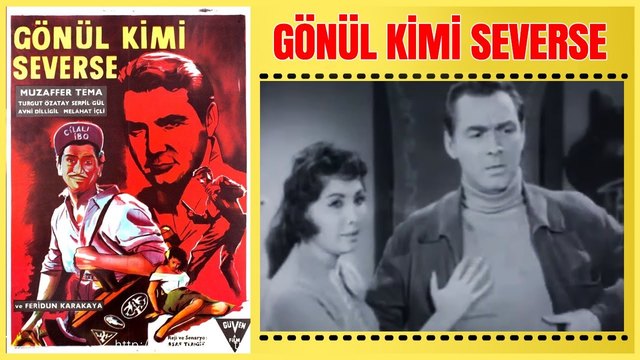
Whomever the Heart Loves (Gönül Kimi Severse)

Whomever the Heart Loves (Gönül Kimi Severse) (translated)

Movie · 1959 · 15 people

Listed as drama and comedy, Gönül Kimi Severse (Whomever the Heart Loves) came out of Turkish cinema in 1959, shot in black and white and running 104 minutes. Asaf Tengiz is both director and screenwriter, working from a novel by Oğuz Özdeş. Yoakim Filmerides produced it under the Güven Film name, with Erman Film handling preparation. Menasi Filmeridis was the cinematographer and Zeki Duygulu composed the music.

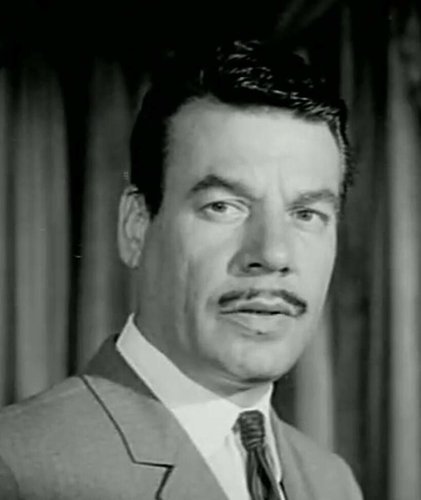
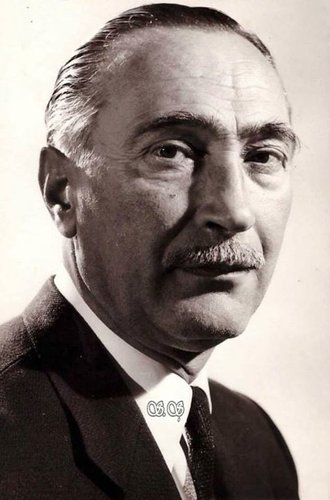
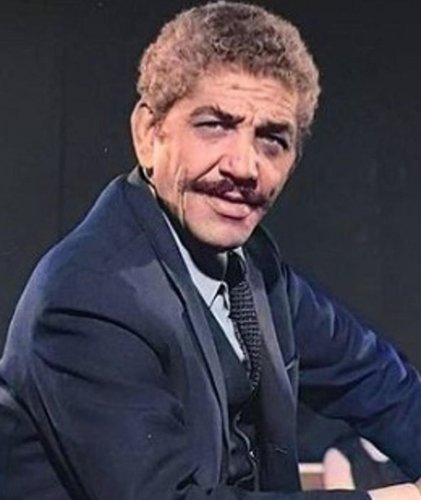
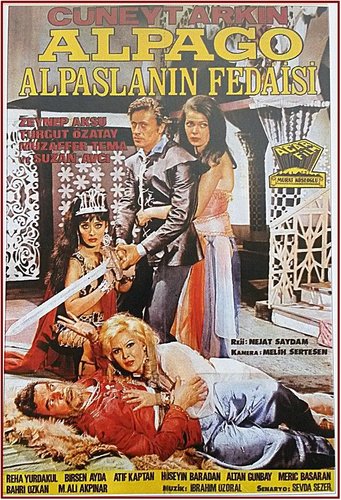
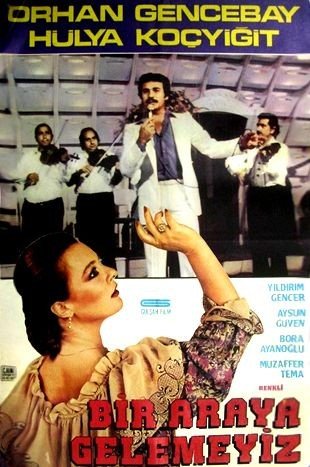
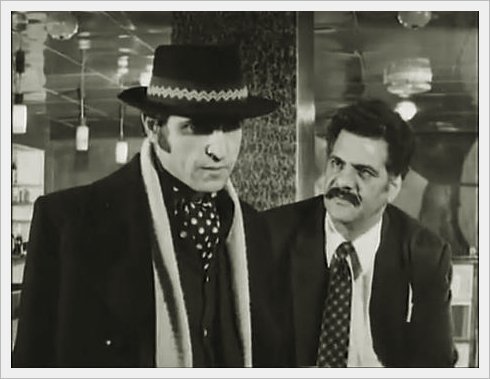
The story revolves around a married man in a forbidden love affair and the wife who makes sacrifices so that he will come home. Muzaffer Tema plays Ahmet and Serpil Gül plays Filiz, while the comedian Feridun Karakaya appears as Cilalı İbo. The cast includes Turgut Özatay (Suphi), Melahat İçli (Altındiş Necla), Avni Dilligil (Baba Nevres), Osman Alyanak (Kuklacı Haydar), Kerima Lav (dancer), Faik Coşkun (Kayarto Necati), Mehmet Ali Akpınar (the foreman), Talat Güryuva (Jilet) and Behzat Balkaya (a plainclothes policeman). Burçin Oraloğlu voiced Muzaffer Tema, Handan Kadıoğlu voiced Serpil Gül and Sadettin Erbil voiced Turgut Özatay.

What sets the film apart is football: footage of the Galatasaray-Fenerbahçe matches that ended the 1959 season, the national league's first, was worked in, and Metin Oktay, Çoşkun Özarı, Arif Özataç, Şenol Birol, Nazmi Bilge and Birol Pekel appear as themselves. Turgut İnangiray edited, and Süha Koloğlu designed the sets.

DirectorAsaf Tengiz
Production companyGüven Film

Reactions

You can pick up to 3 reactions.

Cast
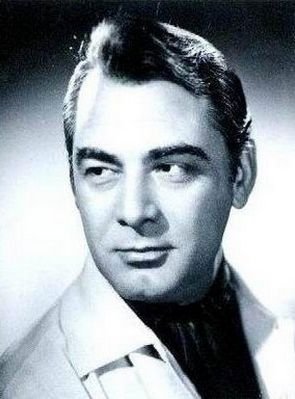
Also in the cast: Behzat Balkaya
Through different eyes

Yeşilçam Nostalgic A viewer raised on the classics, looking for warm storytelling and strong acting.

The story is the kind Yeşilçam told often in those years: a husband swept into a forbidden love and a wife who makes sacrifices to bring him home. What sets this film apart is football. Footage from the Galatasaray-Fenerbahçe matches that closed the first national league season, and stars such as Metin Oktay playing themselves, turn it into a time capsule. Melodrama's tears and the roar of the terraces meeting in one film leave a flavour that is rare today.

History & Society Lens Asks about the period, the social background and what the work reflects.

The conflict at the film's centre shows plainly the role assigned to marriage and to women in 1959 Turkey: it is the man who falls into a forbidden love, yet the burden of saving the home is placed on the self-sacrificing wife. Seen today, that moral equation looks one-sided, and the film endorses it more than it questions it. On the other hand, weaving the first national league season's derbies into the story makes it a valuable record of the moment football became mass culture. With its puppeteer, its dancer and its plainclothes policeman, the supporting cast also offers a small gallery of the period's city life.

Cinephile Looks at script, editing and directing choices; keeps a distance from formula films.

With Asaf Tengiz as both writer and director, the film contains an interesting structural experiment: it sets real match footage inside a fictional melodrama. That documentary layer is the boldest choice separating it from the routine family dramas of its day. The shifts between drama and Cilalı İbo's comedy are not always smooth, though; the tone can lurch from one scene to the next. The leads being voiced by other dubbing artists is typical of Yeşilçam's post-synchronisation tradition and worth keeping in mind when judging the performances. Flaws and all, its attempt to blend the period's storytelling formulas with real life is worth noticing.

These are not reader reviews: they are short editorial takes written from different viewer perspectives with AI assistance. Reader reviews are below.

Reviews (0)

Log in Log in to write a review.

Comments