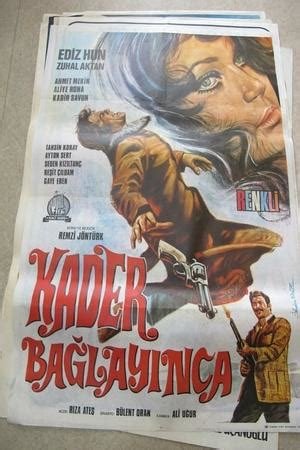
Wildflower (Vahşi Çiçek)

Wildflower (Vahşi Çiçek) (translated)

Movie · 1972 · 7 people

Lütfi Ömer Akad, one of the defining filmmakers of Turkish cinema, directed the 1971 Turkish drama Vahşi Çiçek ("Wildflower"). The screenplay was written by Akad together with Safa Önal and Erdoğan Tünaş, Hürrem Erman produced the picture for Erman Film, and İlhan Arakon served as cinematographer. Shot in colour with a running time of about 90 minutes, it reached theatres on 1 March 1972.

The story follows the romance between Fikret, a gambler, and Sema, whom he meets while visiting the children's home where he spent his own childhood. Sema keeps him at arm's length once she learns how he makes his living. After going into business with his friend Vedat, Fikret grows successful enough to threaten the interests of Sema's father, the businessman Enver, who challenges him at the gambling table. The stakes eventually extend to Sema herself, and Fikret persuades her to marry him — but when the game behind the marriage comes to light, her wounded pride begins to poison their life together.

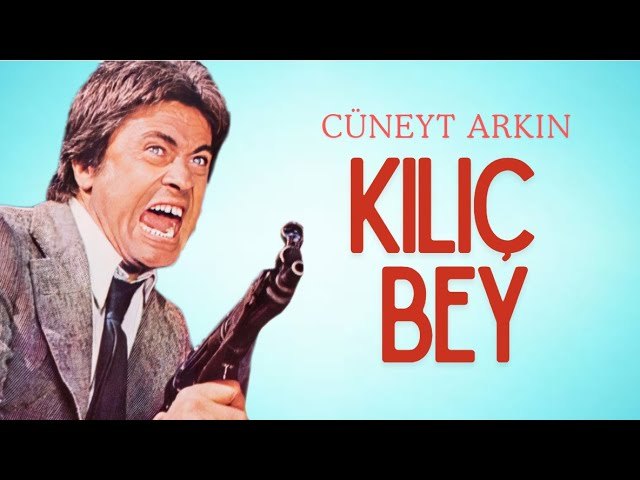
Cüneyt Arkın stars as Fikret opposite Leyla Kenter as Sema, whose lines were dubbed by Yıldız Kenter. The cast also features Yıldırım Önal as Enver, Kuzey Vargın as Vedat, along with Ceyda Karahan, Hüseyin Kutman, Muammer Gözalan, Cevat Kurtuluş, Ekrem Dümer and Hakkı Kıvanç.

DirectorLütfi Ömer Akad
Production companyErman Film

Reactions

You can pick up to 3 reactions.

Cast
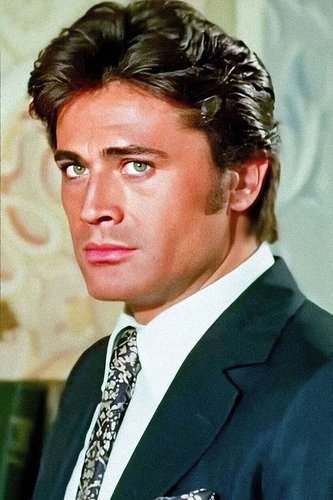
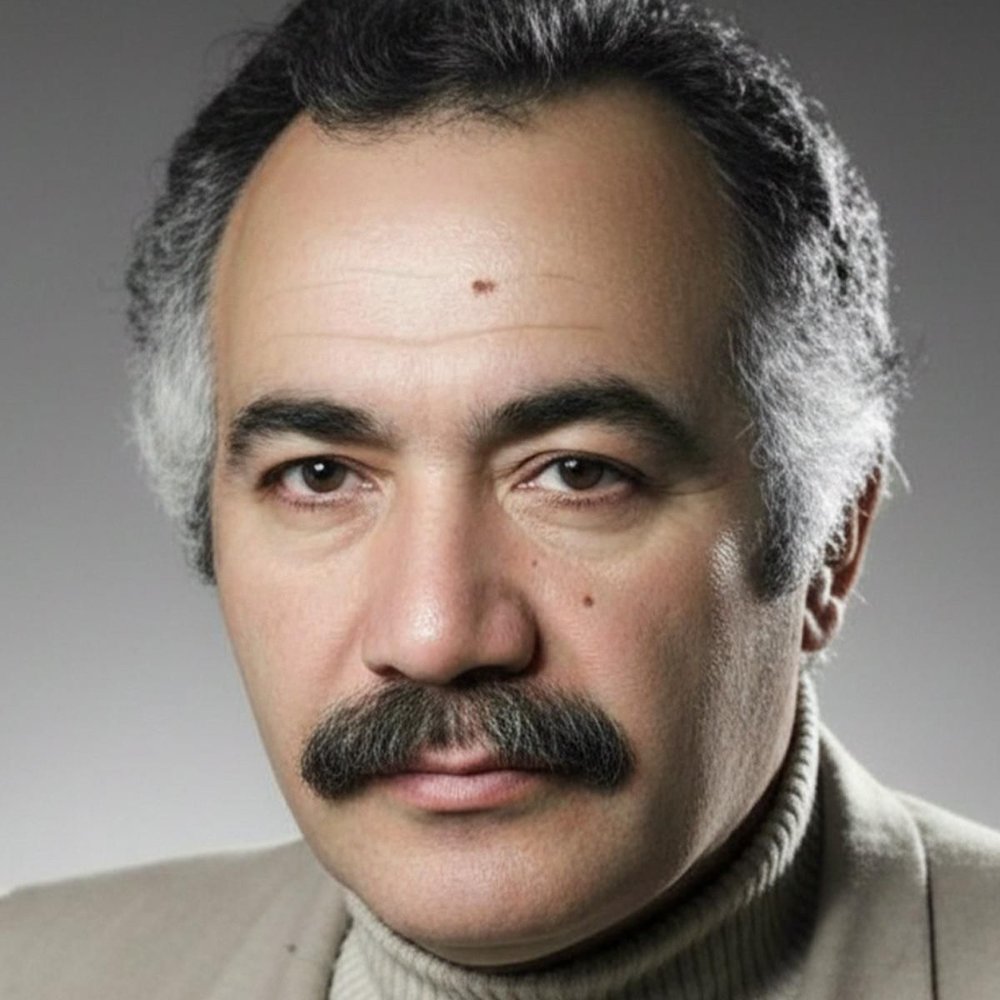
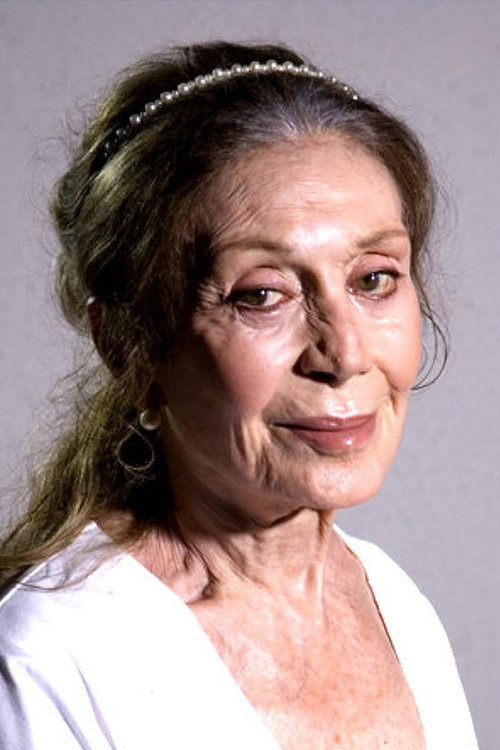
Also in the cast: Yıldırım Önal, Kuzey Vargın, Ceyda Karahan, Hüseyin Kutman

Through different eyes

Yeşilçam Nostalgic A viewer raised on the classics, looking for warm storytelling and strong acting.

Lütfi Ömer Akad's name always brings careful storytelling to mind, and Vahşi Çiçek shows that mastery reaching into emotional drama. The love between a gambler and a proud young woman is one of Yeşilçam's favourite materials, but here it is not left to tears alone: Sema's wounded pride carries the moral weight of the story. Seeing Cüneyt Arkın away from swords and fists, in the middle of a love story, is a pleasure of its own. And Yıldız Kenter's voice giving words to Leyla Kenter is a warm, familiar touch for anyone who loves the cinema of that era.

Cinephile Looks at script, editing and directing choices; keeps a distance from formula films.

Akad is one of the filmmakers who shaped Turkish cinema's directing language most deliberately, yet the script he wrote for Vahşi Çiçek with Safa Önal and Erdoğan Tünaş pulls him close to the melodrama patterns of the day. A meeting at a children's home, a power struggle that grows out of a business partnership, and finally a wager that reaches a human being: the structure moves through familiar Yeşilçam turns and points to fate rather than surprise. Still, placing the gambling table at the moral centre is a smart choice, since love is tested by the danger of becoming the dirty winnings of a game. İlhan Arakon's colour photography and the tight ninety minutes hold it together. Dubbing was standard practice then, but watching Leyla Kenter's performance through Yıldız Kenter's voice makes it hard to judge the acting as a whole.

History & Society Lens Asks about the period, the social background and what the work reflects.

Vahşi Çiçek works a tension Yeşilçam returned to again and again: the distance between a man who comes from having no one and established wealth. Fikret, who grew up in a children's home, rises by slippery routes such as gambling and partnership, while Sema's father, the businessman Enver, sees that rise as a threat. That the wager finally reaches a woman shows plainly how easily, in the family and marriage norms of the time, a woman could be turned into a bargaining chip. What gives the film its value is that it takes Sema's wounded pride seriously, so marriage is drawn not as a happy ending but as a place where dignity is put to the test.

These are not reader reviews: they are short editorial takes written from different viewer perspectives with AI assistance. Reader reviews are below.

Reviews (0)

Log in Log in to write a review.

Comments