

Aliye Rona
Actor · 1921 – 1996
Profile
| Birth date | 1921 |
|---|---|
| Birthplace | Daraa |
| Died | August 27, 1996 |
| Profession | Actor |
In the rankings
Filmography / Projects
- Berlin in Berlin
- Musibet
-
 Our Fight (Kavgamız) (translated)
- Kuruluş: Osmancık
- Üçüncü Göz
- Azap
- Gelin Oy
- My Dove (Güvercinim) (translated)
- Alın Yazım
-
 The Sucker (Keriz) (translated)
- Katiller de Ağlar
- Haram Oldu
-
 Shabaniye (Şabaniye) (translated)
- Kaşık Düşmanı
- Geçim Otobüsü
-
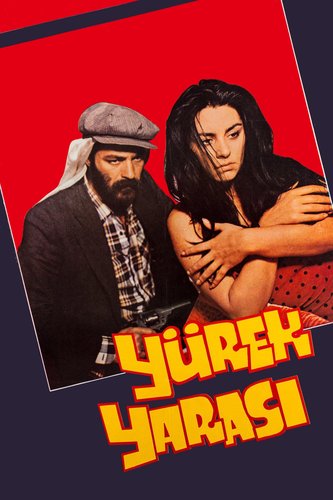 Heart Wound (Yürek Yarası) (translated)
- Şıngırdak Şadiye
- Yılanı Öldürseler
- Kara Bahtım
- Milcano
- Su
-
 Journalist (Gazeteci) (translated)
- Ben Topraktan Bir Canım
- Fakir
- Yuvasız Kuşlar
- Garibin Çilesi Ölünce Biter
- Günahkâr Kadın
- Yedi Kocalı
-
 Dervish Bey (Derviş Bey) (translated)
-
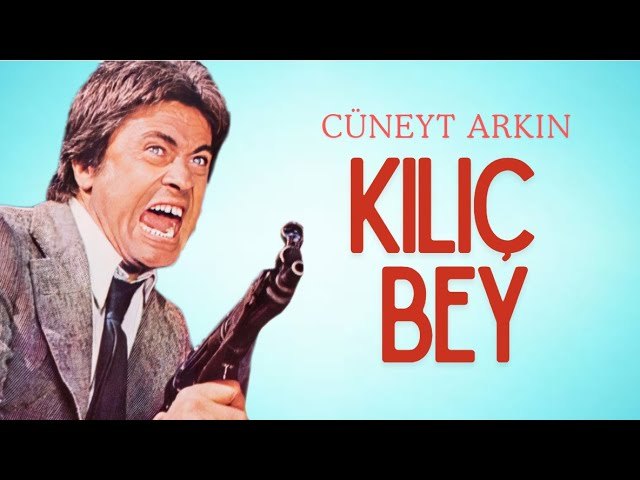 Mr. Kılıç (Kılıç Bey) (translated)
- Son Sabah
- Düzen
- Tatlı Nigâr
-
 Susceptible (Şıpsevdi) (translated)
-
 Perişan
- Alev
- Söyleyin Anama Ağlamasın
- Kara Çarşaflı Gelin
- Bunalım
- Kara Murat: Kara Şövalyeye Karşı
- Haydi Gençlik Hop Hop Hop
- Taşralı Kız
- Düşmanlarım Çatlasın
- Talihsiz Yavrum
- Sokaklardan Bir Kız
- Kuma
- Yazık Oldu Yarınlara
- Silemezler Gönlümden
-
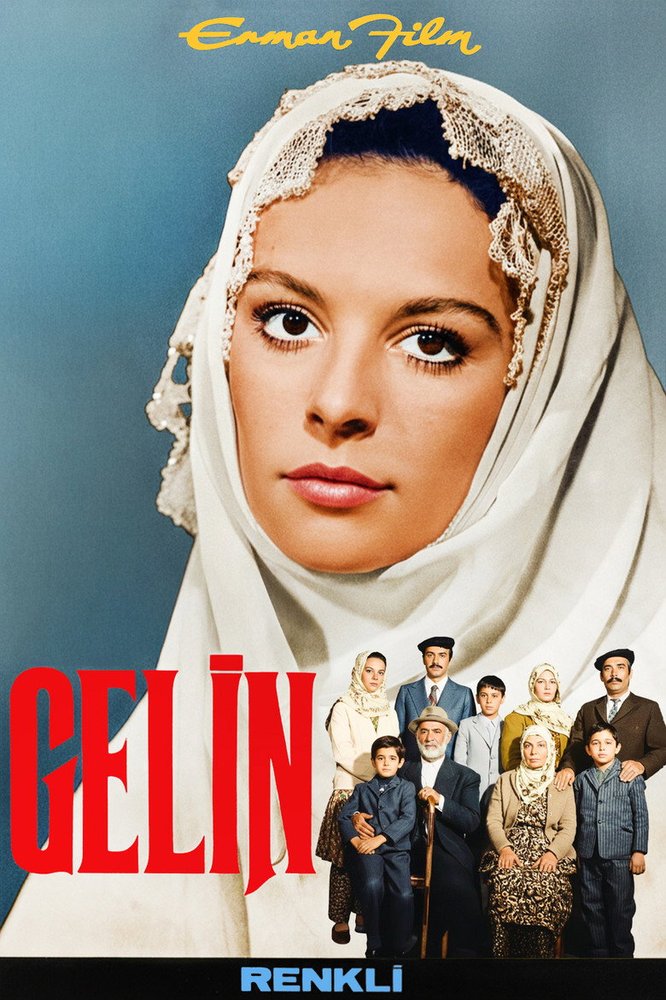 The Bride (Gelin)
- My Older Sister (Ablam) (translated)
- Paprika Gaddar'ın Aşkı
- Bir Garip Yolcu
- Bebek
- Dikiz Aynası
- Elif and Seydo (Elif İle Seydo) (translated)
- Kızım
- Kahpe
-
 Cemo
- Hazreti İbrahim
- Afacan Harika Çocuk
- Mischievous Little Rascal (Afacan Küçük Serseri) (translated)
- Çirkin ve Cesur
- Hasret
- Sezercik Yavrum Benim
- Gelin Kız
- Tanrı Şahidimdir
- Stepmother (Üvey Ana) (translated)
- Öldüren Şehir
-
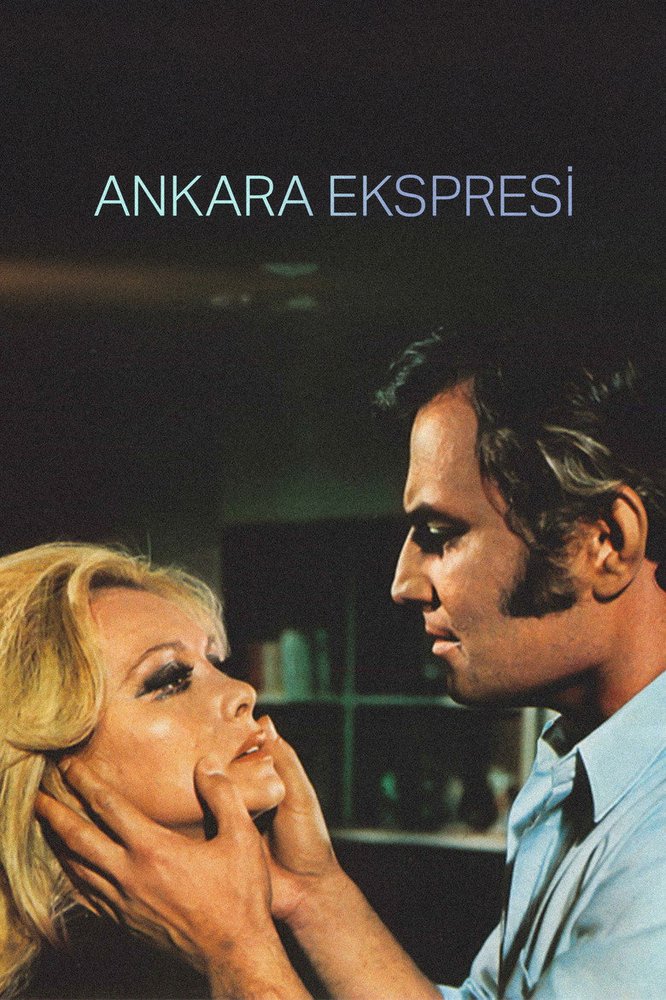 Ankara Express (Ankara Ekspresi)
- Zeyno
-
 Wild Rose (Yaban Gülü) (translated)
- Meçhul Kadın
- Bülbül Yuvası
- Kader Bağlayınca
- Hippi Perihan
-
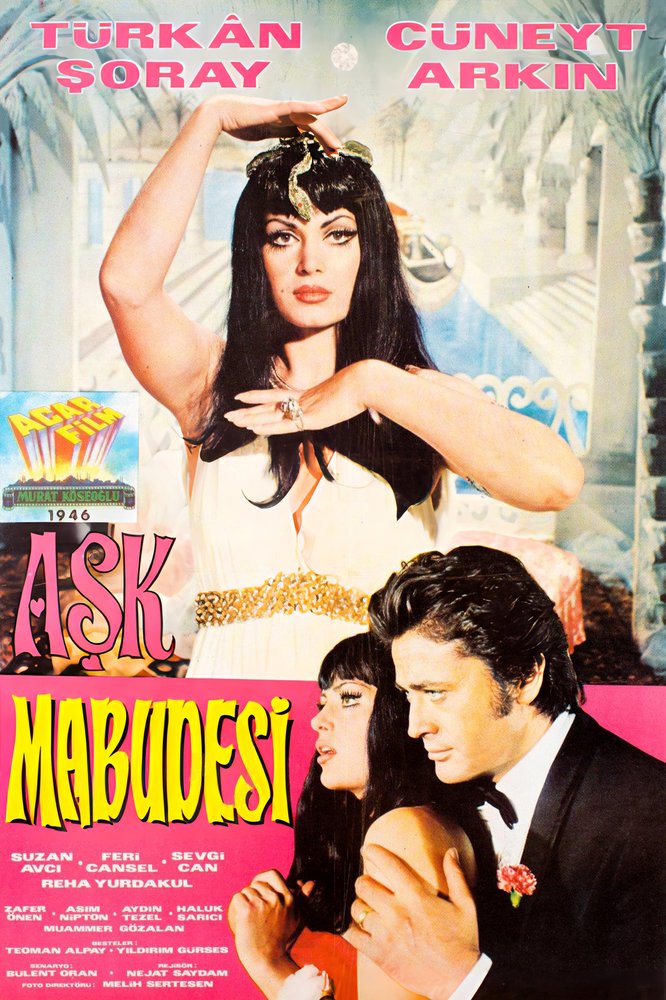 Goddess of Love (Aşk Mabudesi) (translated)
-
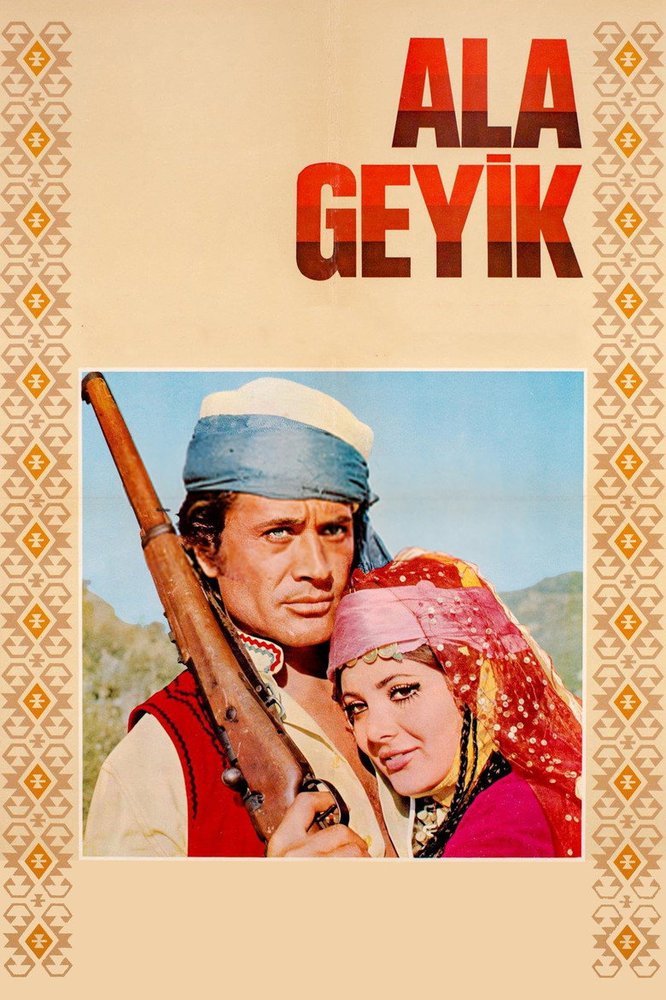 Fallow Deer (Ala Geyik) (translated)
- Kanlı Aşk
- Bir Şarkısın Sen
- İki Hikayeli Film: İki Günahsız Kız - Yılın Kadını Değil
- Bataklı Damın Kızı Aysel
- Buruk Acı
- Sana Dönmeyeceğim
- Kınalı Yapıncak
-
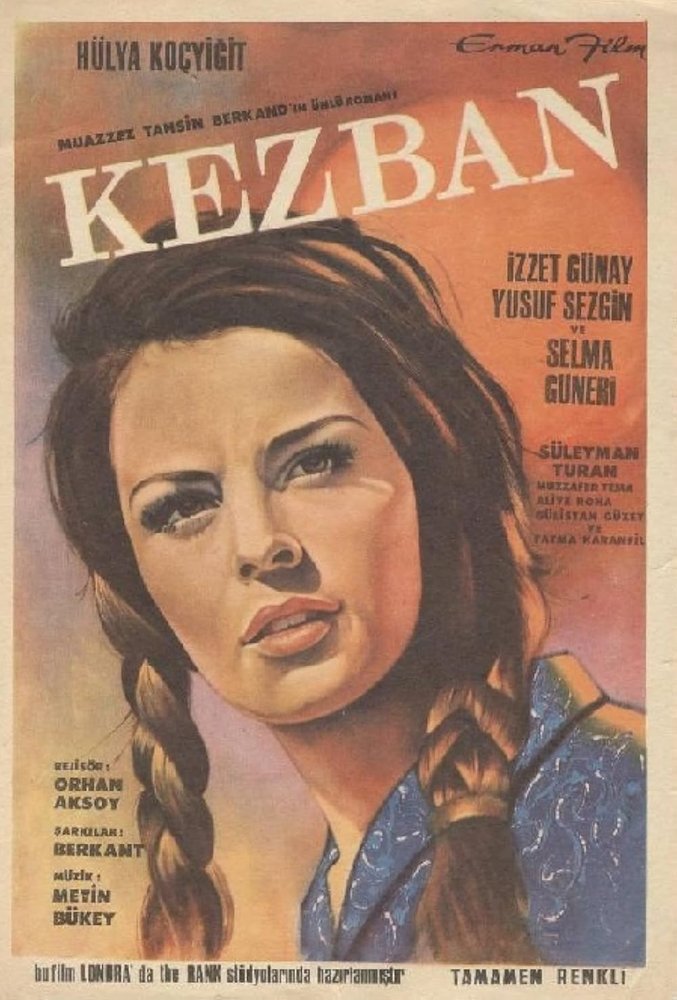 Kezban
-
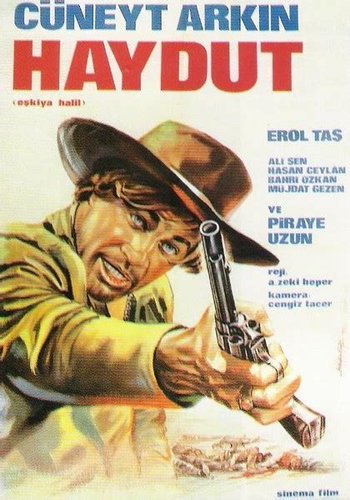 Bandit Halil (Eşkiya Halil (Haydut)) (translated)
- Kader Böyle İstedi
- Kuyu
-
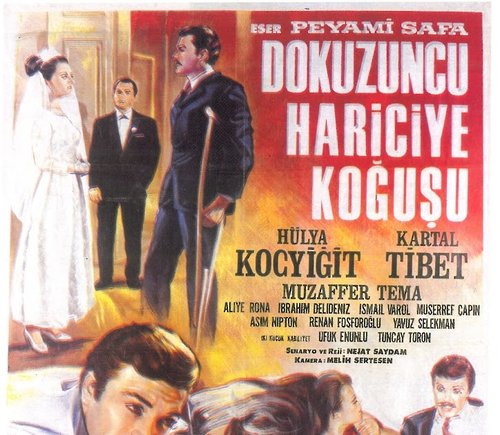 The Ninth Surgical Ward (Dokuzuncu Hariciye Koğuşu) (translated)
- Kelepçeli Melek
- Azap Yolları
- Son Gece
- Kara Duvaklı Gelin
- Anaların Günahı
- Çalıkuşu
- İstanbul'da Randevu
- Kucaktan Kucağa
- Anadolu Kanunu
- Zalimler
-
 We Are All Brothers and Sisters (Hepimiz Kardeşiz) (translated)
-
 Murad's Ballad (Murad'ın Türküsü) (translated)
- Garip Bir izdivaç
- Uzakta Kal Sevgilim
- Yıldız Tepe
- Son Kuşlar
- Veda Busesi
- Bitmeyen Yol
- Üçünüzü de mıhlarım
- Yıldızların Altında
-
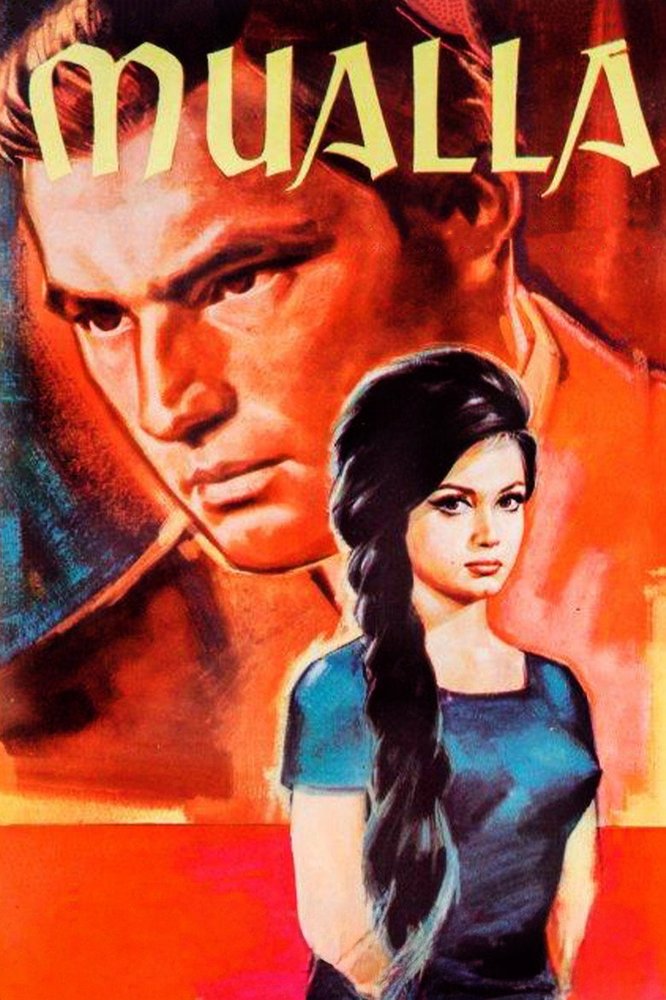 Mualla
- Mor Defter
- Hayat Kavgası
- Uçurumdaki Kadın
- Plajda Sevişelim
- Büyük Yemin
- Kiralık Koca
- Aşk Tomurcukları
-
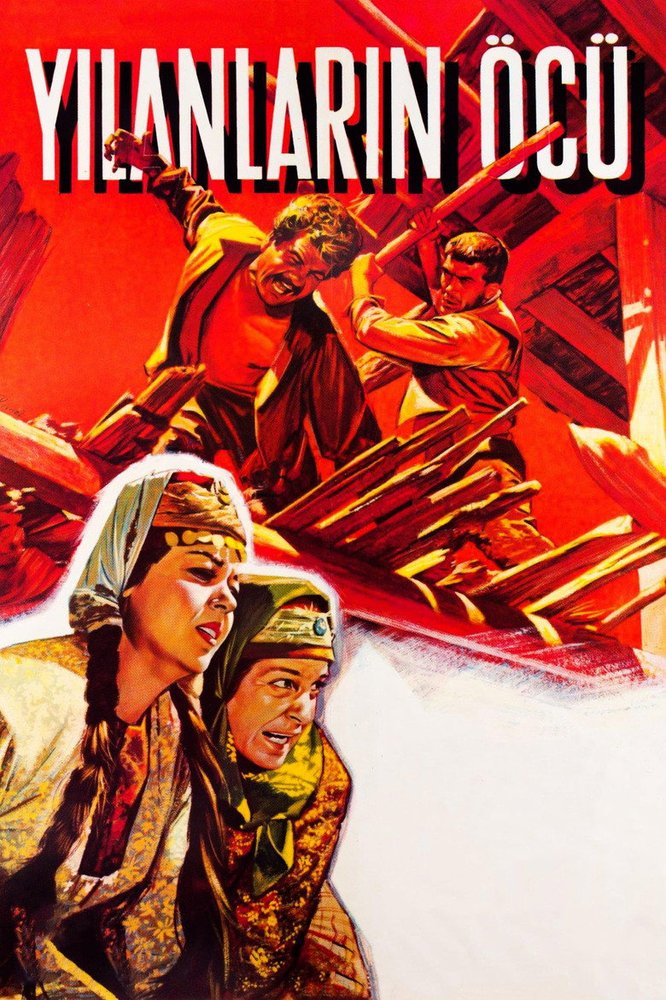 Revenge of the Snakes (Yılanların Öcü)
- Allah Seviniz Dedi
- Beş Kardeştiler
- Belalı Torun
- Küçük Hanımefendi
- Aşkın Saati Gelince
- Aysecik: Şeytan Çekici
- Poyraz Osman
- Milyoner Çocuk
- Fakir Kızın Kısmeti
- Ebediyete Kadar
- The Bloody Money
-
 The Bloody Farm (Kanlı Çiftlik)
- Mahallenin Namusu
- Efelerin Efesi
- Bergama Sevdalıları
- Zehirli Şüphe
- Şehitler Kalesi
- Silik Çehreler
-
 Kerim's Ordeal (Kerim'in Çilesi) (translated)
Aliye Rona — Biography
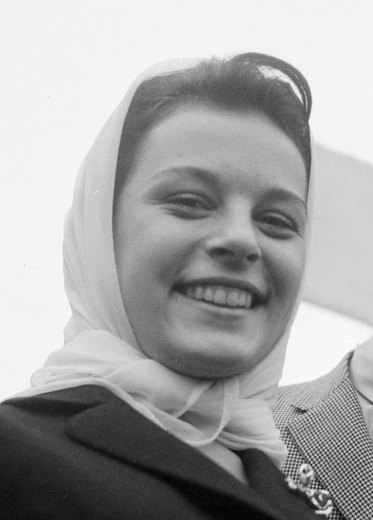
Born Aliye Dilligil in 1921 in the town of Dera, now inside Syria, Aliye Rona was the daughter of a railway operator from Trabzon and the sister of theatre figure Avni Dilligil and journalist Turhan Dilligil. After studying at a girls' vocational art school in Beyoğlu, she took up amateur acting at the Kadıköy people's house in the late 1930s and later performed at the Arena Theatre alongside Ulvi Uraz and her brother. She married fellow actor Zihni Rona, whom she met while working together at İzmir City Theatre. She moved into cinema in 1947 with Kerim'in Çilesi and, over a career spanning nearly five decades, appeared in more than two hundred productions while also doing voice work. She became known for playing stubborn, rights-seeking, tradition-bound peasant women and authoritative mother and grandmother figures, in films including Revenge of the Snakes, Cemo, Şabaniye and Berlin in Berlin. She won Best Supporting Actress at the Antalya Golden Orange festival in 1965, 1967 and 1968 for three different films, took the same award at Adana's Golden Boll festival in 1969, and received a Lifetime Achievement award there in 1994. In her final years she suffered paralysis on her right side, used a wheelchair, and lived in a nursing home in Pendik, whose conditions drew press coverage at the time. She died of a cerebral hemorrhage in 1996 and was buried in the family plot at Karacaahmet Cemetery.
Reactions
You can pick up to 3 reactions.
Comments