

Profile
| Age at death | 75 |
|---|---|
| Birth date | February 6, 1907 |
| Birthplace | Skopje |
| Died | August 24, 1982 |
| Place of death | Istanbul |
| Profession | Actor, Stage actor |
In the rankings


Filmography / Projects
- Nemrud
- Günah Köprüsü
- Kader Rüzgarı
- Şeytan Diyor Ki
- Bir Defa Yetmez
- Delicesine
- Kara Yemin
- Yarınlar Bizim
- Asılacak Adam
- Bir Tanem
- Düşmanlarım Çatlasın
- Kanlı Sevda
- Sahildeki Yabancı
- Arap Abdo
- Bataklık Bülbülü
- Cano
- Dikiz Aynası
- Kaderim
- Mahpus
- Rabia
- Sultan Gelin
-
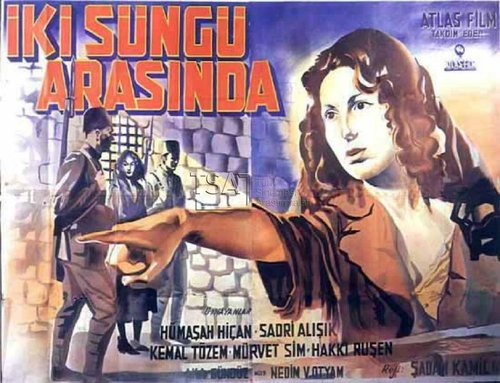
- Yetimler Ahı
- Ölüm Korkusu
- Longing (Hasret) (translated)
-
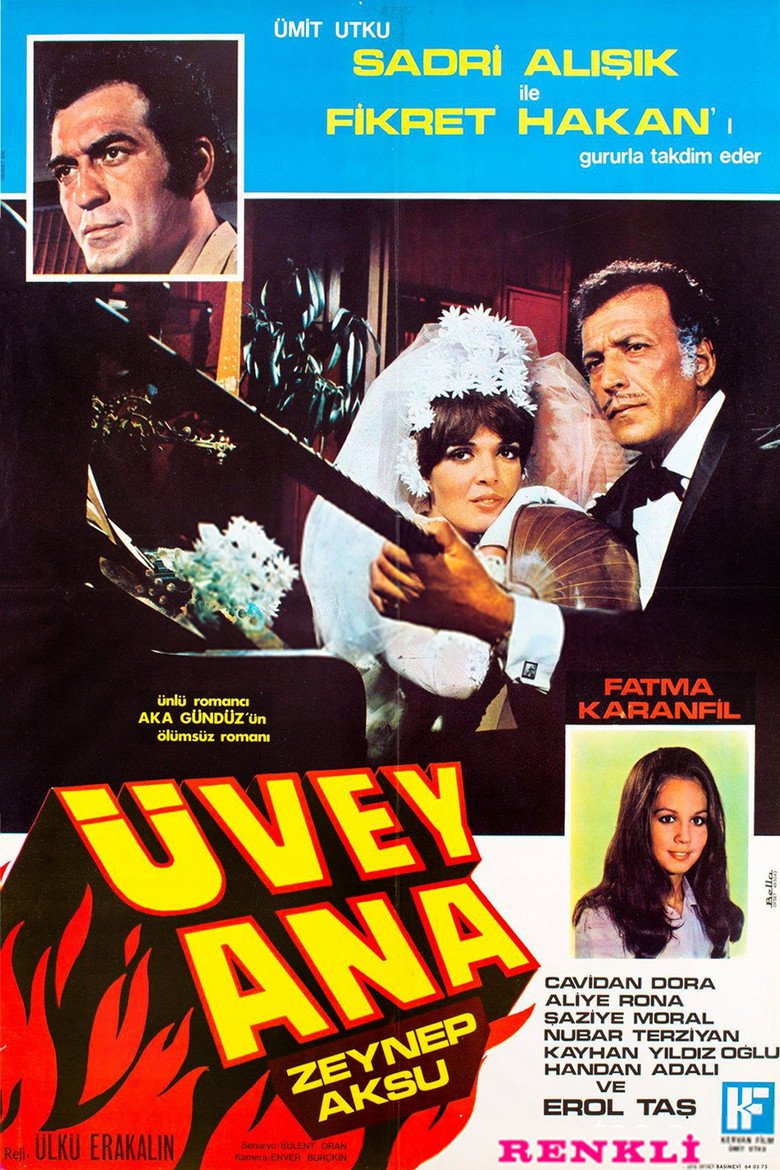
- Bu Yumruk Sana
- Damarımda Kanımsın
- Kara Dutum
- Ana Mezarı
- Damga
- Sabır Taşı
-

- Baharda Solan Çiçek
- Bin Yıllık Yol
- Kemal the Englishman (İngiliz Kemal) (translated)
- Fabrikanın Şoförü
- Hayatlarını Kanla Yazdılar
- Aşka Susayanlar
- Bana Derler Külhanlı
- Her gün Ölmektense
- Izdırap Çocukları
- Kadın Berberi
- Kaldırımlar Üstünde
- Köye Giden Gelin
- Sekiz Kuruş
- Son Karar
- İstikbal
- Şafak Yıldızı
- Akdeniz Şarkısı
- Bulunmaz Uşak
- Casus Kardeşler
- Menekşe Gözler
- Mukadderat
- Çiçeksiz Bahçe
- Üç Öfkeli Genç
- İki Vatanlı Kadın
- Belalı Torun
- İki Çalgıcının Seyahati
-
- Kızıl Vazo
- Yörük Aşkı
- Ümitsiz Kapı
- The Sweet Calamity (Tatlı Bela)
- Cilalı İbo'nun Çilesi
- Broken Hearts (Kırık Kalpler) (translated)
- Sığıntı
- Talihsiz Yavru
- Karacaoğlan'ın Kara Sevdası
- Seher Yıldızı
- Talihsizler
- Zavallı Kız
- Üç Garipler
-
-
- Allah Korkusu
- Ayşe'nin Çilesi
- Aşık Garip
- Bir Yudum Su
- Cilalı İbo Yıldızlar Arasında
- Kaderin Cilvesi
- Ninni Talihsiz Yetime
- Sokak Çocuğu
- Son Saadet
- Yaşamak Hakkımdır
- Beni Şafakta Vurdular
- Bir Serseri
- Düşkünler Yuvası
- Hata
-

- Kara Talih
-

- Kurt Mustafa
- Lejyon Dönüşü
- Lekeli Soy
- Zeynebin Aşkı
- Ana Hasreti
- Beş Hasta Var
- Dişi Yılan
- Evlat Hasreti
- Kâtibim
- Ölüm Deresi
- Üç Yetimin Izdırabı
- Basmacı Güzeli
- Ebediyete Kadar
- Görünmeyen Adam İstanbul'da
- Günahkar Baba
-
- Kanlı Nigâr
- Kanlı Pınar
- Kızımla Beraber Ağladık
- Meçhul Kadın
- Yetim Yavrular
- Çoban Ali
- Çılgın Bakire
- Öp Babanın Elini
-
- Ahretten Gelen Adam
- Evlat Acısı
- Fındıkçı Gelin
- Oyuncu Kız
- Yaban Kız
- Öldüren Sır
-
- Üçüncü Kat Cinayeti
- Altı Ölü Var
- Aşk Istıraptır
- Kırk Gün Kırk Gece
- Mahallenin Namusu
- Uç Baba Torik
-
-
-
-
-
-
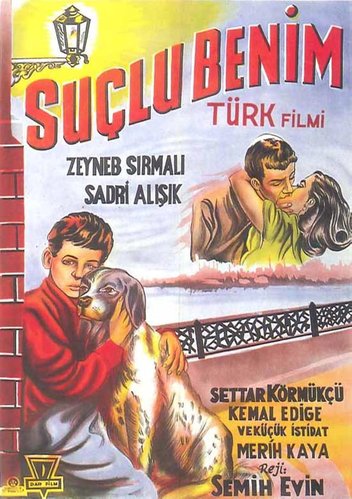
- Arzu ile Kamber
- Boş Beşik
- Bu Kız Böyle Düştü
- Dağların Kızı Ruhsar
- Günahını Ödeyen Adam
- Kara Efe
- Kubilay
- Memiş ile İbiş Anaforcular Kralı
- Son Buse
- Tahir İle Zühre
- Çakırcalı Mehmet Efe'nin Definesi
- İki Kafadar Deliler Pansiyonunda
-
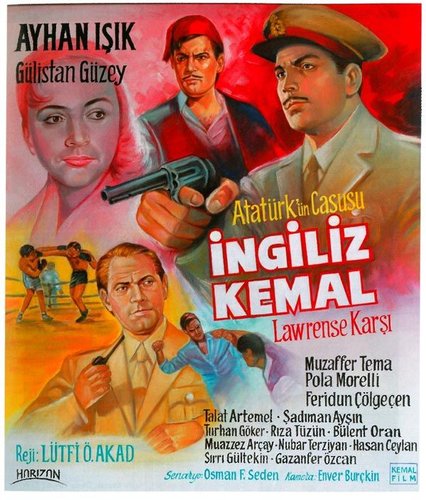
-
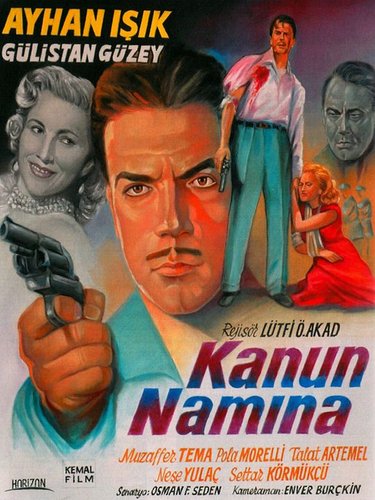
- Seni Unutamadım
-
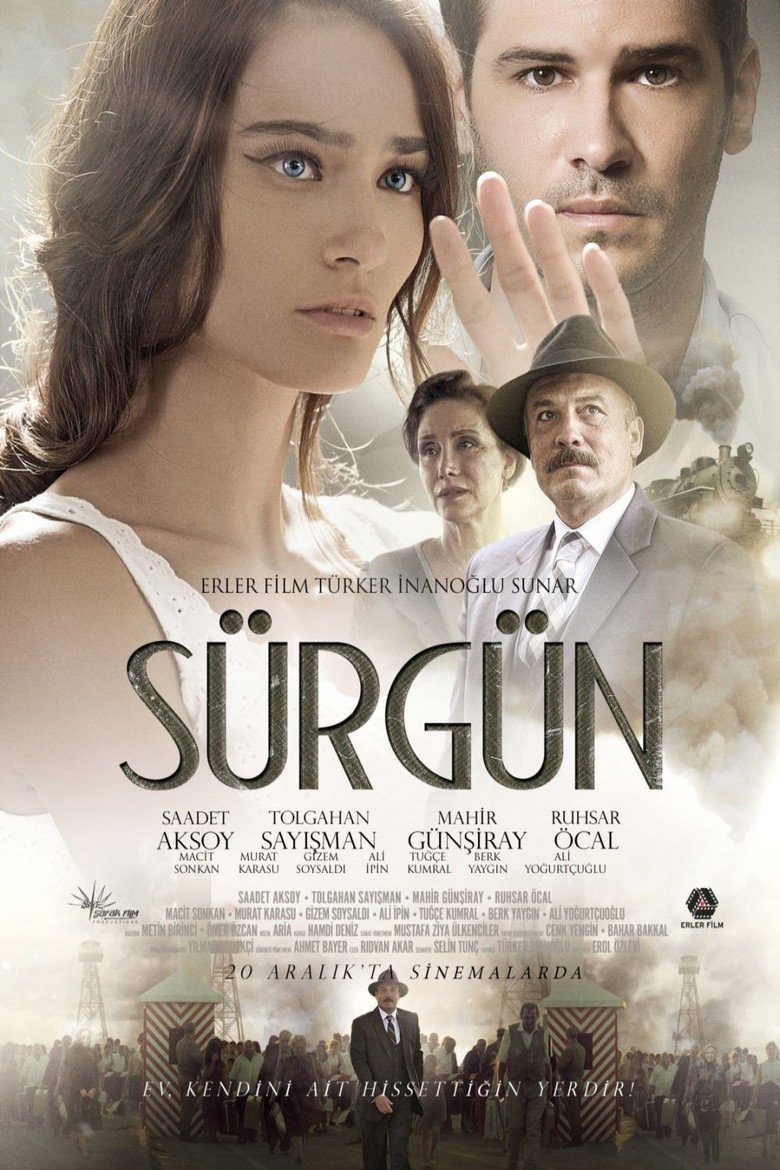
-
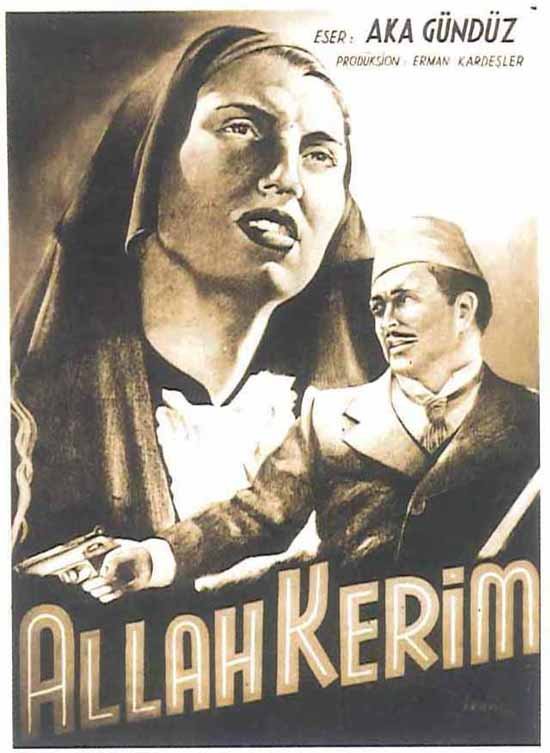
- Fedakar Ana
- Nasreddin Hoca Düğünde
-
-
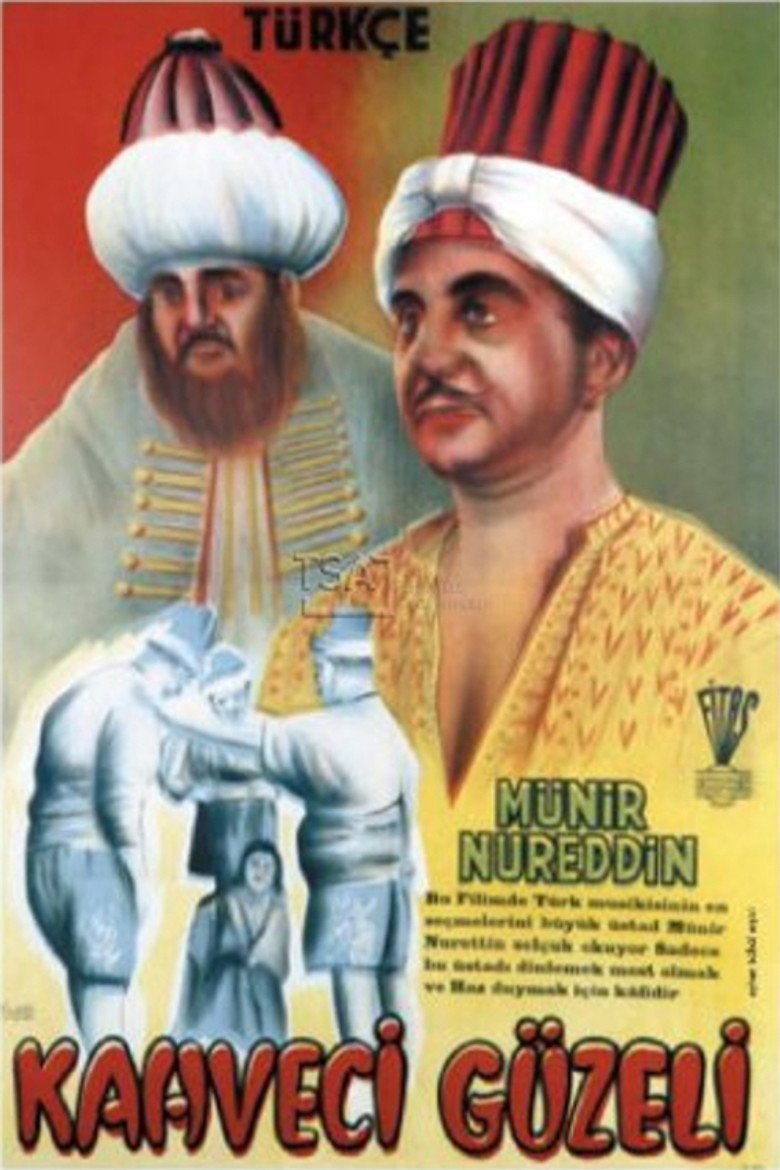
- Kıvırcık Paşa
- Bir Kavuk Devrildi










Muazzez Arçay — Biography
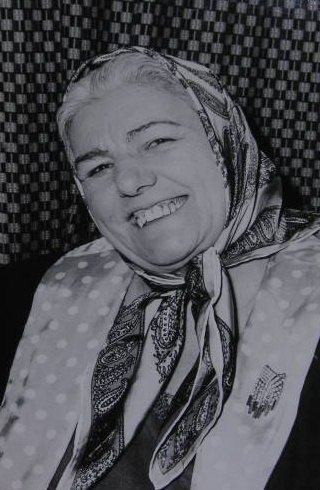
In a film career running from 1939 into the 1970s, Muazzez Arçay was the screen face of mothers, grandmothers and neighborhood women. Her role as Zeliha in Bin Yıllık Yol won her Best Supporting Actress at the 6th Antalya Golden Orange Film Festival. Alongside film, she spent many years on the stage. She died in Istanbul on August 24, 1982, and was buried in Zincirlikuyu Cemetery.
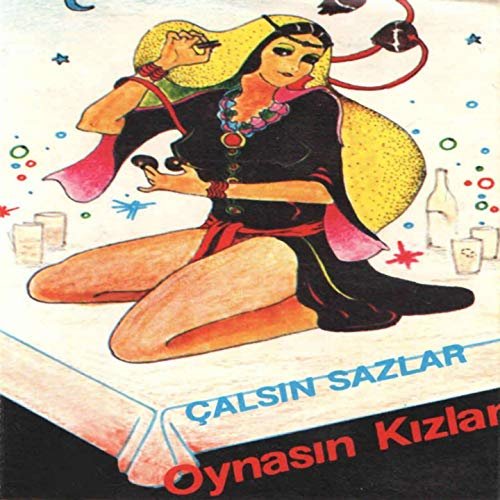
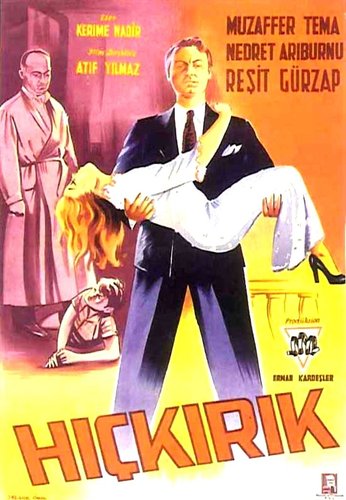
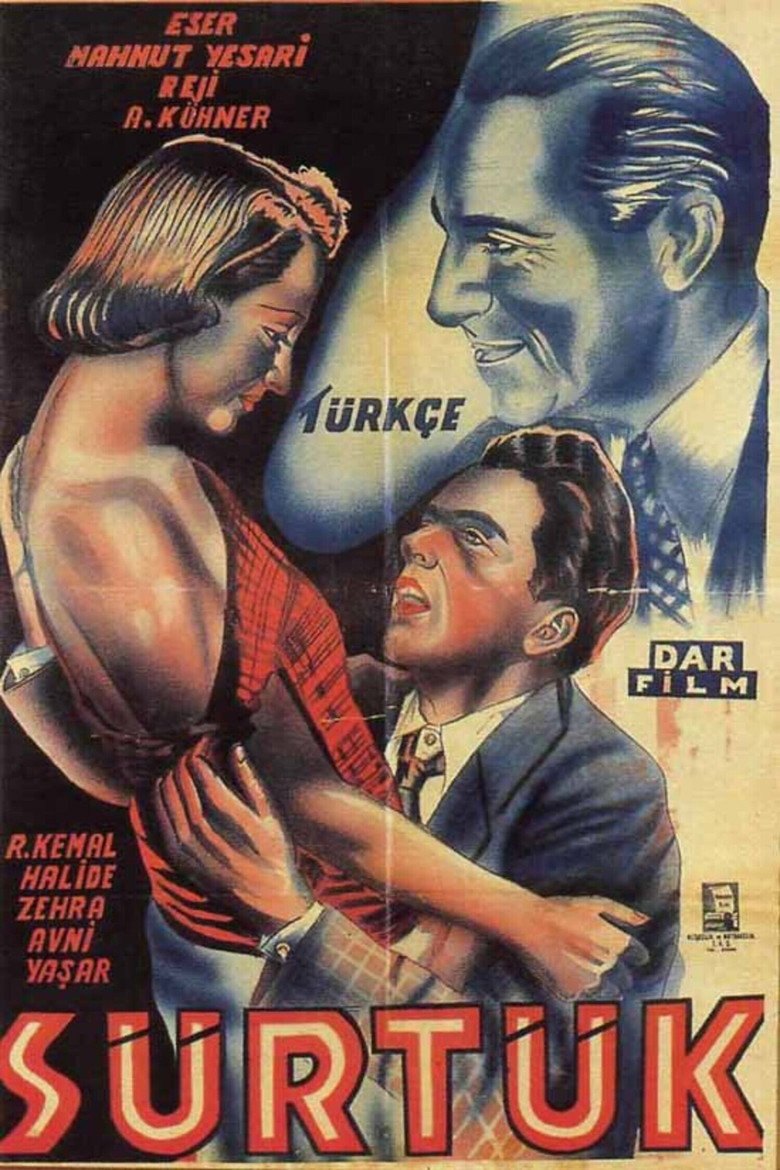
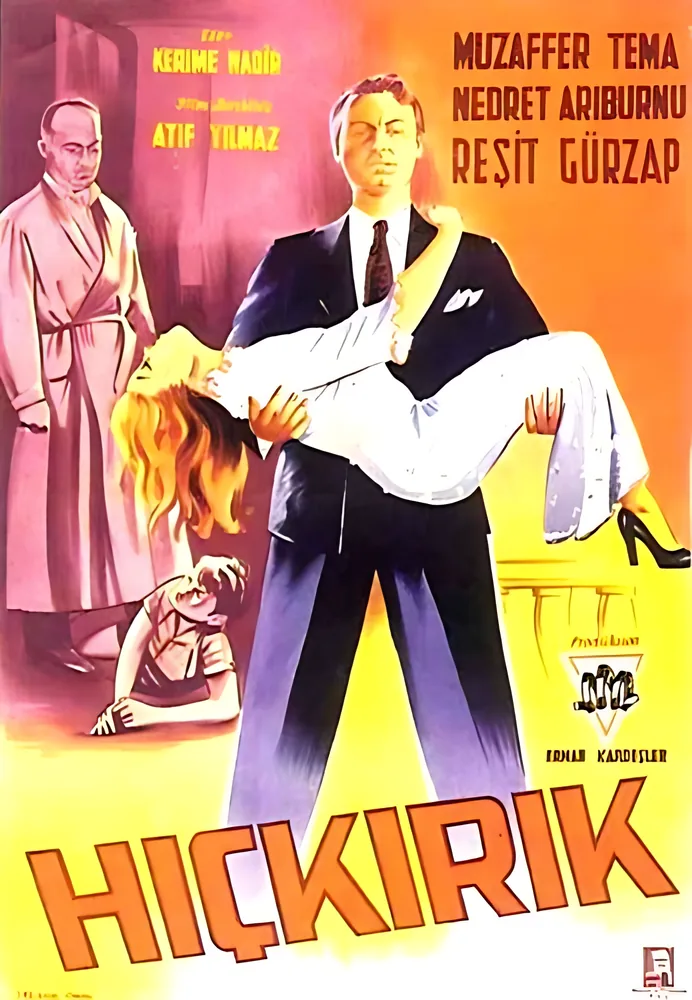
Born in Üsküp (Skopje), Arçay attended the German High School in Istanbul and then trained at the theater school opened in the Alay Köşkü at Gülhane. From 1936 she acted with the Istanbul Municipal Theatre, spent a period with Avni Dilligil's company, and in 1954 was in the founding cast of the İzmir Municipal Theatre. She first appeared on camera in 1939 in Bir Kavuk Devrildi and in the 1940s in films such as Sürtük. The 1950s were her busiest decade: she played the mother in Kanun Namına, Besime in Hıçkırık, Rukiye in Çalsın Sazlar Oynasın Kızlar and Emine in Üvey Ana, and was in the casts of Beyoğlu Güzeli, Fındıkçı Gelin and Yaşamak Hakkımdır.
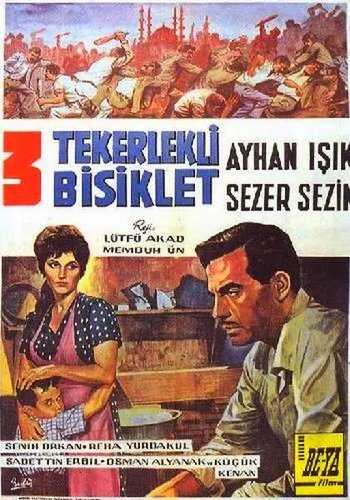
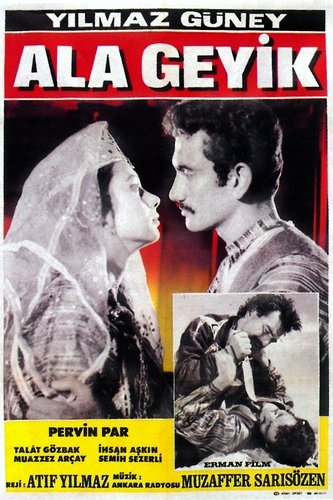
In the 1960s she moved on to grandmothers and village women: Sultan Kadın in Ala Geyik, the grandmother in Tatlı Bela, Döndü in Üç Tekerlekli Bisiklet, and the restaurant owner in Akdeniz Şarkısı. After the award-winning Bin Yıllık Yol she worked in 1970s films such as Mahpus, Sultan Gelin and Hemşerim. Her full name was Feride Muazzez Arçay. She was married to the actor Renan Fosforoğlu.
Photos
Reactions
You can pick up to 3 reactions.
Comments