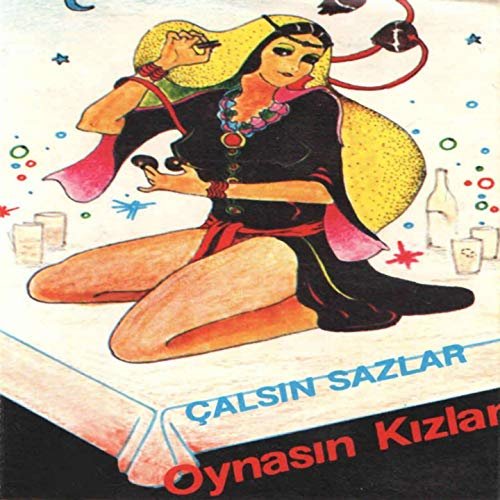
Let the Instruments Play, Let the Girls Dance (Çalsın Sazlar, Oynasın Kızlar)

Let the Instruments Play, Let the Girls Dance (Çalsın Sazlar, Oynasın Kızlar) (translated)

Movie · 1953 · 17 people

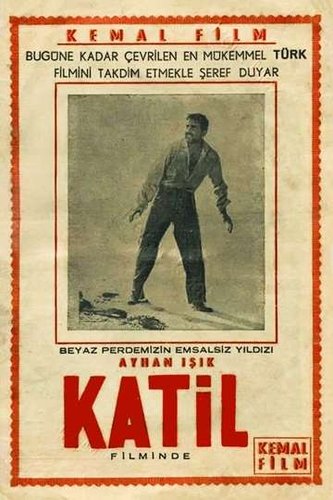
Lütfi Ömer Akad directed the 1953 black-and-white Turkish musical comedy Çalsın Sazlar, Oynasın Kızlar. It is also known under the title Oyna Kızım Oyna. Akad wrote the screenplay with Osman Fahir Seden, who also produced it for Kemal Film. The cinematographer was Kriton İlyadis.

The film tells of the comic adventures of three brothers named Kemal, Mehmet and Ahmet. Music and entertainment run through it, and the cast includes performers and groups appearing as themselves, among them the Güler Kardeşler, Gazelhan Sebilci Hüseyin, Radife Erten, Şecaattin Tanyerli, Necdet Koyutürk and the İstanbul Samba Orchestra. Settar Körmükçü plays Ahmet and Bülent Oran plays Bülent, with Neriman Köksal, Nimet Alp, Sadri Karan and Muazzez Arçay also in the cast. A jury scene features Ayhan Işık, Gülistan Güzey, Turan Seyfioğlu and Belgin Doruk as jury members.

The film's production story is an odd detail in Akad's career. Short of money at the time, the director made it to earn the fee for one more directing job. In Akad's own words it was a picture "thrown together in the blink of an eye, made to make money"; shooting took two weeks and the cost was very low. It still did well at the box office.

DirectorÖmer Lütfi Akad
Production companyKemal Film

Reactions

You can pick up to 3 reactions.

Cast
Through different eyes

Yeşilçam Nostalgic A viewer raised on the classics, looking for warm storytelling and strong acting.

In Akad's career this is, by his own account, a stopgap "made to make money", and lovers of the classics should sit down knowing that. His candour doesn't diminish the film; if anything it tells us honestly what to expect. The three brothers' adventures feel more like a pretext; the real value is seeing the stage performers and ensembles of the day on one screen, as themselves. Viewers after a deep story or a strong moral centre may come away empty-handed; those looking for a window onto that era's entertainment world will enjoy it.

Cinephile Looks at script, editing and directing choices; keeps a distance from formula films.

The production circumstances explain the form: a two-week shoot on a very small budget. Under those conditions the narrative becomes a thin thread tying stage numbers together; the brothers' story works less as a dramatic structure than as a frame for lining up songs and acts. What interests a film lover is how this revue logic preserves the performers of the period almost like a record. Small surprises such as the jury scene, with Ayhan Işık among its members, are fun, but anyone expecting coherent character development or rhythm from the script will find the film works only in pieces. It is fairest to treat it as a curiosity in Akad's filmography.

History & Society Lens Asks about the period, the social background and what the work reflects.

The cast list alone reads like a period document: the gazel singer Sebilci Hüseyin on one side, the İstanbul Samba Orchestra on the other. Traditional music and Western-style entertainment sharing one film hints at the map of popular taste in those years. There is an economic side too: a picture shot in two weeks for very little money still did well at the box office, which says something about how much demand the domestic film market had for quick, cheap entertainment. It earns attention more for this background than for its story.

These are not reader reviews: they are short editorial takes written from different viewer perspectives with AI assistance. Reader reviews are below.

Reviews (0)

Log in Log in to write a review.

Comments