

Neriman Köksal
Actor · died at 71
Profile
| Age at death | 71 |
|---|---|
| Birth date | March 17, 1928 |
| Birthplace | Istanbul |
| Died | October 23, 1999 |
| Profession | Actor |
| Zodiac sign | Pisces |

Filmography / Projects
- Those at Home (Evdekiler) (translated)
-
 Our Neighborhood (Bizim Mahalle) (translated)
- Afacan
- Biz Ayrılamayız
- Sultan
- Gençlik Yılları
- Düş Yakamdan Osman
- Allah Allah
- Güneşten De Sıcak
- Karamanın Koyunu
- My Dove (Güvercinim) (translated)
- Lotto Kralı
- Efkârlıyım Abiler
- Kertenkele
- Secretary (Sekreter)
-
 Aliş and Zeynep (Aliş ile Zeynep) (translated)
- Bu Ne Sevgi
- Uyanıklar Dünyası
- Tövbekar Kadın
- Garibim Ceylan
- Kaderin Oyunu
- Geçmiş Zaman Olur Ki
- 9. Hariciye Koğuşu
- The Price (Bedel) (translated)
- Uç Güzel Güvercinim
- Balayı
-
 Mistress (Metres) (translated)
- Forbidden (Haram) (translated)
-
 Sugar Pastry (Şekerpare) (translated)
- The Uninvited Guest (Davetsiz Misafir) (translated)
- Feryat
- Anlatamadım
- Yaktı Beni
- İlişki
- Three Istanbuls (Üç İstanbul) (translated)
-
 A Broken Love Story (Kırık Bir Aşk Hikayesi) (translated)
- Talih Kuşu
- Hülyam
- Seni Kalbime Gömdüm
- Islak Mendil
- Hasret Sancısı
- Günah Defteri
-
 Don't Joke (Şaka Yapma) (translated)
- Mutlu Ol Yeter
- Ayrılık Kolay Değil
- Deliler Almanya'da
-
 Supermen
-
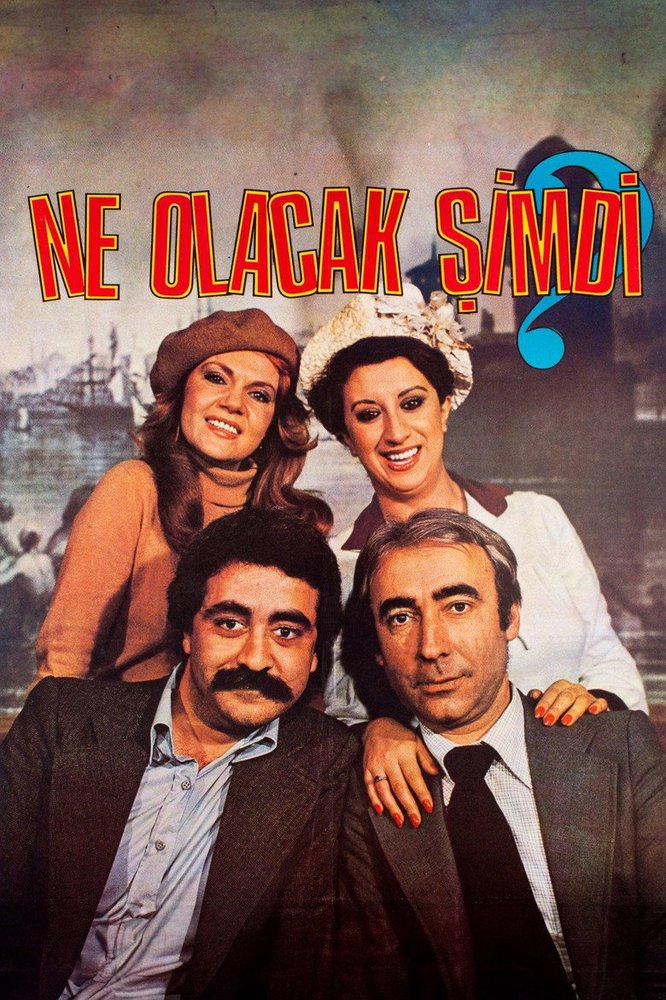 What Will Happen Now? (Ne Olacak Şimdi) (translated)
-
 My Cevriye (Cevriyem) (translated)
-
 She's Married, Whatever She Does Is Acceptable (Evlidir Ne Yapsa Yeridir) (translated)
- Çilekeş
- Ali Baba'nın Çiftliği
-
 Painful Memories (Acı Hatıralar) (translated)
-
 The Three Superboys in the Snow (Babanın Evlatları)
- Tokat
- Sevgili Dayım
- Hamza Dalar Osman Çalar
- Vahşi Sevgili
- Saffet Beni Affet
-
 Gulshah (Gülşah) (translated)
- Will You Laugh or Cry? (Güler Misin Ağlar Mısın) (translated)
- Aşk-ı Memnu
-
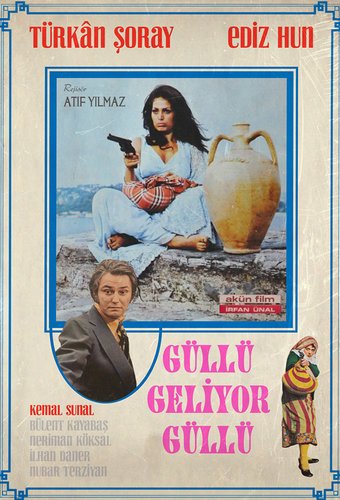 Gullu Is Coming, Gullu (Güllü Geliyor Güllü) (translated)
- Yedi Evlat İki Damat
- Toto Kralı
- Amansız Takip
- Ağlayan Kadın
- Karım Beni Aldatırsa
- Kilink Caniler Kralı
-
 Ruby-Eyed Cat (Yakut Gözlü Kedi) (translated)
- Çalıkuşu
- Bu Şehrin Belalısı
- Karanlıklar Meleği
-
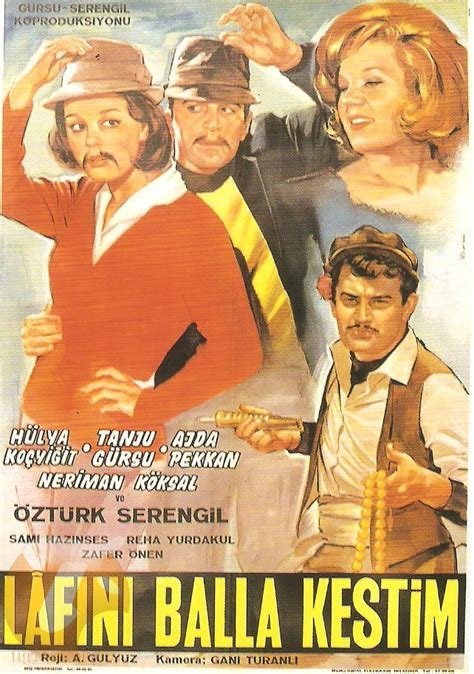 I Interrupted Him Sweetly (Lafını Balla Kestim) (translated)
- Artık Düşman Değiliz
- Şeker Gibi Kızlar
- Fakir Gencin Romanı
- Konyakçı
-
 We Are Not Alone (Yalnız Değiliz) (translated)
- Korkunç Şüphe
- Ayşecik Cimcime Hanım
- Erkek Sözü
- Gençlik Rüzgarı
- Anadolu Çocuğu
- Kimse Fatma Gibi Öpemez
- Son Tren
- Dişi Şeytan
- Erkek Fatma Evleniyor
- Arka Sokaklar
- Süleymaniyeli Ali
- Lekeli Kadın
- Fosforlu Oyuna Gelmez
- Çam Sakızı
- The Sweet Calamity (Tatlı Bela)
- Naylon Leyla
- Oy Farfara Farfara
- Şahane Kadın
- Devlerin Öfkesi
- Beklenen Bomba
- Fosforlu'nun Oyunu: Kıtıpiyoza Tuzak
- Günah Kadını
- Fosforlu Cevriye
- Kızımın Başına Gelenler
- Tilki Leman
- Gönülden Ağlayanlar
- Bir Serseri
- Çoban Aşkı
- Tuzak Oteli
- Hayırsız Evlat
-
 They Paid With Their Blood
- Sheikh Ahmed's Favorite (Şeyh Ahmedin Gözdesi) (translated)
- Bataktaki Kız
- Ebediyete Kadar
- Hayatımı Mahveden Kadın
- Battal Gazi Geliyor
- Çoban Ali
- Ecel Köprüsü
- Leylaklar Altında
- Cingöz Recai
- İki Ateş Arasında
- Oyuncu Kız
-
 Let the Instruments Play, Let the Girls Dance (Çalsın Sazlar, Oynasın Kızlar) (translated)
-
 The Killer (Katil)
- Affet Beni Allah'ım
- İstanbul Canavarı
-
 Edi and Büdü Are Theater Actors (Edi ile Büdü Tiyatrocu) (translated)
-
 Yavuz Sultan Selim Is Crying (Yavuz Sultan Selim Ağlıyor) (translated)
- Memiş ile İbiş Anaforcular Kralı
- Hürriyet Şarkısı
-
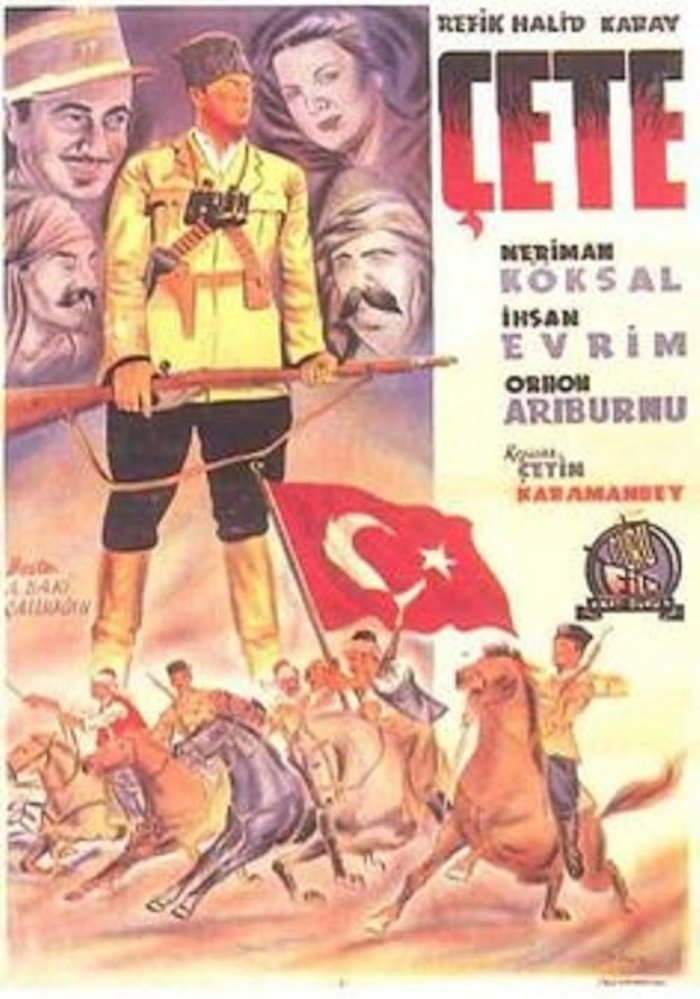 Gang (Çete) (translated)
Neriman Köksal — Biography
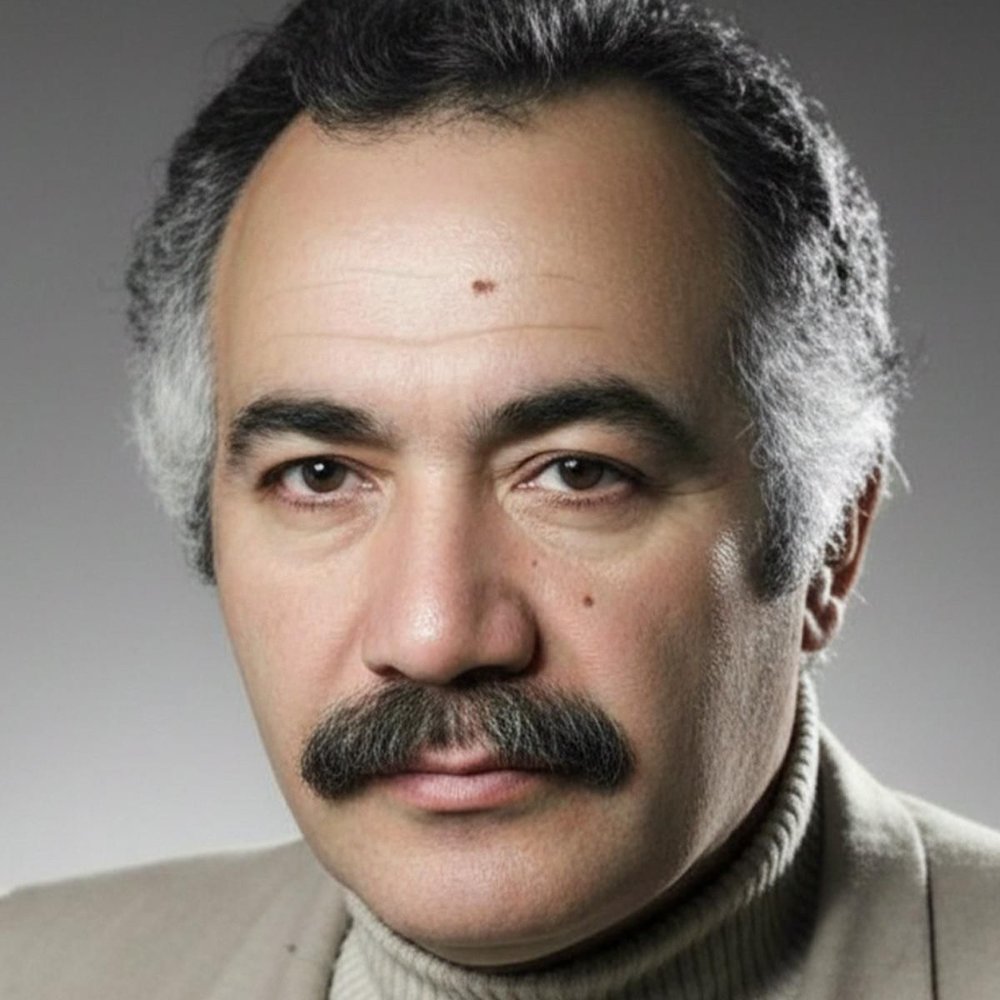
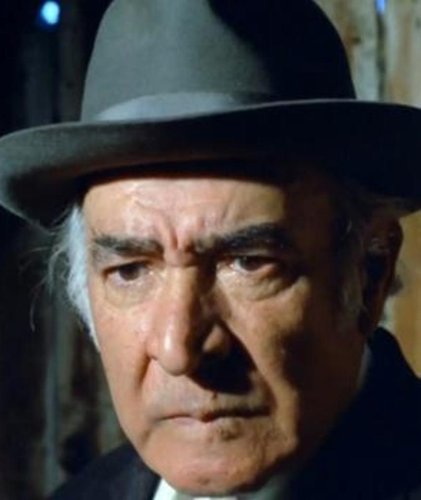
Born Hatice Kökçü, Neriman Köksal came into the world on 17 March 1928 in Istanbul to a family of Balkan refugees; her father, Ahmet Kökçü, had played football for Ramispor. She took the stage name "Neriman", Persian for "brave", and was discovered at 22 while walking on İstiklal Avenue by Metin Erksan, then a university student, who brought her to his brother, director Çetin Karamanbey, for the role of the Russian princess Nina in Çete (1950).
She found real fame with her tough, slang-talking, masculine-coded performance in Fosforlu Cevriye (1959), which earned her the nicknames "Fosforlu" and "Afet-i Devran" and made her Turkish cinema's first and longest-running "vamp" actress, an image that went on to become a lasting trend in Yeşilçam. She appeared in more than a hundred films, cut a record in 1965, and received an honorary award at the 18th Istanbul Film Festival in 1999. From the 1980s she moved mainly into mother and character roles, later playing Makbule for years in the series Bizim Mahalle.
In 1999 she legally adopted her niece's daughter, and later that year she died in Istanbul on 23 October after battling breast cancer and respiratory failure.
Reactions
You can pick up to 3 reactions.
Comments