

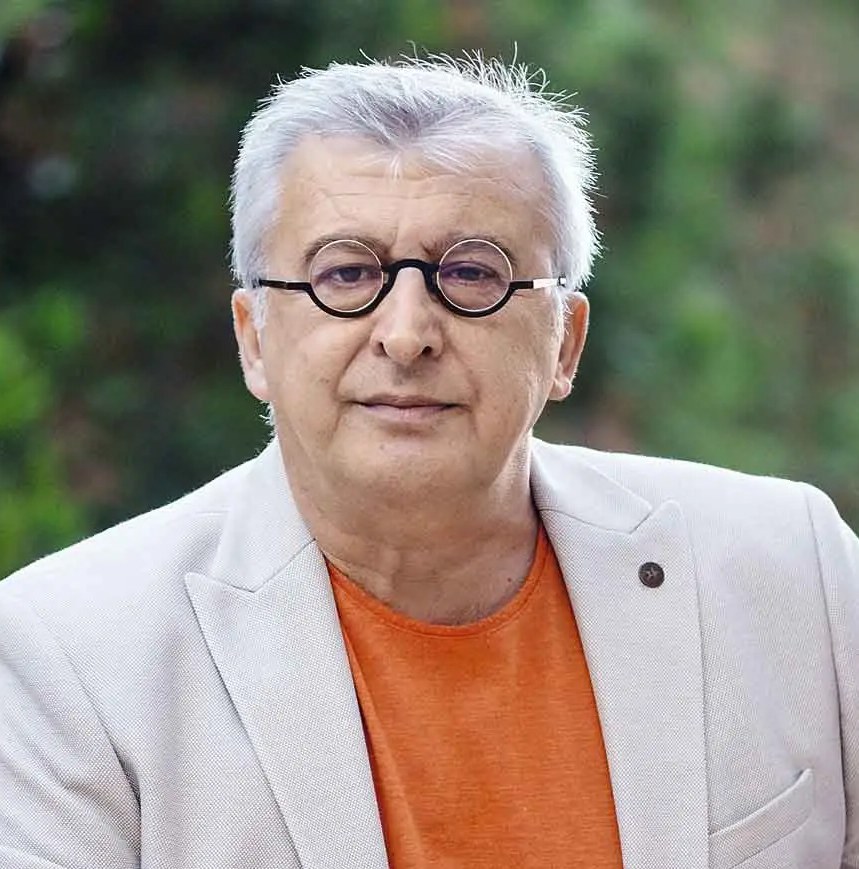
Nergis Öztürk
Film actor · 46 years old
Profile
| Age | 46 years old |
|---|---|
| Birth date | May 25, 1980 |
| Birthplace | Kandıra district |
| Profession | Film actor, Stage actor, Television actor, Theatre director |
| Zodiac sign | Gemini |



Filmography / Projects
-
 Haysiyet
-
 Cooked (Umami)
-
 Wild (Yabani) (translated)
-
 Personality (Şahsiyet)
- Sevda Mecburi İstikamet
-
 Bergen
-
 Midnight at the Pera Palace (Pera Palas'ta Gece Yarısı)
-
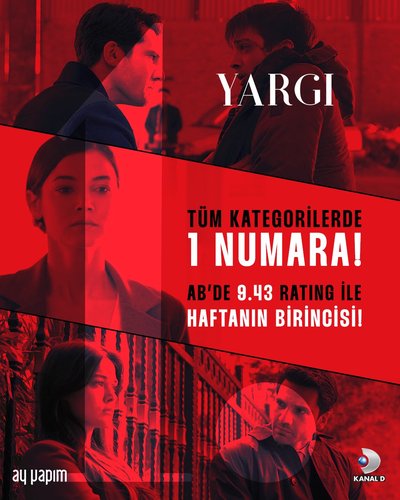 Judgment (Yargı) (translated)
- Kar Kırmızı
- Koku
- Sevinç Vesaire
-
 The Yard (Avlu) (translated)
-
 Sen Kiminle Dans Ediyorsun
-
 Red Istanbul (İstanbul Kırmızısı)
- This Doesn't Count (Bu Sayılmaz) (translated)
-
 Homecoming: Sarıkamış 1915 (Eve Dönüş: Sarıkamış 1915) (translated)
-
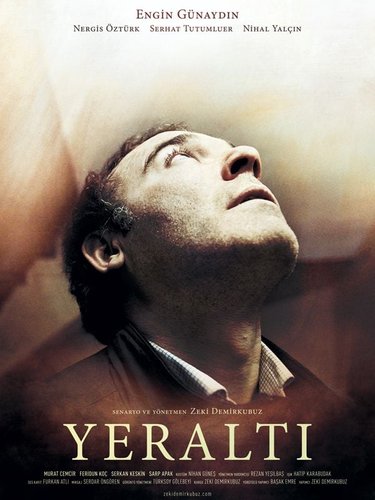 Inside (Yeraltı)
-
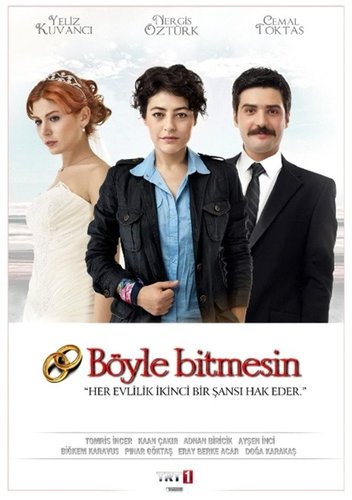 Let It Not End This Way (Böyle Bitmesin) (translated)
- The Day Turned to Evening (Gün Akşam Oldu) (translated)
-
 Carousel (Atlıkarınca) (translated)
-
 Toll Booth (Gişe Memuru)
-
 Envy (Kıskanmak) (translated)
-
 At the Bar (Barda)
-
 Karayılan
-
 Killing the Shadows (Hacivat Karagöz Neden Öldürüldü?)
-
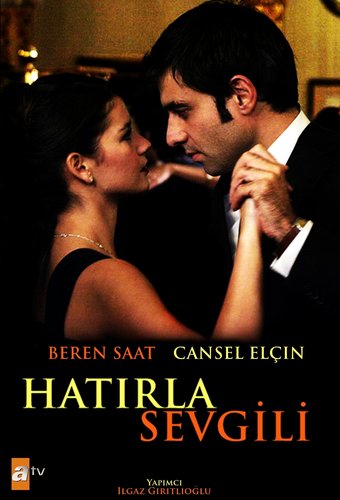 Remember, My Dear (Hatırla Sevgili) (translated)
- Girls' Dormitory (Kızlar Yurdu) (translated)
- Gulf Fire (Körfez Ateşi) (translated)
Nergis Öztürk — Biography
Nergis Öztürk Toktaş, born on 25 May 1980 in Kandıra, Kocaeli, has a teacher for a mother and an electrician for a father. She enrolled in a Bursa State Theatre youth course while accompanying a childhood friend who had signed up; when the friend dropped out she stayed on, then lost interest once her family moved to Istanbul, only to return to acting years later when that same friend suggested she sit the entrance exam for Ankara University's Faculty of Language and History-Geography theatre department, which she passed; she later completed a master's in advanced acting at Bahçeşehir University.
She began her television career in 2005 with Körfez Ateşi, made her film debut in Hacivat Karagöz Neden Öldürüldü?, and became widely known through Hatırla Sevgili (2006). Her leading role in Kıskanmak (2009) won her best actress at both the Antalya Golden Orange and Adana Golden Boll festivals, she took the lead in Böyle Bitmesin (2012), and she was named best actress for the plays "Bunu Yapan İki Kişi" (Lions Theatre Awards) and "Akciğer" (Theatre Critics' Association). In 2015 she and her husband Cemal Toktaş opened Istanbul's first cabaret restaurant, Taşra Kabare.
She has appeared in films including Atlıkarınca, Gişe Memuru, Yeraltı, Sen Kiminle Dans Ediyorsun and Bergen, and in the series Avlu and Pera Palas'ta Gece Yarısı, joining the cast of Haysiyet in 2026. She is married to actor Cemal Toktaş.
Photos

Reactions
You can pick up to 3 reactions.
Comments