

Ömer Lütfi Akad
Film director · died at 95
Profile
| Age at death | 95 |
|---|---|
| Birth date | September 2, 1916 |
| Birthplace | Constantinople |
| Died | November 19, 2011 |
| Profession | Film director, Screenwriter |
| Zodiac sign | Virgo |
In the rankings
Filmography / Projects
-
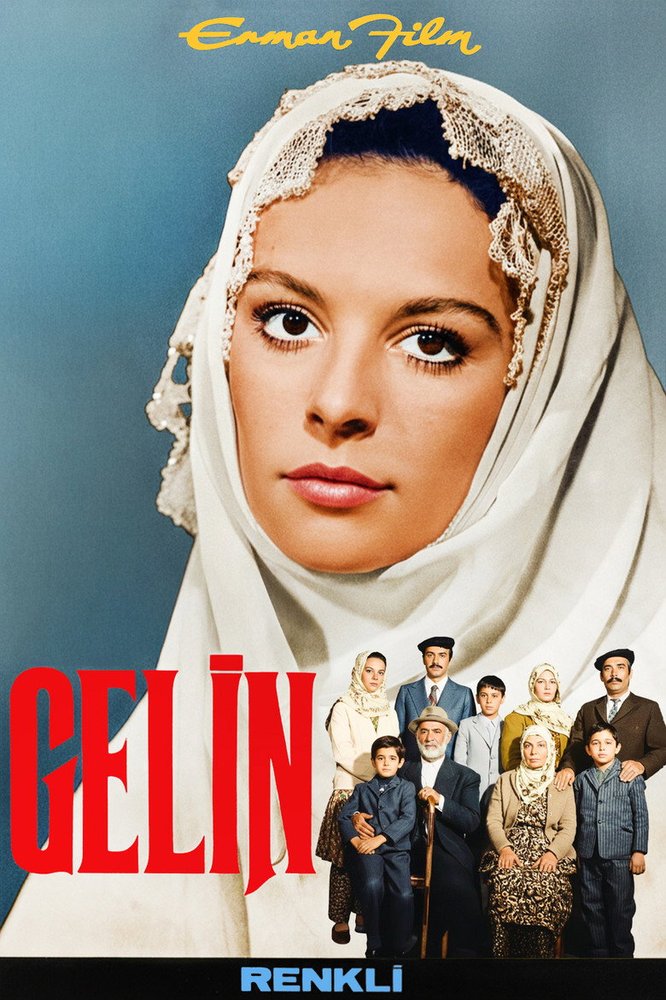 The Bride (Gelin)
-
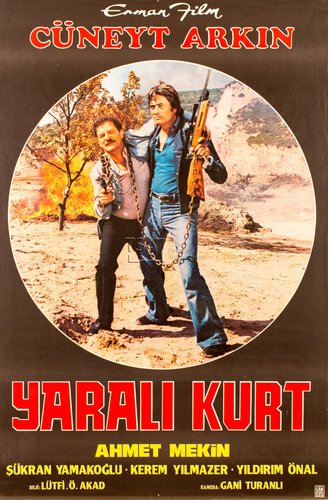 Wounded Wolf (Yaralı Kurt) (translated)
-
 Give Me Some Comfort (Bir Teselli Ver) (translated)
-
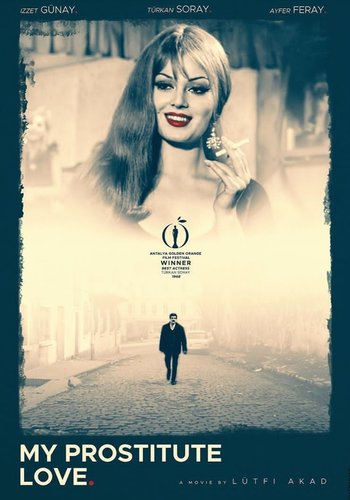 My Prostitute Love (Vesikalı Yarim)
-
 Mother (Ana)
-
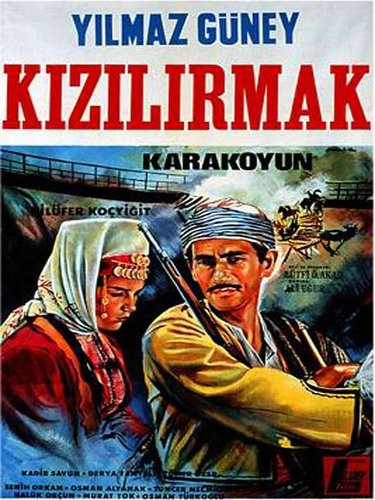 Kızılırmak-Karakoyun
-
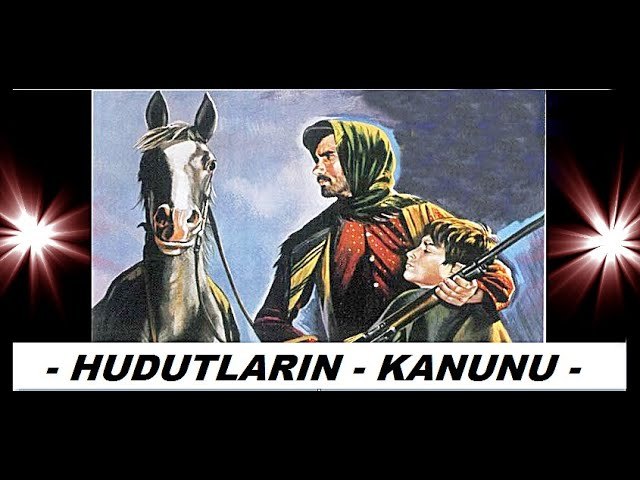 The Law of the Border (Hudutların Kanunu)
-
 Tricycle (Üç Tekerlekli Bisiklet)
-
 The Lonely Ones' Quay (Yalnızlar Rıhtımı)
-
 Murderous City (Öldüren Şehir)
-
 The Killer (Katil)
-
 Six Are Dead (Altı Ölü Var/İpsala Cinayeti)
-
 Let the Instruments Play, Let the Girls Dance (Çalsın Sazlar, Oynasın Kızlar) (translated)
-
 In the Name of the Law (Kanun Namına)
-
 British Kemal vs. Lawrence (İngiliz Kemal Lawrense Karşı) (translated)
-
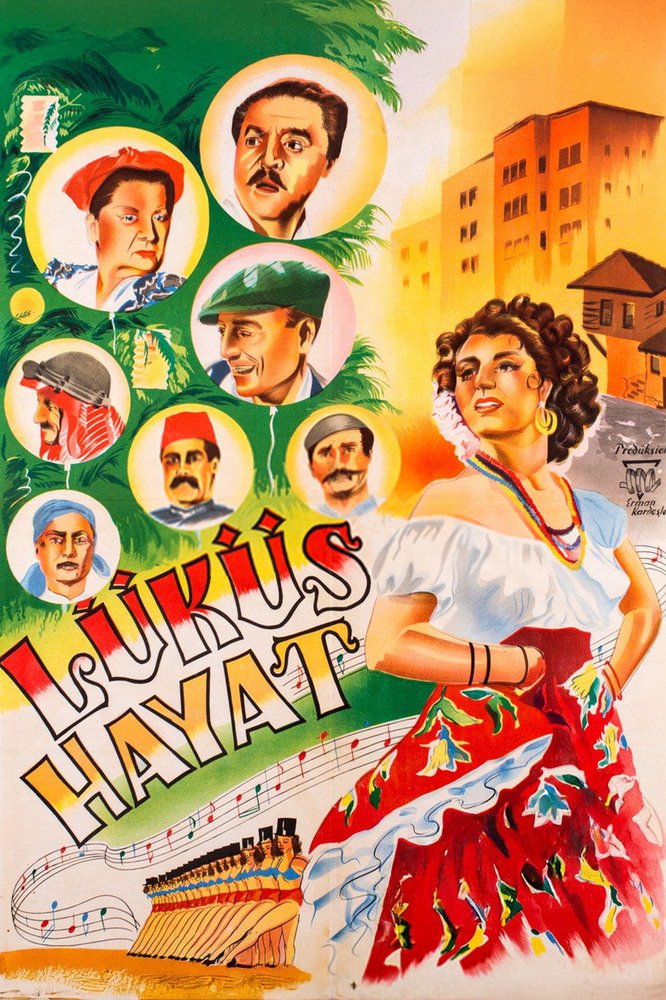 Luxury Life (Lüküs Hayat) (translated)
Ömer Lütfi Akad — Biography
Ömer Lütfi Akad was born on 2 September 1916 in Istanbul and died there on 19 November 2011 at the age of 95. After studying finance at Galatasaray High School and the Istanbul Higher School of Economics and Commerce, he entered the film business as an accountant for a production company, rose to production manager, and took his first step into directing by finishing "Damga", a film left unfinished by director Seyfi Haveri. He made his own directorial debut in 1948 with "Vurun Kahpeye", an adaptation of a novel by Halide Edib Adıvar.
As a leading figure of the so-called "Cinéastes Generation" that freed Turkish film from the dominance of stage theatre, Akad forged a distinctive cinematic language, most notably through crime and detective pictures, while also directing documentaries and writing screenplays across a career spanning more than three decades and roughly fifty productions. His 1970s Migration Trilogy — Gelin, Düğün and Diyet — depicting rural-to-urban migration, is regarded as his most influential achievement. He later moved away from cinema toward television adaptations and taught for many years at Mimar Sinan Fine Arts University.
Nicknamed the "Great Plane Tree" of Turkish cinema, Akad also left behind an important record of the medium's early decades in his memoir "Işıkla Karanlık Arasında" (Between Light and Darkness). He received numerous honors, including Golden Orange awards for best direction and lifetime achievement, the Presidential Grand Award for Culture and Arts, and a special award from the Ministry of Culture and Tourism, and remains remembered as one of the founding figures of Turkish cinema.
Reactions
You can pick up to 3 reactions.
Comments