Amreeka

Amreeka

Movie · 2009 · 5 people

Cherien Dabis wrote and directed Amreeka, a 2009 independent drama and her first feature as a director. The film follows a Palestinian American family in two settings: first the West Bank, then the suburbs of Chicago after September 11. It is a Canadian and American production. It premiered at the 2009 Sundance Film Festival and later screened at Cannes. Critics praised it, it won several awards, and National Geographic Entertainment bought all of its theatrical and home entertainment rights.

At its centre is Muna, a divorced woman living in the West Bank, played by Nisreen Faour. She moves with her teenage son Fadi to a Chicago suburb, where relatives take them in, hoping for a better life. In their new country they meet growing suspicion and prejudice toward Arabs. Muna struggles to find work despite her qualifications, while Fadi faces hostility and trouble fitting in at school. Both try to build a new routine without giving up who they are. The cast also includes Hiam Abbass, Alia Shawkat, Yussuf Abu-Warda, Melkar Muallem, Joseph Ziegler and Miriam Smith.

The dialogue is in English and Arabic, and the running time is about 96 minutes. Rotana Studios is credited as a production company. In Germany it was released as Willkommen in Amerika.

DirectorCherien Dabis
Production companyRotana Studios

Reactions

You can pick up to 3 reactions.

Cast

Names without a link have no profile here yet.
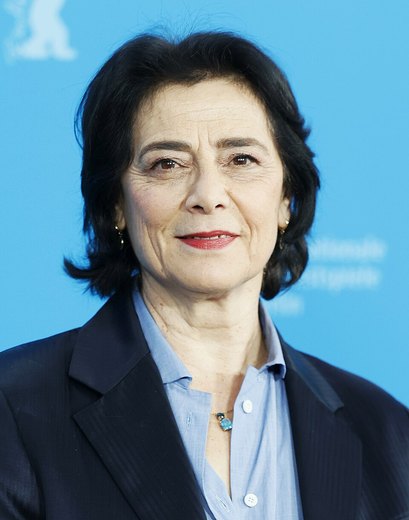
Also in the cast: Alia Shawkat, Melkar Muallem, Joseph Ziegler, Miriam Smith

Through different eyes

History & Society Lens Asks about the period, the social background and what the work reflects.

By placing the migrant experience in the tense climate of post-9/11 America, Amreeka asks what it means to start a new life at precisely the hardest moment. Muna, who moves from the West Bank to the suburbs of Chicago, cannot find work despite her qualifications, a realistic picture of the loss of professional status migrants so often face. The hostility her son Fadi meets at school shows how prejudice reaches the second generation. The film tells of the effort to adapt without giving up one's identity not by lecturing but through a family's everyday struggle, which makes it both local and universal.

Family Viewer Asks whether the whole household can watch it; cares about humour and heart.

A warm but thought-provoking family drama. It follows a mother and son trying to find their footing in a new country. Subjects like hostility and prejudice at school are a good opening for a talk with teenagers. Rough language and harsh violence aren't the focus, but the theme may feel heavy and dull for young children. Easy to watch with middle and high-school kids and with grandparents.

Cinephile Looks at script, editing and directing choices; keeps a distance from formula films.

Cherien Dabis's first feature moves with the plain language typical of character-driven independent drama. Its greatest strength is Nisreen Faour's Muna: she turns a woman facing prejudice not into a figure of pity but into a dignified, distinctive human being. The two-part structure, West Bank then Chicago suburb, lets us compare life before and after migration. Its weakness is that the well-meaning story sometimes leans on predictable situations; certain moments of prejudice arrive where you expect them, in the form you expect. Its journey from Sundance to Cannes and the praise it earned show that this heartfelt but somewhat safe film found its audience.

These are not reader reviews: they are short editorial takes written from different viewer perspectives with AI assistance. Reader reviews are below.

Reviews (0)

Log in Log in to write a review.

Comments