
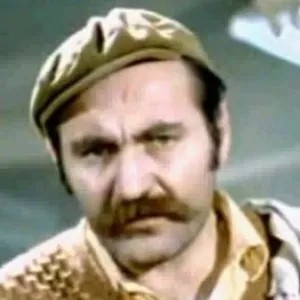
Tuncer Necmioğlu
Actor · died at 69
Profile
| Age at death | 69 |
|---|---|
| Birth date | December 17, 1936 |
| Birthplace | Diyarbakır |
| Died | August 20, 2006 |
| Place of death | Istanbul, Turkey |
| Profession | Actor, Screenwriter |
| Zodiac sign | Sagittarius |
In the rankings




Filmography / Projects
-
 Burnt Cocoon (Yanık Koza) (translated)
-
 Offside (Dar Alanda Kısa Paslaşmalar)
- Deniz Bekliyordu
- Hoşçakal Yarın
- Çökertme
- Buzdan Gözler
- Pavement Flower (Kaldırım Çiçeği) (translated)
- Feride
- Batık Aşklar Müzesi
- Moontime (Ay Vakti) (translated)
- Kızılırmak Karakoyun
-
 Our Respects (Saygılar Bizden) (translated)
- Yağmur Beklerken
-
 Wives' Ward (Karılar Koğuşu) (translated)
-
 Photographs (Fotoğraflar) (translated)
-
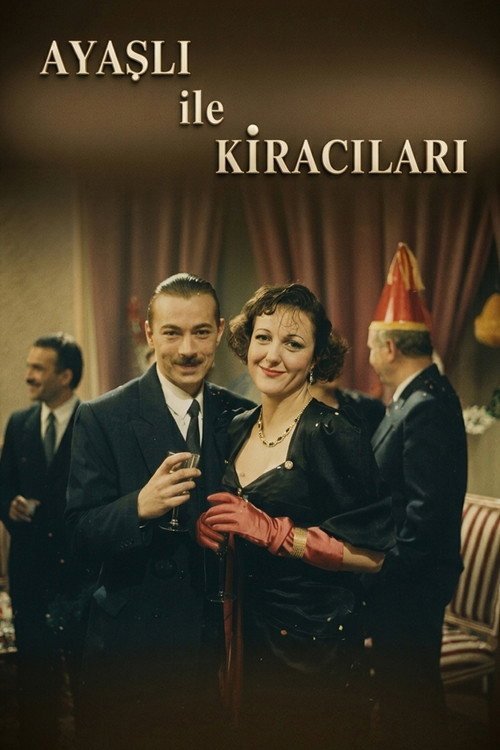 Ayaşlı and His Tenants (Ayaşlı ile Kiracıları) (translated)
- Ayaşlı ve Kiracıları
- Üç Halka 25
-
 The Wound of the Tongue (Dil Yarası) (translated)
- Kadınca
- Bir Sevgi İstiyorum
- And Recep and Zehra and Ayşe (Ve Recep ve Zehra ve Ayşe) (translated)
- Çocuklar Çiçektir: Kuduz
-
 Last Raid (Son Akın) (translated)
-
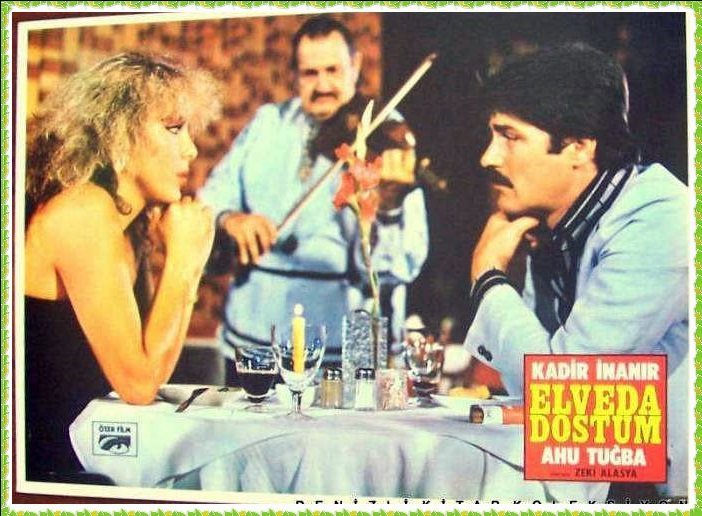 Goodbye, My Friend (Elveda Dostum) (translated)
- Kanije Kalesi
- Aşk Para Yumruk
- İbişo
- Boynu Bükük
-
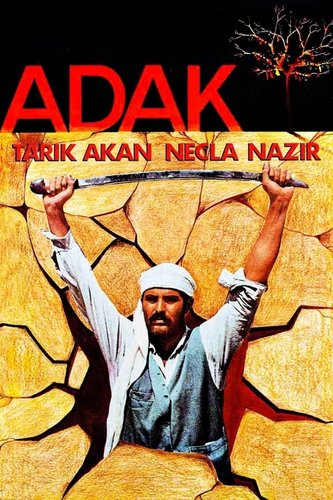 The Vow (Adak) (translated)
- Kara Çadırın Kızı Zeynep
- The Scoundrel (Sütübozuk) (translated)
-
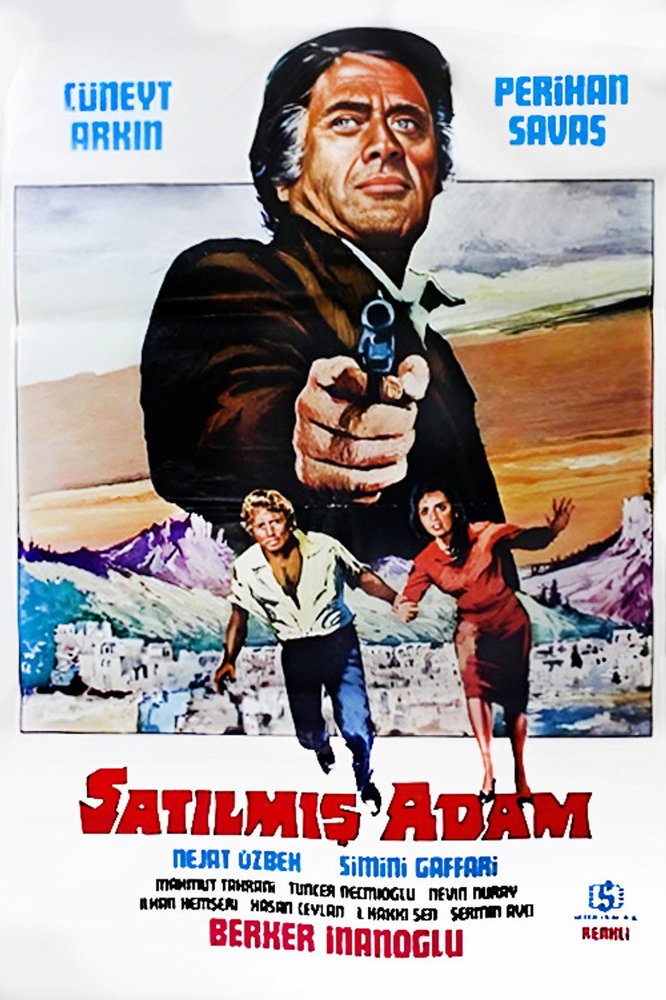 Sold Man (Satılmış Adam) (translated)
-
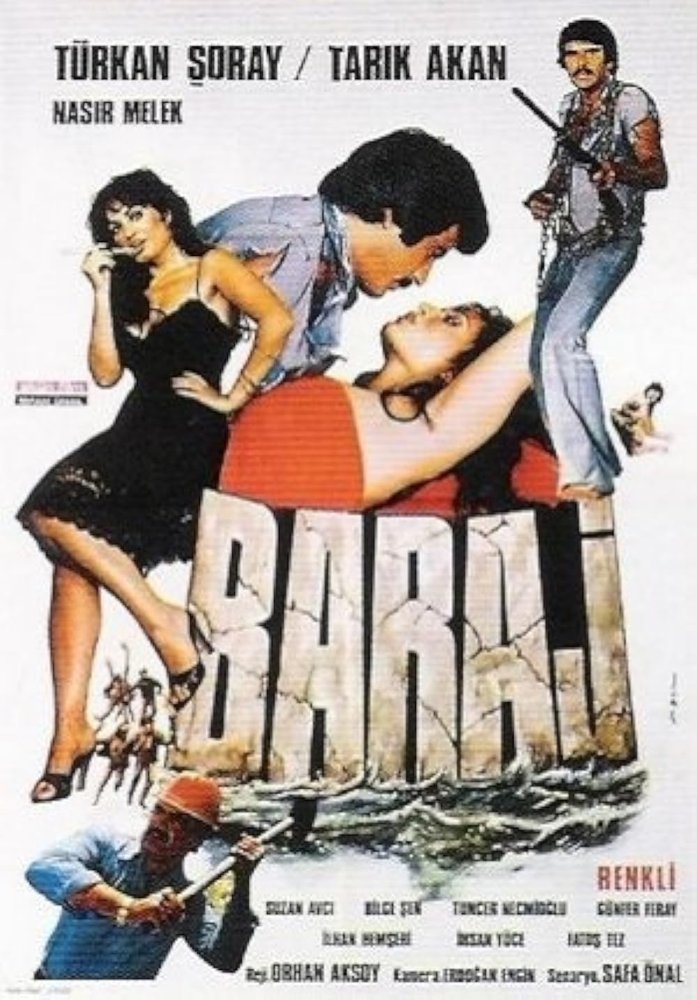 The Dam (Baraj) (translated)
- The Smart Alecks (Sivri Akıllılar) (translated)
- Son Gülen Tam Güler
-
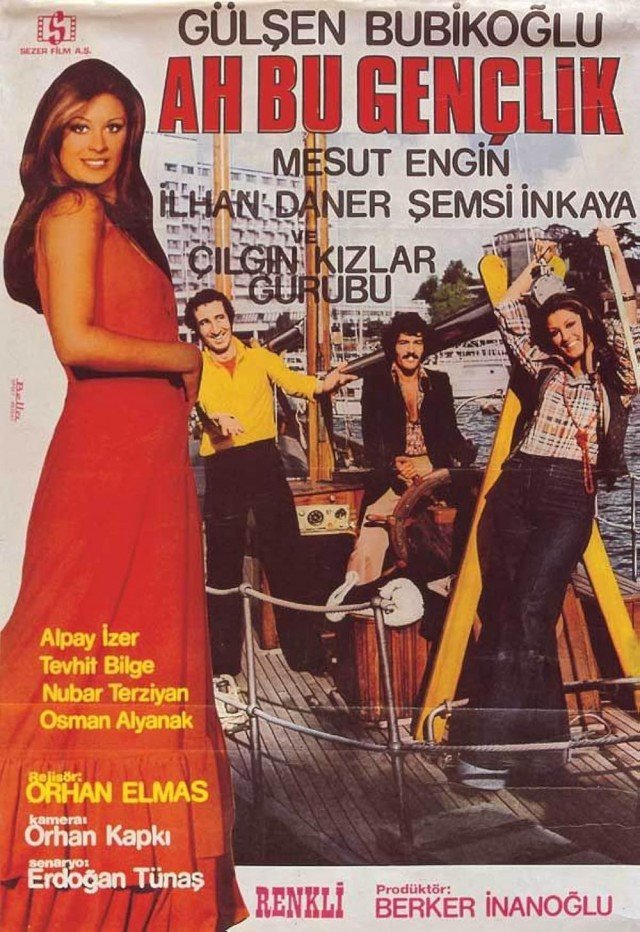 Oh, This Youth!
- Aşk Dediğin Laf Değildir
- Atmaca Ali
- Defineci
- Silahlara Veda
- Turhanoğlu: Çal Hasan
- En Büyük Patron
- Bacım
- Sokaklardan Bir Kız
- Kuma
- Gökçe Çiçek
- Pir Sultan Abdal
- Namus Borcu
- Susuz Yaz
- Para
- Tek Kollu Bayram
-
 Cemo
- The Innocent (Günahsızlar) (translated)
-
 Malkoçoğlu Kurt Bey
- Kopuk
- Akma Tuna
- Bir Aşk Bin Ölüm
- Hakikat
- Ölüm Nöbet Bekliyor
-
 Malkoçoğlu Death Squads (Malkoçoğlu Ölüm Fedaileri) (translated)
-
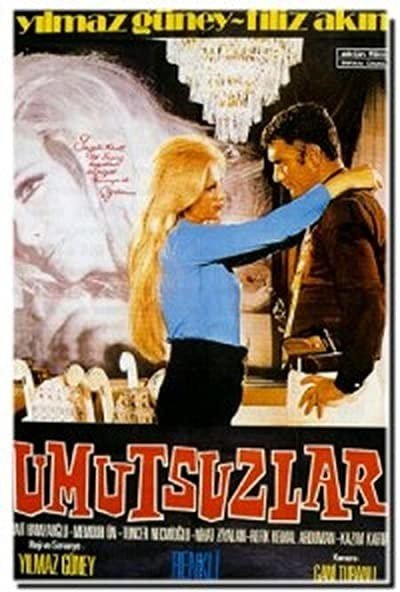 The Hopeless Ones (Umutsuzlar) (translated)
- Baba
- Beyaz Atlı’nın Dönüşü
-
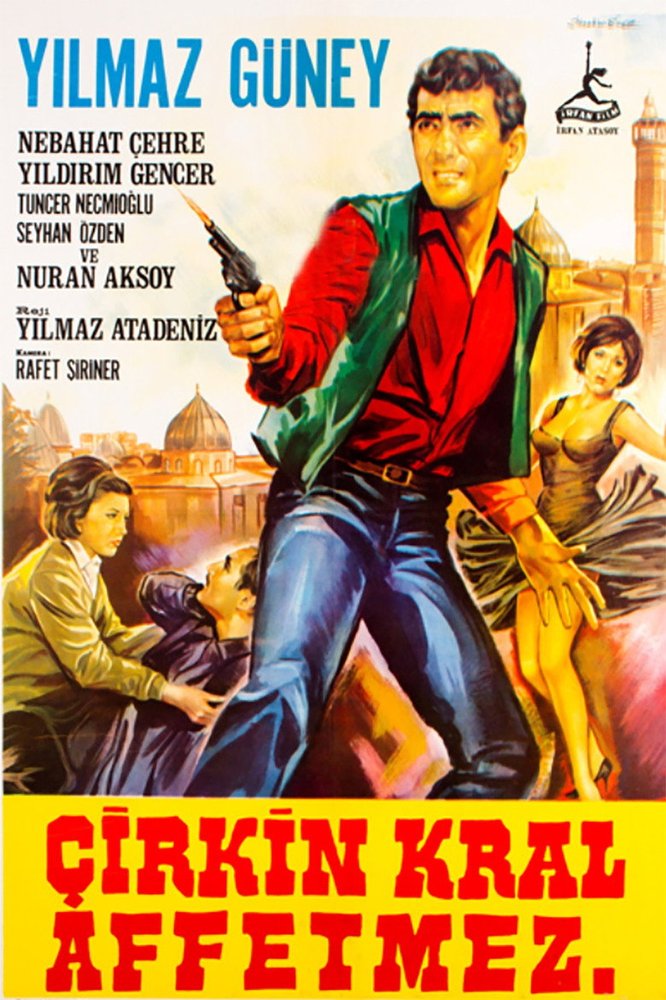 The Ugly King Doesn't Forgive (Çirkin Kral Affetmez)
-
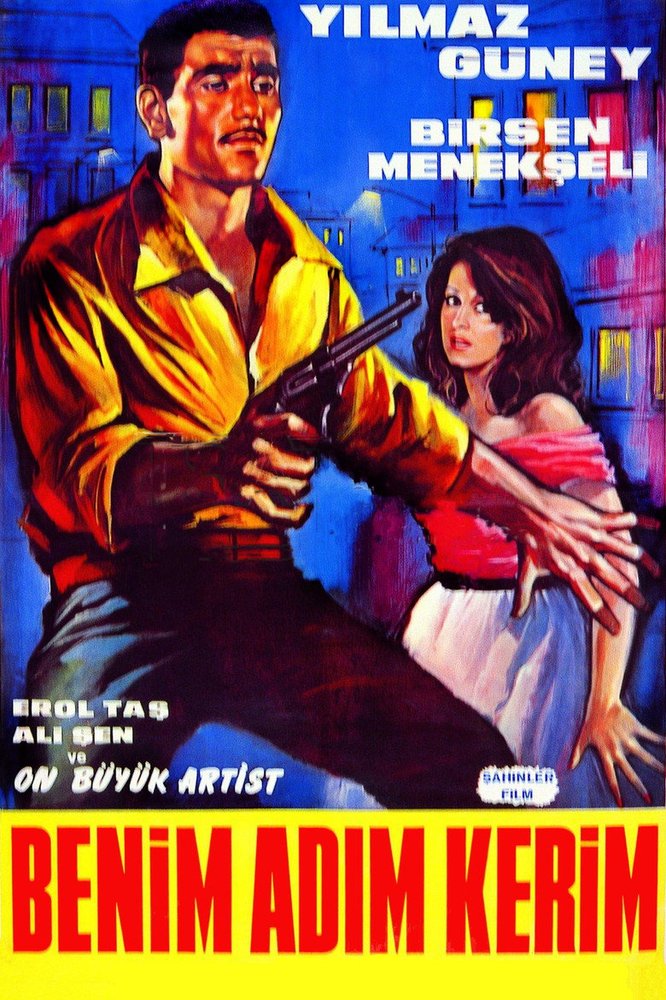 My Name Is Kerim (Benim Adım Kerim) (translated)
- Kozanoğlu
- Akbulut Malkoçoğlu ve Karaoğlan'a Karşı
- Eşkıya Celladı
-
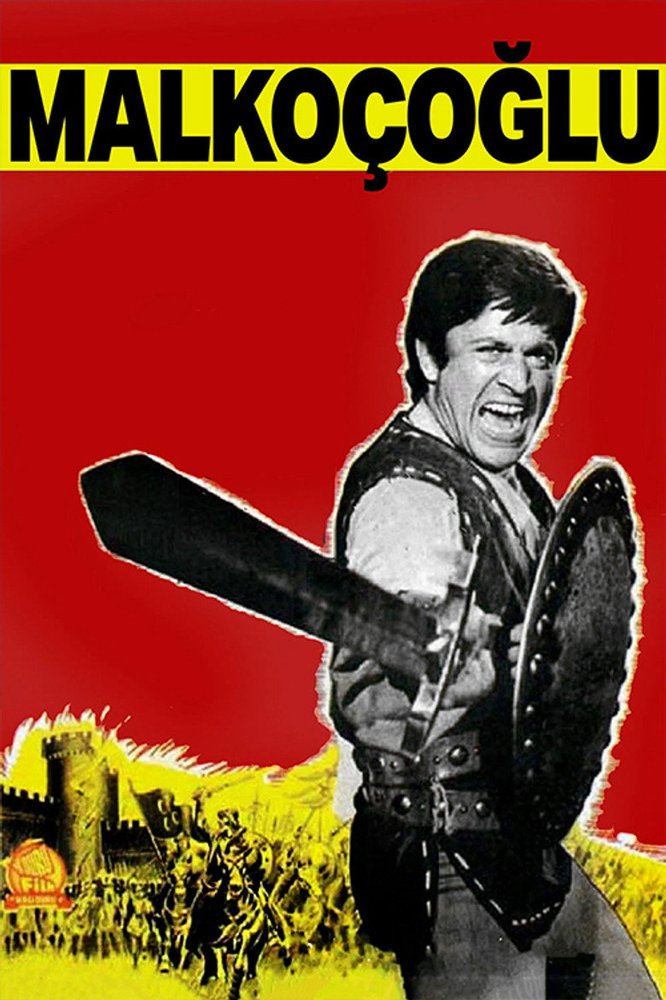 Malkoçoğlu
-
 The Law of the Border (Hudutların Kanunu)
- Eşrefpaşalı
- Düğün Gecesi
- Sırat Köprüsü
- Toprağın Kanı
- Nuh'un Gemisi
-
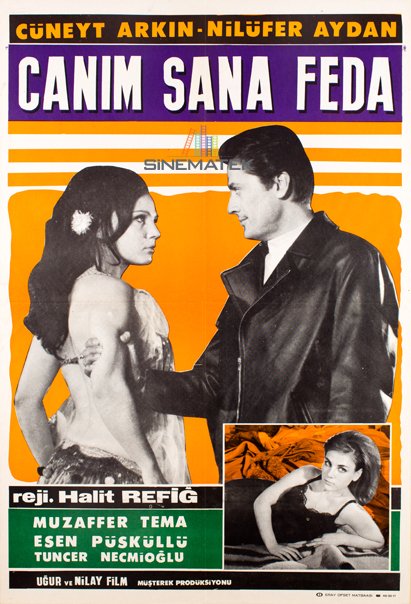 I Would Give My Life for You (Canım Sana Feda) (translated)
- The Man on the White Horse (Beyaz Atlı Adam) (translated)
- Avare Yavru ve Filinta Kovboy
- Zımba Gibi Delikanlı
- İki Gemi Yanyana
- Yarın Bizimdir
- Ateşli Kan
Tuncer Necmioğlu — Biography
Tuncer Necmioğlu was among the figures of Turkish theatre known for their social and political engagement, and in film and television a veteran character actor with more than 150 productions to his name. A founder of the Halk Oyuncuları company, he also worked as a screenwriter and director and was recognised as a theatre critic. He died in Istanbul on 20 August 2006; one of his last roles was in the series Hacı.
His stage career began in university theatre while he was studying at the Faculty of Medicine and in mechanical engineering at Istanbul Technical University; rather than finish a degree he gave himself entirely to the stage. He worked at Arena and the Ankara Sanat Theatre, and in 1967 co-founded Halk Oyuncuları with Tuncel Kurtiz, Umur Bugay, Aydın Engin and Müjdat Gezen. The company dissolved in 1971. From 1978 Necmioğlu performed with the State Theatres, retiring at his own request in 1994.
He entered cinema in 1965 alongside Yılmaz Güney in Beyaz Atlı Adam, and went on to appear in films such as Malkoçoğlu, Çirkin Kral Affetmez, Cemo, Günahsızlar, Karılar Koğuşu and Yağmur Beklerken, and played Çaycı Cebrail in the series Saygılar Bizden. He won the Golden Orange for Best Supporting Actor for Karılar Koğuşu and for Yağmur Beklerken, and in 2005 received the festival's Yıldırım Önal Memorial Award. He stood as the Workers' Party candidate for mayor of Beyoğlu in 1999 but did not win.
Reactions
You can pick up to 3 reactions.
Comments