
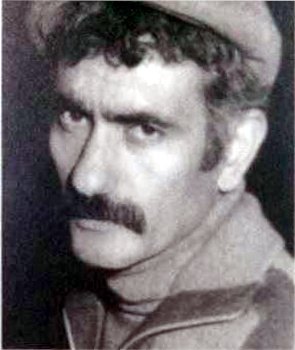
Yılmaz Güney
Film director · died at 47
Profile
| Age | died at 47 |
|---|---|
| Birth date | April 1, 1937 |
| Birthplace | Yenice, Adana |
| Died | September 9, 1984 |
| Profession | Film director, Actor, Screenwriter, Film editor |
| Zodiac sign | Aries |
| Real name | Yılmaz Pütün |
| Education | Ankara Üniversitesi Hukuk Fakültesi (yarım), İstanbul Üniversitesi İktisat Fakültesi |
| Spouse | Fatoş Güney |
| Eski Eşi | Nebahat Çehre |
| Ölüm Yeri | Paris, Fransa |
In the rankings
Filmography / Projects
-
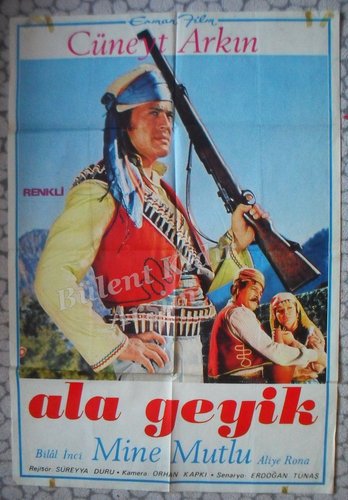 Fallow Deer (Ala Geyik) (translated)
-
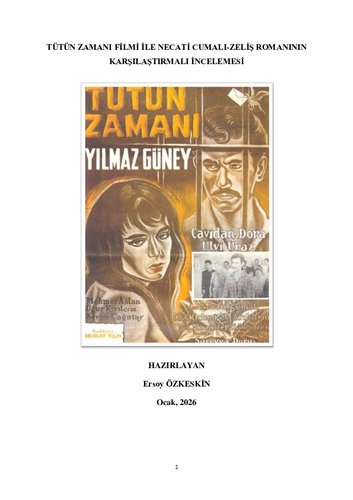 Tobacco Time (Tütün Zamanı) (translated)
-
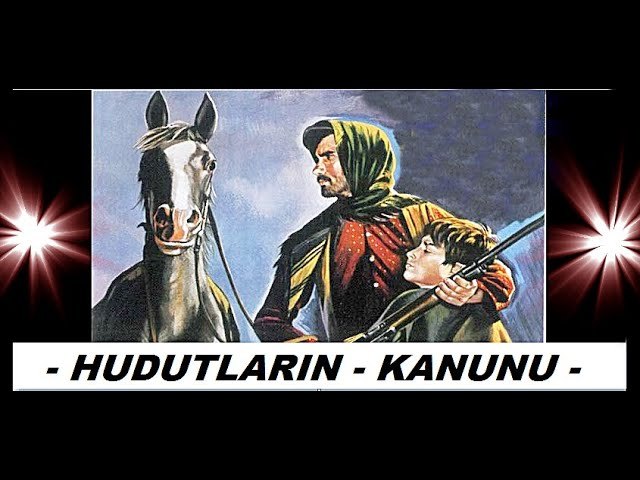 The Law of the Border (Hudutların Kanunu)
-
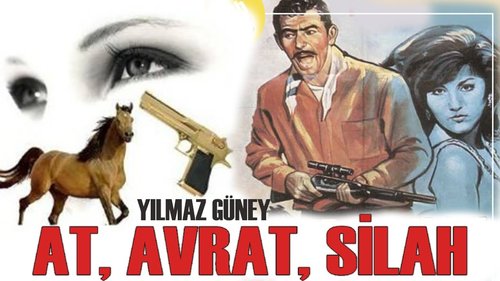 Horse, Woman and Gun (At Avrat Silah)
-
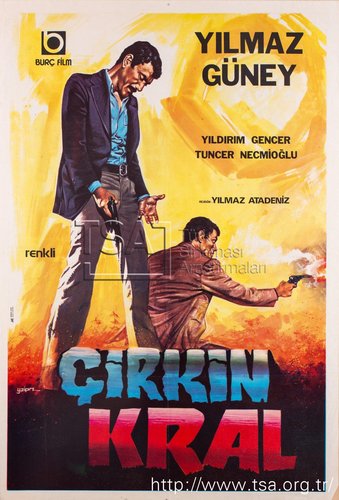 The Ugly King Doesn't Forgive (Çirkin Kral Affetmez)
-
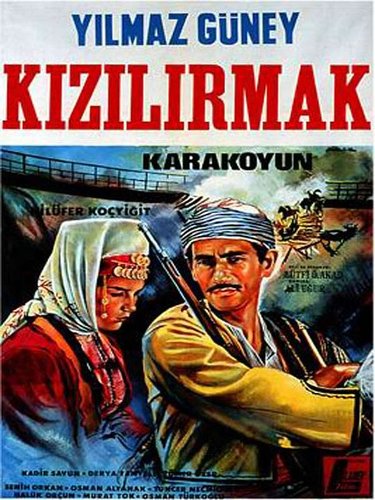 Kızılırmak-Karakoyun
-
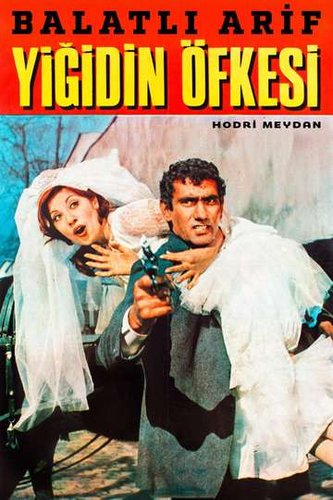 Arif from Balat (Balatlı Arif) (translated)
-
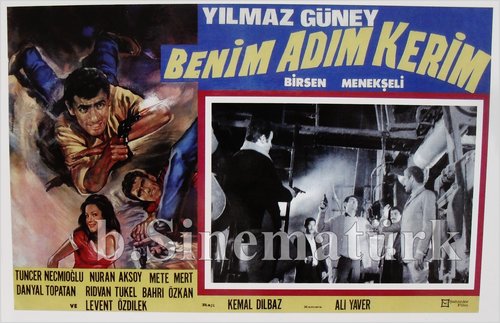 My Name Is Kerim (Benim Adım Kerim) (translated)
-
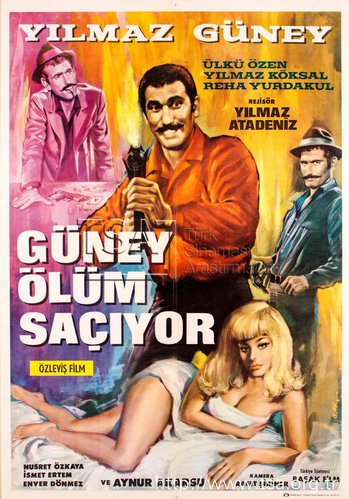 The South is spreading death. (Güney Ölüm Saçıyor) (translated)
-
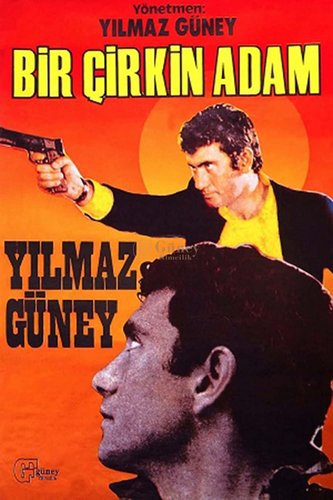
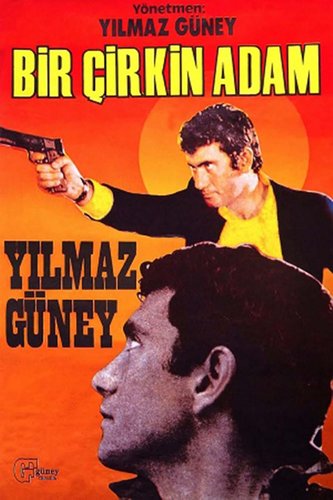 An Ugly Man (Bir Çirkin Adam) (translated)
-
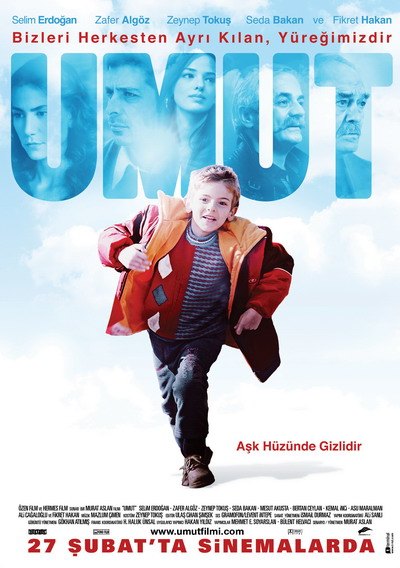 Hope (Umut) (translated)
-
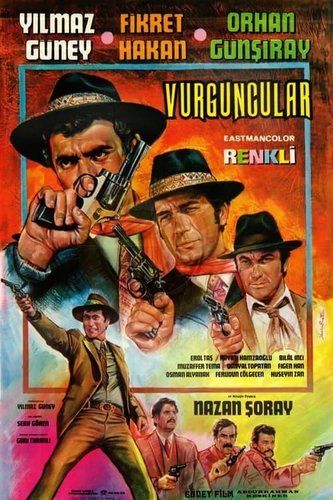 profiteers (Vurguncular) (translated)
-
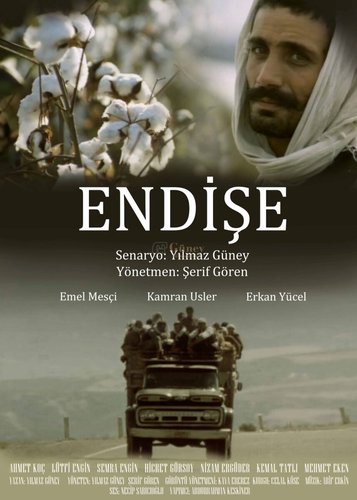 Anxiety (Endişe) (translated)
-
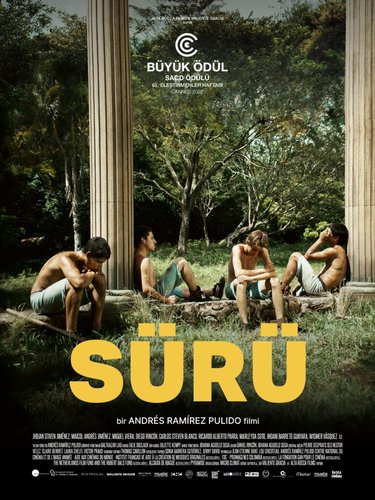 The Herd (Sürü)
-
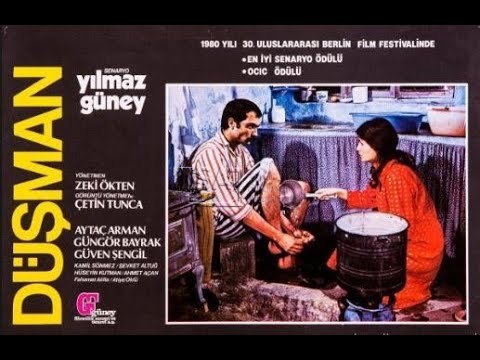 The Enemy (Düşman)
-
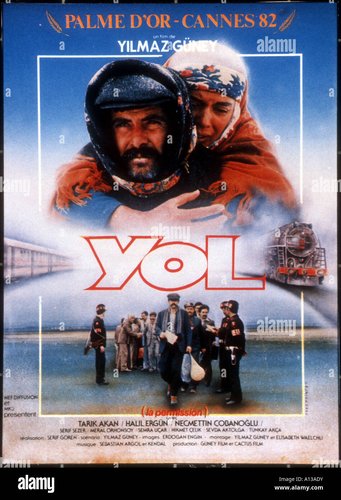 Path (Yol) (translated)
-
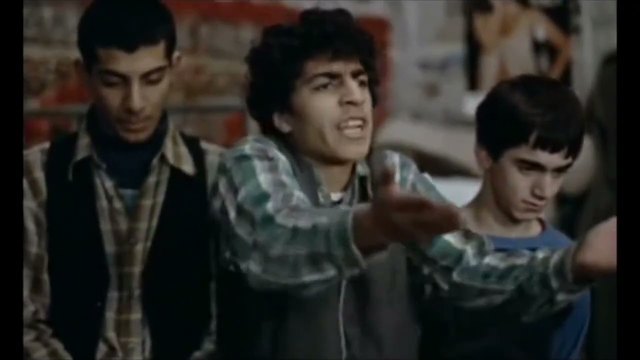 Wall (Duvar) (translated)
-
 The Legend of the Ugly King
- 1965 Davudo
- 1965 King of Kings (Krallar Kralı) (translated)
- 1965 The Man on the White Horse (Beyaz Atlı Adam) (translated)
- 1970 Zeyno
- 1970 Hope (Umut) (translated)
- 1971 The hopeless ones (Umutsuzlar) (translated)
- 1971 Father (Baba) (translated) (oyuncu)
Yılmaz Güney — Biography
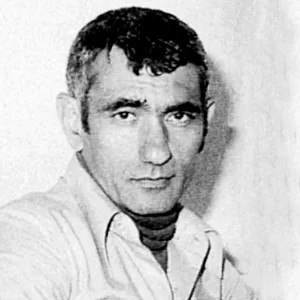
Yılmaz Güney (born Yılmaz Pütün; 1 April 1937 in Yenice, Adana – 9 September 1984 in Paris) was a Turkish actor, director, screenwriter, producer, editor, writer and poet, and one of the most influential figures in his country's cinema. Described in the sources as being of Kurdish and Zaza descent, he shot his films in Turkish and, from a left-wing standpoint, devoted much of his work to the hardships of working people and to portraying Kurdish society, its culture and its language.
He abandoned the law degree he had started at Ankara University and went on to study economics in Istanbul. His screen career began in 1959 with acting roles. In 1961 he was jailed on the accusation that a story he had written at nineteen constituted communist propaganda; Turkish accounts give his punishment as eighteen months in prison followed by six months of internal exile. Once free, he rose to become one of Yeşilçam's most bankable stars and came to be identified with the nickname drawn from the Çirkin Kral pictures he headlined.
He took up directing in 1966 with At Avrat Silah; Hudutların Kanunu, for which he wrote the screenplay and played the lead, established his reputation, and in 1968 he set up his own production company. According to Turkish sources, while that film was being shot he was driving drunk in Şanlıurfa and ran over a child, who died. In 1967 he married the actress Nebahat Çehre; the sources describe violent episodes in the marriage and report that the couple divorced soon after Güney drove his car into Çehre in 1968, leaving her injured. Two years later he married Fatoş Güney.
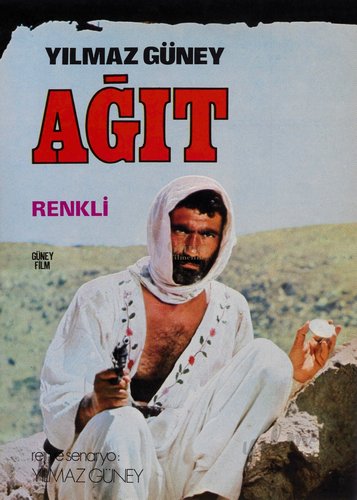
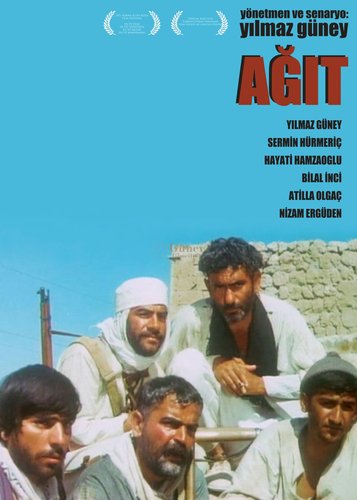
Although he began with adventure and action fare, from the late 1960s Güney shifted toward socially and politically engaged storytelling. His first significant achievement in this direction was Umut (1970), which he directed, followed by Ağıt, Baba, Arkadaş and Endişe. In 1972 he received a prison sentence for assisting militants of the People's Liberation Party-Front of Turkey, but regained his freedom through the general amnesty of 1974.
Later that year, in Adana for the filming of Endişe, he was accused of responsibility for the death of the judge Sefa Mutlu. Turkish sources ascribe the killing to him outright; one source notes that he rejected the accusation, while the Greek source says the death came after a brawl. The punishment is reported inconsistently as well: nineteen years in the Turkish and German texts, twenty-four years later reduced to eighteen in the Greek one. He kept writing behind bars; Sürü (1978), from his screenplay, took the Golden Leopard at Locarno in 1979, and Düşman (1980) also dates from this period.
Following the coup of 12 September 1980, he left Isparta semi-open prison on furlough in 1981 and never returned, escaping abroad and settling in France. Yol, for which he wrote the script and handled the production and editing while his assistant Şerif Gören directed the shooting, was awarded the Palme d'Or at the 1982 Cannes Film Festival; French sources describe the prize as shared. Duvar (1983), shot in France, became his final film. In 1983 he was stripped of his Turkish citizenship; that same year he joined the Kurdish poets Cigerxwîn and Abdurrahman Şerefkendi in establishing the Kurdish Institute of Paris. A recipient of the Orhan Kemal Novel Prize and of Golden Orange honours, Güney died of stomach cancer in Paris on 9 September 1984, aged forty-seven.
Photos
Reactions
You can pick up to 3 reactions.
Comments (0)