

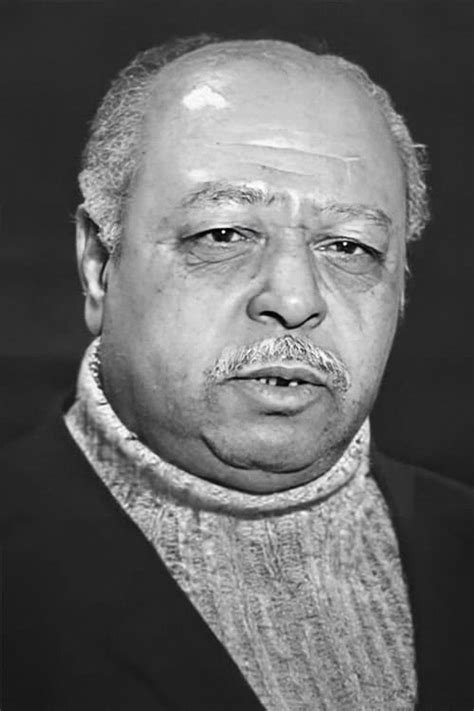
Çetin Başaran
Actor · born 1940
Profile
| Birth date | 1940 |
|---|---|
| Birthplace | Zonguldak |
| Profession | Actor |
In the rankings

Filmography / Projects
- Kimsesiz
- Ölümün Ağzı
-
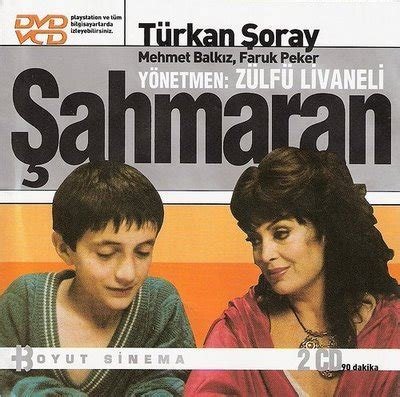 Shahmaran (Şahmaran) (translated)
- Uyanık Gazeteci
- Gönülden Gönüle
- Çaba
- Karanlığın İçinde
- Shared Wonders Company (Hisseli Harikalar Kumpanyası) (translated)
-
 Japanese Work (Japon İşi) (translated)
- Damga
- Şeytanın Oğulları
- Ramo: Silaha Yeminliydim
- Seni Seviyorum
- Arkadaşım ve Ben
- Gelin
- Tightly Bound (Kıskıvrak) (translated)
- Sevdan Öldürdü Beni
- Ölümsüz Aşk
- Karım Beni Aldatırsa
-
 Slave to Money (Paranın Esiri) (translated)
- Sosyete Şaban
- Kul Kuldan Beter
-
 White Fire (Vivre pour survivre)
-
 Shabaniye (Şabaniye) (translated)
- The Price (Bedel) (translated)
- Aşkım Günahımdır
- Bırakın Yaşasınlar
- Ejderin İntikamı
- Kartal Bey
- Şaşkın Gelin
- Damga
-
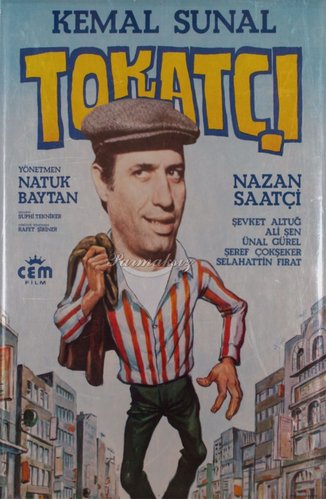 Swindler (Tokatçı) (translated)
- I'm in Love with You (Düşkünüm Sana) (translated)
-
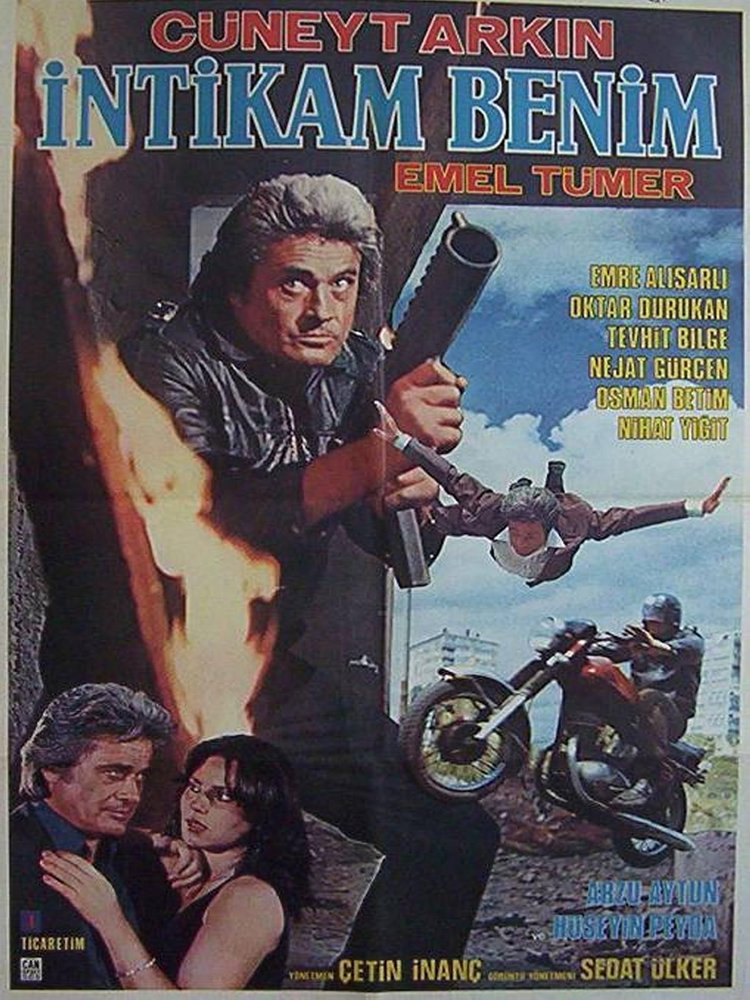 Revenge Is Mine (İntikam Benim) (translated)
-
 The Last Step Towards Death (Ölüme Son Adım) (translated)
-
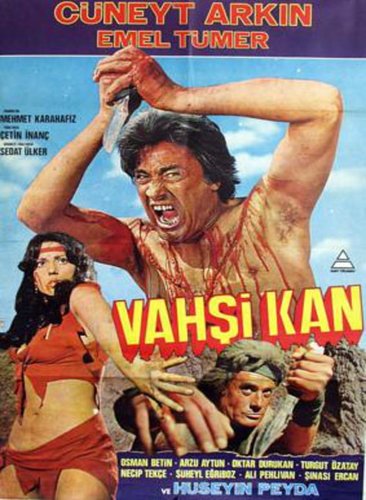 Wild Blood (Vahşi Kan) (translated)
- Son Adam
- Kalbimdeki Acı
- Çarıklı Milyoner
- Gecenin Sonu
- Çelik Pençe
-
 Hüsnü the Troublemaker (Yedi Bela Hüsnü) (translated)
- Gazap Rüzgarı
- Ölümsüz
- Günaha Girme
-
 Jewel Thieves
-
 Davaro
-
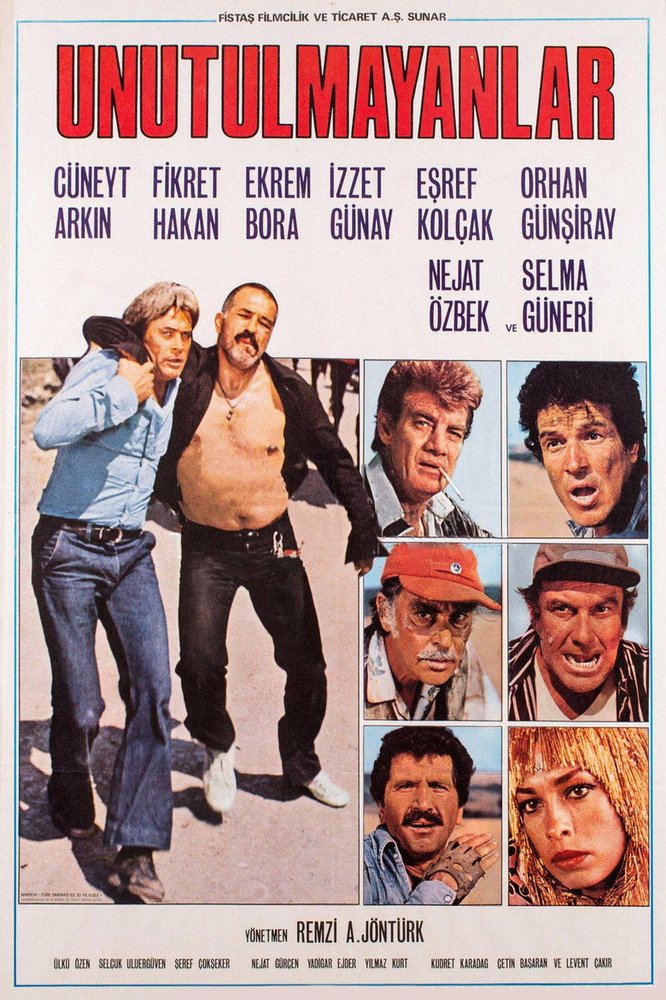 Unforgettable (Unutulmayanlar) (translated)
- Gırgıriye
-
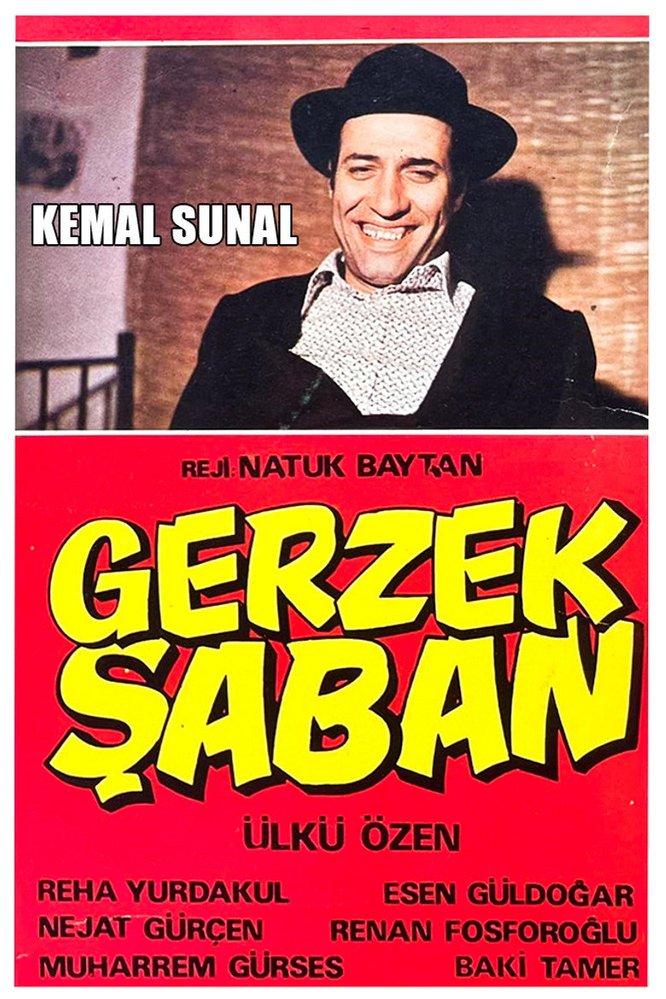 Idiot Şaban (Gerzek Şaban) (translated)
- Gecenin Katili Ustura
- Beddua
- Sarışın Tehlike
- Dişi Köpek
- Kız Da Anası Gibi
- Doyumsuzlar
-
 Cow Shaban (İnek Şaban) (translated)
-
 Darling (Canikom) (translated)
-
 Nightingale of the East (Şark Bülbülü) (translated)
- Püsküllü Bela
- Sen Benimsin
- Saldırganlar
- Süpermen Dönüyor
- Maden Dağı
- Yıkılış
- Yudum Yudum Sev
- Tornavida
- Rezil
- Ateşli kız
- Büklüm Büklüm
- Cemile'nin Kaderi
- Sokak Kızları
- Lionman II: The Witchqueen
- Tatlı Nigâr
- İyi Aile Çocuğu
- Mavi Mersedes
- Sunny Swamp (Güneşli Bataklık) (translated)
-
 Fearless Warrior (Korkusuz Cengaver) (translated)
- Yumurtanın Sarısı
- Sürgün
- Kader Bu
- Hamal
- Acele Koca Aranıyor
- Sıra Sende Yosmam
- Şipşak Basarım
- Seveceksen Sev Artık
-
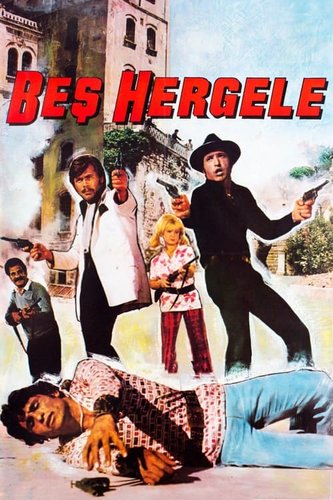 Five Rascals (Beş Hergele) (translated)
- Kader
- Bağdat Hırsızı
- Gül ve Şeker
- Pire Nuri
- Seyyit Han
- Kral Kim
-
 Alpago, Alpaslan's Loyalist (Alpaslan'ın Fedaisi Alpago) (translated)
- Serseri
- Altın Çocuk Beyrut'ta
- Karaoğlan: Bizanslı Zorba
- Aslan Yürekli Kabadayı
- Amansız Takip
- Yağmur Çiselerken
- Ortaşark Yanıyor
- Kanunsuz Kahraman
- Hacı Bektaş-ı Veli
- Kilink Uçan Adam'a Karşı
- Kırbaç Altında
- İlk Aşkım
- Osmanlı Kabadayısı
- Battal Gazi
- Three Fearless Friends (Üç Korkusuz Arkadaş) (translated)
-
 The Mystery of Beyoğlu (Beyoğlu Esrarı) (translated)
- Eşrefpaşalı
- Babam Katil Değildi
-
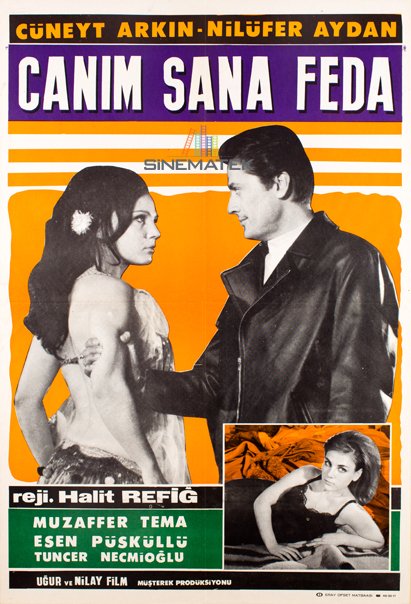 I Would Give My Life for You (Canım Sana Feda) (translated)
-
 Repair Part (Tamirci Parçası) (translated)
- Kanun Der Ki
- Fişek Necmi
- Kasımpaşalı Recep
- Şeker Hafiye
- Sokaklar Yanıyor
- Zennube
- Çiçekçi Kız
- Evcilik Oyunu
- Avare Yavru ve Filinta Kovboy
- Şahane Züğürtler
- Beş Kurşun İki Adam
- İftira
Çetin Başaran — Biography
Çetin Başaran is a well-known name among the large supporting cast of Yeşilçam, and film fans also remember him by the nickname "Tarzan Çetin". His career, which began in 1957, stretched across more than six decades and grew to over three hundred productions, covering feature films as well as television series and TV films. Born in Zonguldak, his birth year appears as 1938 in some sources.
He tells the story of how he met Yeşilçam starting from the days when, at thirteen, he worked as a street peddler in Eminönü. From the 1960s on he appeared in productions such as Battal Gazi (1966), Beş Hergele (1971), Kan (1977) and Canikom (1979). In the early 1980s he continued with Düşkünüm Sana (1983) and İntikam Benim, Ölüme Son Adım and Vahşi Kan (1983); in Tokatçı (1983) he played Kara Erol's man. Japon İşi (1987) is also among his known credits.
In the 1990s he was seen in films such as Ula Ula Niyazi, Rambo Ramiz, Yaman Gazeteci, Şahmaran and Dönüşü Olmayan Yol, and in series such as Üçüzler, Deli Balta and 5 Maymun Çetesi. In the 2000s he stayed on screen with Arka Sokaklar and Zırtık Mafya, and Kimsesiz (2024) is one of the most recent entries in his filmography.
Reactions
You can pick up to 3 reactions.
Comments