

Profile
| Age at death | 90 |
|---|---|
| Birth date | May 28, 1933 |
| Birthplace | Istanbul |
| Died | March 9, 2024 |
| Place of death | Istanbul |
| Profession | Actor, Stage actor |
In the rankings



Filmography / Projects
- Kader Oyunları
- Bir Türk Masalı
-

- Bizim Semtin Çocukları
- İşimiz Gücümüz Var
-

- Benim Adım Osssman
- Gez Show
-
-

-

-

- Dostlar Mahallesi
- Dışarıda
-

- Give and Go (Ver Kaç) (translated)
- Aksak
-

- Köstebekgiller: Gölgenin Tılsımı
-
- Köstekgiller: Perili Orman
-

- Ali Loves Ayşe (Ali Ayşe'yi Seviyor) (translated)
-
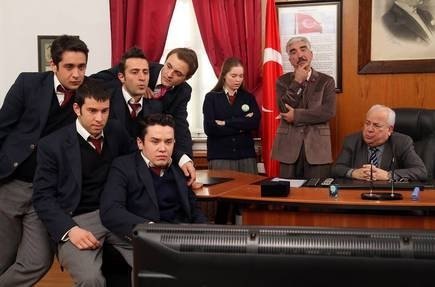
-
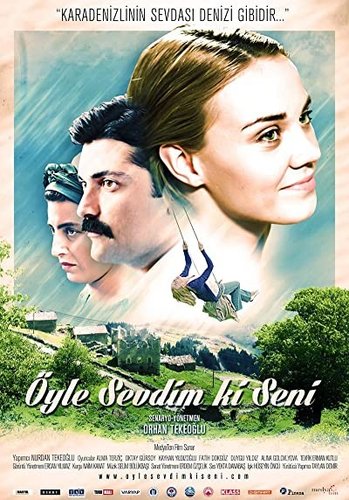
-

-

-

-
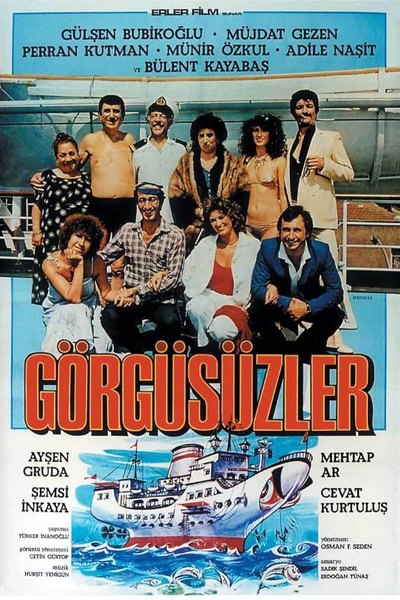
-

- Kabuslar Evi: Gece Gelen Arkadaşlar
-
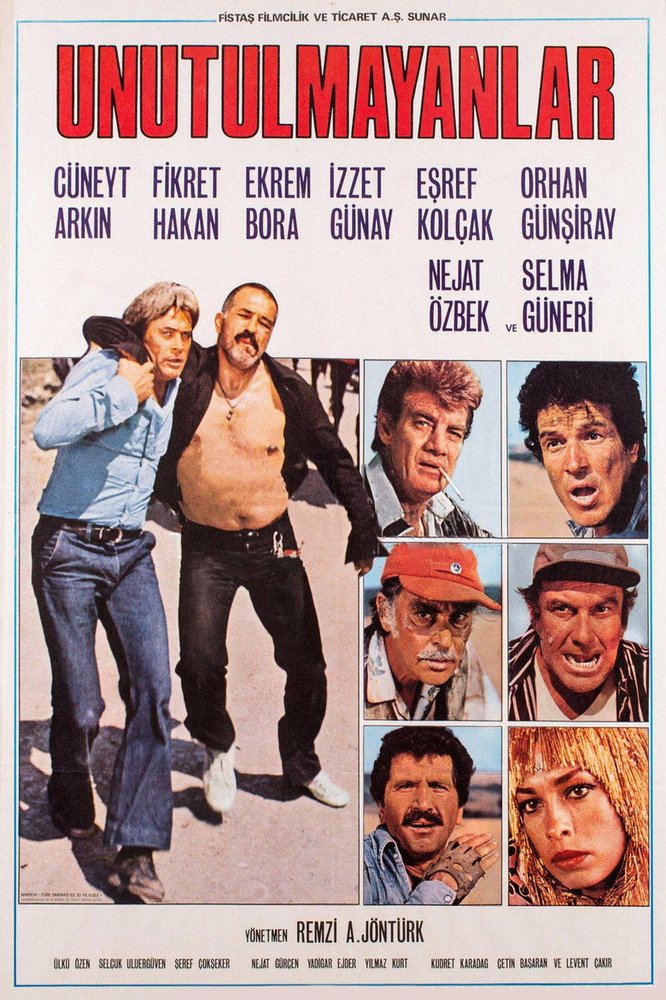
-

-

-

- İnadım İnat
-
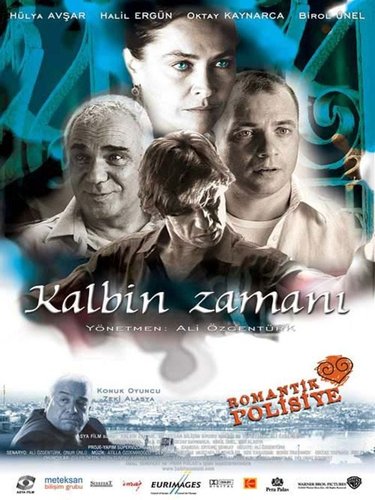
-
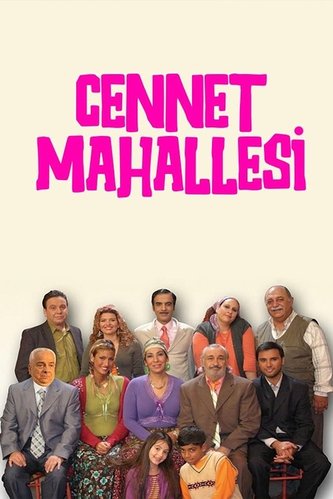
-
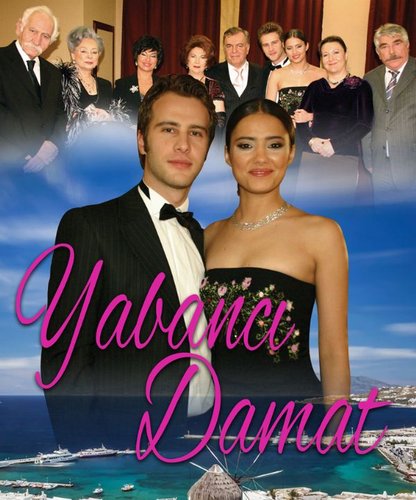
-

- Zart-1 TV
- Bize Ne Oldu
-
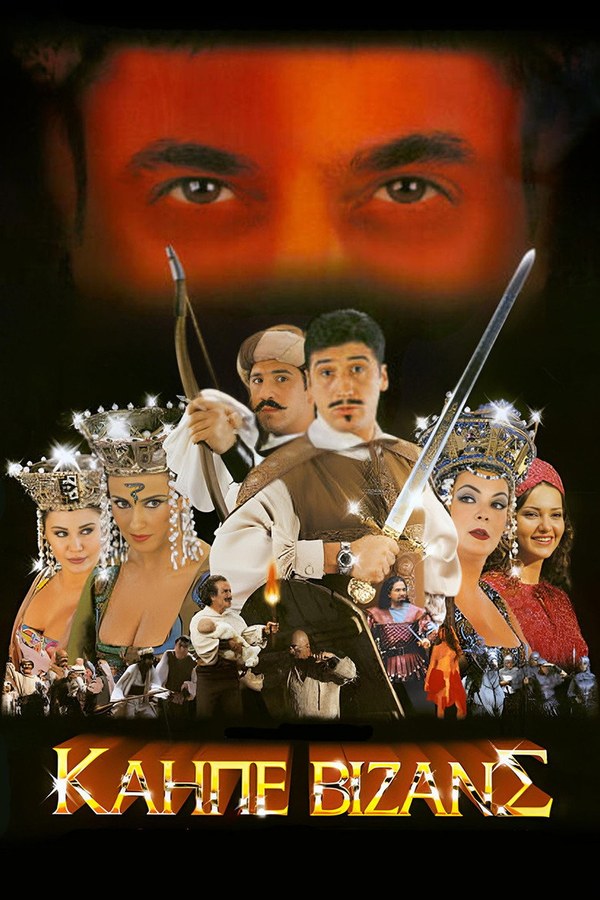
-
-
- Zirvedekiler
-
- Revelry Street (Cümbüş Sokak) (translated)
- Varyemez
- Sözde Kızlar
- Hoşgeldin Ramazan
- Nokta ile Virgül Paldır Küldür
- Hedef
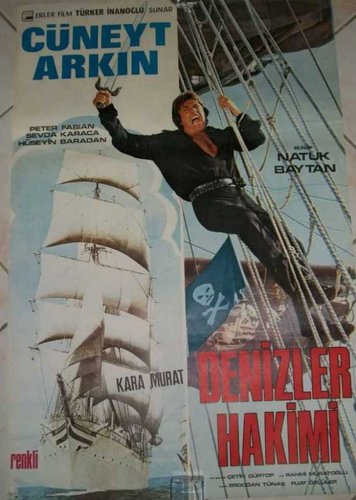
- Kara Murat Devler Savaşıyor
- The Golden City (Taşı Toprağı Altın Şehir)
- İşte Bizim Hikayemiz
- Bizim Kız
- Güneşli Bataklık
-
-
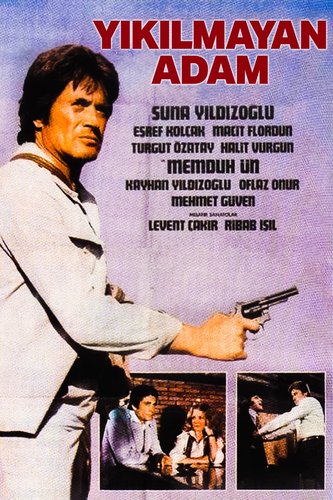
- Çakal Avı
- Ölmeyen Şarkı
- Susceptible (Şıpsevdi) (translated)
- Adana Urfa Bankası
-
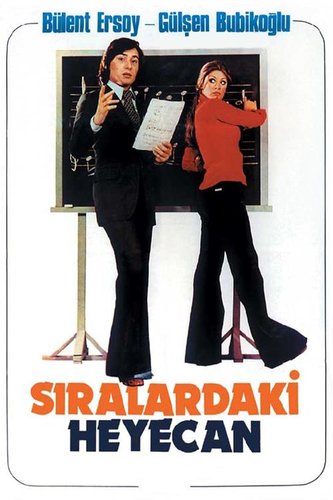
- Acele Koca Aranıyor
- Dadaş Hasan
-
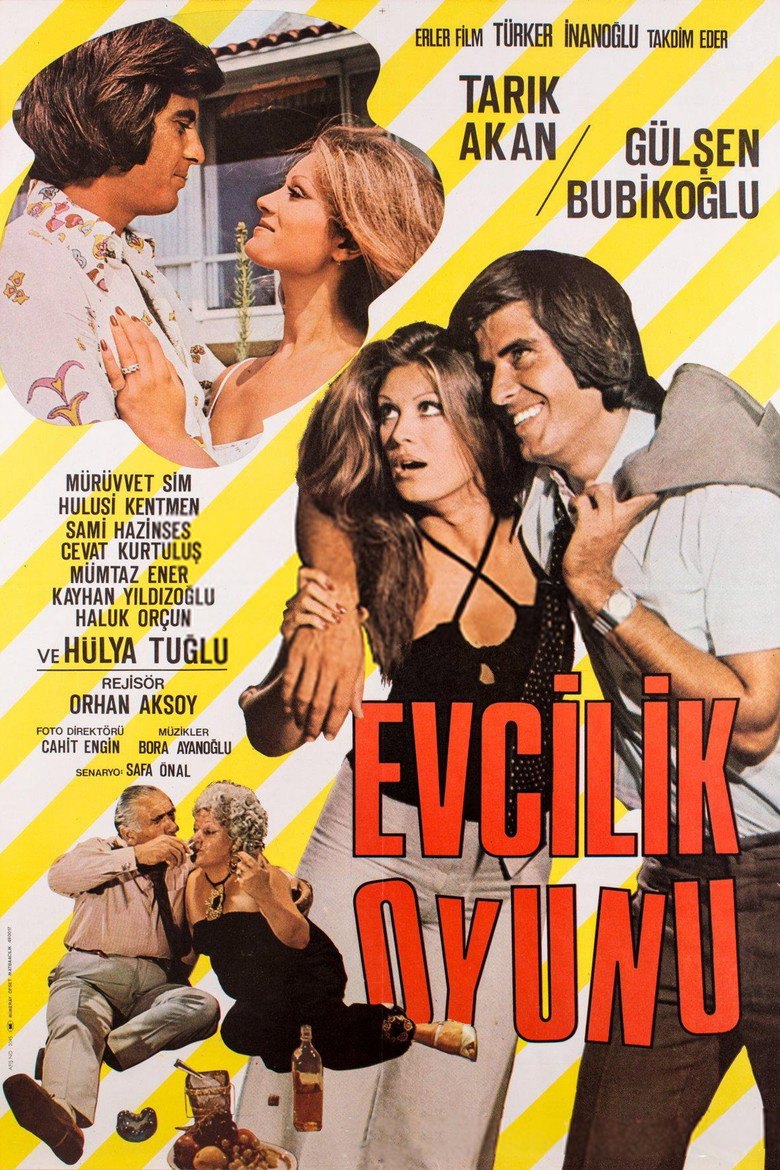
- Kocam Erkek Mi?
- Topuz
-
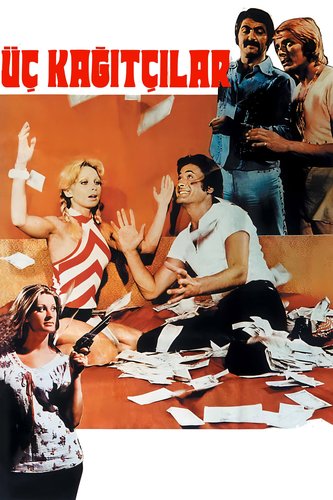
- My German Sweetheart (Almanyalı Yarim) (translated)
-
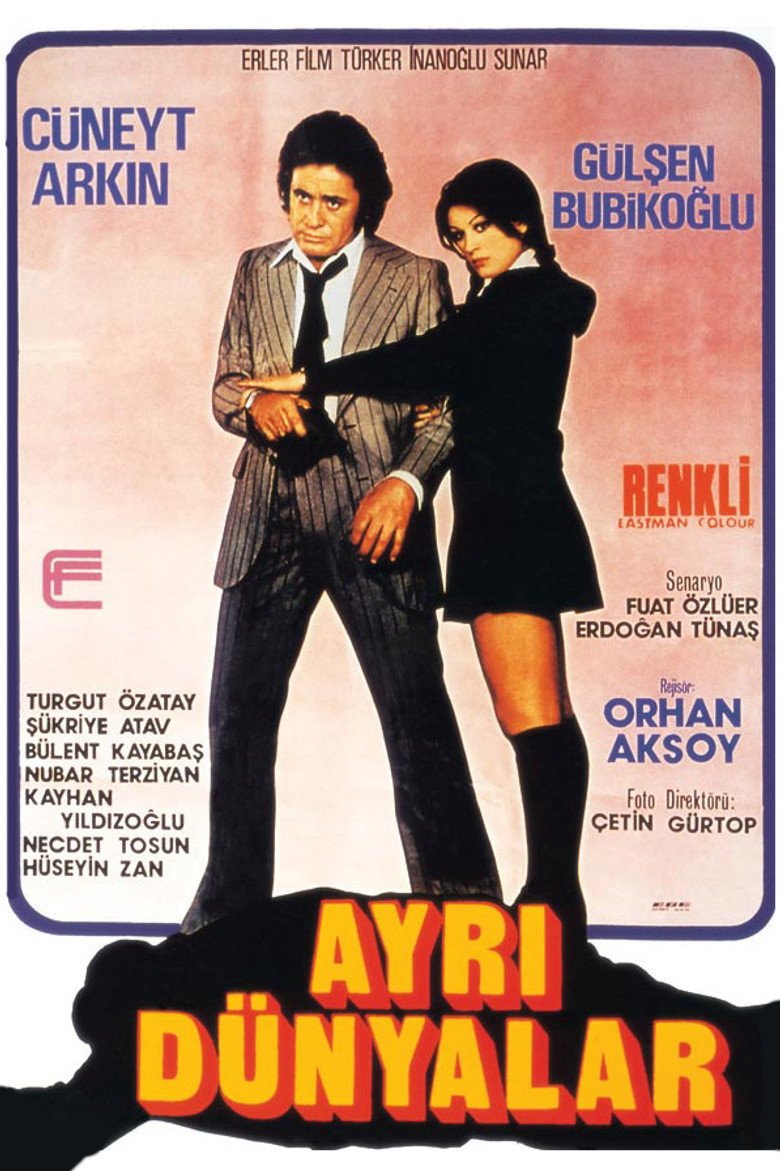
- Göç
- Heroes (Kahramanlar) (translated)
- Kara Murat Kardeş Kanı
- Kara Murat Ölüm Emri
-
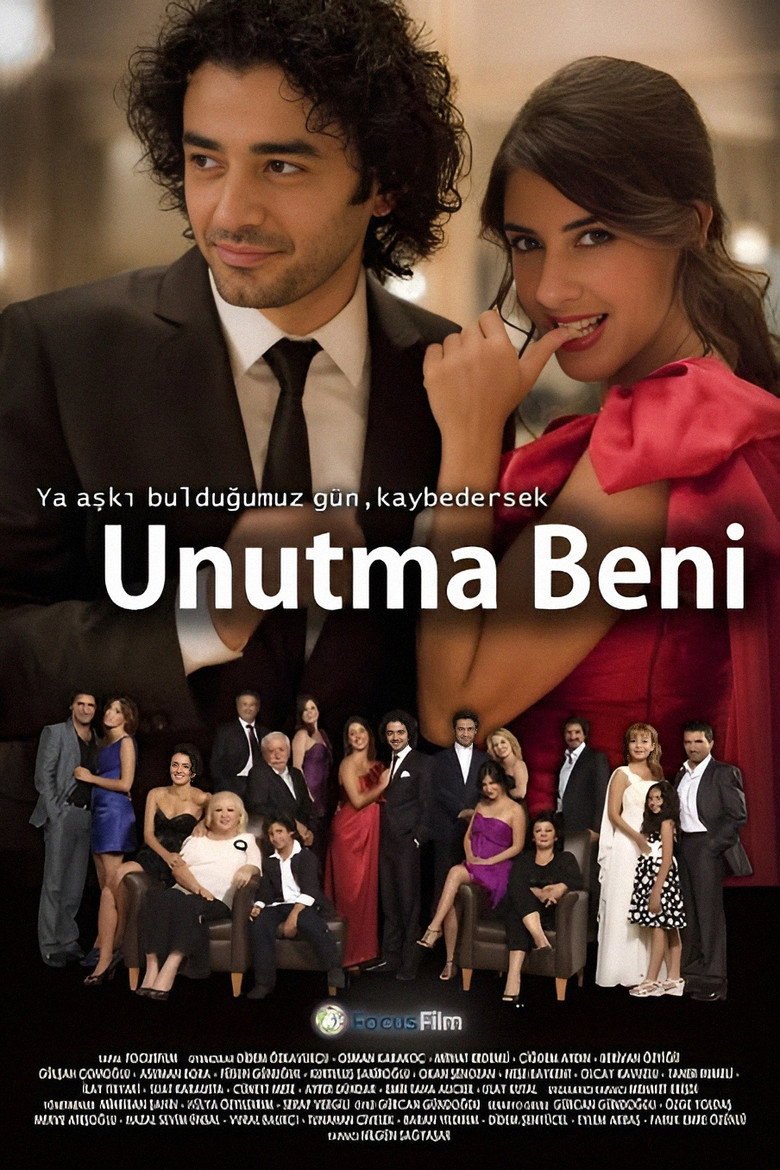
-
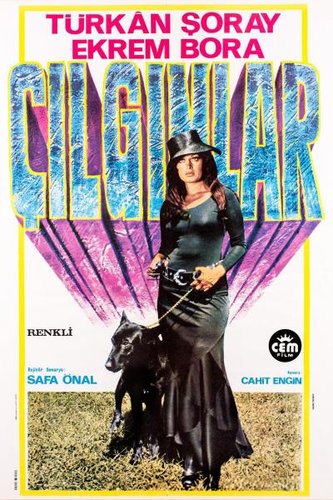
-
- Anneler Günü
- Arap Abdo
- Balıkçı Osman
- Battal Gazi Geliyor
-
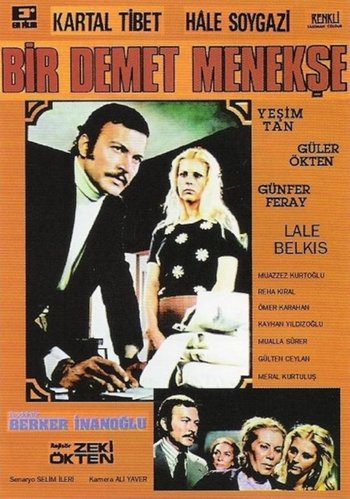
-
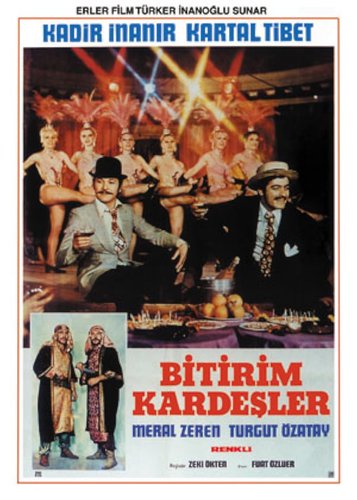
- Bitirimler Sosyetede
- Gazi Kadın
- Kabadayının Sonu
- Kara Murat Fatih'in Fermanı
- Rabia
- Soyguncular
- The Heist (Vurgun) (translated)
-
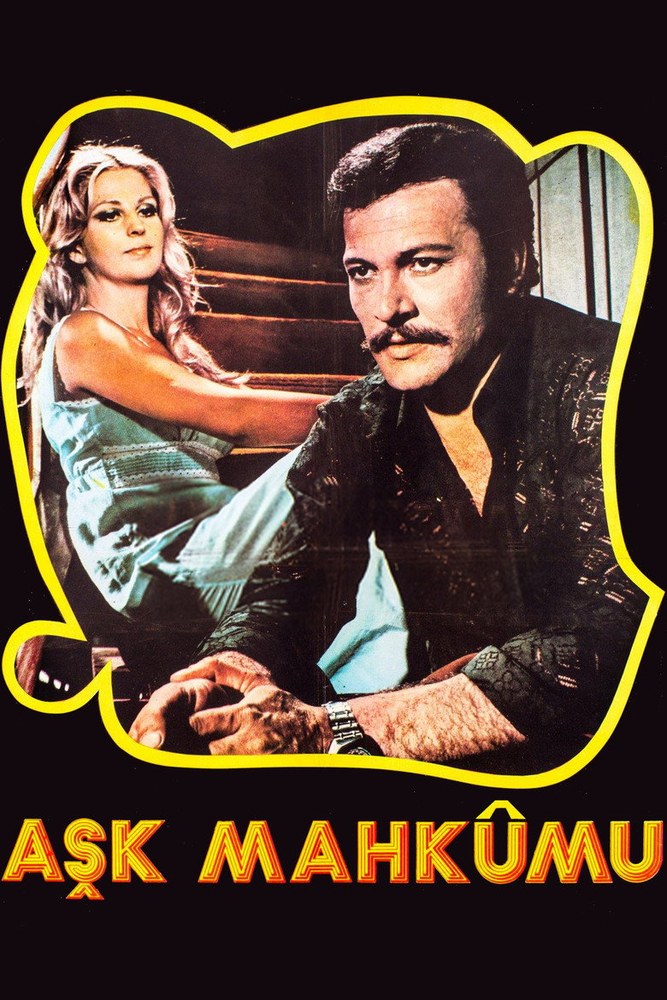
-
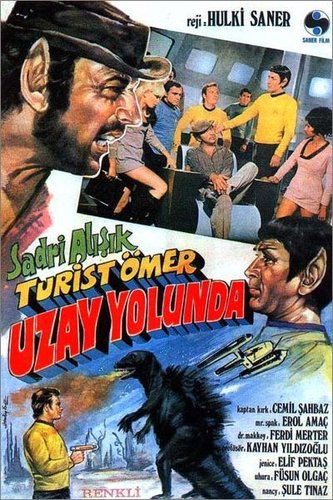
-

- Babanın Arkadaşları
- Bela Mustafa
- Bir Pınar ki
- Falcı
-
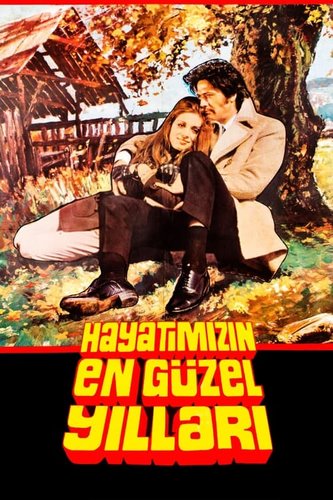
- Hızlı Hızır
- Kadın Yapar
-
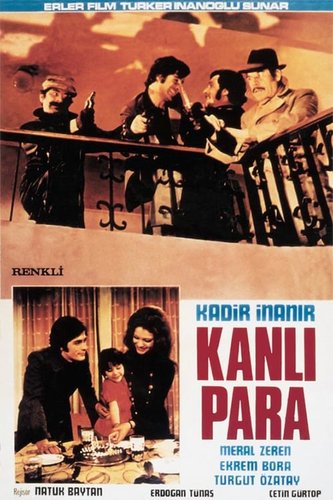
- Kara Murat Fatih'in Fedaisi
-
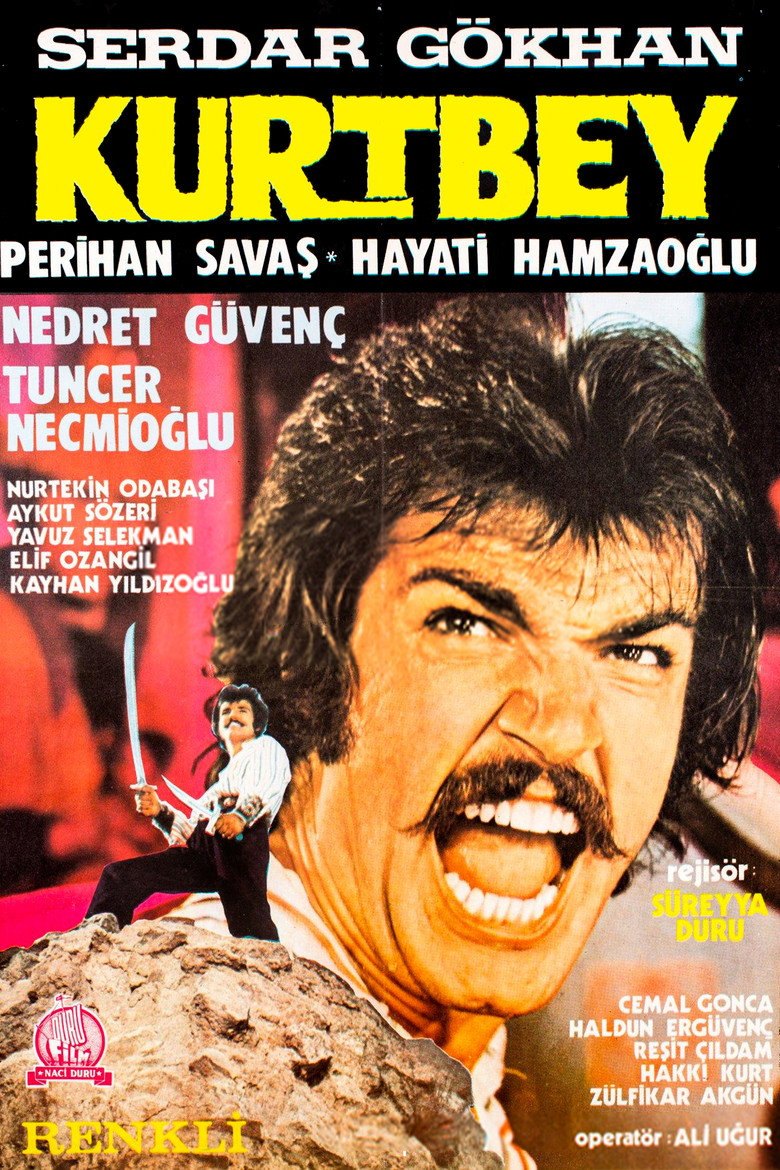
- Rüyalar Gerçek Olsa
- Sen Alın Yazımsın
- Sezercik Aslan Parçası
- Süper Adam Kadınlar Arasında
- Ve Silahını Çekti
-
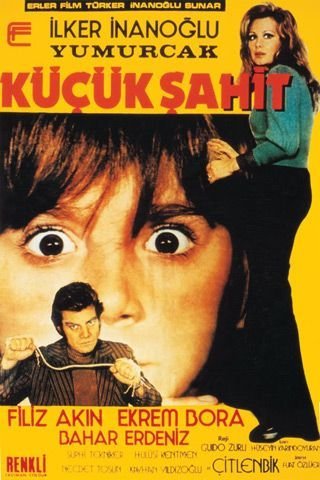
- Yıldırım Ajan
- Ölüm Bebekleri
-
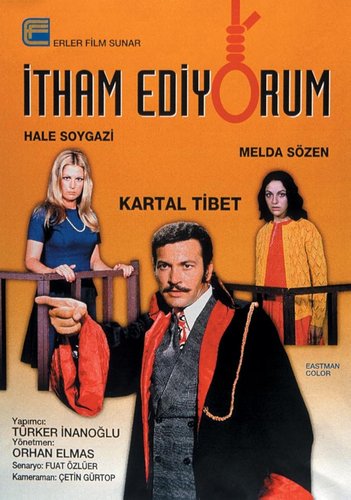
-
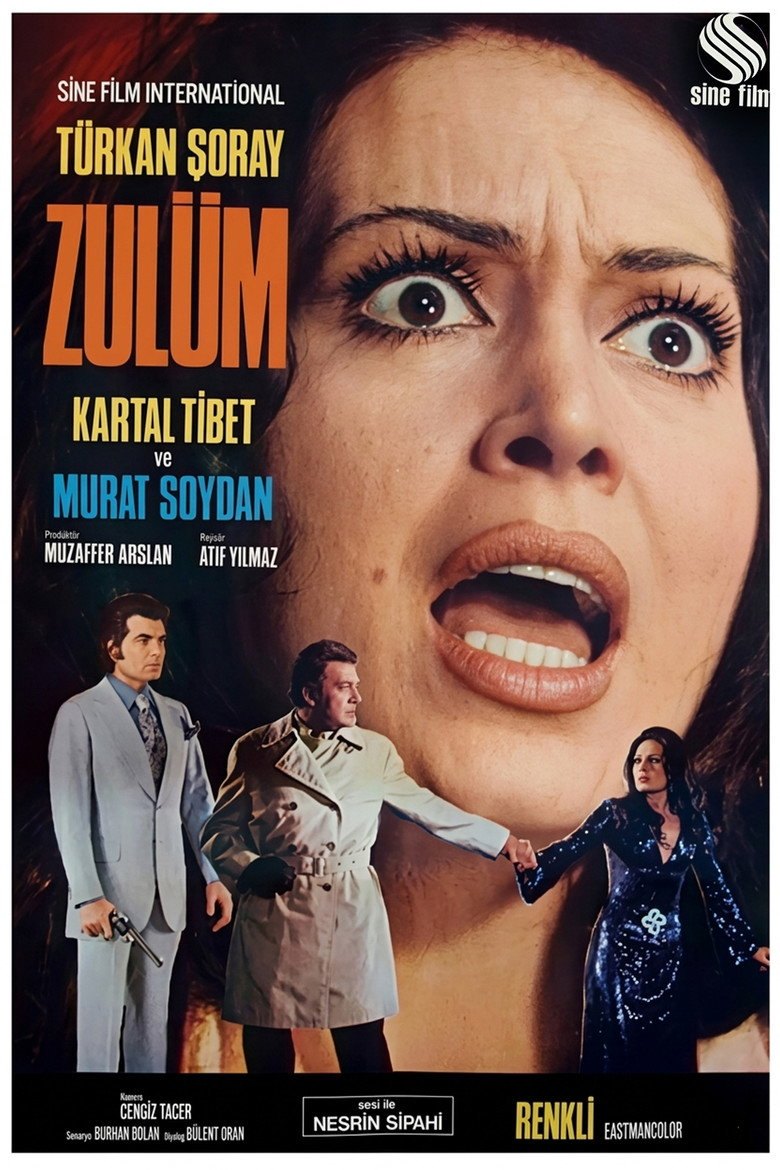
- Ali Baba ve Kırk Haramiler
- Bicirik İş Başında
- Bicirik İş Peşinde
- Bir Kadın Kayboldu
- Cambazhane Gülü
- Dört Ateşli Yosma
- Elmacı Kadın
- Gizli Aşk
-

- Görünce Kurşunlayın
- Longing (Hasret) (translated)
- Hem Döğüş Hem Seviş
- Herşeyim Sensin
- Keloğlan
- Kurşunla Selamlarım
- Kızıl Maske'nin İntikamı
- Sevdiğim Uşak
- Sezercik Yavrum Benim
- Sürgünden Geliyorum
- Toto Kralı
- I Will Cry Tomorrow (Yarın Ağlayacağım) (translated)
- Yavru İle Katip
- Yumurcağın Tatlı Rüyaları
-
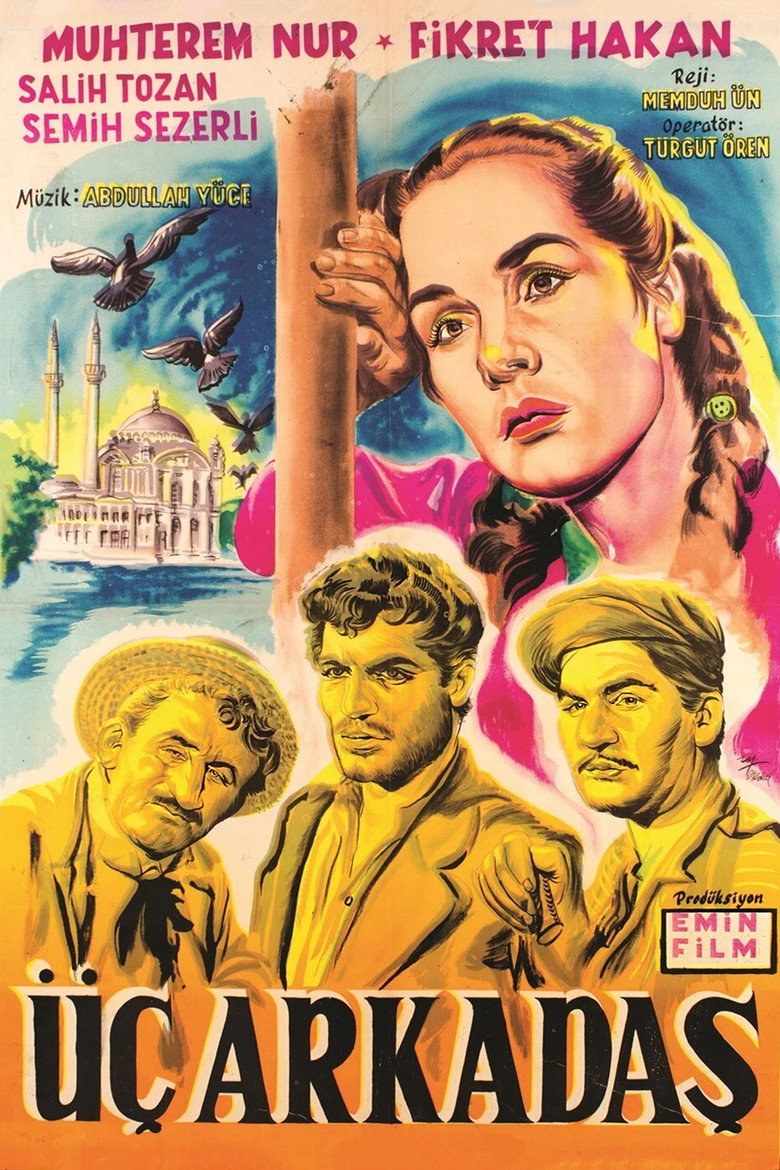
- İpi Boynunda Bil
-

-
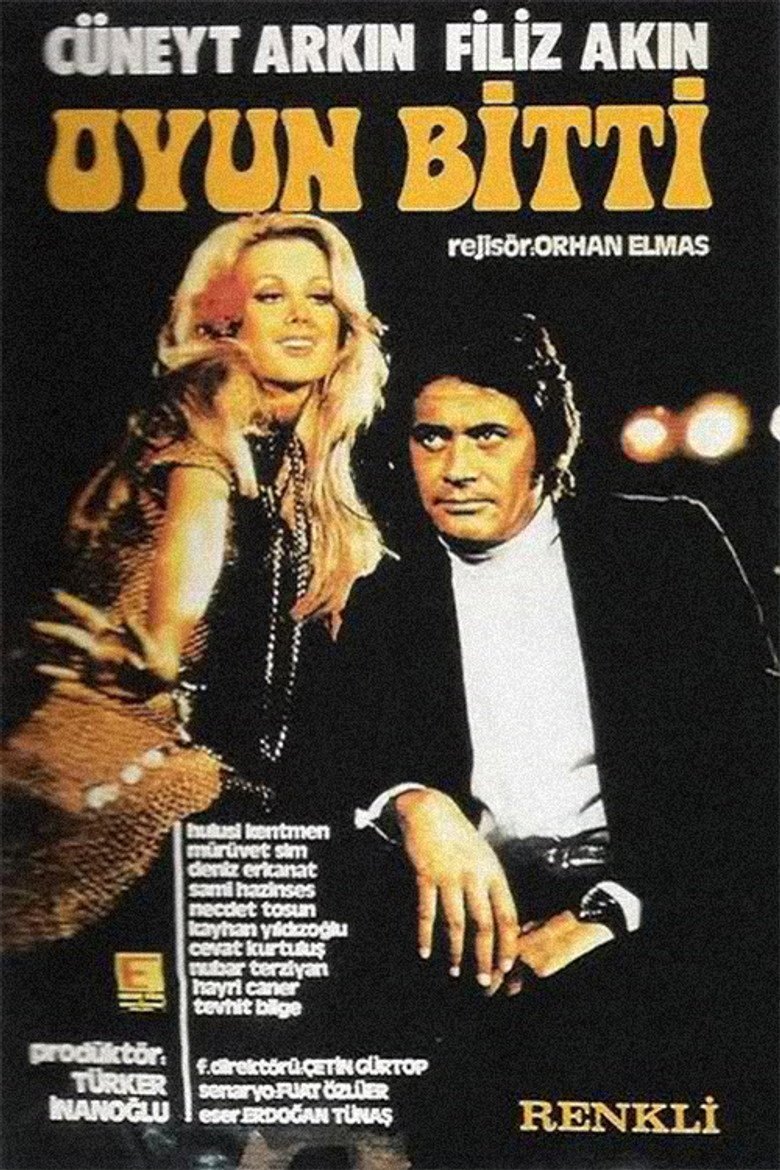
-
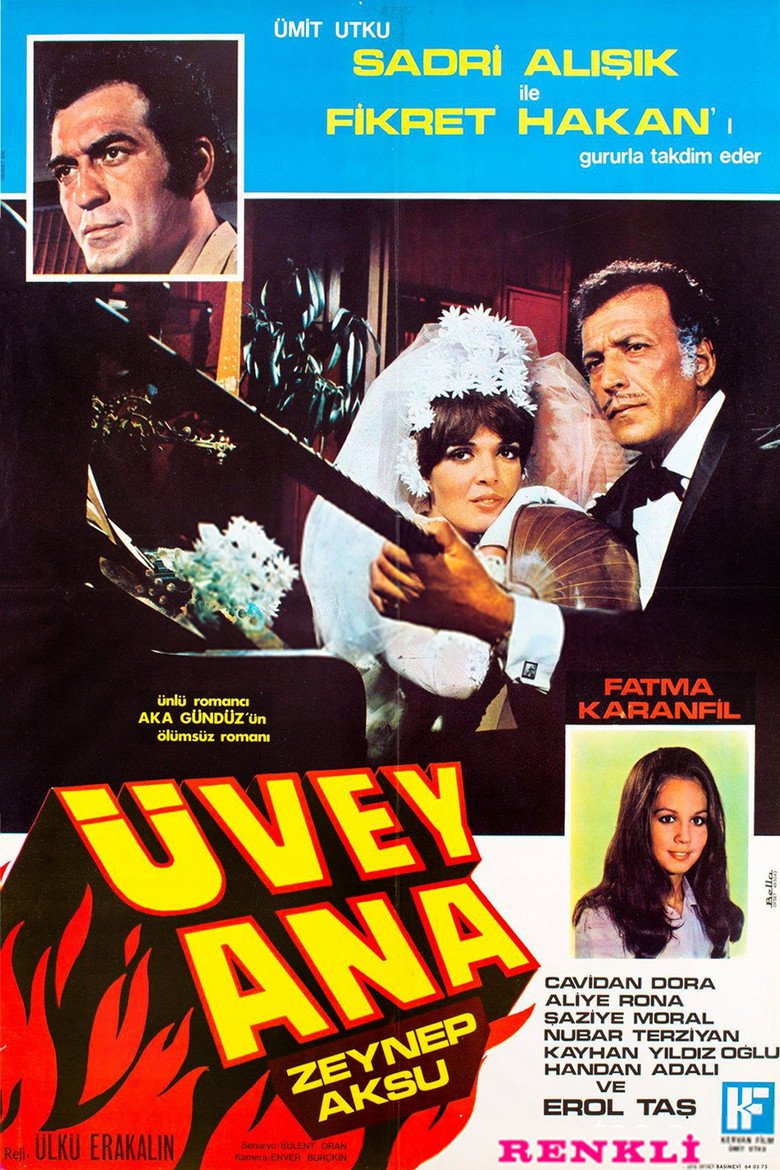
- Ankara Express (Ankara Ekspresi) (translated)
-
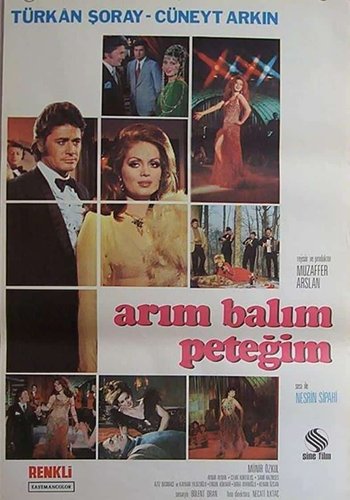
- Buğulu Gözler
- Devler Geliyor
- Ecel Teri
-
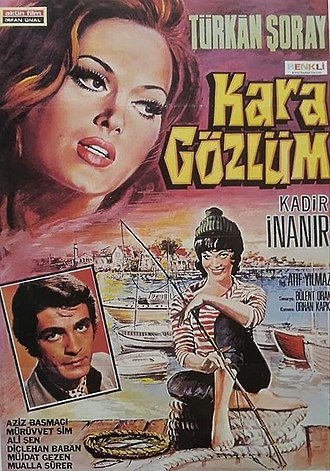
- Koçum Ali
-

- Sevgili Muhafızım
- Tehlikeli Oyun
- You Can't Win 'Em All
- Şoför Nebahat
-
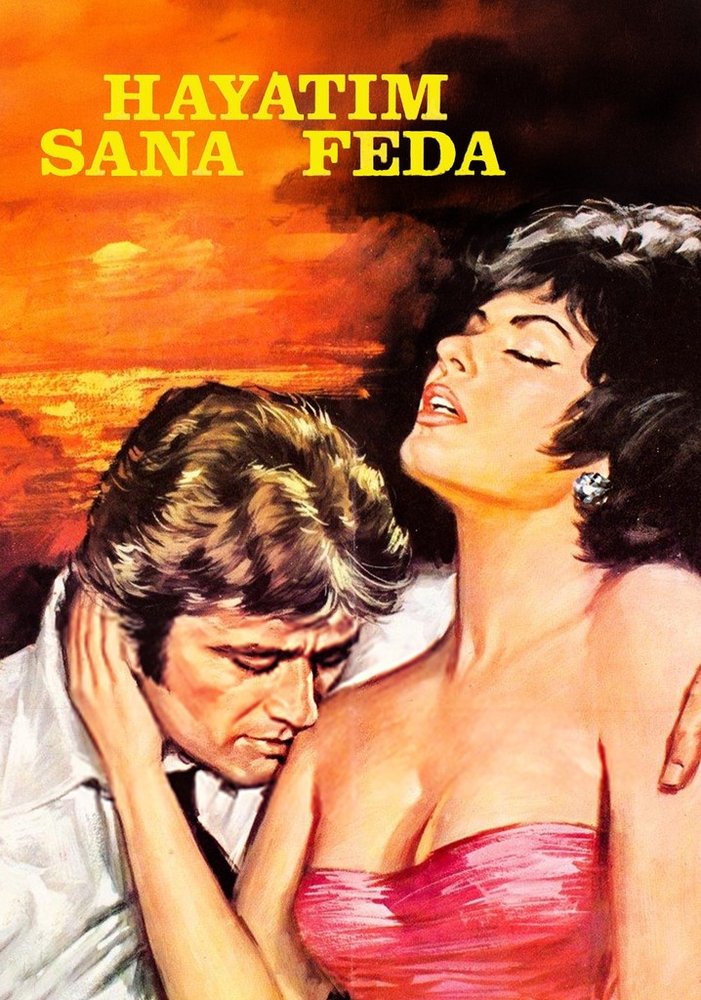
-
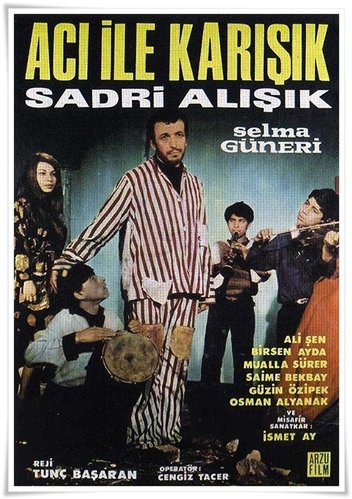
- Aşk Bu Değil
- Gül Ayşe
- Kaderimsin
- Kurşunların Kanunu
-
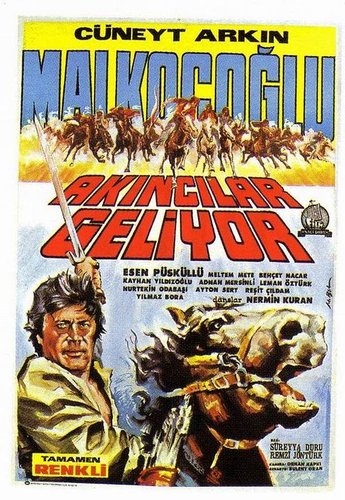
- Osmanlı Kartalı
- Sabah Olmasın
- Tarkan
-

- Şehir Eşkiyası
-
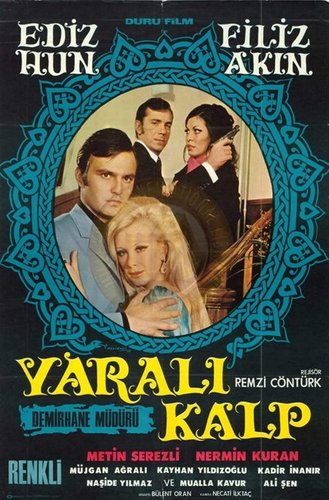
-
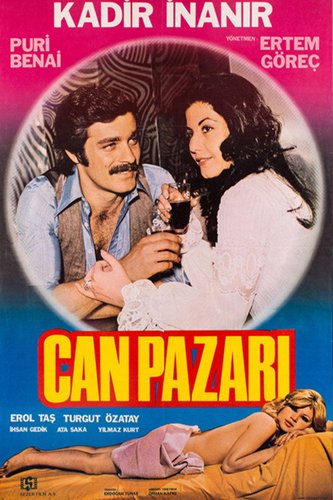
- Dağları Bekleyen Kız
- Erikler Çiçek Açtı
-
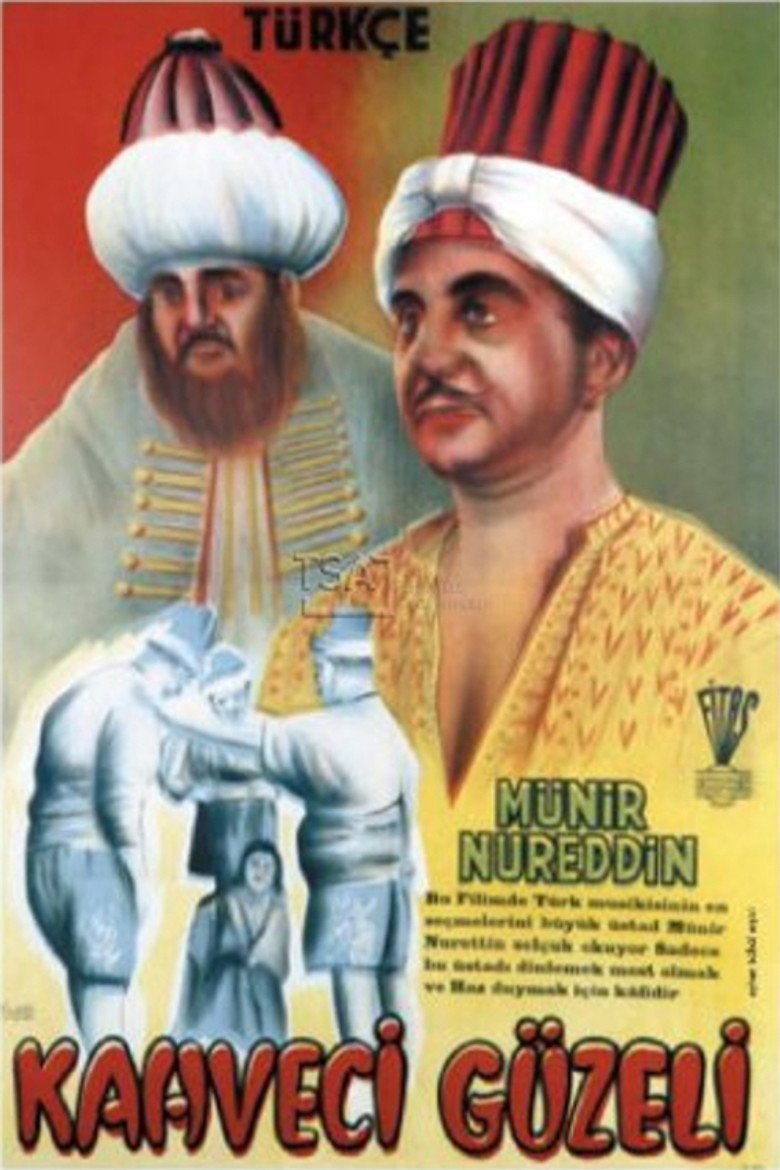
- Kara Battal'ın Acısı
- Leylaklar Altında
-
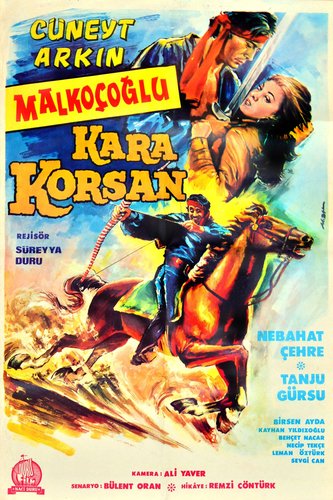
- Son Vurgun
- Urfa İstanbul
-
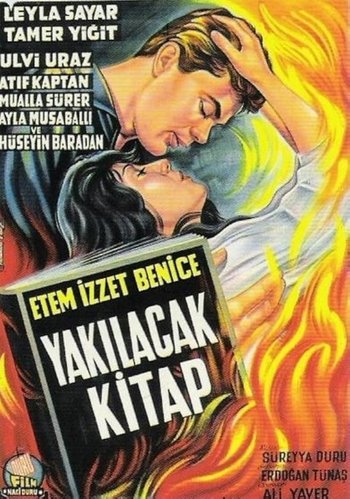
- The Only Night of My Life (Ömrümün Tek Gecesi) (translated)
- Şeyh Ahmet
-
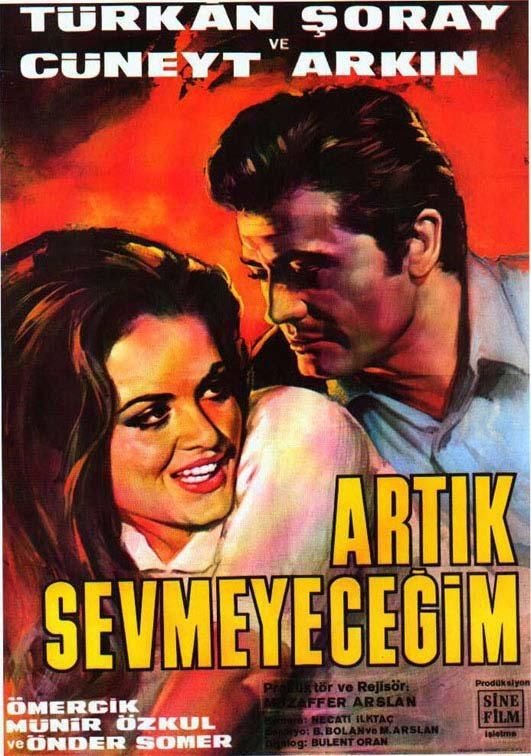
- Kara Davut
- Yaşlı Gözler
- Ölüm Saati
- Ömre Bedel Kız
- Kara Murat Fatih'in Fedaisi
-































Kayhan Yıldızoğlu — Biography
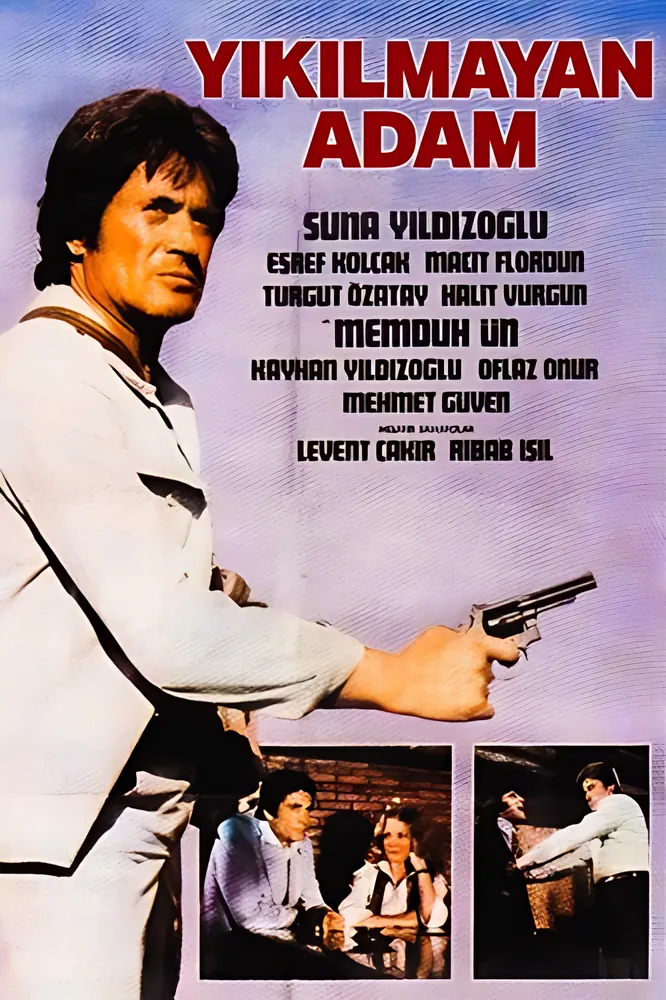
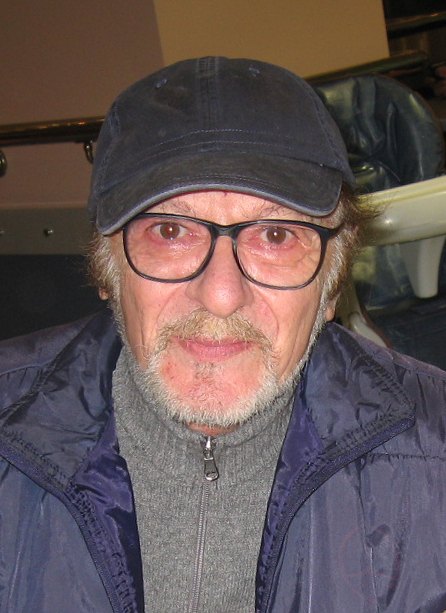
Across a career of more than half a century, Kayhan Yıldızoğlu was a character actor who mostly played priests, doctors, police inspectors, professors and bandits in supporting parts, and was remembered for the lords, kings and priests of historical films. His film count is given as anywhere between 150 and 300. He spent 27 years with the Istanbul Municipal Theatre and kept acting on stage until 2015. He died on March 9, 2024, at 90.
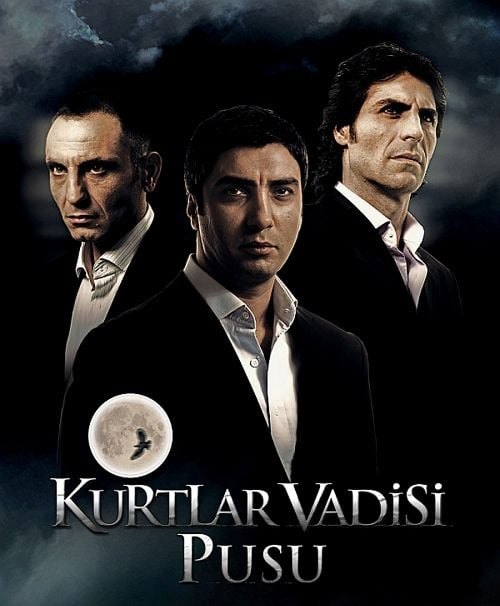
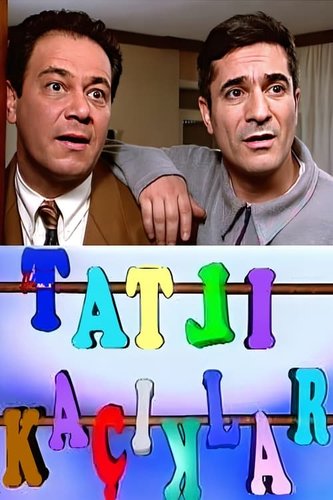
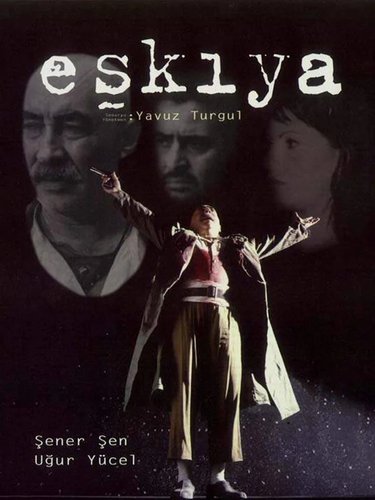
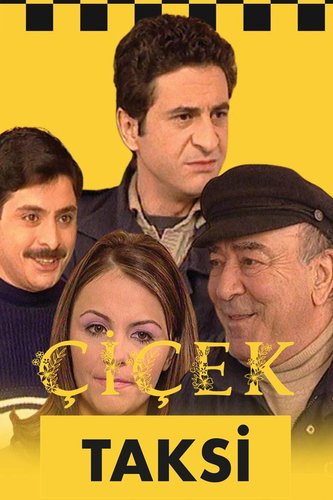
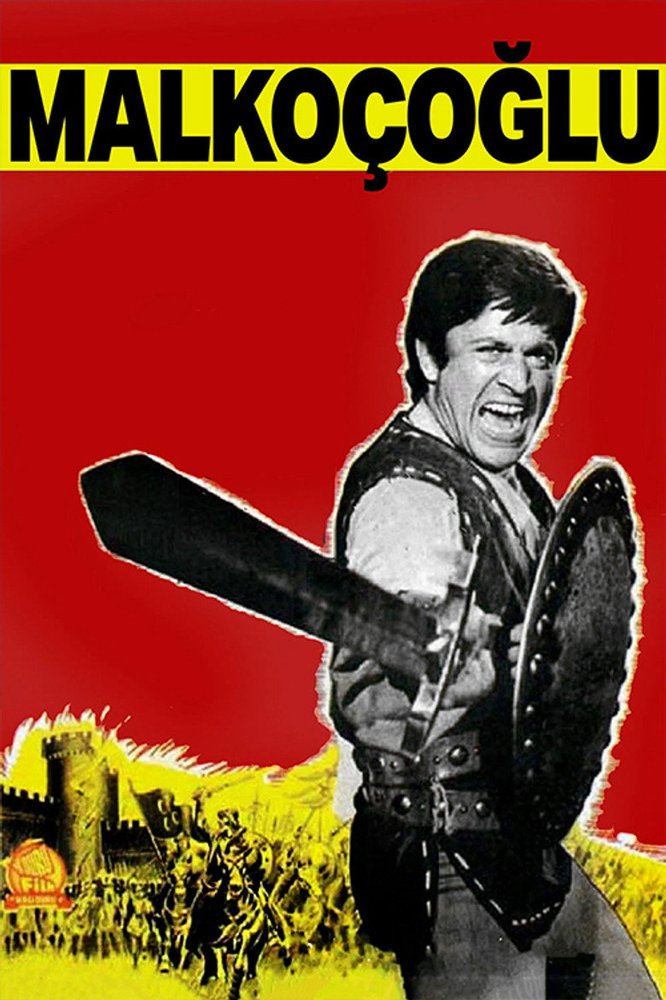
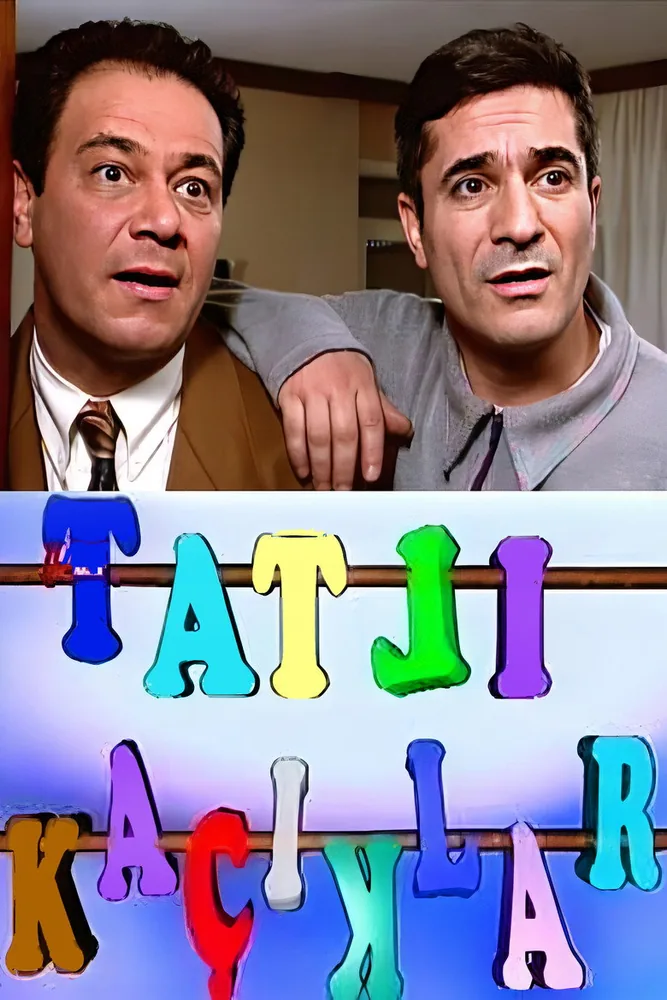
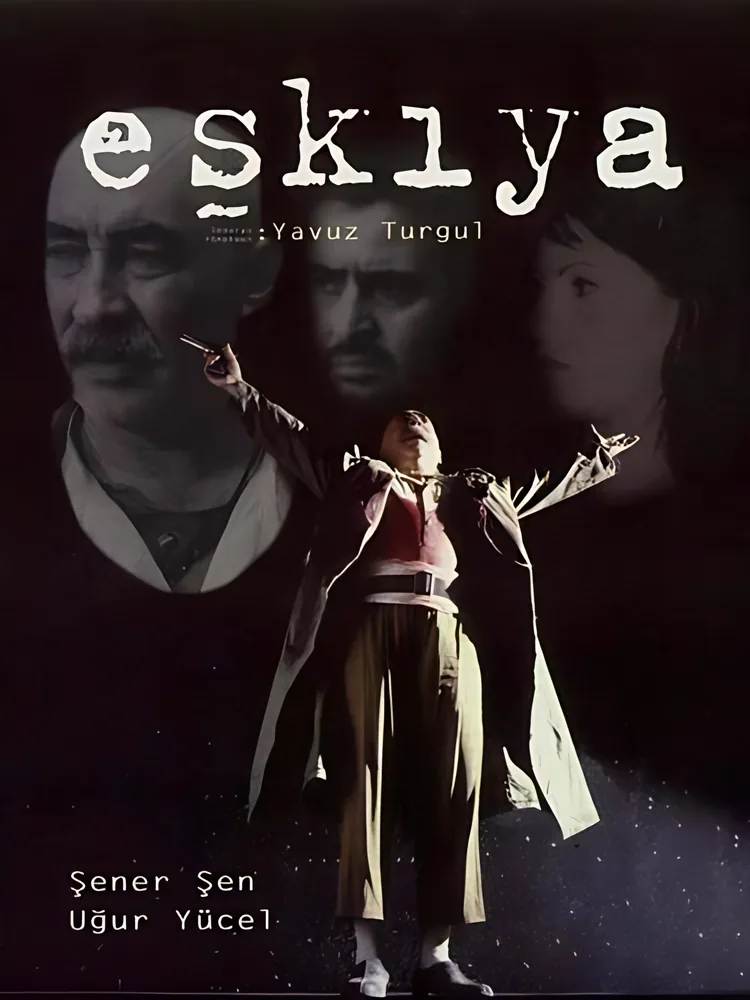
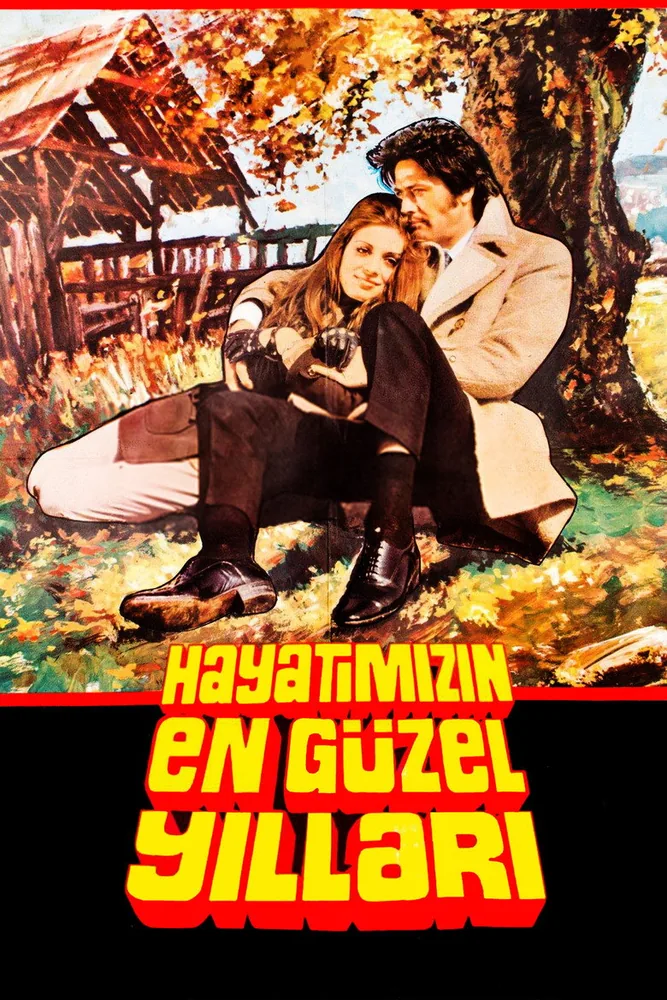
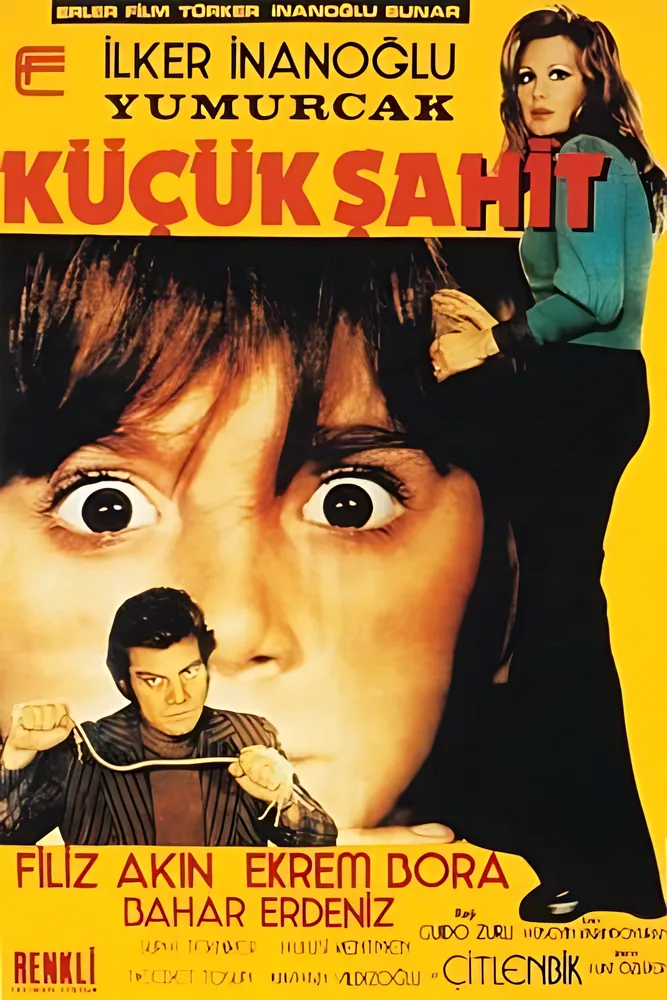
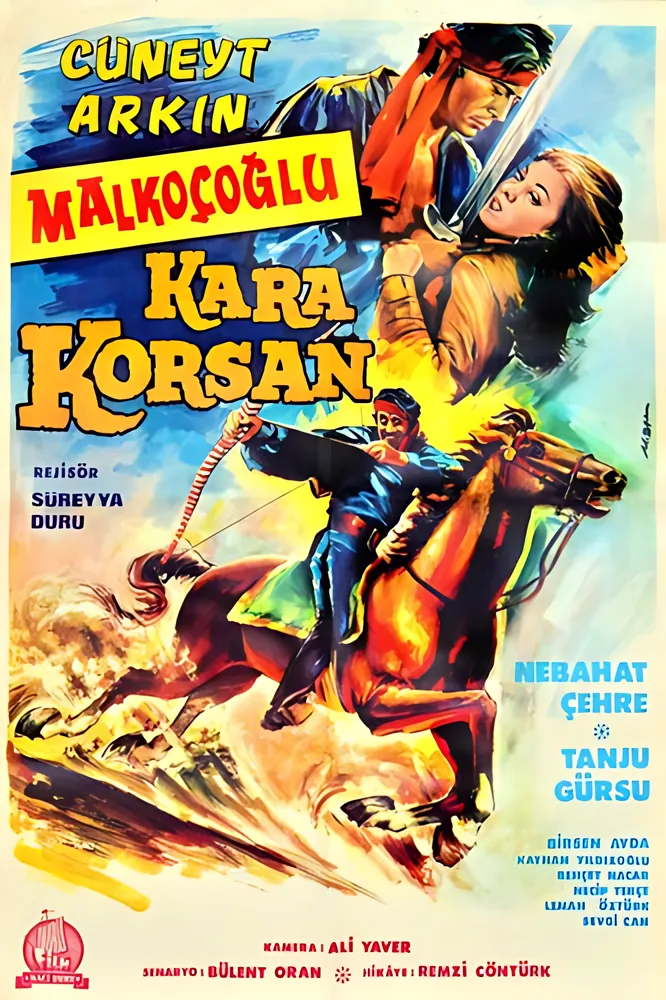
He came to acting by chance. A law student who left in his third year, he was working as a foreign exchange commissioner when he helped Muhsin Ertuğrul with missing paperwork, and in 1957 Ertuğrul invited him to an audition. He moved into film in 1966 with Malkoçoğlu, worked with directors such as Zeki Ökten, Halit Refiğ and Lütfi Ö. Akad, and appeared in Tarkan, Şoför Nebahat and Üç Arkadaş. His screen work thinned in the 1980s; in the 1990s the series Çiçek Taksi and Tatlı Kaçıklar and the films Eşkıya and Kahpe Bizans brought him back to a wide audience. Yabancı Damat, Akasya Durağı and Küçük Ağa followed, and he played the character nicknamed "Yüce Majeste" in Kurtlar Vadisi Pusu.
His mother was a Karagöz-Hacivat shadow-play master. He received the Lifetime Honor Award at the Antalya Film Festival in 2015, the Cinema Honorary Award at the Sadri Alışık Awards in 2018 and the Golden Sycamore from the Kayseri Film Festival. He wanted no ceremony for his 50th year in film, saying his greatest award came from the public. He once shared a flat in Cihangir with Şener Şen, and was married to the actress Suna Yıldızoğlu.
Photos
Reactions
You can pick up to 3 reactions.
Comments