
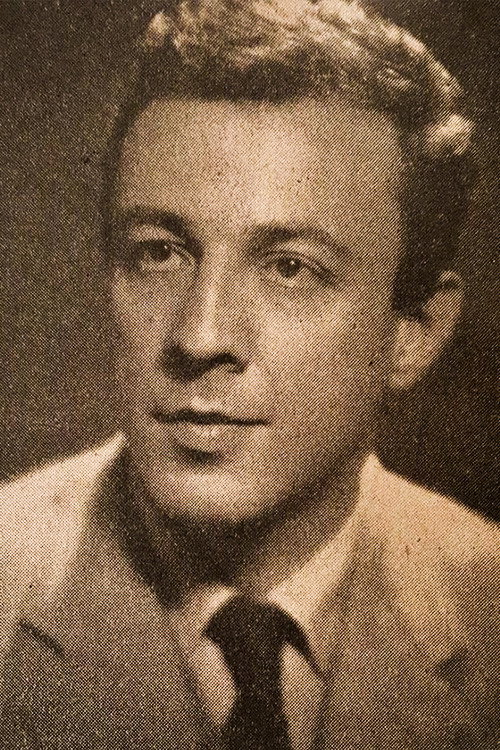
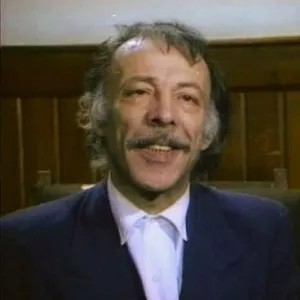
Münir Özkul
Film actor · died at 92
Profile
| Age at death | 92 |
|---|---|
| Birth date | August 15, 1925 |
| Birthplace | Bakırköy |
| Died | January 5, 2018 |
| Place of death | Istanbul |
| Profession | Film actor, Stage actor, Comedian |
| Zodiac sign | Leo |
In the rankings


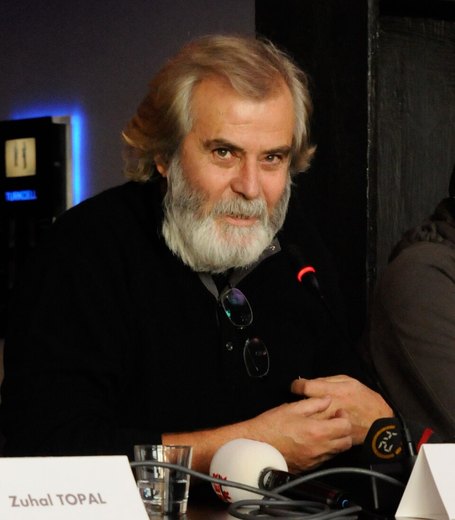
Filmography / Projects
- Şaban ile Şirin
- Ay, Işığında Saklıdır
- Tired Matador (Yorgun Matador)
- Aşkımızın Gemisi Fındık Kabuğu
-
 Arabesque (Arabesk) (translated)
- Abstract Sultan (Soyut Padişah) (translated)
-
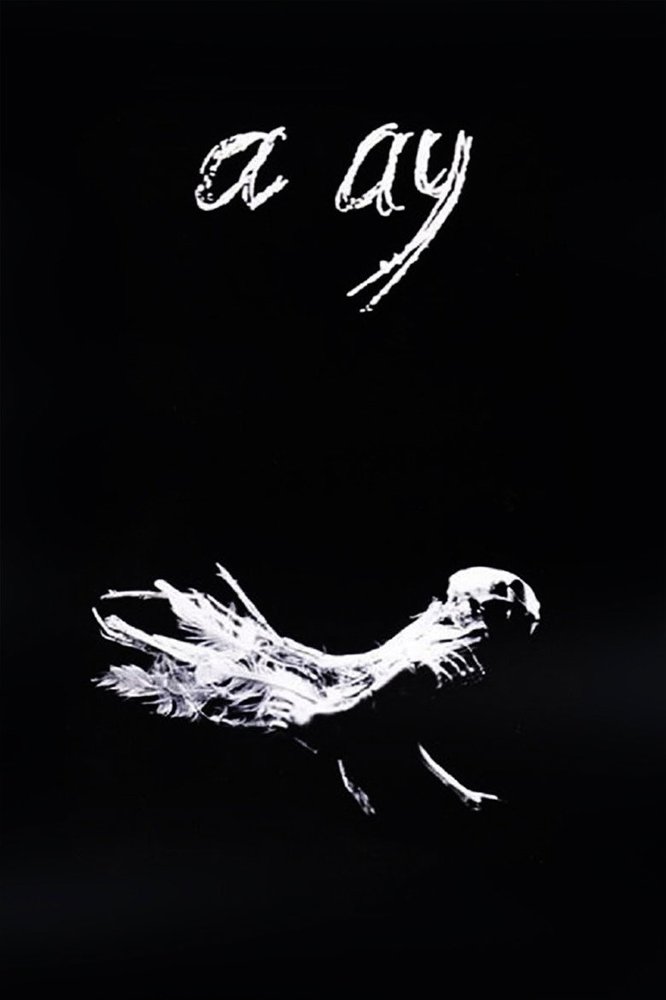 Oh, Moon (A ay) (translated)
- I Am Selling Istanbul (İstanbul'u Satıyorum) (translated)
-
 Alien Zekiye (Uzaylı Zekiye) (translated)
- Banko Altılı Ganyan
- Aile Pansiyonu
- Gelinciklerim
- Kadersiz Kullar
- Füze Nuri
- Etme Bulma
- Kuşatma 2 - Şok
-
 Billionaire (Milyarder) (translated)
- Kızlar Sınıfı Tatilde
- Melek Hanım'ın Fendi
- Efkârlıyım Abiler
- Püf Noktası
-
 Ya Ya Ya Sha Sha Sha (Ya Ya Ya Şa Şa Şa) (translated)
- Muhabbet Kuşları
- Garibim Ceylan
- Sarı Öküz Parası
- Köşe Dönücü
- İstanbul Geceleri
- Deliye Hergün Bayram
-
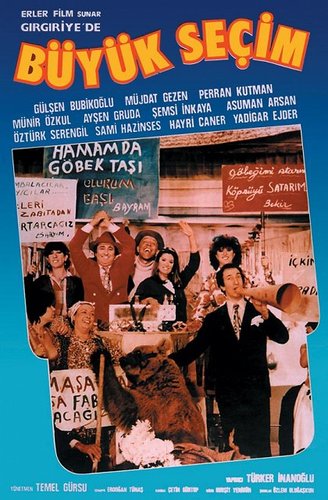 Girgiriye'de Büyük Seçim
- The Girls Class (Kızlar Sınıfı)
-
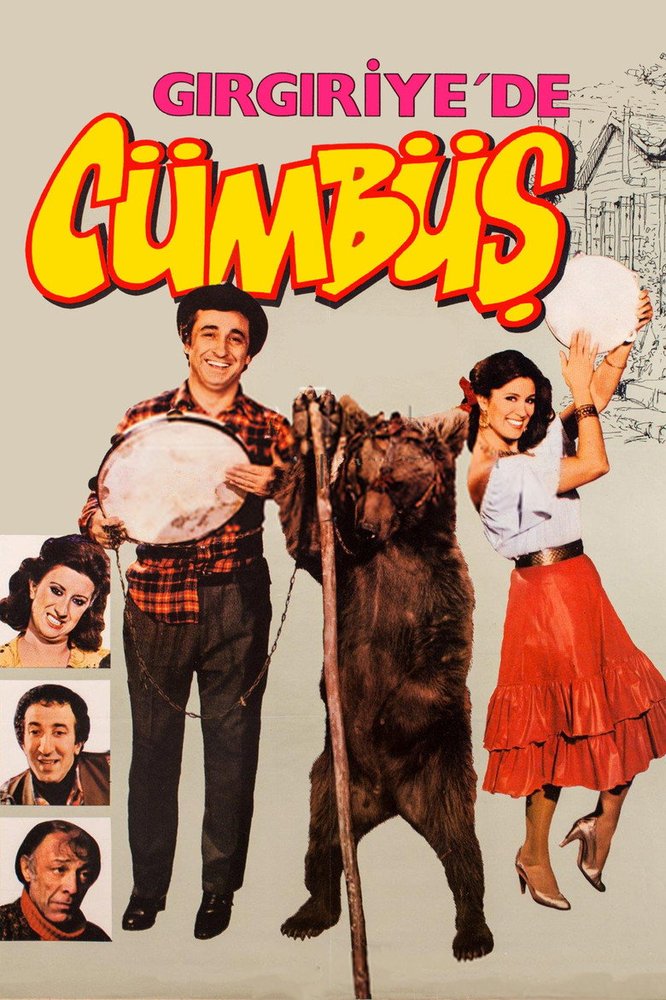 Gırgıriye'de Cümbüş
- Dost Yarası
- Çaresizim
- Şaşkın Gelin
- Ağlayan Gülmedi Mi?
- İlişki
- Şaşkın Ördek
- Bizim Sokak
- Gazap Rüzgarı
- Şıngırdak Şadiye
- Islak Mendil
-
 The Ill-Mannered (Görgüsüzler) (translated)
- Talih Kuşu
- Buyurun Cümbüşe
- Gırgıriye'de Şenlik Var
- Gırgıriye
- Deliler Koğuşu
-
 Banker Bilo
- İbişo
- Deliler Almanya'da
- Aşkın Gözyaşı
- Erkek Güzeli Sefil Bilo
-
 Happy Days (Neşeli Günler)
-
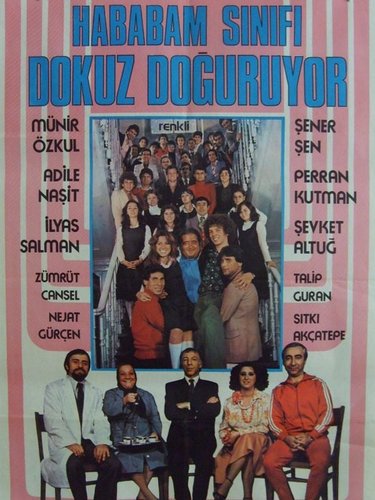 Hababam Class Gives Birth to Nine (Hababam Sınıfı Dokuz Doğuruyor) (translated)
-
 Smiling Eyes (Gülen Gözler) (translated)
-
 Hababam Class on Vacation (Hababam Sınıfı Tatilde) (translated)
- Cennetin Çocukları
-
 Hababam Class Failed the Class (Hababam Sınıfı Sınıfta Kaldı) (translated)
-
 Family Honor (Aile Şerefi) (translated)
- Hababam Sınıfı Uyanıyor
-
 Hababam Class (Hababam Sınıfı) (translated)
-
 Gulshah (Gülşah) (translated)
- Bizim Aile
- Beş Milyoncuk Borç Verir misin
- Yaşar Ne Yaşar Ne Yaşamaz
- Gece Kuşu Zehra
-
 Blue Bead (Mavi Boncuk) (translated)
-
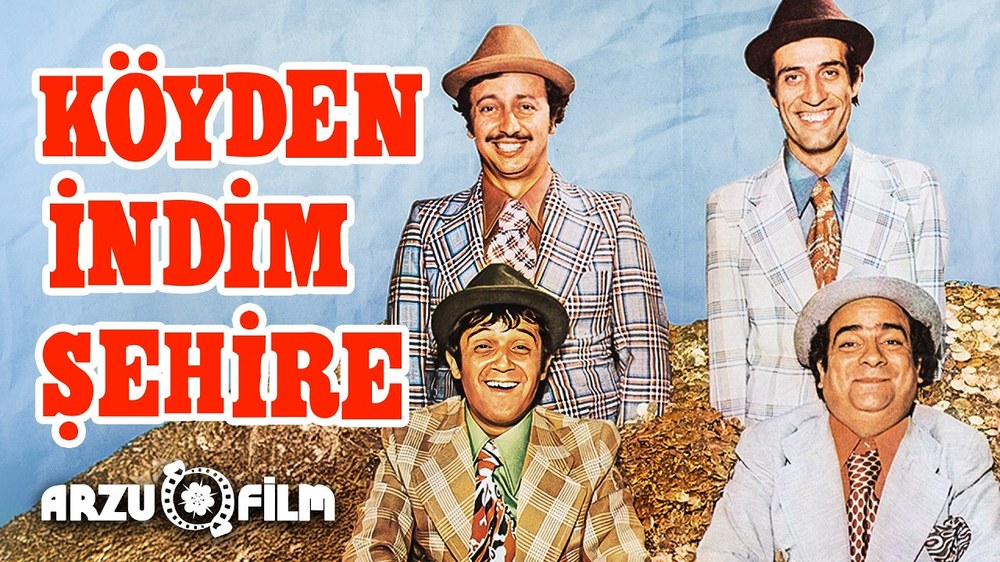 From the Village to the City (Köyden İndim Şehire)
-
 The Fool Millionaire (Salak Milyoner) (translated)
-
 Longing (Hasret) (translated)
- Gariban
- Beş Tavuk Bir Horoz
- Niyet
-
 Oh, That's Fine! (Oh Olsun) (translated)
-
 My Lying Sweetheart (Yalancı Yarim) (translated)
-
 Suffering (Istırap) (translated)
- Çulsuz Ali
- Ver Allahım Ver
- Kadifeden Kesesi
-
 Sweet Talker (Tatlı Dillim) (translated)
-
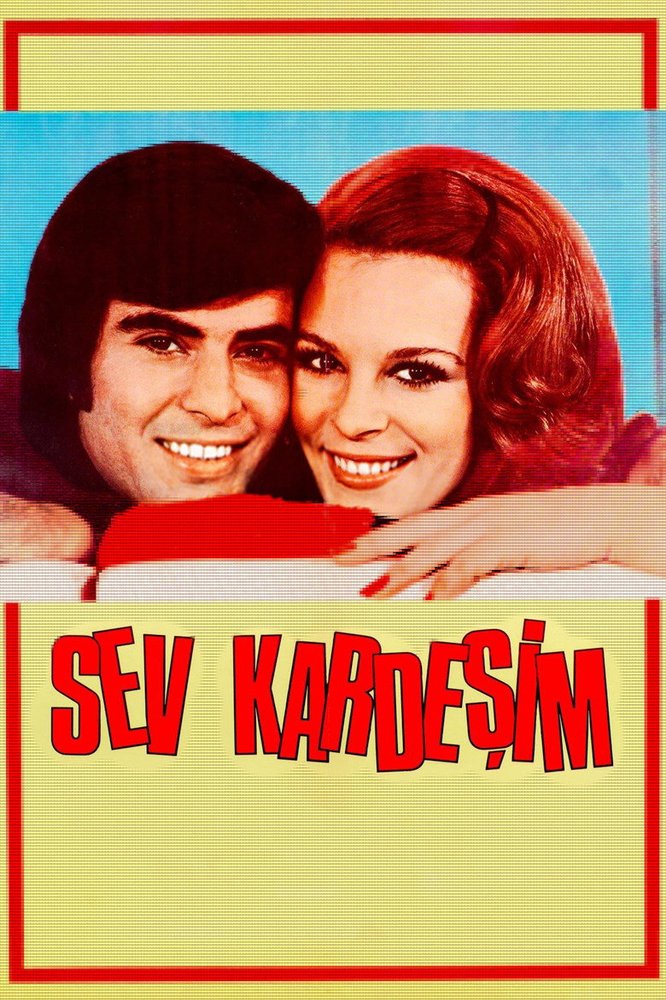 Love, My Brother (Sev Kardeşim) (translated)
- Üç Sevgili
-
 Love Story (Aşk Hikâyesi) (translated)
-
 Heart Thief (Gönül Hırsızı) (translated)
-
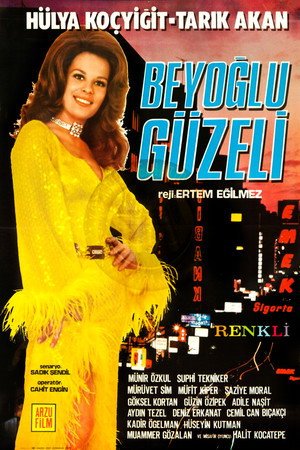 Beyoğlu Beauty (Beyoğlu Güzeli) (translated)
- Senede Bir Gün
- Yuvasız Kuşlar
- Beyaz Kelebekler
- Son Hıçkırık
- Bebek Gibi Maşallah
- İbiş New York Canavarı
- Solan Bir Yaprak Gibi
- Hayat Sevince Güzel
- Beklenen Şarkı
- Yedi Kocalı Hürmüz
- Hayatım Senindir
-
 My Bee, My Honey, My Honeycomb (Arım, Balım, Peteğim) (translated)
- My Sweet Angel (Tatlı Meleğim) (translated)
-
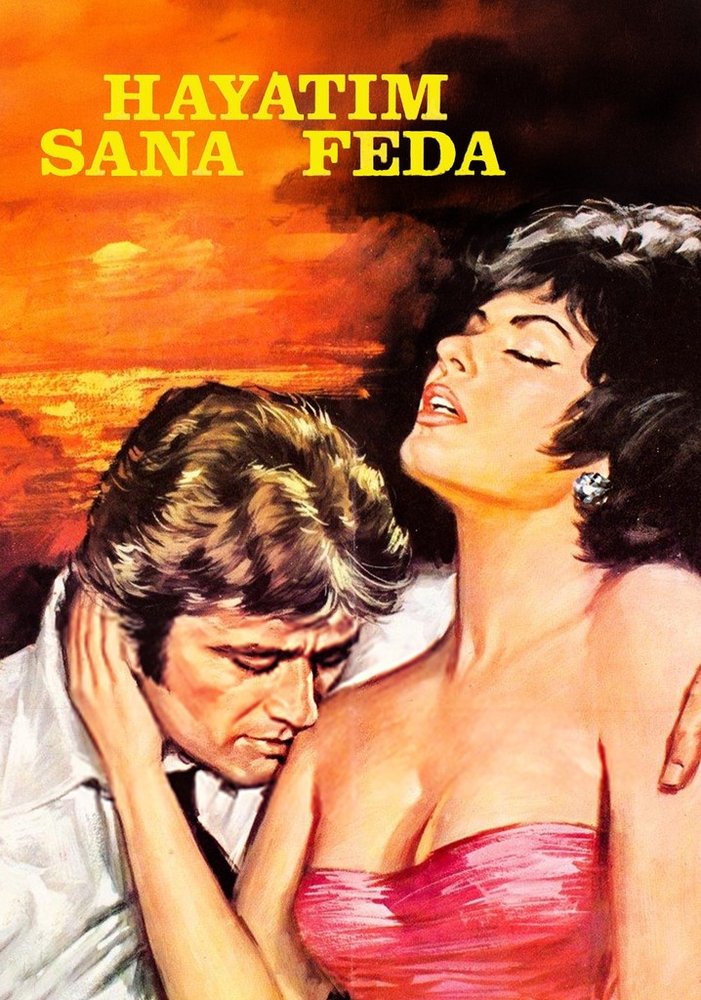 I Would Give My Life for You (Hayatım Sana Feda) (translated)
-
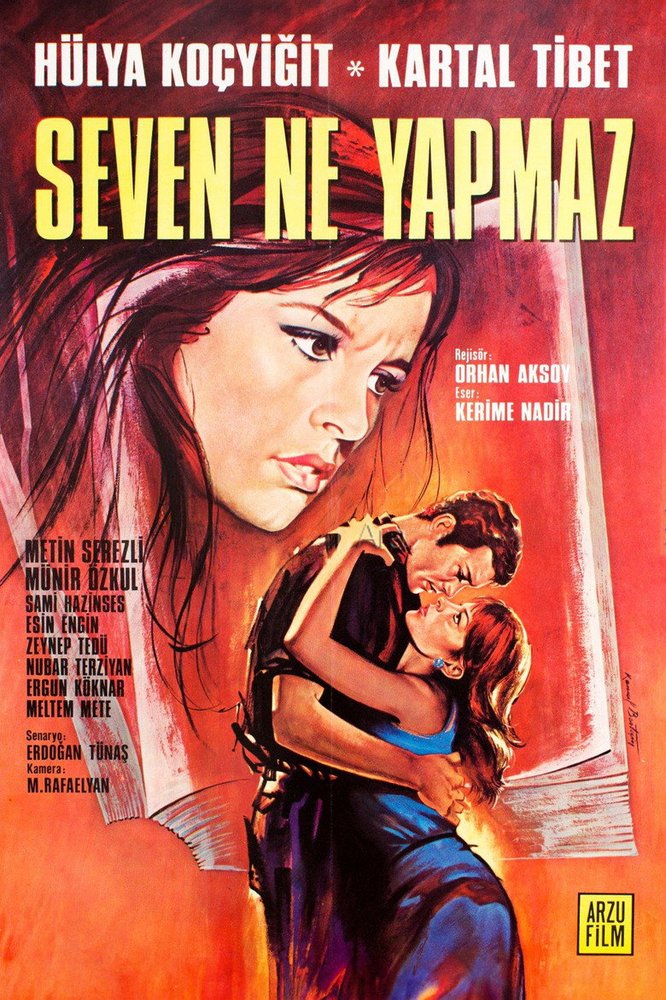 What Wouldn't a Lover Do? (Seven Ne Yapmaz) (translated)
- Tarkan: Silver Saddle (Tarkan: Gümüş Eyer) (translated)
-
 Snow White and the Seven Dwarfs (Pamuk Prenses ve 7 Cüceler) (translated)
- Ayşecik: Yavrum
- Dikkat Kan Aranıyor
- Son Kızgın Adam
- Kalbimin Efendisi
- Şoför Nebahat
- Ali ile Veli
- Sevgili Babam
- Uykusuz Geceler
- Boş Çerçeve
- Bana Derler Fosforlu
- Ayşecik ile Ömercik
- Fakir Kızı Leyla
-
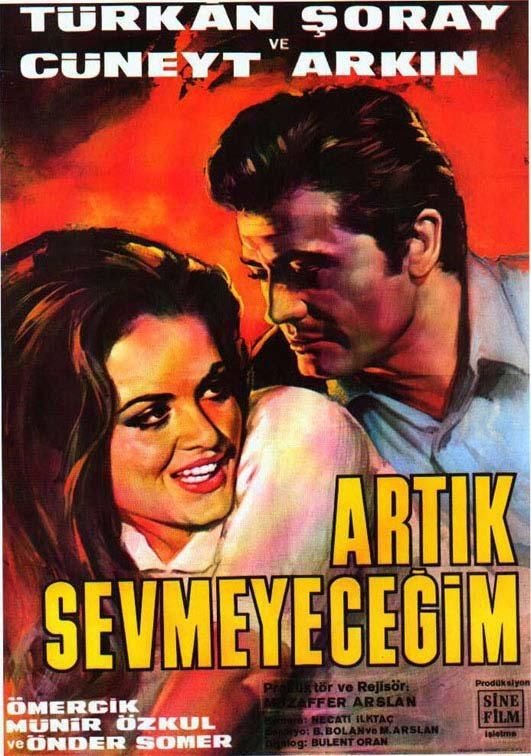 I Will Not Love Anymore (Artık Sevmeyeceğim) (translated)
- Küçük Hanımefendi
- Urfa İstanbul
- Nilgün
- Yayla Kartalı
- Kanlı Nigar
- İstanbul'da Cümbüş Var
- Kalbimdeki Yabancı
- Elveda
- Yaşlı Gözler
- Sürtüğün Kızı
- Çifte Tabancalı Damat
- Ölünceye Kadar
- The Sailors Are Coming (Denizciler Geliyor) (translated)
- Ben Bir Sokak Kadınıyım
- Aşkın Kanunu
- Sevgilim Artist Olunca
- Seni Seviyorum
- Bir Millet Uyanıyor
- Karaoğlan: Camoka'nın İntikamı
- Fakir Bir Kız Sevdim
-
 The Stubborn Bride (İnatçı Gelin) (translated)
- Are You Sweet? Wow! (Şekerli misin Vay Vay) (translated)
- Kahreden Kurşun
- Dokunma Bozulurum
- Gönül Kuşu
- Yalancının Mumu
- Bilen Kazanıyor
- Kart Horoz
- Şoför Nebahat Bizde Kabahat
- Sonsuz Geceler
- Cezmi Band 007 Buçuk
- Kan Gövdeyi Götürdü
- Seveceksen Yiğit Sev
- Senede Bir Gün
- A Spring Evening (Bir Bahar Akşamı) (translated)
- Yumurcak
- Yaman Gazeteci
- Taş Bebek
- Gurbet
- İftira
- Altın Kafes
- Miras Uğrunda
- Kalbimin Şarkısı
- Bir Aşk Hikâyesi
-
 The Handsome Fisherman (Balıkçı Güzeli)
- Halıcı Kız
- Beklenen Şarkı
-
 Edi and Büdü Are Theater Actors (Edi ile Büdü Tiyatrocu) (translated)
-
 Yavuz Sultan Selim Is Crying (Yavuz Sultan Selim Ağlıyor) (translated)
- Edi İle Büdü
-
 Barbaros Hayreddin Pasha (Barbaros Hayreddin Paşa) (translated)
-
 Yavuz Sultan Selim and Janissary Hasan (Yavuz Sultan Selim ve Yeniçeri Hasan) (translated)
- Evli Mi Bekar Mı
- Vatan ve Namık Kemal
- Lale Devri
-
 Favorite of Selim III (Üçüncü Selim'in Gözdesi) (translated)
- Ibish's Dream (İbiş'in Rüyası) (translated)
- Nasreddin Hodja (Nasreddin Hoca) (translated)
Münir Özkul — Biography
Mustafa Münir Özkul was born on 15 August 1925 in Istanbul and died there on 5 January 2018. After Istanbul Boys' High School he began theatre as a schoolboy at the Bakırköy Community Center, turned professional in 1948 with the Ses Theatre, and performed at Muhsin Ertuğrul's Küçük Sahne; in 1969 he co-founded Bizim Tiyatro with Haldun Taner. After winning the İlhan İskender Prize in 1968 for his role in Kanlı Nigâr, he received the symbolic fifty-year-old headwear passed down by veteran comic İsmail Dümbüllü, which he in turn passed to Ferhan Şensoy in 1989.
He entered film in the 1950s and became known in the 1970s for the crowded family comedies of director Ertem Eğilmez, especially as the character "Kel Mahmut" in the Hababam Sınıfı series; he was frequently paired with actress Adile Naşit, forming one of Turkish cinema's most memorable duos. He won the Golden Orange Award for Best Actor in 1972 for Sev Kardeşim, was named a State Artist in 1998, and appeared in more than 200 productions over his career.
Married four times, he had three children, including actress and presenter Güner Özkul and Ferdi Özkul, who runs restaurants in Canada. He battled alcoholism for years before quitting entirely in the mid-1990s, and from the early 2000s suffered from dementia and chronic obstructive pulmonary disease. He died at 92 at his home in Cihangir and was buried in the family plot in Bakırköy; his last wife, Umman Özkul, died of cancer in 2025.
Photos
Reactions
You can pick up to 3 reactions.
Comments