The Prisoner (Mahkûm)

The Prisoner (Mahkûm) (translated)

Movie · 1972 · 9 people

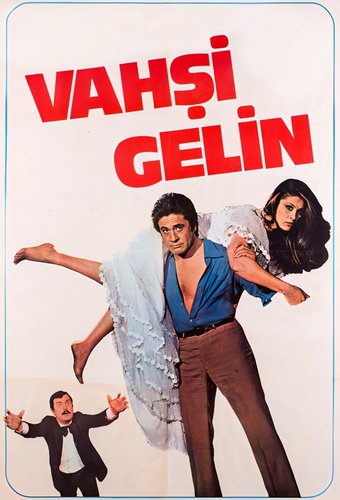
Osman F. Seden wrote, directed and produced Mahkûm ("Prisoner"), a 1972 Turkish drama that reached cinemas on 1 May 1973. In colour, it stars Cüneyt Arkın and Hale Soygazi. It is a drama of family and justice about how an illness, a betrayal and a prison sentence set a father and his son against each other.

At its centre is Kemal Erkan (Cüneyt Arkın), an ordinary man happy with his family, whose life changes when his wife Zeynep (Hale Soygazi) is diagnosed with cancer and doctors give her only two months. Kemal sends Zeynep abroad for treatment, and during their separation he turns to another woman and marries her. When that second marriage is shaken by betrayal he cannot control his anger, strikes his wife and goes to prison. Years later, on his release, he learns that his son Metin has become a prosecutor. A murder brings them face to face on opposite sides of the law. Seyyal Taner (Lamia), Nalan Çöl (Güner), Kerem Bozbay (adult Metin) and Kahraman Kıral (young Metin) are also in the cast.

The cinematographer was Memduh Yükman, and the production company was Kemal Film. Most roles were dubbed afterwards by other voice actors; Sadettin Erbil voices Cüneyt Arkın, for example, and Nevin Akkaya voices Hale Soygazi.

DirectorOsman Fahir Seden
Production companyKemal Film

Reactions

You can pick up to 3 reactions.

Cast

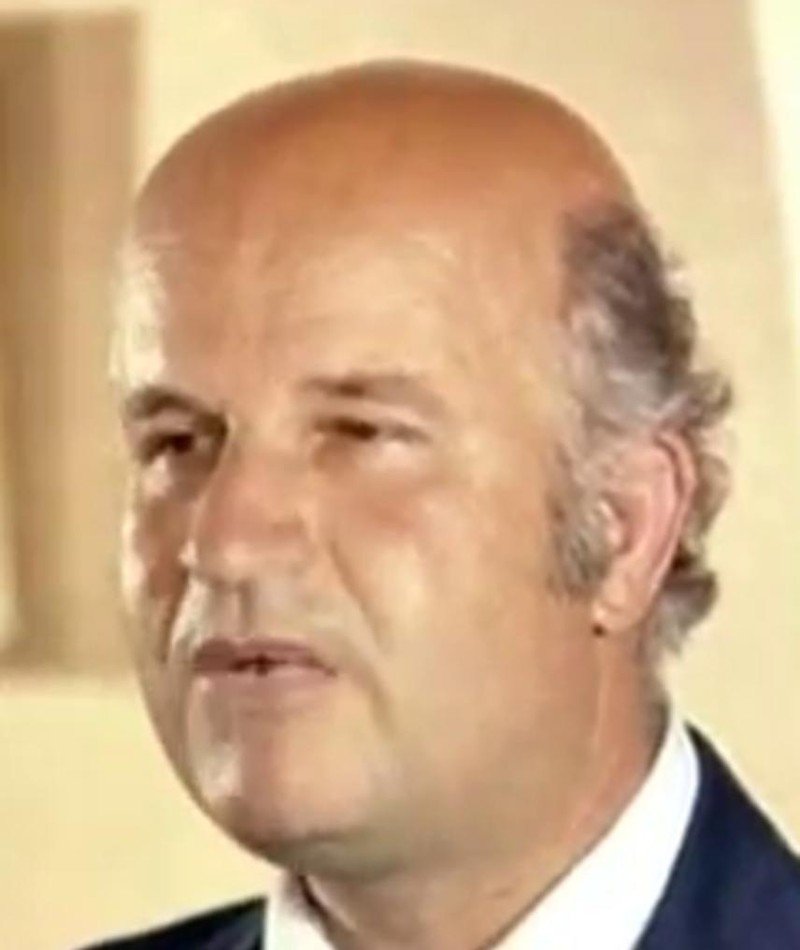
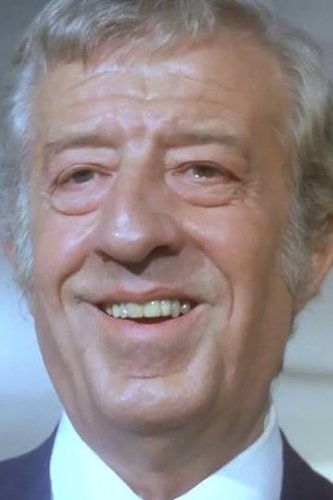
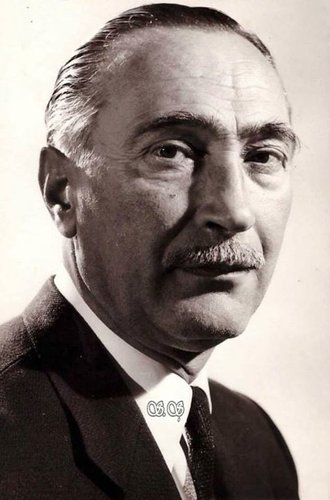
Also in the cast: Nalan Çöl, Kerem Bozbay, Kahraman Kıral

Through different eyes

Family Viewer Asks whether the whole household can watch it; cares about humour and heart.

A heavy family drama. There is cancer, betrayal, violence against a wife and prison, so it is not one for small children. A father and son meeting years later on opposite sides of the law is a strong subject for adults, though. Grandparents who know Cüneyt Arkın from action films may enjoy seeing him in an emotional role this time. A film to watch with teenagers and talk about afterwards.

History & Society Lens Asks about the period, the social background and what the work reflects.

Mahkûm holds up an interesting mirror to the Turkish family of the early seventies. A cancer diagnosis, a wife sent abroad for treatment and a second marriage made in her absence: in the cinema of the time, illness and separation serve as tools of a moral test. Kemal giving in to his anger, striking his wife and paying for it with prison turns the film into a story of crime and punishment. His son later facing him as a prosecutor carries the reckoning between generations into the language of the law. That domestic violence is the story's turning point is especially thought-provoking from today's vantage point.

Cinephile Looks at script, editing and directing choices; keeps a distance from formula films.

Mahkûm, which Osman F. Seden wrote, directed and produced, follows the seventies melodrama recipe to the letter: fatal illness, a second marriage, betrayal, prison, and years later a murder that sets a father against his prosecutor son. The story starts as a marital drama and turns into a tale of justice. That leap is dramatically appealing, but packing so many events into one film leaves little room for the characters' inner lives; as incidents chase each other, the emotions get no chance to deepen. Most roles were dubbed afterwards by other voice artists, normal practice at the time, yet for today's viewer it chips away a little at the integrity of the performances.

These are not reader reviews: they are short editorial takes written from different viewer perspectives with AI assistance. Reader reviews are below.

Reviews (0)

Log in Log in to write a review.

Comments