The Shirt of Flame (Ateşten Gömlek)

The Shirt of Flame (Ateşten Gömlek) (translated)

Movie · 1923 · 11 people

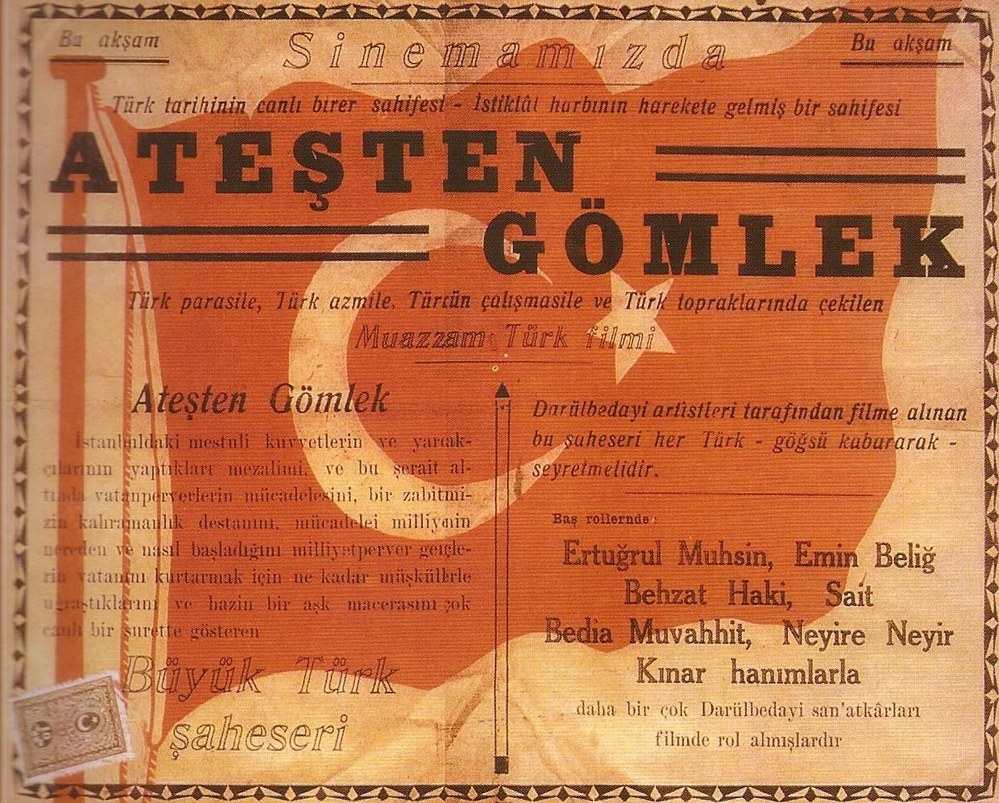
Halide Edib Adıvar's novel Ateşten Gömlek ("The Shirt of Flame") appeared in 1922, and a year later, in 1923, it reached the screen as a black-and-white Turkish war drama of the same name. Muhsin Ertuğrul wrote and directed it. It is remembered as the first narrative feature about the War of Independence in Turkish cinema, and Bedia Muvahhit (Ayşe) and Neyyire Neyir (Kezban) became the first Turkish Muslim actresses on screen.

The story rests on the memoirs of Peyami, a reserve officer wounded at the front. During the occupation Ayşe, who lost her husband and child in İzmir, takes refuge in his Istanbul home. Peyami, Ayşe and her friend İhsan discuss defending the homeland, attend rallies and cross into Anatolia. For both men Ayşe becomes an inspiration in which love of country and love of a woman merge, a "shirt of flame". Kezban, a village girl İhsan protects, falls in love with him. The story moves toward the İzmir offensive.

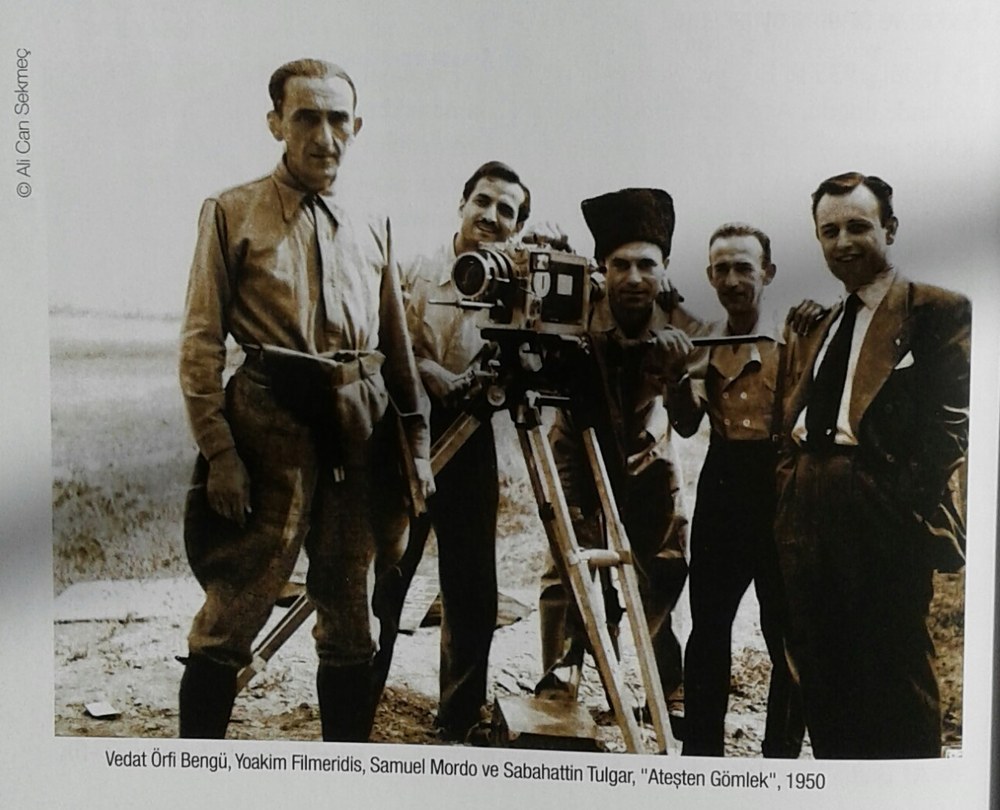
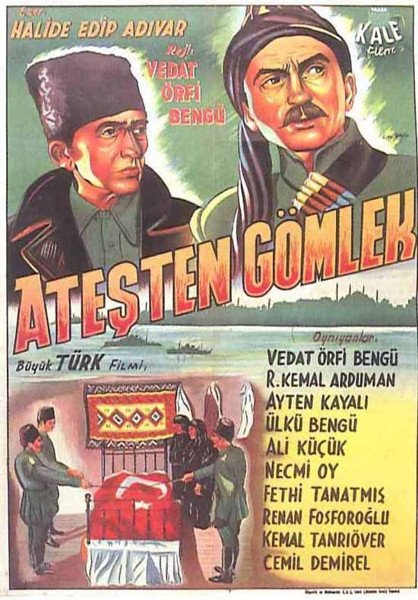
Kemal Seden and Şakir Seden produced it, with Cezmi Ar as cinematographer. It premiered on 23 April 1923, the third anniversary of the Grand National Assembly, at the Palas Cinema in Beyoğlu, in two parts on separate tickets. A remake followed in 1950, directed by Vedat Örfi Bengü.

DirectorMuhsin Ertuğrul
Production companyKemal Film
The Shirt of Flame (Ateşten Gömlek) The Shirt of Flame (Ateşten Gömlek) The Shirt of Flame (Ateşten Gömlek)

Reactions

You can pick up to 3 reactions.

Cast

Through different eyes

Yeşilçam Nostalgic A viewer raised on the classics, looking for warm storytelling and strong acting.

For an eye raised on Halide Edib's novel, this film carries a value of its own simply because a beloved novel reached the screen barely a year after it appeared. Bedia Muvahhit and Neyyire Neyir stepping in front of the camera reads like a brave signature in the history of Turkish cinema. At the heart of the story lies that feeling where love of country and love of a woman blur into one, a vein that later patriotic dramas would echo again and again. It is best seen not as a masterpiece but as a beginning; and beginnings have a warmth all their own.

History & Society Lens Asks about the period, the social background and what the work reflects.

The film brings a War of Independence novel published in 1922 to the screen only a year later, so it records an era's effort to tell its own story almost in real time. Timing the premiere to the anniversary of the Assembly shows it was conceived as a commemoration as much as a cinema event. One reservation, though: Ayşe is placed in the story less as a person with her own will than as the men's inspiration, a 'shirt of flame'. Putting women actors on screen was a step forward, yet reducing the female character to a symbol also reveals the limits of its time.

Cinephile Looks at script, editing and directing choices; keeps a distance from formula films.

Written and directed by Muhsin Ertuğrul, this production deserves to be read today more as a document of film history than as an object of aesthetic judgement. Grounding the narrative in a wounded officer's memoirs is an adaptation choice that tries to keep the novel's framing device, but it also means carrying a sprawling plot, from rallies to the crossing into Anatolia to the İzmir offensive, with the means of early cinema. Its presentation in two separate parts can be read as a sign of that strain. What is most interesting is how Ertuğrul sets out to build a narrative film language almost from scratch; the film's value today lies largely in that experimental spirit.

These are not reader reviews: they are short editorial takes written from different viewer perspectives with AI assistance. Reader reviews are below.

Reviews (0)

Log in Log in to write a review.

Comments