A Handful of Soil (Bir Avuç Toprak)

A Handful of Soil (Bir Avuç Toprak)

Movie · 1957 · 6 people

Muharrem Gürses supplied the source for A Handful of Soil (Bir Avuç Toprak), a black-and-white Turkish drama of 1957 that was also the second film its writer, producer and director Osman F. Seden made that year. Kemal Film and Seden Film produced it together, and it runs 107 minutes. Kriton İlyadis was the cinematographer, and Faruk Özar and Ziya İnsel edited. It counts among the films that carried Ayhan Işık on to new successes.

The story is set in Anatolia, in a period reaching back to 1948, around a landowner, a sharecropper and the village's most beautiful girl. The landowner falls for her, and his clash with her fiancé stems not from a land dispute but from a matter of the heart. The cast has Ayhan Işık (Ömer), the studio's contract actor at Kemal Film, Pervin Par (Gülnaz), Talat Artemel (Kerim Ağa), Turgut Özatay (Kaplan), Atıf Kaptan (Kahya) and Nubar Terziyan (Mehmet Ağa). Hüseyin Güler plays Bekir and Mehmet Ali Akpınar plays Kemal.

The credits also list a prison governor, a prosecutor and judges. The voices were added afterwards at Day Film, with Reşit Gürzap dubbing Ayhan Işık. The ending goes badly for the hero.

DirectorOsman Fahir Seden
Production companyKemal Film, Seden Film

Reactions

You can pick up to 3 reactions.

Cast
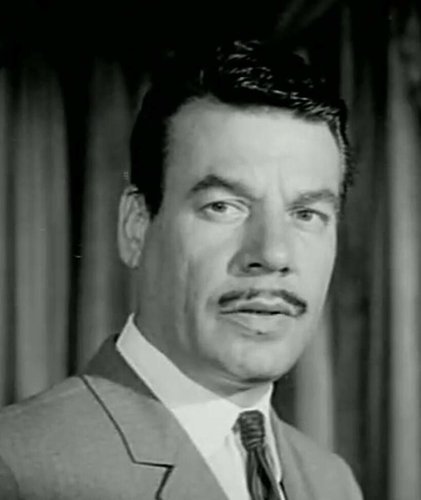
Also in the cast: Pervin Par, Talat Artemel, Atıf Kaptan

Through different eyes

Yeşilçam Nostalgic A viewer raised on the classics, looking for warm storytelling and strong acting.

Osman F. Seden's black-and-white Anatolian drama is one of the early signs of Yeşilçam's love for village stories. The landowner, the sharecropper and the village's most beautiful girl: the triangle may feel familiar today, but Seden handles it with sincerity. Watching Ayhan Işık during this rising period is a pleasure of its own, and Reşit Gürzap providing his voice recalls the dubbing tradition of those years. Names such as Talat Artemel and Nubar Terziyan give the cast real weight. That the conflict springs from the heart rather than from the land gives the film a warm humanity.

History & Society Lens Asks about the period, the social background and what the work reflects.

The film sets an Anatolian village's land order, in a period reaching back to 1948, in the background: power relations between the landowner, the sharecropper and the villagers form the texture of the drama. Interestingly, the conflict arises not from land itself but from the landowner falling for a girl; still, the fact that one of the rivals is the landowner puts even a love rivalry in the shadow of social hierarchy. A prison governor, a prosecutor and judges in the credits suggest the story moves from the village into the state's institutions of justice. Melodrama's conventions sometimes crowd out social observation, but the film is a good document of how 1950s cinema looked at the village.

Family Viewer Asks whether the whole household can watch it; cares about humour and heart.

An old black-and-white Turkish film that can be a nice pick to watch with grandparents. The story is heavy, though: there is a rivalry over a girl and events go as far as the courts. Small children may get bored or not really follow it. At 107 minutes it is a bit long. Suited to middle-school age and up, for families who want to get to know older cinema together.

These are not reader reviews: they are short editorial takes written from different viewer perspectives with AI assistance. Reader reviews are below.

Reviews (0)

Log in Log in to write a review.

Comments